

Have you ever wondered what breeds make up your cat? Knowing your cat’s breed can tell you a lot about their personality, health, and behavior.
But how can you be sure what breeds are in your furry friend? This guide will help you discover the clues to identify your cat’s breed easily. By the end, you’ll feel more connected to your pet and understand them better.
Keep reading, and unlock the mystery behind your cat’s unique mix!
Recognizing Physical Traits
Recognizing your cat’s physical traits helps identify its breed. Each breed has unique features that make it special. Observing these traits closely gives clues about your cat’s origins. Focus on coat patterns, body shape, and eyes to start.
Coat Patterns And Colors
Cat coats come in many patterns and colors. Some breeds have solid colors, while others show stripes or spots. For example, the Bengal has a spotted coat. Siamese cats often have light bodies with darker points. The coat’s texture also matters—some are short and sleek, others long and fluffy.
Body Shape And Size
Body shape varies widely across breeds. Some cats are slender and long, like the Oriental breed. Others are stocky and muscular, such as the British Shorthair. Size also helps identify breeds. Some cats stay small, while others grow quite large. Notice your cat’s leg length, tail thickness, and overall build.
Eye Shape And Color
Eyes reveal much about a cat’s breed. Shapes range from round to almond-like. Color varies from blue to green, amber, or copper. Some breeds have striking eye colors, like the bright blue eyes of a Siamese. Eye shape and color can provide strong clues about your cat’s heritage.
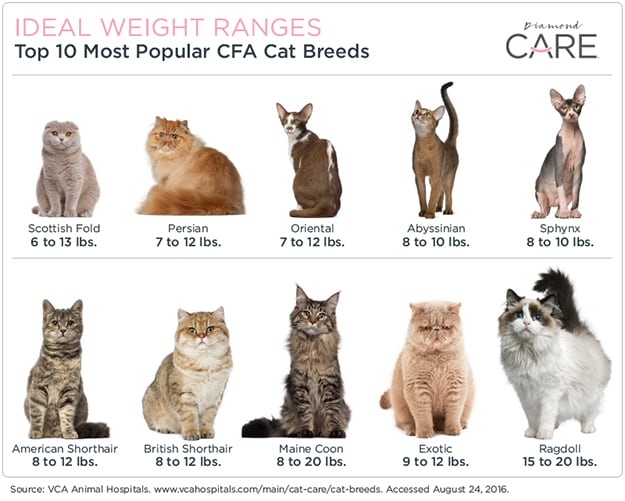
Credit: www.diamondpet.com
Behavioral Clues
Behavioral clues help reveal your cat’s breed. Cats from different breeds often act in unique ways. Observing how your cat behaves can give hints about its origins. This section covers key behavior areas to watch closely.
Activity Levels
Some cat breeds are very active and playful. For example, Bengals love to climb and run a lot. Others prefer to relax and sleep most of the day, like Persians. Watching how much your cat moves can help identify its breed type.
Social Tendencies
Cats differ in how they like to interact with people and pets. Siamese cats often seek attention and enjoy company. On the other hand, Russian Blues may be shy and keep their distance. Notice if your cat is friendly or more independent.
Vocalization Patterns
Some cats are quiet, while others are very vocal. Siamese cats tend to meow loudly and often. British Shorthairs usually make soft, low sounds. Listening to your cat’s voice can provide clues about its breed.
Using Cat Breed Databases
Using cat breed databases is a helpful way to identify your cat’s breed. These databases collect details about many cat breeds. They show pictures, traits, and history. You can compare your cat to these profiles to find a match. This method is easy and free. It gives you a clear starting point to learn more about your cat.
Reliable Online Resources
Choose databases from trusted sources. Websites run by cat clubs and animal experts are best. They often update their information. Some popular sites include The International Cat Association and Cat Fanciers’ Association. These sites have large breed lists and detailed descriptions. They help you see many breed options at once.
How To Compare Features
Look at your cat’s fur color, length, and pattern. Check the shape of ears and eyes. Notice the size and body type. Compare these traits with those in the database. See which breeds share the most features with your cat. Use photos to help match physical traits. This step helps narrow down possible breeds.
Limitations Of Databases
Databases cannot give exact answers. Many cats are mixed breeds and show traits from several breeds. Some cats look alike but belong to different breeds. Also, pictures may differ from real cats. Databases offer clues, not a final ID. For precise results, genetic testing might be needed.
Dna Testing For Cats
DNA testing for cats helps identify your cat’s breed and ancestry. It reveals traits passed down from parents and distant relatives. This test offers a clear look into your cat’s genetic makeup. Understanding your cat’s breed can guide care and health choices.
How Dna Tests Work
DNA tests analyze a small sample from your cat’s cheek or fur. The sample contains genetic material that labs study for specific markers. These markers match known traits of different cat breeds. Labs compare your cat’s DNA with a large database. Results show breed percentages and possible health risks.
Choosing A Testing Kit
Pick a kit that is easy to use and reliable. Kits include clear instructions for collecting samples safely. Check if the company has a good reputation and reviews. Some kits provide detailed breed and health information. Consider price and how fast you want results.
Interpreting Your Results
Results list breeds with numbers showing how much your cat matches. Look at breed traits to understand your cat’s behavior and looks. Health information may include risks for common cat illnesses. Use this data to improve your cat’s diet and care. Share results with your vet for better health advice.
Consulting Cat Experts
Consulting cat experts is a smart way to learn about your cat’s breed. These professionals have the knowledge and experience to give accurate answers. They can help you understand your cat’s unique traits and background. Trusting their advice can save time and avoid guesswork.
Veterinarians’ Role
Veterinarians know a lot about cat health and traits. They often see many cat breeds in their work. A vet can spot breed features by looking at your cat’s body and behavior. They may also suggest genetic testing for more exact results. Vets give advice based on facts and health.
Professional Breeders’ Insights
Breeders specialize in specific cat breeds. They know breed standards and histories well. A breeder can compare your cat to known breeds. They often notice small details others miss. Breeders can share stories about breed traits and care tips.
Cat Show Judges’ Opinions
Cat show judges are experts in breed standards. They evaluate cats by strict rules and guidelines. Judges can identify breeds by appearance and movement. Their experience with many cats helps in spotting mixes. Judges provide clear and detailed feedback about your cat.

Credit: www.sparklecat.com
Common Mixed Breeds
Many cats are not purebred but mixed breeds. These cats have a mix of traits from different breeds. Mixed breed cats show a wide range of looks and personalities. Understanding common mixed breeds helps identify your cat’s background.
Mixed breed cats can have a mix of colors, fur lengths, and body shapes. They often combine the best features of several breeds. Knowing the traits of popular mixes can give clues about your cat’s roots.
Popular Hybrid Traits
Hybrid cats result from crossing two different breeds. They often have unique looks and special traits. For example, Bengal hybrids have spotted coats and are very active. Siamese mixes usually have blue eyes and a talkative nature. Hybrids can inherit traits like size, coat patterns, and behavior from both parents.
Recognizing Domestic Shorthair And Longhair
Domestic Shorthair and Longhair cats are the most common mixed breeds. Domestic Shorthairs have short, dense fur and varied colors. They are strong and healthy with friendly temperaments. Domestic Longhairs have soft, long fur that needs regular care. Both types show a wide mix of traits from many breeds.
Traits Of Common Mixes
Many mixed cats combine traits from popular breeds. For instance, a mix might have the fluffy tail of a Maine Coon and the face of a Persian. Some mixes show the playful nature of a Siamese and the calm of a Ragdoll. Mixed breed cats have unique traits, making each one special and hard to classify.

Credit: www.youtube.com
Frequently Asked Questions
How Can I Identify My Cat’s Breed By Appearance?
Look at your cat’s coat color, pattern, and fur length. Note body shape, ear type, and eye color. Compare these traits with breed profiles online to find possible matches.
Can Dna Tests Accurately Determine My Cat’s Breed?
Yes, DNA tests provide precise breed identification. They analyze your cat’s genetic markers to reveal breed heritage and ancestry with high accuracy.
What Traits Distinguish Purebred Cats From Mixed Breeds?
Purebred cats show consistent physical traits and behaviors linked to their breed. Mixed breeds often have varied features and unique appearances due to mixed ancestry.
Are Breed Traits Important For Understanding My Cat’s Behavior?
Breed traits can hint at common behaviors and activity levels. Knowing your cat’s breed helps tailor care, play, and training to suit their nature.
Conclusion
Knowing your cat’s breed helps understand its behavior and needs. Observe physical traits and personality for clues. Use online tools or talk to a vet for advice. DNA tests provide clear answers but cost money. Most important: enjoy your cat’s unique qualities.
Every cat is special, no matter the breed. Keep learning and caring for your furry friend.