
Are you concerned about the rise of genetically modified cats and what it means for our pets and environment? You’re not alone.
The breeding of these engineered animals is growing fast, and it raises serious questions about ethics, health, and natural balance. But what can you do to help stop this trend before it gets out of control? You’ll discover clear, practical steps that anyone can take to prevent the spread of genetically modified cats.
Keep reading to learn how your actions can make a real difference.

Credit: cfa.org
Risks Of Genetically Modified Cats
Genetically modified cats bring many risks that affect nature, animals, and humans. These risks need careful thought before breeding starts. Understanding these dangers helps stop harmful practices.
Environmental Impact
Genetically modified cats can disrupt ecosystems. They might outcompete wild animals for food and space. This change can harm native species and reduce biodiversity. Modified genes could spread to wild cats, causing unknown effects. These risks pose a threat to natural balance.
Ethical Concerns
Changing a cat’s genes raises serious moral questions. Is it fair to alter animals for human needs? These cats may suffer health problems or stress. Breeding for traits can ignore the animal’s well-being. Ethical concerns call for strict rules and care.
Health Issues
Genetically modified cats may face unknown health problems. Altered genes can cause defects or diseases. These cats might have weak immune systems. Breeding without knowing risks can lead to suffering. Protecting animal health is a top priority.
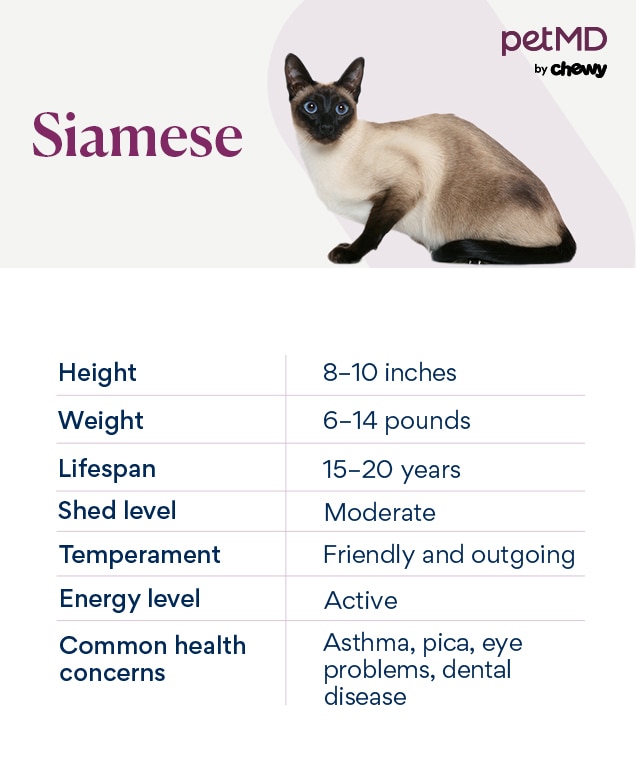
Credit: www.petmd.com
Current Breeding Practices
Current breeding practices of genetically modified (GM) cats involve specific traits and techniques. These practices shape the future of GM cat populations. Understanding these elements helps in controlling their growth and impact.
Popular Gm Cat Traits
Breeders often focus on traits like hypoallergenic fur. Others prefer cats with unique coat colors or patterns. Some GM cats have enhanced health features. These traits attract buyers and increase demand.
Breeding Methods
Breeders use gene editing tools to create GM cats. This includes CRISPR and other genetic engineering methods. Controlled mating ensures the desired traits pass to offspring. Some breeders use cloning to replicate specific cats.
Regulations In Place
Many countries have laws regulating GM animal breeding. These rules control who can breed and sell GM cats. Some require permits or strict monitoring. Enforcement varies, affecting how well these laws work.
Effective Control Measures
Stopping the breeding of genetically modified cats requires strong and clear actions. Effective control measures help manage and reduce this issue. These measures protect natural cat populations and keep ecosystems safe. They also prevent unwanted genetic changes from spreading.
Several steps can work together to control breeding. Each step plays a key role in managing genetically modified cat populations. Understanding and applying these measures is important for success.
Strict Breeding Regulations
Setting strict rules on who can breed genetically modified cats is essential. Laws should limit breeding only to certified breeders. These breeders must follow safety and ethical standards. Rules should include regular inspections and clear penalties for breaking them. This approach reduces illegal and uncontrolled breeding.
Monitoring And Enforcement
Continuous monitoring helps track genetically modified cats. Authorities can use tagging and tracking systems for this. Enforcement teams must act quickly against illegal breeders. Regular checks and reports keep breeders accountable. Strong enforcement stops the spread of modified cats effectively.
Public Awareness Campaigns
Educating the public plays a big role in control efforts. Campaigns inform people about risks of genetically modified cats. They explain why breeding should be controlled. Awareness encourages responsible pet ownership and reporting of illegal activities. Public support helps make control measures successful.
Alternative Solutions
Alternative solutions help control the breeding of genetically modified cats. These methods focus on natural and responsible ways to manage cat populations. They aim to protect both animals and people.
Promoting Natural Breeding
Natural breeding encourages cats to mate without genetic modification. It supports the health and diversity of cat populations. This method avoids risks linked to genetic changes. Educating people about natural breeding helps reduce demand for modified cats.
Sterilization Programs
Sterilization stops cats from reproducing. Programs that offer low-cost or free spaying and neutering help control cat numbers. These programs reduce the chance of genetically modified cats breeding. They also improve animal welfare by preventing unwanted litters.
Supporting Ethical Breeders
Ethical breeders follow strict rules to breed healthy cats. They avoid genetic modifications and focus on natural traits. Supporting these breeders helps keep cat breeding safe and responsible. It also encourages better care for all cats involved.
Role Of Technology
Technology plays a key role in stopping the breeding of genetically modified (GM) cats. It helps control gene editing, track animals, and share important data. These tools make it easier to monitor and manage GM cats. They also help enforce rules to protect natural animal populations.
Gene Editing Restrictions
Technology enforces strict rules on gene editing in cats. Scientists use software to check if gene changes follow laws. Unauthorized modifications can be detected early. This prevents illegal breeding of GM cats. It also helps keep gene editing safe and ethical.
Tracking Gm Cats
Tracking devices help monitor the location of GM cats. GPS collars and microchips provide real-time data. This technology stops GM cats from breeding uncontrolled. It helps owners and authorities find and manage these cats quickly. Tracking limits the spread of modified genes.
Data Sharing Platforms
Online platforms allow sharing of data about GM cats. Researchers, vets, and officials use these systems. They share information on breeding, health, and locations. This improves transparency and helps stop illegal breeding. Data sharing creates a network to protect natural cats.
Community Involvement
Community involvement plays a key role in stopping the breeding of genetically modified cats. Local people, pet owners, and groups can work together to make a big difference. Everyone must understand the risks and take action.
Engaging Pet Owners
Pet owners have the power to control breeding. They should be encouraged to spay and neuter their cats. Sharing information about the dangers of breeding genetically modified cats helps owners make smart choices. Regular check-ups and responsible care reduce unwanted litters. Owners who know the facts can spread the word in their neighborhoods.
Collaboration With Animal Welfare Groups
Animal welfare groups have experience and resources to fight breeding. Working with these groups strengthens community efforts. They can organize events and offer low-cost spaying and neutering services. Together, they can monitor and report illegal breeding activities. Partnerships ensure better support for affected cats and owners.
Educational Initiatives
Education is the foundation of change. Schools, community centers, and online platforms should share clear information. Simple lessons about the risks and ethics of genetically modified cats reach more people. Visual aids and easy language help everyone understand. Teaching children early creates a future of responsible pet care.

Credit: www.nature.com
Frequently Asked Questions
What Are Genetically Modified Cats?
Genetically modified cats have altered DNA through scientific methods. These changes aim to enhance traits or study diseases. They differ from natural breeds by possessing specific gene modifications.
Why Stop Breeding Genetically Modified Cats?
Stopping breeding prevents unintended ecological impacts and ethical issues. It also controls gene spread and protects natural cat populations. Responsible breeding ensures animal welfare and biodiversity preservation.
How Can Breeding Of Gm Cats Be Controlled?
Breeding control includes strict regulations, licensing, and monitoring by authorities. Public awareness and ethical guidelines also help limit unauthorized breeding. Enforcement of laws ensures responsible genetic management.
What Are Ethical Concerns With Gm Cat Breeding?
Ethical concerns involve animal welfare, unnatural traits, and ecological balance disruption. There is debate over consent and long-term effects on species. Ethical breeding prioritizes health and minimizes harm.
Conclusion
Stopping the breeding of genetically modified cats protects natural animal balance. It requires effort from breeders, pet owners, and lawmakers together. Educate yourself and others about the risks involved. Support laws that limit genetic modifications in pets. Choose adoption from shelters instead of buying modified cats.
Every small step helps keep cat populations healthy and natural. The future of cats depends on responsible choices today. Let’s act wisely and protect these animals for generations to come.