
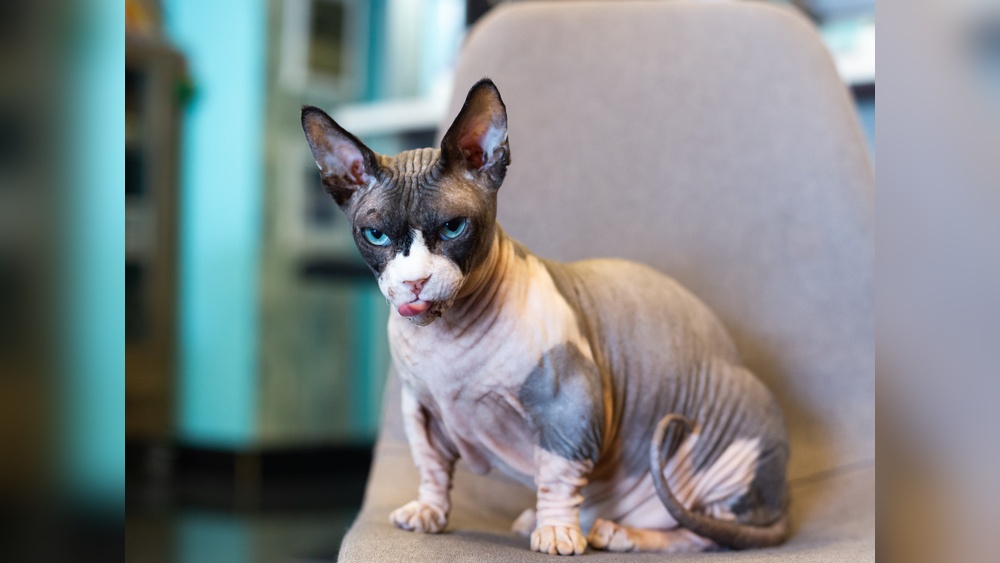
Are you curious about cats that don’t shed or trigger allergies? Hairless cat breeds might be exactly what you’re looking for.
These unique felines stand out with their smooth skin and charming personalities. If you want to discover which breeds are hairless and what makes them special, keep reading. By the end, you’ll know everything you need to decide if a hairless cat is the perfect companion for your home.
Credit: www.coopsandcages.com.au
Hairless Cat Breeds
Hairless cat breeds are unique pets with a distinct look and charm. They stand out due to their lack of fur, showing smooth skin that feels warm and soft. These cats need special care to protect their skin from sun and cold. They often have friendly and playful personalities that make them great companions.
Sphynx Cats
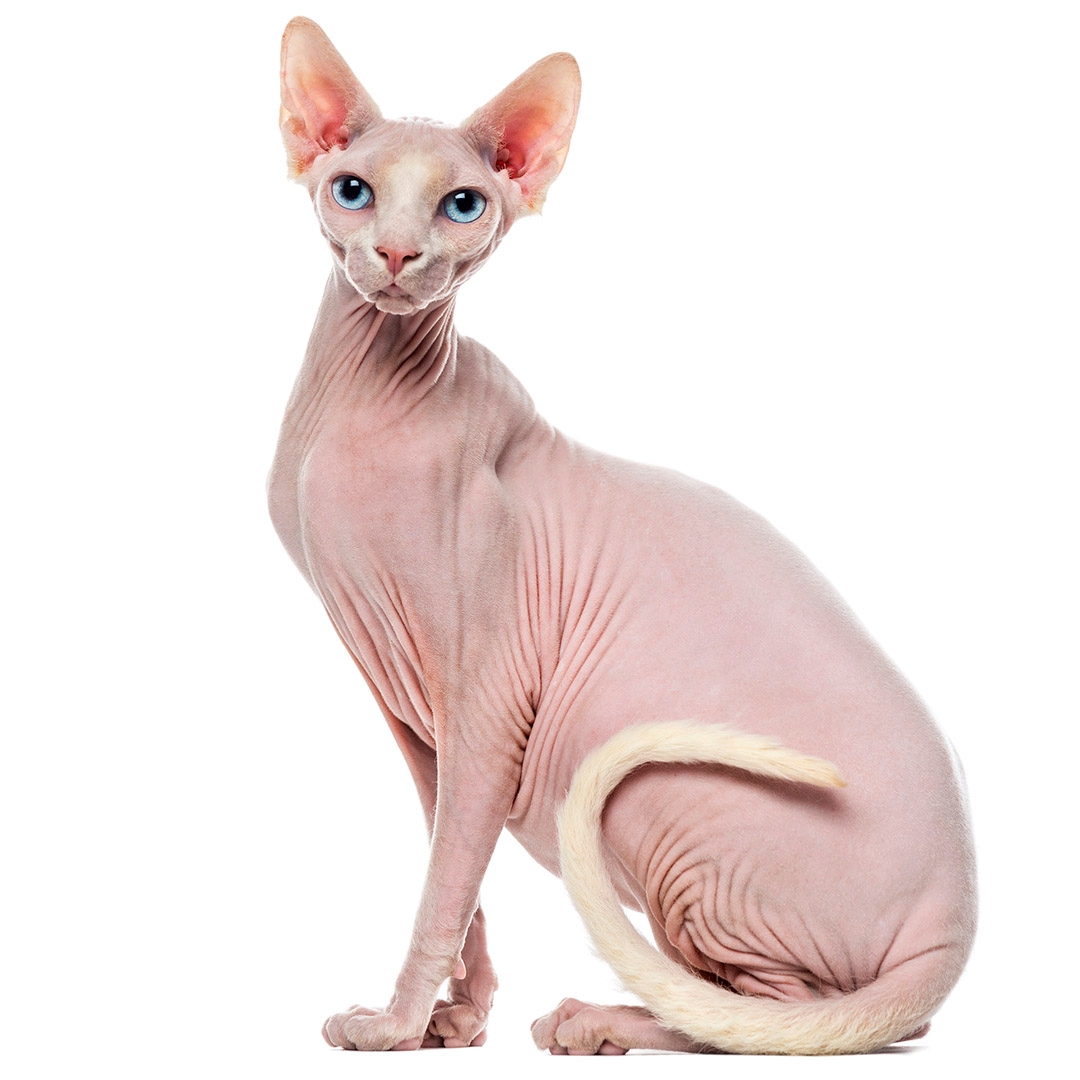
Sphynx cats are the most famous hairless breed. They have wrinkled skin and large ears. Their skin feels like warm suede. Sphynx cats love attention and enjoy being near people. They are active and curious pets.
Peterbald Cats
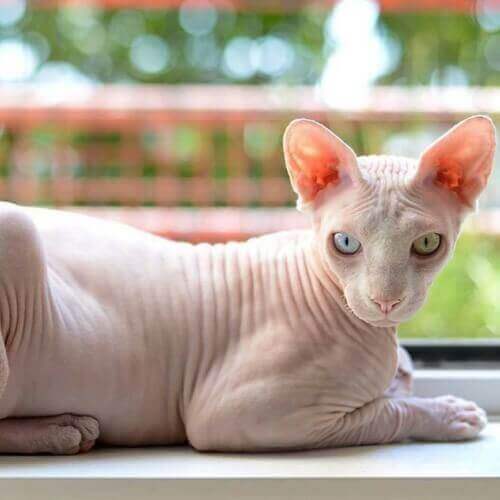
Peterbald cats come from Russia. They can have different levels of hair, from bald to a thin coat. These cats have long, slender bodies and almond-shaped eyes. Peterbald cats are gentle and calm, making them good pets for quiet homes.
Donskoy Cats
Donskoy cats are also called Don Sphynx. They have wrinkled skin and no fur. These cats are friendly and social. They enjoy playing and being around other pets. Donskoy cats are known for their loyalty to their owners.
Bambino Cats
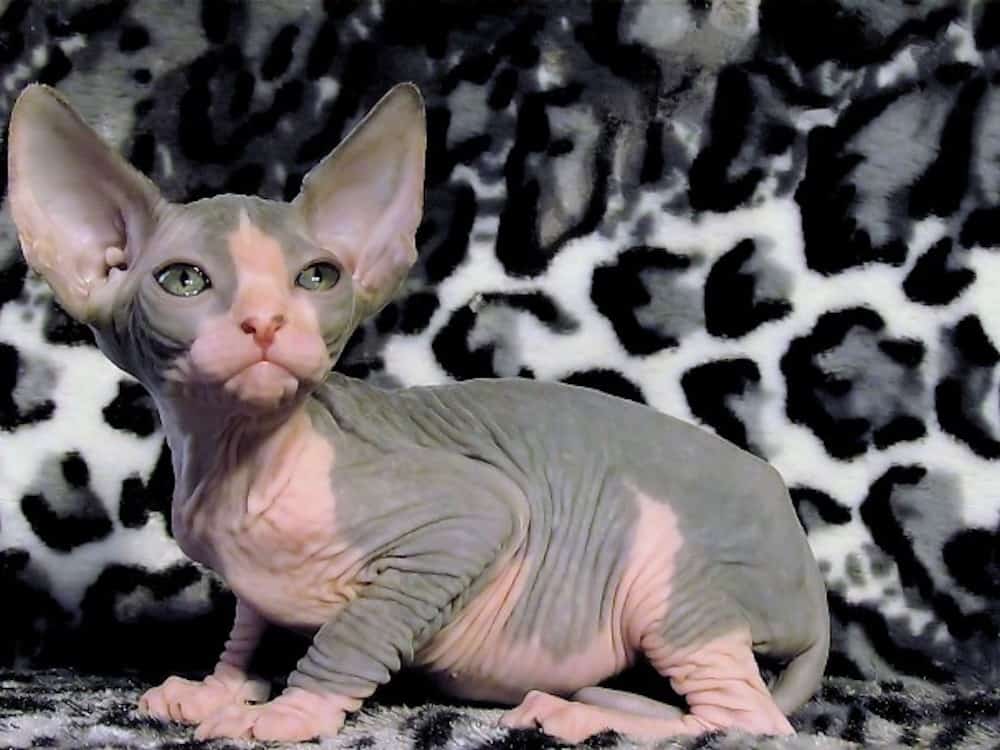
Bambino cats are small hairless cats with short legs. They look like a mix between Sphynx and Munchkin cats. Bambinos are playful and love to cuddle. Their small size makes them perfect for apartment living.
Ukrainian Levkoy Cats
Ukrainian Levkoy cats have folded ears and smooth skin. They look very different from other cats. These cats are affectionate and intelligent. Ukrainian Levkoys enjoy interacting with people and learning new tricks.
Credit: vidavetdenver.com
Origins And History
Hairless cat breeds have a unique and fascinating background. Their lack of fur is rare in the cat world. This trait has captured the interest of many cat lovers. The story of hairless cats involves natural changes and human care. Understanding their origins helps appreciate these special pets more.
Natural Mutations
Hairless cats first appeared due to a natural gene mutation. This mutation caused the cats to have little or no fur. It happened in different parts of the world independently. These cats were healthy and showed no problems from being hairless. Their unusual look made them stand out among other cats.
Selective Breeding
People noticed hairless cats and wanted to keep their unique trait. Breeders began selecting these cats to mate with each other. This helped to keep the hairless trait strong in their offspring. Breeders worked carefully to improve the health and appearance of hairless cats. This process created stable hairless cat breeds.
Breed Development Timeline
The first known hairless cat breed appeared in the 1960s. It was the Sphynx, discovered in Canada. Later, other breeds like the Peterbald and the Donskoy developed in Russia. Each breed has its own history and traits. Today, hairless cats are popular pets worldwide. Their history shows a mix of nature and human effort.
Physical Traits
Hairless cat breeds have unique physical traits that set them apart. Their lack of fur makes these features more noticeable. Each trait adds to their special appearance and charm.
Understanding these traits helps appreciate their beauty and care needs.
Skin Texture And Color
Hairless cats have smooth, soft skin. It feels warm and suede-like to the touch. Their skin can show a variety of colors and patterns. Spots, stripes, and solid colors all appear clearly. The skin may feel slightly oily, which protects them.
Body Structure
These cats have slender, muscular bodies. Their bones are visible under the skin. Their shape is elegant and agile. Their legs are long and graceful. The tail is often whip-like and thin. Their body is built for quick movement and jumping.
Eye And Ear Features
The eyes of hairless cats are large and almond-shaped. They often shine with bright colors like green or gold. Their ears are big and wide at the base. The ears stand upright and are very sensitive to sound. These features give them an alert and curious look.
Care And Maintenance
Hairless cat breeds require special care to keep their skin healthy and comfortable. Their lack of fur means their skin needs more attention than other cats. Proper care helps avoid skin problems and keeps your cat happy.
Skin Care Tips
Hairless cats have oily skin. Wipe their skin gently with a soft cloth to remove excess oils. Use only pet-safe wipes or a damp cloth. Check for any redness or bumps regularly. Protect them from scratches and sunburn. Keep their nails trimmed to avoid skin damage.
Bathing Frequency
Hairless cats need baths more often than furry cats. Bathing once every one to two weeks is ideal. Use a mild, fragrance-free cat shampoo. Rinse well to avoid skin irritation. Dry your cat gently with a soft towel after bathing. Regular baths prevent oil buildup and keep the skin clean.
Temperature Sensitivity
Hairless cats feel cold quickly because they lack fur. Provide warm blankets or clothes for chilly days. Keep your home temperature comfortable, around 70°F (21°C). Avoid exposing them to direct sunlight for long periods. Use sun protection if they go outside. Monitor their comfort to prevent overheating or chills.
Personality And Behavior
Hairless cat breeds are known for their unique looks. Their personality and behavior also make them special. These cats often show traits that differ from furry cats. Understanding their social habits and activity can help you care for them better.
Social Traits
Hairless cats are usually very social. They enjoy being around people and other pets. These cats do not like being alone for long. They often follow their owners from room to room. Hairless cats can be playful and curious. They like to explore their environment and meet new friends.
Activity Levels
Hairless cats have moderate activity levels. They like to play but also rest often. Toys and climbing structures keep them happy. These cats enjoy interactive play with their owners. They can be energetic but also enjoy quiet time. It is important to provide them with mental and physical stimulation.
Interaction With Humans
Hairless cats form strong bonds with humans. They seek attention and love to cuddle. These cats often sit on laps or shoulders. They communicate with soft meows and purrs. Hairless cats are sensitive to their owner’s mood. They respond well to gentle handling and care.
Credit: www.purina.co.uk
Health Concerns
Hairless cat breeds have unique health concerns due to their lack of fur. Their skin needs special care to stay healthy. Owners must understand these concerns to keep their cats safe and comfortable.
Common Conditions
Hairless cats often face skin problems like dryness and sunburn. They may develop rashes or fungal infections more easily. Some breeds, like the Sphynx, can have heart issues too. These conditions need early attention to prevent serious problems.
Preventive Care
Regular skin cleaning is essential for hairless cats. Use gentle, pet-safe wipes or baths to remove oil and dirt. Avoid harsh soaps that can irritate their skin. Keep them indoors to protect from sun damage. Proper diet supports their overall health and skin condition.
Veterinary Recommendations
Visit the vet regularly for skin and heart checks. The vet may suggest special treatments or supplements. Early diagnosis helps manage conditions effectively. Follow the vet’s advice closely to ensure your cat stays healthy and happy.
Choosing A Hairless Cat
Choosing a hairless cat is a special decision. These cats have unique needs and traits. Understanding these will help you find the right pet for your home.
Hairless cats need gentle care and attention. Their skin requires regular cleaning and protection. Knowing about their care helps you prepare for a happy life with your new friend.
Adoption Vs. Breeder
Adopting a hairless cat can save a life. Shelters sometimes have these cats waiting for homes. Adoption may cost less and help reduce pet overpopulation.
Buying from a breeder offers more choice in breed and age. Reputable breeders provide health checks and support. Choose breeders who care about the cat’s health and welfare.
Cost Considerations
Hairless cats can be expensive to buy or adopt. Their care costs include special shampoos and skin treatments. Regular vet visits are important to catch skin problems early.
Plan for food, toys, and bedding costs too. Budgeting helps keep your cat happy and healthy. Unexpected expenses may happen, so save a little extra.
Matching Lifestyle
Hairless cats need warm and calm environments. They do well in homes without extreme temperatures. These cats enjoy gentle play and quiet time.
Consider your daily routine before choosing. Hairless cats thrive with people who spend time at home. They dislike long periods alone and need affection.
Living With Hairless Cats
Living with hairless cats offers a unique experience. These cats are different from regular cats. They need special care to stay healthy and happy. Hairless cats have no fur to keep them warm or protect their skin. This means their home and daily routine need adjustments. Understanding their needs helps create a loving and safe space for them.
Home Environment Setup
Hairless cats need a warm and cozy home. Keep the room temperature steady and comfortable. Avoid cold drafts or sudden temperature changes. Provide soft blankets and heated beds. These help your cat stay warm. Choose furniture that is gentle on their skin. Avoid rough surfaces that might cause scratches.
Clothing And Protection
Clothing helps hairless cats stay warm. Use soft, breathable fabrics that fit well. Change clothes regularly to keep them clean. Protect their skin from sunburn by limiting sun exposure. Use pet-safe sunscreen if needed. Regular skin checks help spot any irritation or dryness early.
Bonding And Training
Hairless cats love attention and affection. Spend time playing and cuddling daily. Use treats and gentle words for training. Teach simple commands with patience and consistency. This builds trust and strengthens your bond. Respect their comfort and avoid forcing interactions.
Frequently Asked Questions
What Are The Most Popular Hairless Cat Breeds?
The most popular hairless cat breeds include the Sphynx, Peterbald, and Donskoy. These breeds are known for their unique lack of fur, friendly nature, and distinctive appearance, making them favorites among cat enthusiasts worldwide.
Are Hairless Cats Hypoallergenic?
Hairless cats are not completely hypoallergenic. They produce fewer allergens due to lack of fur, but skin oils and saliva can still trigger allergies in sensitive individuals. Proper grooming and cleaning can help reduce allergen levels.
How Do Hairless Cats Stay Warm?
Hairless cats stay warm through their higher metabolism and body heat. They often seek warm places like blankets or sunny spots. Owners may provide sweaters or heated beds to keep them comfortable in cooler environments.
Do Hairless Cats Require Special Grooming?
Yes, hairless cats need regular skin care. Without fur, their skin can get oily and dirty. Weekly baths and gentle cleaning are essential to prevent skin problems and keep them healthy and comfortable.
Conclusion
Hairless cat breeds offer a unique look and personality. They need special care to keep their skin healthy. These cats are friendly and often enjoy human company. Choosing the right breed depends on your lifestyle and preferences. Hairless cats can make loving and loyal pets.
Understanding their needs helps create a happy home. Consider these breeds if you want a different kind of cat. They bring charm and warmth in their own way. A hairless cat might be the perfect pet for you.