
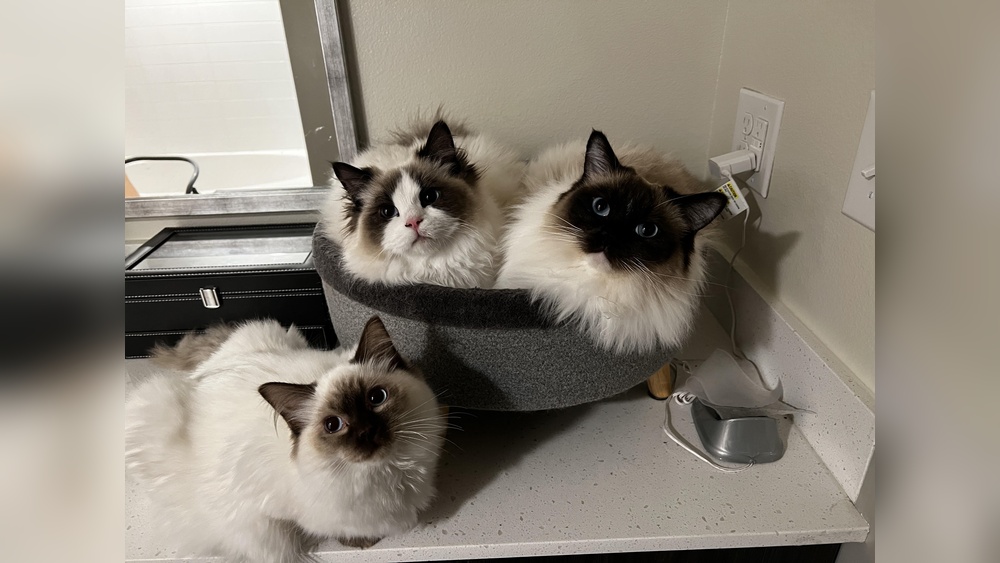
Are you thinking about adding a new furry friend to your home? Maybe you’ve heard about breeding retiree cats and wondered if one could be the perfect pet for you.
These special cats come with unique stories and needs that might just match what you’re looking for. But before you decide, it’s important to understand what owning a breeding retiree cat really means. Keep reading to discover the benefits, challenges, and everything you need to know to make the best choice for you and your new companion.
Benefits Of Adopting A Breeding Retiree Cat
Adopting a breeding retiree cat offers unique benefits. These cats often have calm and gentle personalities. They are ready for a peaceful life after their breeding years. Choosing a retiree cat gives them a loving home for their next chapter.
Temperament And Behavior
Breeding retiree cats usually have a calm nature. They have experience living with people and other pets. Their behavior tends to be predictable and steady. Many are social and enjoy quiet time with their owners. This makes them great companions for families and individuals.
Health Considerations
Retiree cats have often received regular health care. Breeders typically keep them vaccinated and checked. This means fewer surprises for new owners. Some retiree cats may need extra care due to age. Knowing their health history helps prepare for their needs.
Supporting Ethical Breeding Practices
Adopting a retiree cat supports responsible breeders. It encourages breeders to care for their cats after breeding. This reduces the risk of cats being abandoned or neglected. Helping retired cats promotes kindness and respect for animals. It also raises awareness about ethical breeding standards.
Potential Challenges To Expect
Choosing to adopt a breeding retiree cat is rewarding but comes with challenges. These cats have unique needs shaped by their past lives. Understanding these challenges helps prepare for a smooth transition.
Adjusting To A New Home
Retired cats may feel nervous in a new place. Their routines and environment change suddenly. They might hide or seem distant at first. Patience is key. Give them quiet spaces and gentle attention. Allow them time to explore and feel safe.
Medical History And Care Needs
These cats often have complex medical backgrounds. Regular vet visits are important to monitor health. Some may need special diets or medications. Knowing their history helps provide proper care. Expect possible dental, joint, or reproductive health issues.
Emotional Well-being Of Retired Cats
Retired cats may carry emotional stress from breeding. They might show fear or anxiety. Building trust is essential. Use calm voices and slow movements. Provide toys and interaction to keep them engaged. Their emotional health improves with love and stability.
Where To Find Breeding Retiree Cats
Finding a breeding retiree cat takes some care and research. These cats have finished their breeding careers and deserve a loving home. Knowing where to find them helps you make the right choice. Several places offer breeding retiree cats, each with unique benefits.
Choosing the right source ensures the cat’s health and happiness. It also supports ethical treatment of animals. Here are three main places to find breeding retiree cats.
Reputable Breeders
Reputable breeders often have breeding retiree cats available for adoption. They care about their cats’ well-being and only breed responsibly. These breeders provide health records and background information. Visiting a breeder lets you meet the cat before adopting. It also helps you ask questions about the cat’s history and personality.
Rescue Organizations
Rescue organizations sometimes take in breeding retiree cats. These groups focus on saving cats from poor conditions. They offer medical care and socialization before adoption. Adopting from rescue helps support animal welfare efforts. Staff at rescue centers can guide you to find a cat that fits your home.
Online Platforms And Communities
Several online platforms list breeding retiree cats available for adoption. These sites connect adopters with breeders and rescues. Community groups on social media also share listings. Always check the credibility of the source before adopting. Online platforms offer a wide range of options and easy communication.

Credit: www.royalcanin.com
Questions To Ask Before Adoption
Adopting a breeding retiree cat is a special decision. These cats have unique needs and histories. Asking the right questions helps ensure a smooth transition. It also helps prepare you for their care and behavior. Here are key questions to consider before adoption.
Health And Vaccination Records
Ask for the cat’s complete health records. These include vaccinations, spaying or neutering, and any illnesses. Knowing their health history helps avoid surprises later. Check if they had regular vet visits. Also, ask about any special medical needs or medications.
Past Breeding History
Learn about the cat’s breeding background. How many litters did they have? Were there any complications during breeding? Understanding this helps predict future health issues. It also shows how much rest the cat had after breeding. This info guides your care and attention.
Behavioral Traits And Socialization
Inquire about the cat’s behavior and social skills. Is the cat friendly with people and other pets? How does the cat handle stress or new environments? Breeding cats may have different social habits. Knowing this helps you create a safe, loving home.
Preparing Your Home For A Retired Cat
Preparing your home for a retired cat takes care and planning. These cats may have special needs after their breeding years. They need a calm, safe place to relax and feel loved. Setting up your home well helps your new cat adjust quickly. It also makes life easier for you and your pet.
Creating A Comfortable Space
Choose a quiet room for your retired cat. A soft bed or blanket will keep them cozy. Cats like to hide sometimes. Provide a small box or covered bed for privacy. Keep the space warm but not too hot. Avoid loud noises and sudden movements. This helps reduce stress and makes your cat feel safe.
Essential Supplies
Get basic supplies before your cat arrives. Food and water bowls should be clean and shallow. Use high-quality cat food suited for older cats. Provide a litter box with low sides for easy access. Add scratching posts to keep their claws healthy. Keep toys nearby to encourage gentle play. These items meet your cat’s daily needs.
Introducing Other Pets
Introduce other pets slowly and carefully. Keep them separated at first. Let your retired cat smell the other pets under a door. Allow short, supervised visits when both seem calm. Watch for signs of stress or aggression. Give your cat space to retreat if needed. Patient introductions build trust and peace at home.
Long-term Care And Commitment
Buying a breeding retiree cat means a long-term promise. These cats need care like any pet. Their past as breeders can affect their health and needs. Giving them a loving home requires patience and attention every day. Understanding their care needs helps you prepare for the commitment.
Regular Veterinary Checkups
Retired breeding cats need regular vet visits. These checkups catch health problems early. Vaccinations and dental care keep them healthy. The vet can advise on specific needs for retired breeders. Consistent vet visits help extend their life and comfort.
Nutrition And Exercise
Good food supports your cat’s health. Retired breeders may need special diets for their age. Balanced nutrition keeps their weight steady. Exercise helps them stay active and strong. Playtime and gentle activity prevent obesity and boredom.
Monitoring Mental Health
Mental health is important for retired cats. They may feel lonely or stressed in a new home. Watch for changes in behavior or mood. Provide toys and safe spaces to keep them happy. Patience and love improve their emotional well-being.
Expert Tips For A Smooth Transition
Bringing home a breeding retiree cat requires care and understanding. These cats have unique needs after years of breeding. Helping them adjust smoothly makes life better for both of you. Follow these expert tips to create a calm and happy environment for your new cat.
Patience And Routine
Patience is key during the first days. The cat may feel shy or scared. Keep daily routines simple and steady. Feed and play at the same times each day. This helps the cat feel safe and know what to expect. Avoid sudden changes or loud noises. Let the cat explore the space at its own pace.
Positive Reinforcement
Reward good behavior with treats or gentle petting. Praise the cat softly to build trust. Use toys to encourage play and exercise. Avoid punishment or harsh words. Positive actions help the cat feel loved and confident. Celebrate small progress to strengthen your bond.
Recognizing Stress Signals
Watch for signs of stress or discomfort. Hiding, growling, or loss of appetite are common signals. Rapid breathing or excessive grooming can also show stress. Respect the cat’s space and avoid forcing contact. Give time for rest and quiet. Knowing these signs helps prevent anxiety and supports healing.
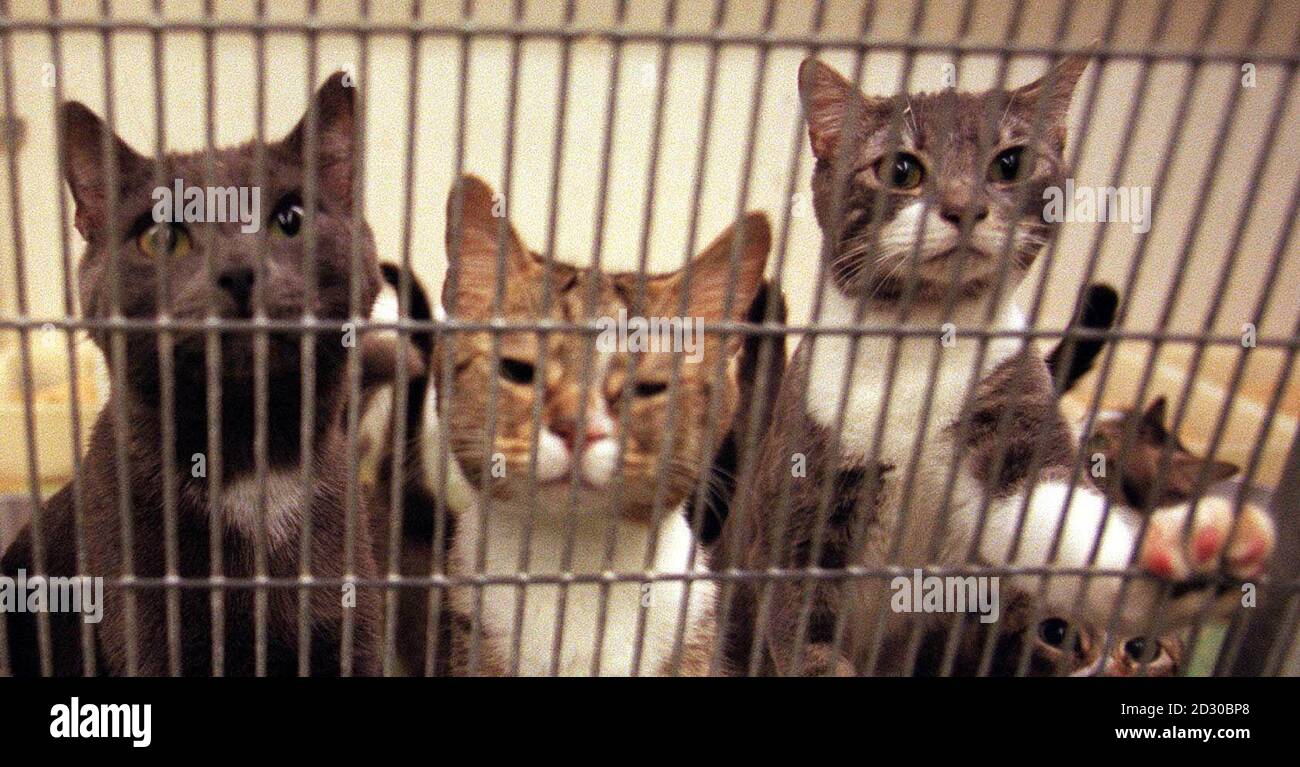
Credit: www.alamy.com

Credit: www.reddit.com
Frequently Asked Questions
What Is A Breeding Retiree Cat?
A breeding retiree cat is a female cat that has finished her breeding career. She no longer produces kittens but can be adopted as a pet. These cats often need loving homes after their breeding days end.
Are Breeding Retiree Cats Healthy Pets?
Yes, most breeding retiree cats are healthy pets. They usually have received regular veterinary care during breeding. However, a health check before adoption is recommended to ensure their well-being.
How Do Breeding Retiree Cats Behave?
Breeding retiree cats can be calm and affectionate. They may have socialized well with humans. Their temperament can vary, but many adapt easily to a loving home environment.
Should I Expect Special Care For Breeding Retiree Cats?
Breeding retiree cats might need some extra care initially. They may require time to adjust to a new home. Regular vet visits and a balanced diet will help maintain their health.
Conclusion
Buying a breeding retiree cat can be a kind choice. These cats often have calm, gentle personalities. They may need a quiet home and patient owner. Health is usually good, but check with a vet first. Giving a home to a retiree cat saves a life.
It also brings love and joy to your family. Think about your time and resources before deciding. A retired breeder cat can become a loyal friend. Choose with care and enjoy the special bond.