
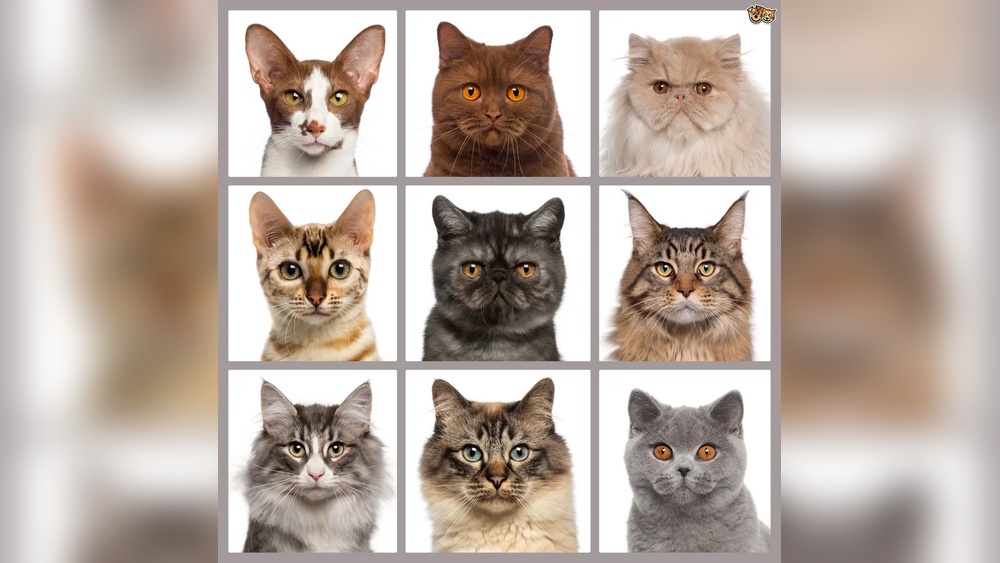
Have you ever looked at a cat and wondered what breed it is? Telling the difference between cat breeds can feel tricky, especially when many cats look similar at first glance.
But knowing your cat’s breed can help you understand its personality, health needs, and care better. You’ll discover simple tips and clear signs to spot what makes each breed unique. By the end, you’ll feel confident identifying cat breeds like a pro—and impress your friends with your new knowledge.
Let’s dive in and unlock the secrets behind your feline friend’s identity!
Key Traits Of Popular Cat Breeds
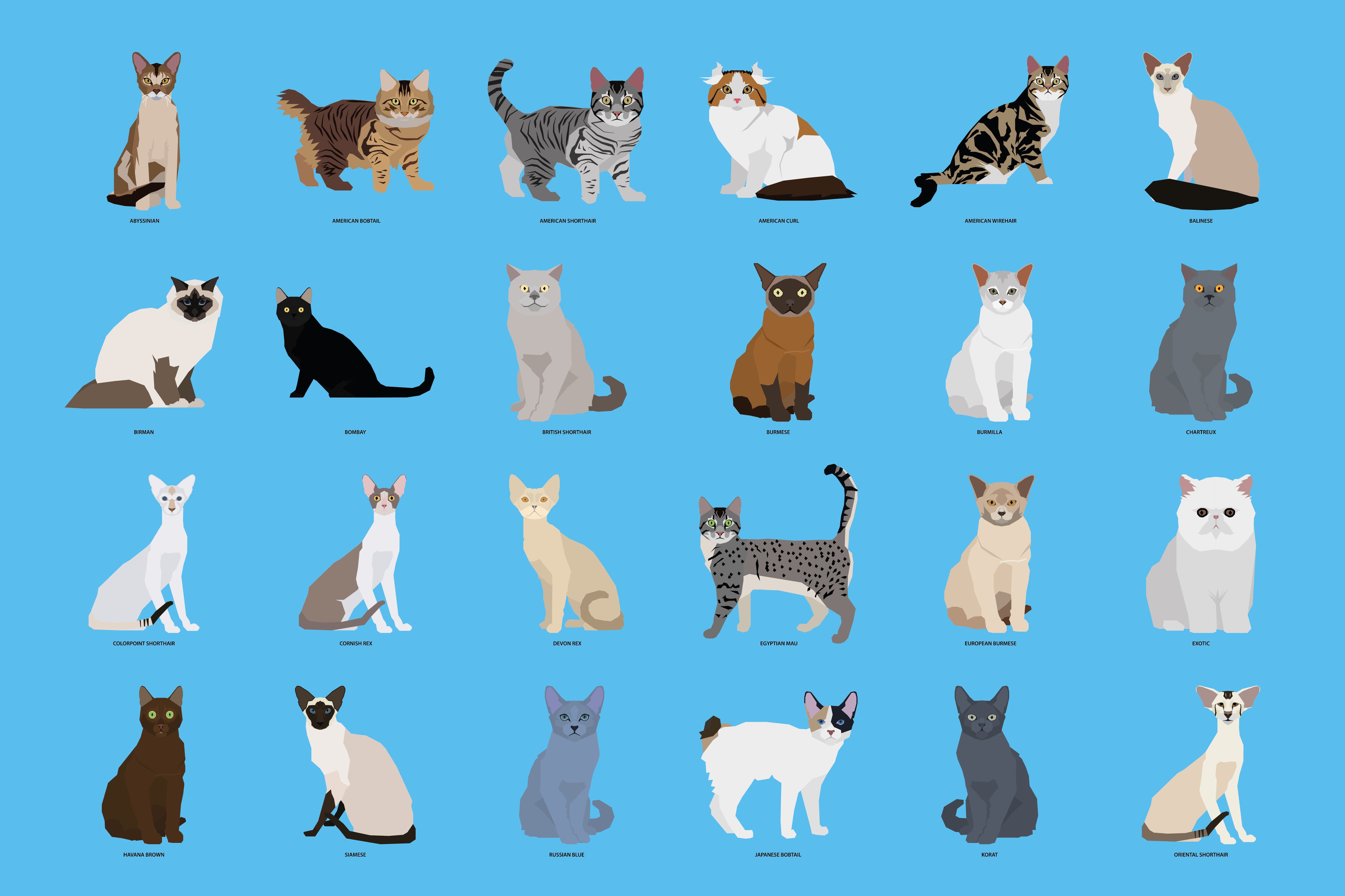
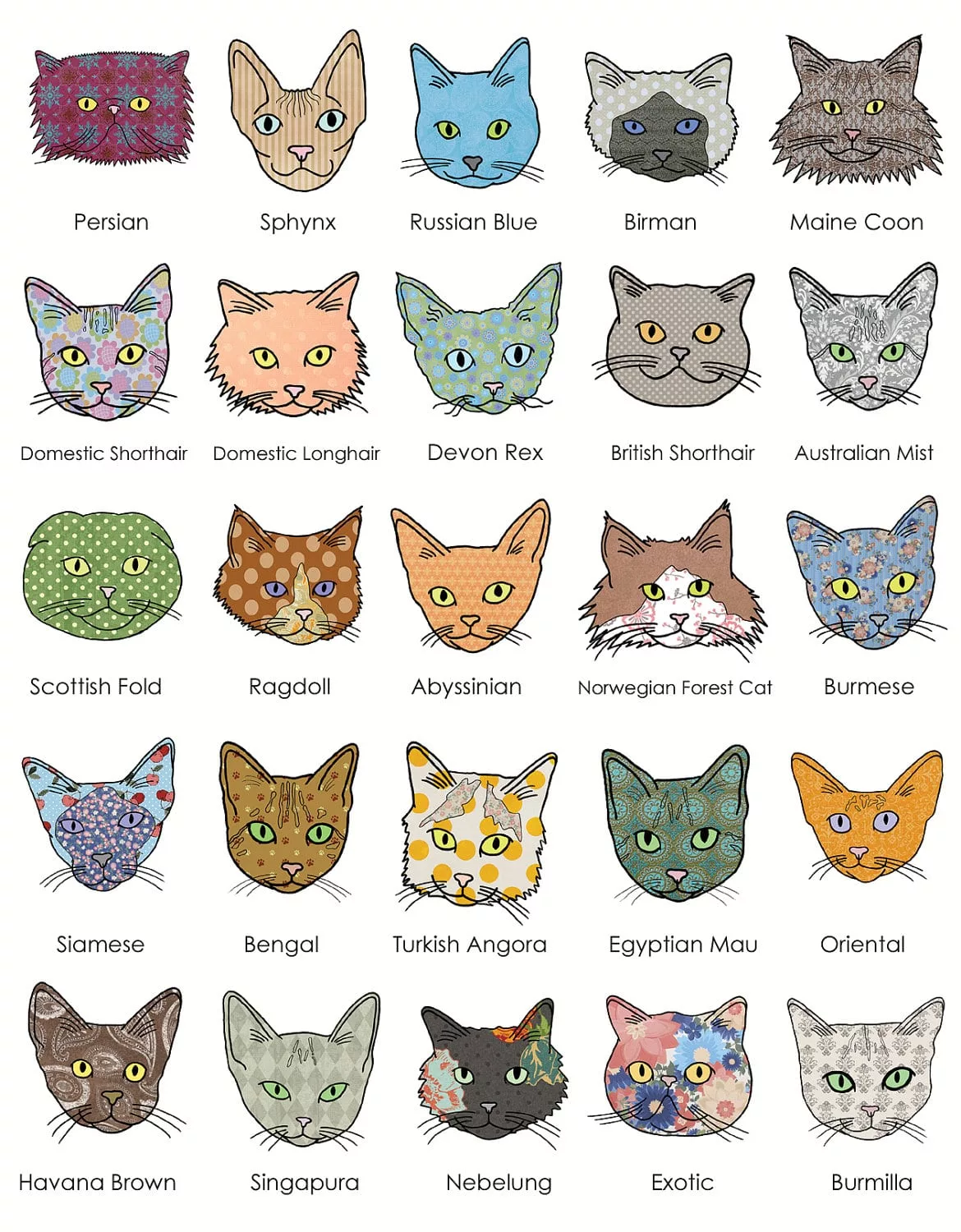
Key traits help identify different cat breeds. Each breed has unique features. These features include coat, body shape, eyes, and ears. Knowing these traits makes it easier to tell breeds apart. It also helps understand their personality and care needs.
Coat Patterns And Colors
Cat coats come in many colors and patterns. Some breeds have solid coats, while others have stripes or spots. The Bengal cat often shows a spotted or marbled coat. Siamese cats have lighter bodies with darker faces, ears, paws, and tails. Coat length also varies. Persian cats have long, thick fur. Scottish Folds have short, dense coats.
Body Shape And Size
Body shape and size differ widely among breeds. Maine Coons are large and muscular. Their bodies are long and strong. Russian Blue cats are medium-sized with slender builds. Some cats have compact bodies, like the British Shorthair. Others, like the Sphynx, are lean and angular. Watch for the size and shape to spot breed differences.
Eye Shape And Color
Eyes vary in shape and color. Some cats have round eyes, others almond-shaped. Persian cats have large, round eyes. Siamese cats have narrow, almond-shaped eyes. Eye color can be green, blue, gold, or copper. Some breeds, like the Turkish Van, have odd-colored eyes. Eyes give clues about the breed.
Ear Shape And Position
Ear shape and position also help identify breeds. Scottish Folds have ears that fold forward. Oriental Shorthairs have large, pointed ears set wide apart. Some breeds, like the American Curl, have ears that curl back. Ear size varies too. Larger ears often appear on breeds like the Abyssinian. Ears add to a cat’s unique look.
Credit: optimeal.com
Behavioral Clues In Cat Breeds
Behavior shows a lot about a cat’s breed. Each breed has unique habits and ways of acting. These differences help identify the breed beyond looks. Observing behavior reveals clues about a cat’s nature and breed traits. Below are key behavioral clues to watch for in different cat breeds.
Activity Levels
Some cats are very active and playful. Others prefer quiet and rest. Bengal cats, for example, love to run and jump a lot. Persian cats tend to be calm and less energetic. Activity level helps distinguish one breed from another easily.
Social Tendencies
Cats vary in how much they like people and other pets. Siamese cats are very social and seek attention often. Scottish Folds may be shy and prefer solitude. Watching a cat’s social habits shows breed traits and personality.
Vocalizations
Some breeds are talkative and use many sounds. Siamese cats are known for loud, frequent meows. Other breeds, like the Russian Blue, are quieter and speak less. The way a cat communicates can hint at its breed.
Play Styles
Play differs among breeds too. Some cats like chasing toys and climbing. Maine Coons enjoy interactive play and are very curious. Ragdolls prefer gentle play and cuddling. Noticing how a cat plays gives clues about its breed type.
Common Breed Groups
Cat breeds fall into several common groups. Each group has unique features. These features help you tell one breed from another. Understanding these groups makes it easier to identify cats.
Short-haired Breeds
Short-haired cats have sleek, smooth coats. Their fur lies close to the body. They need less grooming compared to long-haired cats. Popular short-haired breeds include the American Shorthair and Siamese. These cats often have strong, muscular bodies. Their coats come in many colors and patterns.
Long-haired Breeds
Long-haired cats have thick, flowing fur. Their coats require regular brushing to avoid mats. Breeds like the Persian and Maine Coon belong here. They have a soft, fluffy look. Long-haired cats tend to have larger, rounder eyes. Their fur can be straight, wavy, or curly.
Hairless And Unique Coats
Some cats have no fur or very little fur. Hairless breeds like the Sphynx show off their skin. Others have unusual coats, like the curly Devon Rex. These cats need special care for their skin and coat. Their appearance makes them stand out easily. They are a favorite for people who want something different.
Hybrid And Rare Breeds
Hybrid cats come from crossing domestic cats with wild species. The Bengal is a famous hybrid with leopard-like spots. Rare breeds include the Scottish Fold and Korat. These cats often have unique traits or colors. They are less common and may be harder to find. Their distinct features attract cat lovers worldwide.
Credit: cattree.uk
Using Physical Features For Identification
Cat breeds can look very similar. Physical features help identify each breed clearly. These features include the face, tail, paws, and whiskers. Observing these parts closely makes it easier to tell breeds apart. Each breed has unique traits in these areas.
Facial Structure
Facial shape differs widely among cat breeds. Some have round faces, like the British Shorthair. Others, like the Siamese, have long, narrow faces. Look at the nose length and eye shape too. These small details help in identification. The spacing between the eyes also varies by breed.
Tail Length And Shape
Tail size and form vary a lot. Maine Coons have long, bushy tails. Japanese Bobtails have short, stubby tails. Some tails are straight, while others curl or kink. Tail thickness also matters. Watch how the tail moves; it can hint at the breed.
Paw Size And Shape
Paws can be big or small depending on the breed. Norwegian Forest cats have large, strong paws. Persian cats have smaller, rounded paws. Claw visibility and toe length also differ. Paw shape affects how cats walk and jump.
Whisker Length
Whiskers vary in length and thickness. Some breeds have very long whiskers, like the Savannah. Others have shorter, finer whiskers. Whisker placement can be closer or wider apart. Whiskers help cats sense their surroundings, so their length is important.
Tools And Resources For Cat Identification
Identifying cat breeds can be tricky without the right tools. Various resources help you learn about breed traits and differences. These tools make cat identification easier and more accurate.
Breed Standards And Guides
Breed standards describe each breed’s appearance and traits. They include details about size, coat, color, and eye shape. Official guides from cat associations provide reliable information. Reading these guides helps spot breed-specific features quickly.
Mobile Apps And Online Databases
Apps and websites offer instant cat breed identification. Upload a photo to get breed suggestions based on patterns and features. Online databases list many breeds with pictures and descriptions. These digital tools are fast and user-friendly for beginners.
Consulting Veterinarians And Breeders
Veterinarians know cat breeds from their experience. They can help identify breeds during visits. Breeders specialize in specific breeds and can share detailed knowledge. Talking to experts provides accurate and practical breed insights.
Cat Shows And Exhibits
Cat shows display many breeds in one place. Observing these events helps learn breed differences firsthand. Experts and judges explain breed traits during shows. Visiting cat exhibits offers a hands-on way to see breed variety.
Common Misidentifications To Avoid
Knowing how to tell cat breeds apart can be tricky. Many people make common mistakes that lead to wrong guesses. Avoiding these errors helps you understand cats better. It also makes your cat conversations more accurate.
Below are some common misidentifications to avoid. They focus on breed confusion, mixed cats, and behavior clues.
Mixing Up Similar Breeds
Some cat breeds look very much alike. Siamese and Oriental Shorthairs share slender bodies and large ears. Maine Coons and Norwegian Forest cats both have long fur and big paws. It is easy to confuse these breeds by just seeing them. Look closely at coat patterns and face shapes. Small details help tell them apart.
Overlooking Mixed Breeds
Many cats are mixed breeds. They may show traits from several pure breeds. These cats often get mistaken for one single breed. Mixed breeds can have unique looks that do not fit breed standards. Remember, not all cats fit into one category. Enjoy the variety and charm mixed breeds bring.
Ignoring Behavioral Differences
Cat breeds often have different behaviors. Some are very social, others are shy. Bengal cats like to play and climb a lot. Persian cats tend to be calm and quiet. Watching how a cat acts can give clues about its breed. Behavior helps you learn more than just looks.

Credit: modkat.com
Frequently Asked Questions
How Can I Identify Common Cat Breeds By Appearance?
You can identify cat breeds by coat color, pattern, size, and eye shape. Each breed has distinct physical traits. Observing fur texture and ear shape also helps distinguish breeds accurately.
What Are Key Personality Traits Of Popular Cat Breeds?
Different cat breeds exhibit unique personalities. Siamese cats are vocal and social, while Persians are calm and affectionate. Knowing these traits helps identify breeds beyond looks.
Can Coat Patterns Help Differentiate Cat Breeds?
Yes, coat patterns like tabby, solid, or spotted are breed markers. For example, Bengals have spotted coats, while British Shorthairs often have solid colors. Patterns aid quick breed recognition.
Are There Specific Health Traits Linked To Certain Cat Breeds?
Some breeds have common health issues, like hip dysplasia in Maine Coons or breathing problems in Persians. Recognizing these traits helps identify breeds and care needs.
Conclusion
Knowing how to tell cat breeds helps you understand your pet better. Each breed has unique traits and looks. Observing size, fur, and personality gives clues. This knowledge makes caring for cats easier and more fun. Remember, every cat is special beyond its breed.
Enjoy learning about these wonderful animals every day.