
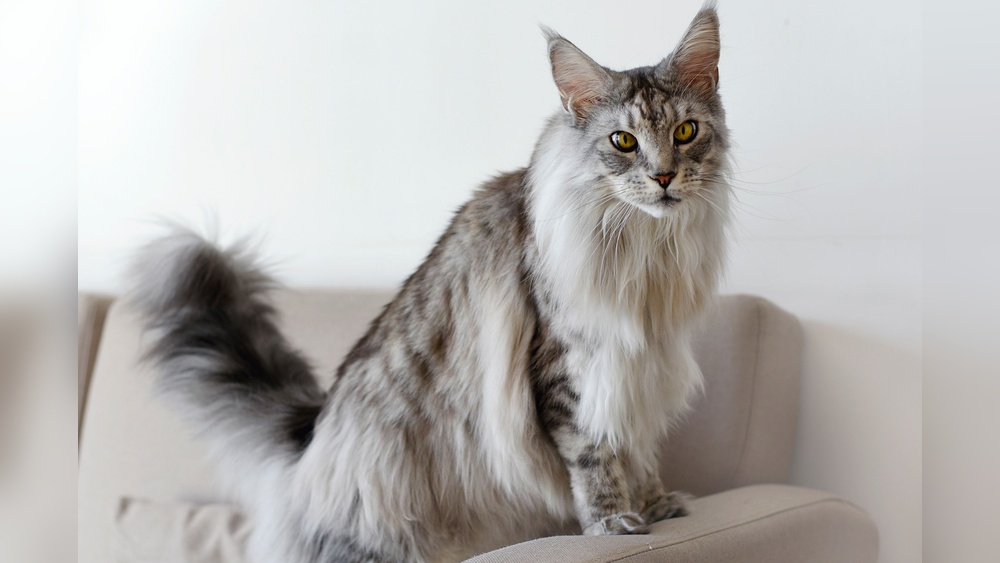
Have you ever wondered which cats are the biggest among their feline friends? If you’re curious about larger breeds of cats, you’re in the right place.
These majestic animals don’t just catch your eye—they capture your heart with their impressive size and gentle nature. Whether you’re thinking about adding a big cat to your family or just want to learn more, this guide will reveal everything you need to know.
Keep reading, and discover the fascinating world of larger cat breeds that might surprise you!

Credit: www.omlet.co.uk
Giant Cat Breeds
Giant cat breeds are known for their impressive size and gentle nature. These cats often weigh much more than average cats. They have strong bodies and thick fur, making them look even larger. Many people love these breeds for their calm and friendly personalities. They fit well in families and enjoy being around people.
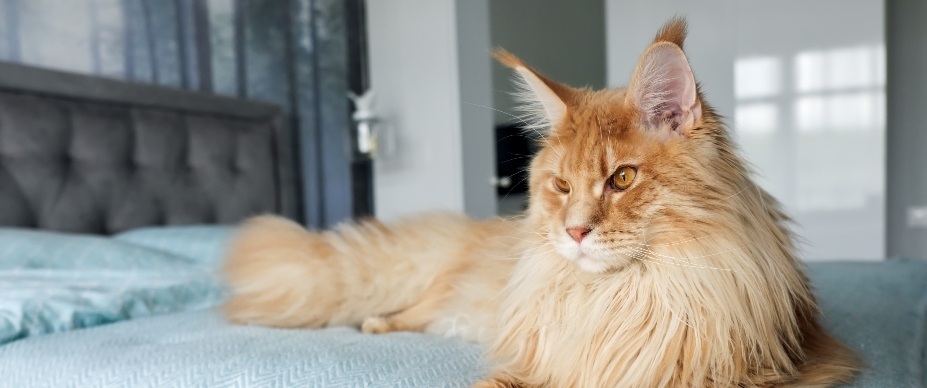
Maine Coon
The Maine Coon is one of the largest domestic cat breeds. It has a long, thick coat that keeps it warm. This breed often weighs between 13 and 18 pounds. Maine Coons are friendly and playful, making them great pets. Their tufted ears and bushy tails give them a wild look.
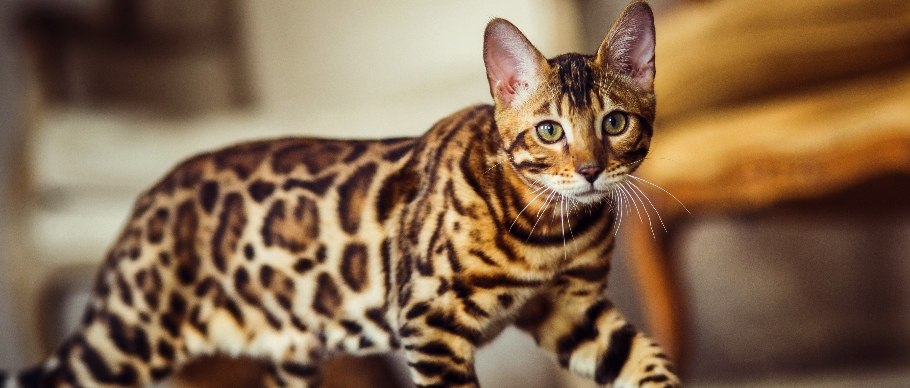
Savannah Cat
Savannah cats are tall and slim but very strong. They are a mix between domestic cats and servals, a wild African cat. Savannahs can weigh up to 20 pounds or more. They have spotted coats and large ears. These cats are very active and curious by nature.
Norwegian Forest Cat
This breed has a thick double coat to protect against cold. Norwegian Forest Cats are large and muscular, often weighing 12 to 16 pounds. They have almond-shaped eyes and a bushy tail. These cats are calm and love to climb and explore.
Ragdoll
Ragdolls are famous for their large size and soft, silky fur. They usually weigh between 10 and 20 pounds. This breed is very relaxed and enjoys being held. Ragdolls have bright blue eyes and gentle personalities. They are perfect for quiet homes.
Chausie
Chausies are a mix between domestic cats and wild jungle cats. They are tall and lean with strong muscles. This breed can weigh from 15 to 20 pounds. Chausies have short coats and big ears. They are energetic and need lots of playtime.
Physical Traits Of Large Cats
Large cat breeds have unique physical traits that set them apart. These cats often look powerful and majestic. Their size and build are impressive to see. Understanding these traits helps appreciate their beauty and strength.
Size And Weight
Large cats can weigh between 15 to 25 pounds or more. They are noticeably bigger than average house cats. Their length and height give them a strong presence. Some breeds grow longer bodies and thick tails.
Coat And Color
Their coats vary widely in color and pattern. Some have thick fur that keeps them warm. Common colors include brown, gray, white, and black. Patterns like spots, stripes, or solid colors add to their charm.
Build And Structure
These cats have muscular bodies and strong legs. Their broad chests and wide heads show power. Large paws help them move quietly and climb well. Their overall build is balanced and sturdy.
Personality And Temperament
Larger breeds of cats are not just about size. Their personality and temperament make them special. These cats often have gentle, calm, and friendly natures. They enjoy attention but also appreciate quiet moments. Understanding their behavior helps owners build a strong bond.
Social Behavior
Larger cats tend to be social and enjoy company. They like interacting with humans and other pets. Many of these breeds are affectionate and seek out attention. They often follow their owners around the house. Social play is important for their happiness.
Activity Levels
These cats usually have moderate activity levels. They enjoy playing but do not need constant exercise. Short bursts of energy followed by rest are common. They like toys, climbing, and exploring. Activity helps keep them healthy and happy.
Compatibility With Families
Larger cat breeds fit well in families with children. Their calm and patient nature makes them good companions. They handle noise and movement better than smaller breeds. These cats can adapt well to busy homes. They thrive in loving and caring environments.
Care Needs For Giant Cats
Giant cats need special care to stay healthy and happy. Their large size means they have different needs than smaller cats. Owners must pay close attention to diet, exercise, and health to give them the best life. Understanding these needs helps giant cats thrive in any home.
Diet And Nutrition
Giant cats require more calories than small cats. Their food must be rich in protein to support strong muscles. Feeding high-quality cat food is important for their growth and energy. Avoid overfeeding to prevent obesity, which strains their joints. Fresh water should always be available to keep them hydrated.
Exercise Requirements
Physical activity is crucial for giant cats to stay fit. They need daily playtime to build strength and avoid weight gain. Toys that encourage jumping and running work well. Short, frequent exercise sessions suit their energy levels. Exercise also helps reduce stress and keeps them mentally sharp.
Health Concerns
Larger cats face unique health risks like joint problems and heart issues. Regular vet visits help catch problems early. Watch for signs of discomfort or changes in behavior. Proper grooming prevents skin issues and keeps their coat healthy. Early care can improve their quality of life and longevity.
Choosing The Right Giant Cat
Choosing the right giant cat means more than picking a big pet. These cats need special care and space. Understanding your home, time, and budget helps you make a good choice. Giant cats are loving but need attention and room to roam.
Living Space Considerations
Large cats need plenty of space to move freely. Small apartments may feel crowded for them. They enjoy climbing and stretching, so vertical space helps. A safe outdoor area is a plus for exercise. Think about your home layout before adopting.
Time Commitment
Big cats need daily play and grooming. Their size means more fur to manage. Spend time playing to keep them happy and healthy. Social interaction helps prevent boredom and stress. Plan your schedule to include time for care.
Cost Factors
Giant cats eat more food than smaller cats. Veterinary care can be more expensive too. Larger litter boxes and toys add to costs. Prepare for regular grooming expenses. Budget carefully for long-term care and supplies.
Credit: www.fourpaws.com
Famous Giant Cats In Culture
Large cats have captured human imagination for centuries. Their size and grace make them stand out in stories and media. These famous giant cats appear in movies, online, and history. They show the charm and power of big feline breeds. Let’s explore some of these giant cats in culture.
Cats In Movies
Big cats often play strong roles on screen. Films like “The Lion King” show lions as symbols of courage and strength. Other movies feature large domestic cats, like Maine Coons, known for their size and beauty. These cats add drama and warmth to stories. Audiences love watching their majestic presence.
Internet Celebrity Cats
Some large cats become internet stars. Cats like Ludo, a Maine Coon, gained millions of fans online. Their size amazes viewers, and their playful nature charms them. Photos and videos of giant cats spread quickly. People enjoy seeing these gentle giants in everyday life.
Historical Giant Cats
History remembers giant cats in many cultures. Ancient Egypt worshipped lions and cats, symbolizing protection and power. Viking sagas mention large cats as fierce companions. These stories show respect and admiration for big cats. They often represented strength and mystery in old times.
Credit: www.fourpaws.com
Frequently Asked Questions
What Are The Biggest Cat Breeds In The World?
The biggest cat breeds include the Maine Coon, Savannah, and Norwegian Forest Cat. These cats are known for their large size and muscular build. They often weigh between 15 to 25 pounds or more. Their size makes them unique among domestic cats.
How Big Do Maine Coon Cats Grow?
Maine Coon cats can grow up to 40 inches in length, including their tail. They typically weigh between 13 to 18 pounds, with males being larger. Their size, combined with a thick fur coat, makes them one of the largest domestic cat breeds.
Which Large Cat Breed Is Best For Families?
Maine Coons and Ragdolls are ideal for families. They are gentle, friendly, and sociable despite their large size. These breeds adapt well to children and other pets, making them excellent family companions. Their calm nature adds to their appeal as pets.
Do Larger Cat Breeds Require Special Care?
Yes, larger breeds need more food and space to stay healthy. They benefit from regular grooming due to their thick fur. Exercise is important to maintain their muscle tone and prevent obesity. Proper vet care is essential for their well-being.
Conclusion
Larger cat breeds are gentle giants with big hearts. They bring joy with their size and sweet nature. These cats need space to roam and play. Their unique traits make them great companions. Knowing about these breeds helps you choose wisely.
Big cats can fit well in many homes. Each breed has its own charm and needs. Think carefully before bringing one home. Enjoy the company of these lovely large cats!