
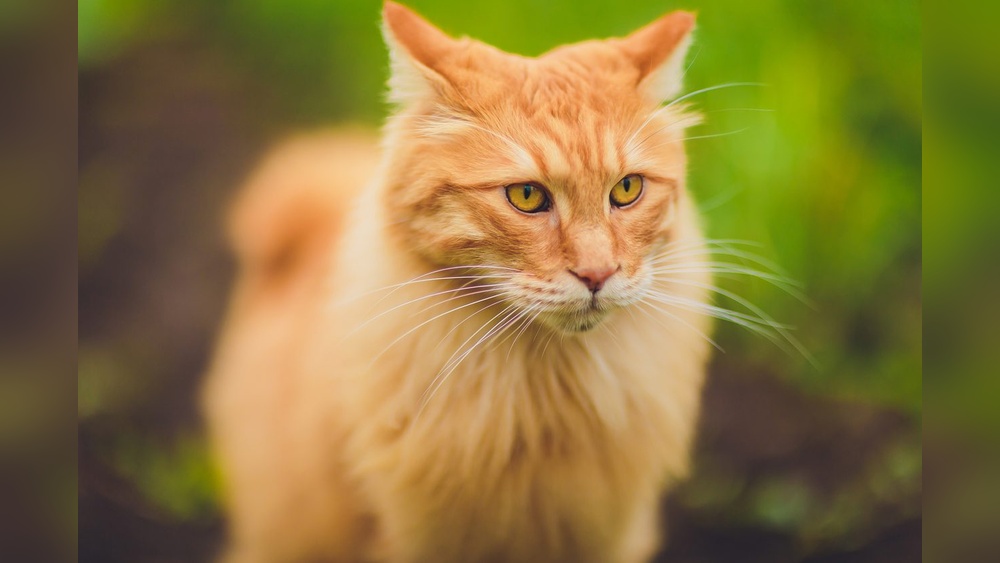
Are you worried that allergies might keep you from enjoying the warmth and joy of having a cat? You’re not alone.
Many people love cats but struggle with sneezing, itchy eyes, or worse when around them. The good news is, some cat breeds are known to be hypoallergenic, meaning they’re less likely to trigger your allergies. You’ll discover the best hypoallergenic cat breeds that could be the perfect match for your home and lifestyle.
Keep reading to find out which cats can bring you comfort and companionship without the sneezes.
Hypoallergenic Cats Explained
Many people love cats but suffer from allergies. Hypoallergenic cats can help reduce allergic reactions. These cats produce fewer allergens or shed less fur. Understanding what makes a cat hypoallergenic helps in choosing the right breed.
Not all cats cause the same allergies. Some breeds are better for sensitive people. Knowing common allergens in cats is important for allergy sufferers. It makes living with a pet easier and more comfortable.
What Makes A Cat Hypoallergenic
Hypoallergenic cats produce fewer allergy-causing proteins. They often shed less fur and dander. Less fur means fewer allergens spread around the home. Some breeds have different types of fur that trap allergens. These traits lower the chances of allergy attacks.
Hypoallergenic does not mean allergy-free. It means the cat causes fewer allergic reactions. People with mild allergies may feel better with these cats. Breeds like the Siberian and Balinese often show fewer allergens.
Common Allergens In Cats
Allergens come from proteins in cat saliva, skin, and urine. When cats groom, saliva dries on their fur and skin. These proteins spread into the air and on surfaces. People breathe them in or touch them, causing allergies.
The main allergen is called Fel d 1. It is found mostly in male cats. Female cats and some breeds produce less Fel d 1. Cleaning often and using air filters helps reduce allergens at home.
Top Hypoallergenic Cat Breeds
Many people with allergies want to enjoy the love of a cat. Some cat breeds produce fewer allergens. These breeds can reduce allergy symptoms. They offer a great option for sensitive cat lovers.
Here are some of the top hypoallergenic cat breeds. Each has unique traits and lower allergen levels. They are popular choices for allergy sufferers.
Siberian Cats
Siberian cats have thick, water-resistant coats. They shed less allergenic proteins than other breeds. These cats are friendly and playful. Their gentle nature makes them great family pets.
Balinese Cats
Balinese cats have silky, medium-length fur. They produce fewer allergenic proteins. This breed is social and intelligent. They enjoy human company and active playtime.
Devon Rex Cats
Devon Rex cats have short, curly fur. Their coat traps fewer allergens. They are lively and affectionate companions. Their unique look adds charm to any home.
Sphynx Cats
Sphynx cats are hairless, with soft skin. They do not shed fur or dander. These cats need regular baths to stay clean. Their outgoing personality makes them very loving pets.
Russian Blue Cats
Russian Blue cats have dense, short fur. Their coat reduces allergen spread in the air. They are quiet, gentle, and loyal. Their striking green eyes are a beautiful feature.
Cornish Rex Cats
Cornish Rex cats have soft, curly fur. Their coat sheds less dander. They are active and playful animals. This breed loves attention and interactive toys.
Oriental Shorthair Cats
Oriental Shorthair cats have sleek, short coats. They produce fewer allergens than many breeds. These cats are curious and vocal. They bond closely with their owners.
Choosing The Right Breed For Allergy Sufferers
Finding a cat breed that suits allergy sufferers is important. Allergies to cats cause sneezing, itching, and watery eyes. Some cat breeds produce fewer allergens, making them better choices for sensitive people. Picking the right breed can help reduce allergy symptoms and allow a happier pet experience.
Not all hypoallergenic cats are the same. Each breed has unique traits that affect allergen levels. Understanding these traits helps in choosing the best fit for your home and health.
Factors To Consider
Allergen production varies by breed. Some cats shed less dander, the main allergen source. Coat type and length also affect allergen spread. Cats with short or curly fur tend to release fewer allergens. Size and activity level matter too. Larger or very active cats might spread more allergens around.
Personality fits are important. A calm cat suits quiet homes. Active cats need space and playtime. Consider your lifestyle before choosing a breed. Allergy severity differs among individuals. Your sensitivity level guides the best breed choice.
How To Test Allergy Compatibility
Spend time with the cat breed before adopting. Visit breeders or shelters to meet cats in person. Notice any allergy symptoms such as sneezing or skin irritation. Use allergy medications as a test if needed. Keep a diary of symptoms after exposure.
Try short visits at first. Gradually increase time spent with the cat. This helps check if symptoms worsen or stay mild. Allergy testing by a doctor can also help. Skin or blood tests show specific cat allergens. Combine these steps for a clear allergy picture.
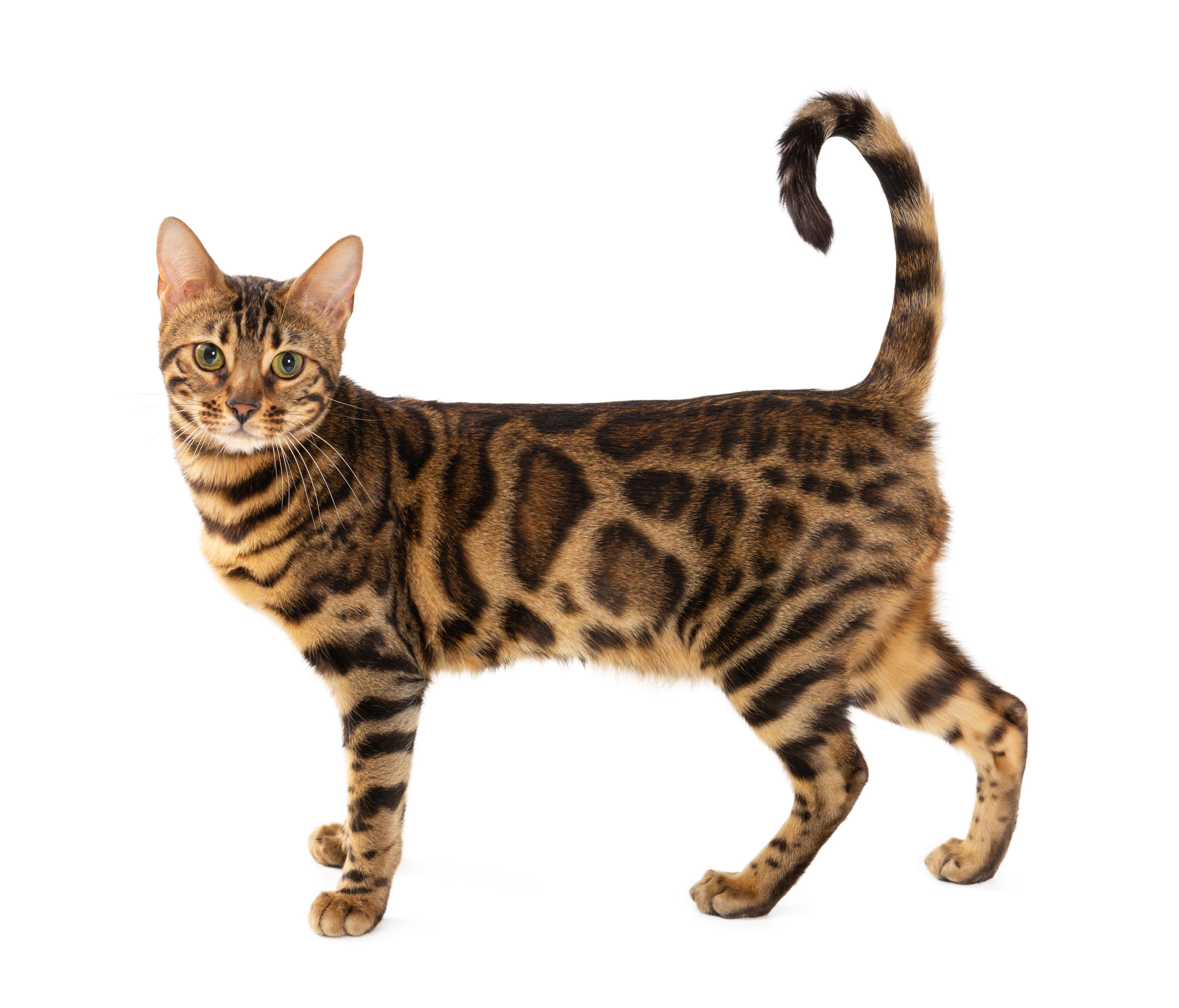
Credit: www.petfinder.com
Managing Cat Allergies At Home
Managing cat allergies at home helps create a safer and more comfortable space. Allergens can build up quickly in your living area. Taking small steps reduces these triggers effectively. The goal is to lower allergens without giving up your love for cats.
Cleaning Tips To Reduce Allergens
Regular cleaning removes cat dander and fur. Use a vacuum with a HEPA filter to trap tiny particles. Wash bedding, curtains, and cushions often in hot water. Wipe hard surfaces with a damp cloth to stop dust from spreading. Clean litter boxes daily to prevent odor and allergen buildup.
Using Air Purifiers And Filters
Air purifiers help remove allergens from the air. Choose models with HEPA filters for best results. Place purifiers in rooms where your cat spends time. Change filters regularly to keep them working well. Clean air reduces allergy symptoms and improves breathing.
Grooming Practices For Hypoallergenic Cats
Regular grooming lowers allergen levels on your cat. Brush your cat gently to remove loose fur and dander. Bathing your cat occasionally can also help, but use cat-safe shampoo. Clean your cat’s paws to reduce allergens brought indoors. These habits keep allergens under control and your cat happy.
Adopting Hypoallergenic Cats From Petfinder
Adopting a hypoallergenic cat can make pet ownership possible for allergy sufferers. Petfinder offers a wide range of cats that produce fewer allergens. These cats are easier to live with for people sensitive to cat dander. Finding the right hypoallergenic cat through Petfinder can be a smooth and rewarding process.
Searching For Allergy-friendly Cats
Use Petfinder’s filters to narrow down your search. Select traits like hypoallergenic or low-shedding breeds. Read each cat’s profile carefully for allergy-related information. Some breeds like Siberians, Balinese, and Sphynx often show up in these lists. Check photos and descriptions to see if the cat matches your preferences.
Questions To Ask Shelters And Rescues
Ask if the cat has a history of causing allergies. Request information about the cat’s grooming and shedding habits. Inquire about the cat’s temperament and how it adapts to new homes. Confirm if the shelter allows allergy testing visits. Knowing this helps reduce surprises after adoption.
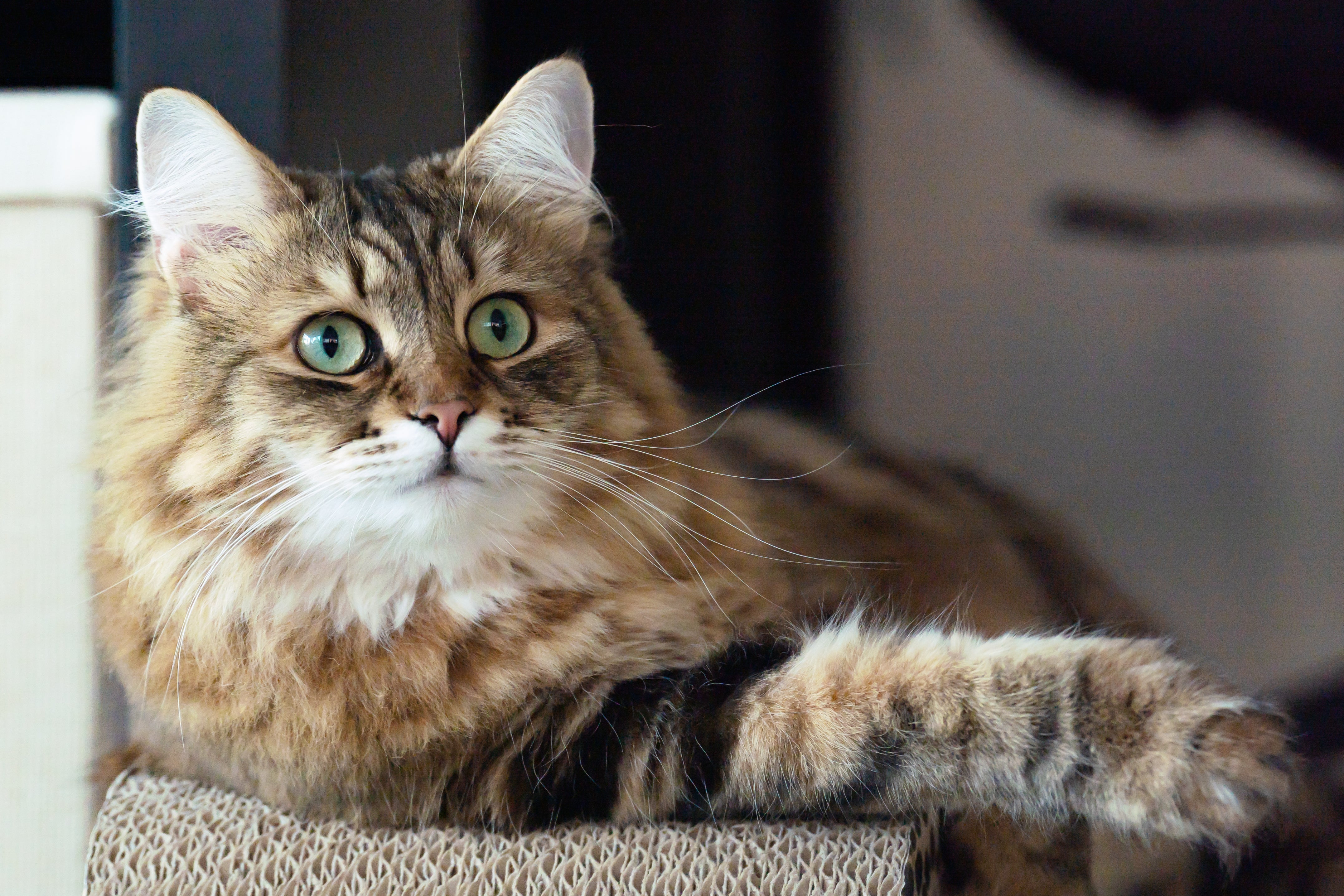
Credit: www.petfinder.com
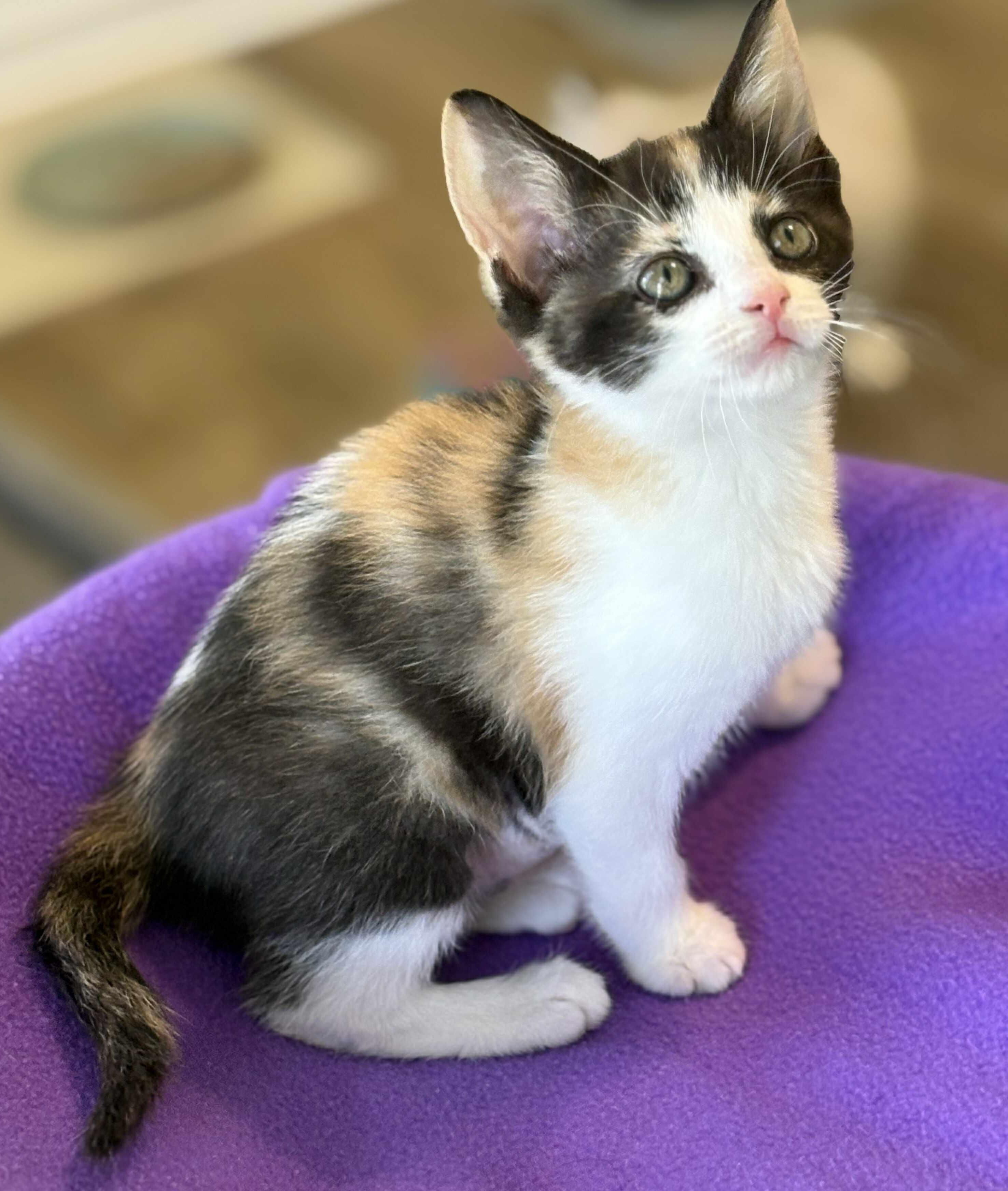
Credit: www.petfinder.com
Frequently Asked Questions
What Defines A Cat Breed As Hypoallergenic?
Hypoallergenic cats produce fewer allergens like Fel d 1 protein. These breeds shed less dander, reducing allergic reactions. However, no cat is completely allergen-free. People with allergies often tolerate hypoallergenic breeds better due to their lower allergen levels and minimal shedding.
Which Are The Top Hypoallergenic Cat Breeds?
Popular hypoallergenic breeds include the Siberian, Balinese, Sphynx, and Russian Blue. These cats have unique coats that limit dander release. Their allergy-friendly traits make them ideal for sensitive individuals seeking feline companionship without severe allergic symptoms.
Can Hypoallergenic Cats Still Trigger Allergies?
Yes, hypoallergenic cats can still cause mild allergies. Sensitivity varies by individual and cat. Regular grooming and cleaning help minimize allergens. Choosing hypoallergenic breeds reduces risks but does not guarantee zero allergic reactions.
How To Care For Hypoallergenic Cats Effectively?
Maintain regular grooming to reduce loose hair and dander. Clean living areas often to remove allergens. Use air purifiers and wash bedding weekly. Proper care lowers allergen buildup, improving comfort for allergy sufferers.
Conclusion
Choosing a hypoallergenic cat breed can help reduce allergy problems. These breeds shed less and produce fewer allergens. They make great pets for sensitive people. Remember, every person’s allergies react differently. Spend time with a cat before adopting. This ensures comfort and fewer allergy symptoms.
A happy home is possible with the right cat. Enjoy the love and joy a cat brings. Your perfect hypoallergenic companion is waiting.