
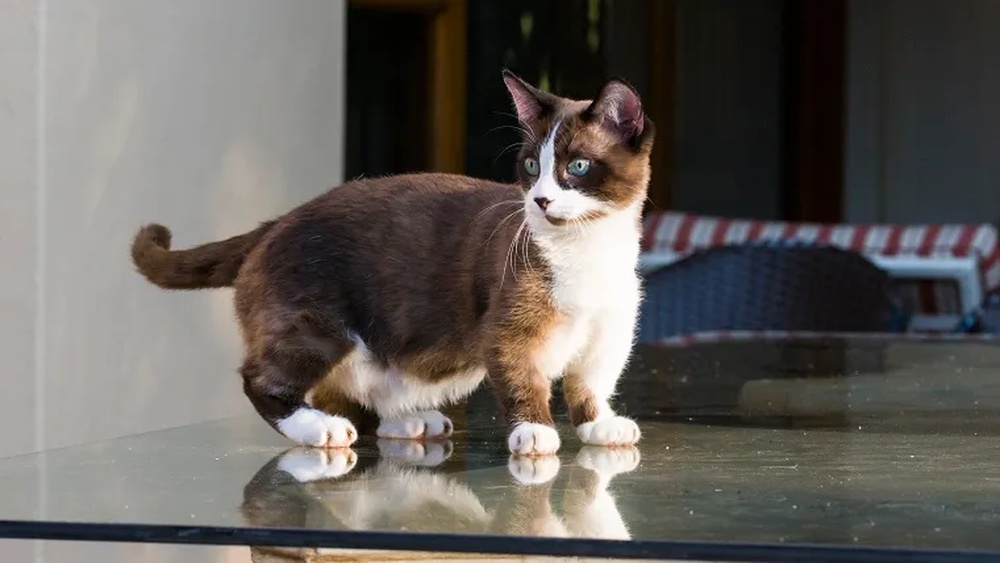
Have you ever wondered if breeding Munchkin cats is kind or cruel? These adorable cats with their tiny legs capture many hearts, but there’s more to their story than just cuteness.
You might be asking yourself—does their unique look come with hidden problems? Before you decide to welcome one into your home or support their breeding, it’s important to understand the truth behind their short stature. Keep reading, because what you learn here could change how you see these little cats forever.
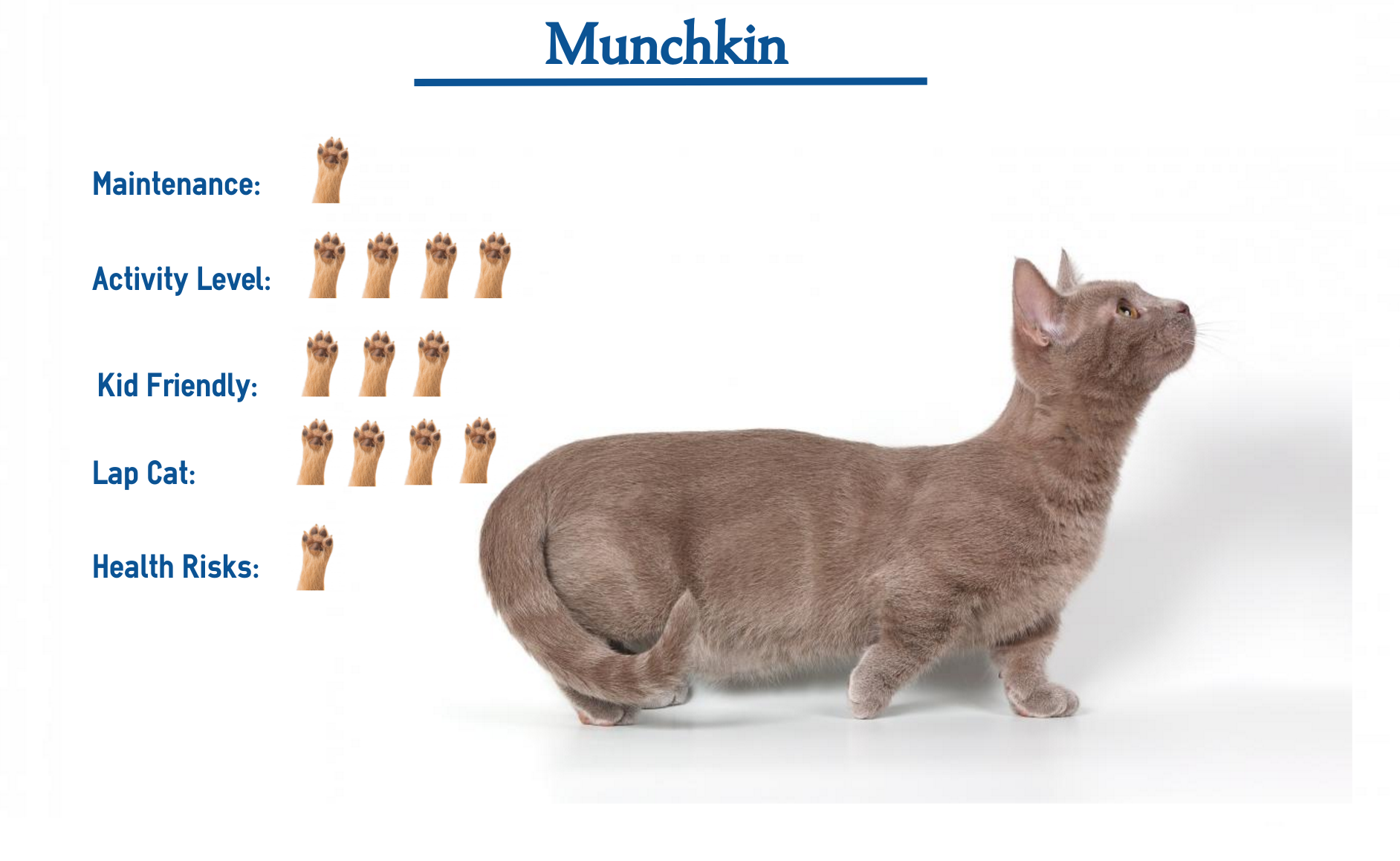
Credit: www.agendaurbanacatalunya.cat
Origins Of Munchkin Cats
Munchkin cats are known for their very short legs. This unique feature makes them stand out among other cat breeds. Their origins trace back to a natural genetic change. This change affects their bone growth. It is this mutation that gives them their signature short legs.
The breed has sparked much interest and debate. People often ask if breeding these cats is kind or cruel. To understand this, it helps to know where these cats come from and what makes them special.
Genetic Mutation Behind Short Legs
The short legs of Munchkin cats come from a genetic mutation called achondroplasia. This mutation affects the growth of long bones in the legs. It makes the legs much shorter than usual. Despite this, Munchkin cats move and play like other cats.
This mutation is dominant, meaning only one parent needs to pass it on. Breeders must be careful when mating Munchkin cats. Breeding two short-legged cats can cause health problems. Responsible breeding avoids these risks by pairing a Munchkin with a normal-legged cat.
History And Popularity
The first known Munchkin cat appeared in the 1990s in Louisiana, USA. A cat named “Munchkin” inspired the breed’s name. The breed quickly gained fans for its playful and friendly nature. It grew popular in cat shows and among pet lovers.
Today, Munchkin cats are recognized by many cat associations. Their unique look and lively personality attract many people. Still, some worry about the ethics of breeding them. Knowing the breed’s history helps understand these concerns better.
Physical Characteristics
The physical characteristics of Munchkin cats make them stand out from other breeds. Their most notable feature is their short legs, which give them a unique and adorable look. These short legs result from a genetic mutation. This mutation affects the bones in their legs but does not change the size of their bodies. They have a long body and a normal-sized head. Their fur can be short or long and comes in many colors and patterns.
Body Structure And Mobility
Munchkin cats have short, stubby legs. These legs change how they move. They can run and jump but not as high as other cats. Their short legs might limit their speed and agility. Despite this, many Munchkin cats are playful and active. Their bodies are strong to support their walking style. Some Munchkins may have trouble climbing or reaching high places. Owners might need to help them with stairs or furniture.
Common Health Issues
The gene causing short legs can bring health problems. Some Munchkin cats develop joint issues or arthritis early. Spinal problems are also a concern, especially if the body is long. These health risks come from their unusual bone structure. Not all Munchkin cats get sick, but many do face these challenges. Regular vet check-ups help catch problems early. Caring well for their joints and muscles is important.
Breeding Practices
Breeding practices play a big role in the health and well-being of Munchkin cats. These cats are known for their short legs, a trait caused by a genetic mutation. Breeders use specific methods to keep this feature consistent in the breed. Understanding these methods helps us see why some people think breeding Munchkin cats might be cruel.
It is important to look at how breeders select parent cats and manage the breeding process. Careful choices can reduce health problems. Poor practices, on the other hand, can cause suffering for the kittens and the mother cats.
Selective Breeding Methods
Selective breeding involves choosing cats with certain traits to mate. For Munchkin cats, breeders select those with short legs. This keeps the unique look of the breed. Breeders also try to maintain good health by avoiding cats with serious illnesses.
Some breeders use genetic tests to check for diseases. These tests help reduce the risk of passing problems to kittens. Still, the short legs trait itself can cause issues like joint pain or spine problems. Breeders must balance appearance with the cat’s health.
Ethical Concerns In Breeding
Ethical concerns arise because the short legs in Munchkin cats come from a genetic mutation. This mutation can cause physical difficulties. Some animal experts argue this makes breeding Munchkin cats unethical. They believe it can cause pain and limit the cat’s movement.
Others say responsible breeding can minimize harm. They stress the importance of good care and avoiding breeding cats with severe problems. Still, the debate continues because the breed’s defining trait may bring health risks. It is a complex issue with no easy answer.
Welfare And Quality Of Life
Welfare and quality of life are key concerns in breeding Munchkin cats. These cats have very short legs due to a genetic trait. This unique feature can affect how they live and move every day. Understanding these effects helps us judge if breeding them is kind or cruel.
Examining their daily life and health shows how this breed copes with its body shape. Careful attention to their well-being is needed to ensure they live happy and healthy lives.
Impact Of Short Legs On Daily Life
Short legs make some tasks harder for Munchkin cats. Jumping to high places can be difficult or impossible. Running fast may also be limited. They often use stairs or ramps instead of jumping.
These cats adapt by finding new ways to explore their home. They may be less active than other cats. This lower activity can affect their muscle strength and weight.
Owners need to watch their cats’ movement and comfort closely. Providing safe spaces and easy access is important. This helps Munchkin cats avoid injuries and stress.
Veterinary Perspectives
Veterinarians study Munchkin cats to understand health risks. Short legs can lead to joint problems and arthritis. These conditions cause pain and reduce mobility.
Regular check-ups help catch health issues early. Vets recommend special care for Munchkin cats. This includes controlled exercise and a healthy diet.
Some vets warn that breeding for short legs may increase health risks. They suggest careful breeding practices to reduce problems. The cat’s welfare should always come first.
Animal Rights And Legal Perspectives
Animal rights and legal views shape the debate about breeding Munchkin cats. These cats have short legs due to a genetic mutation. Some see this trait as cute. Others worry it can cause health problems. Laws and animal groups often focus on the cats’ welfare. Understanding these views helps people decide if breeding Munchkins is right or wrong.
Legislation Affecting Munchkin Breeding
Several places have rules about breeding cats with genetic mutations. Some countries ban breeding Munchkin cats. They want to stop health issues linked to short legs. Laws may require breeders to follow strict health checks. Other regions have no specific laws on Munchkins. These laws aim to protect animal health and prevent suffering.
Animal Welfare Organizations’ Stances
Many animal groups speak out against breeding Munchkin cats. They argue the cats face joint and bone problems. These groups ask breeders to avoid causing pain. Some call for a ban on breeding cats with harmful traits. They promote adopting cats without health risks. These organizations focus on the cats’ quality of life.
Alternatives To Munchkin Breeding
Choosing not to breed Munchkin cats opens many kind options. These alternatives help support cat welfare and avoid health risks linked to Munchkin breeding. They offer ways to enjoy cats without ethical worries.
Adopting Mixed Breed Cats
Mixed breed cats have unique looks and friendly natures. Shelters have many waiting for loving homes. Adoption saves lives and reduces stray populations. These cats often have fewer health problems than some purebreds. Giving a home to a mixed breed cat brings joy and helps animal welfare.
Supporting Ethical Breeders
Ethical breeders focus on cat health and well-being. They avoid breeding for extreme traits that cause harm. These breeders test for genetic issues and provide good care. Supporting them encourages responsible breeding practices. It ensures cats live healthy, happy lives without unnecessary pain.
Public Opinion And Misconceptions
Public opinion on breeding Munchkin cats varies widely. Many people worry about the ethics and health issues linked to these cats. Some see breeding them as harmful, while others believe it is safe and responsible. Misunderstandings spread quickly and shape the view of Munchkin cats. Clearing up these misconceptions helps people make informed choices.
Common Myths About Munchkin Cats
One myth is that all Munchkin cats suffer from severe health problems. This is not always true. Many Munchkin cats live healthy, happy lives without major issues. Another myth claims these cats cannot jump or play. Actually, Munchkin cats are playful and agile despite their short legs. Some believe breeding Munchkin cats is cruel by design. Breeders who follow ethical practices work hard to ensure cats’ wellbeing. Myths often come from lack of knowledge or bad experiences with irresponsible breeders.
Voices From Munchkin Cat Owners
Owners often share positive stories about their Munchkin cats. They describe pets that are loving, active, and full of personality. Many owners say their cats show no signs of pain or discomfort related to their legs. They highlight regular vet visits and proper care as keys to health. These voices provide real-life insights that challenge common fears. Hearing from owners helps balance the debate about breeding Munchkin cats.
Credit: kb.rspca.org.au
Credit: www.reddit.com
Frequently Asked Questions
Is Breeding Munchkin Cats Considered Cruel?
Breeding Munchkin cats is controversial due to their short legs. Some argue it causes health issues like arthritis. Responsible breeders focus on the cat’s welfare. Ethical breeding minimizes risks and avoids exaggerating traits for profit.
What Health Problems Do Munchkin Cats Face?
Munchkin cats can develop spinal and joint issues. Their short legs may lead to arthritis or mobility problems. Regular vet checkups help detect early signs. Proper care and selective breeding reduce health risks significantly.
Are Munchkin Cats’ Short Legs Harmful?
Short legs in Munchkin cats can cause mobility challenges. However, many live active, happy lives without pain. Ethical breeders avoid extreme leg shortening to prevent suffering. Monitoring their health ensures a better quality of life.
How Can Breeders Ensure Ethical Munchkin Cat Breeding?
Ethical breeders prioritize health and temperament over appearance. They perform health screenings and avoid breeding cats with severe deformities. Transparency with buyers about potential risks is crucial. This approach supports the cat’s welfare and longevity.
Conclusion
Breeding Munchkin cats raises important ethical questions. Short legs may cause health problems. Some believe it limits the cat’s natural movement. Others argue careful breeding can reduce risks. Always think about the cat’s well-being first. Choose breeders who prioritize health and care.
Responsible pet ownership matters most for happy cats. Understanding these facts helps you make the right choice. The debate will continue, but kindness must lead.