
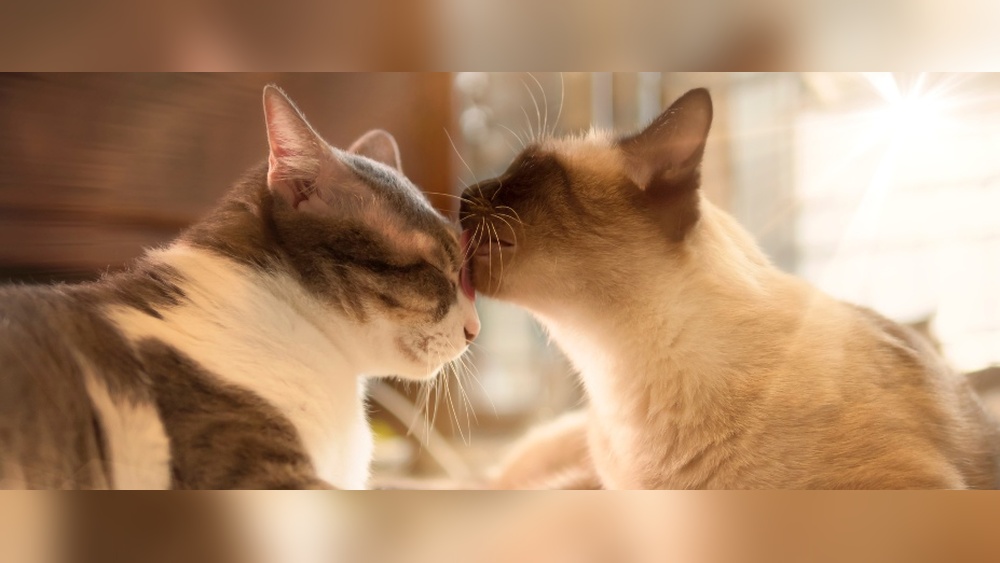
Have you ever watched cats gently licking each other and wondered if there’s more to it than just cleaning? When cats groom each other, it’s not just about staying neat.
This simple act can reveal a lot about how they feel and connect. If you want to understand your feline friends better and see what their grooming really means, keep reading. You’ll discover surprising signs of affection that might change the way you see your cats forever.
Why Cats Groom Themselves
Cats spend a lot of time grooming themselves. This behavior is natural and important. Grooming helps cats stay clean and healthy. It also keeps them feeling good inside. Understanding why cats groom themselves reveals much about their habits and needs.
Hygiene And Comfort
Cats groom to remove dirt and loose fur. Their tongues catch tiny particles on the skin. This keeps their coat soft and clean. Grooming also stops skin infections and parasites. A clean coat feels comfortable and smooth.
Temperature Regulation
Grooming helps cats control their body temperature. Wet fur cools the skin when it evaporates. Cats lick more during hot weather. This natural cooling keeps them from overheating. In cold weather, grooming fluffs fur for warmth.
Stress Relief
Grooming calms cats in stressful moments. The repetitive licking soothes their nerves. It helps lower anxiety and fear. Cats often groom after loud noises or changes. This self-care act restores their peace.
Credit: heartandpaw.com
What Is Allogrooming In Cats
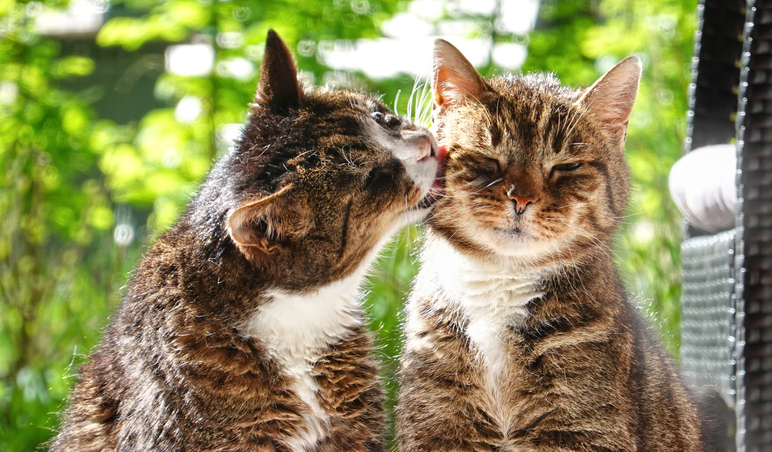
Allogrooming in cats means one cat cleaning another cat’s fur. This is more than just keeping clean. Cats use this behavior to connect with each other. It shows trust and care between cats in the same group. Understanding allogrooming helps us see how cats share feelings and build friendships.
Social Bonding Behavior
Cats groom each other to strengthen social ties. This action makes cats feel safe and calm. It is common among cats that live together. Allogrooming helps reduce stress and keeps peace in a cat group. It is a clear sign of friendship and affection.
Mutual Grooming Patterns
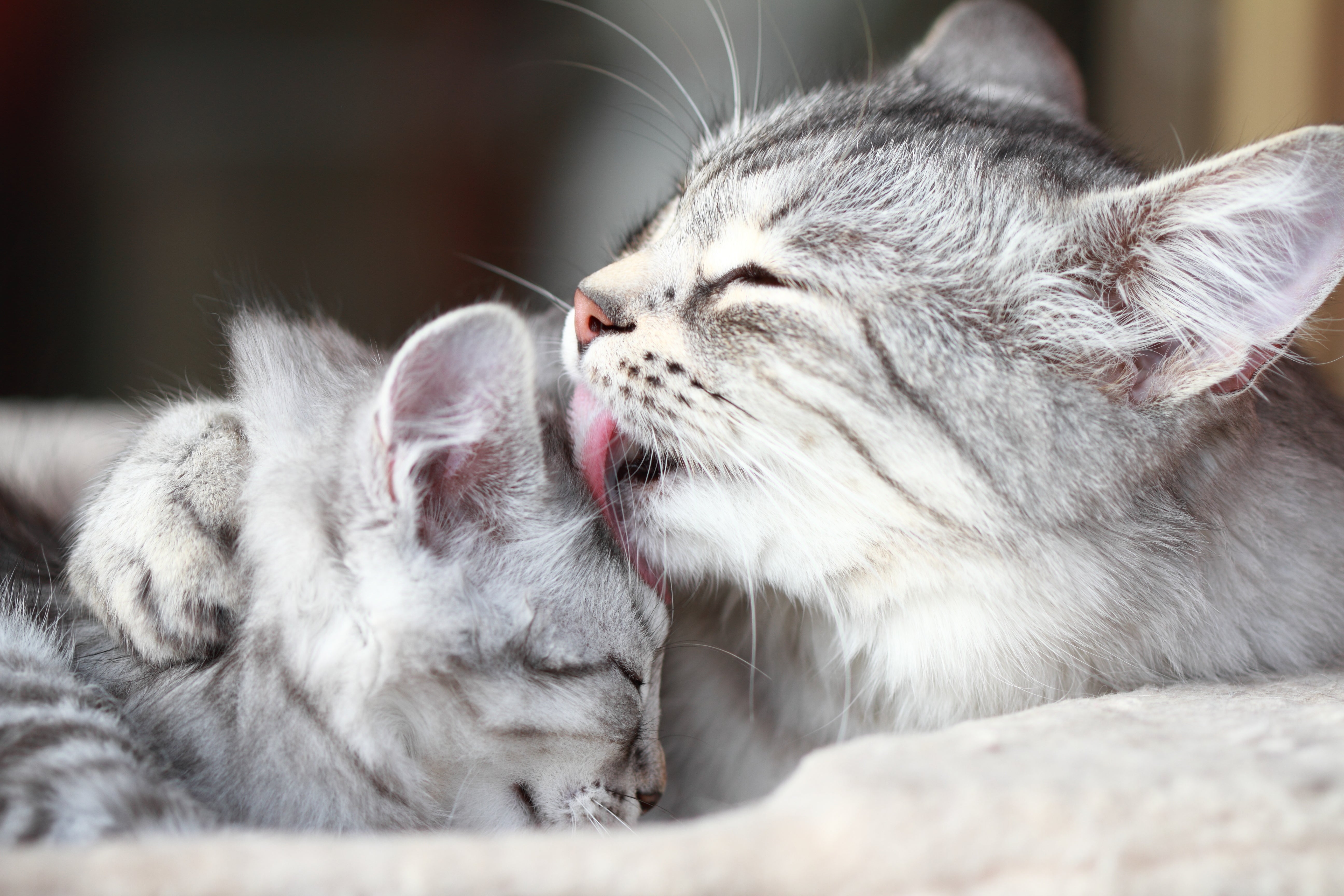
Usually, cats take turns grooming each other. They focus on areas hard to reach alone. The grooming is gentle and slow. Both cats relax during this time. This shared activity creates a strong bond between cats.
Common Grooming Targets
Cats mostly groom the head, neck, and ears of each other. These spots are tough to clean alone. They also lick the back and shoulders. Grooming these areas shows trust. It keeps cats clean and healthy while building their friendship.
Grooming As A Sign Of Affection
Cats often groom each other as a way to show love and care. This behavior is more than just cleaning. It helps cats build strong and lasting connections. Grooming shows they trust and feel safe with one another.
Watching two cats groom each other reveals their close bond. This act helps keep peace and friendship in their group. It shows kindness and respect between cats.
Building Trust Among Cats
Grooming helps cats trust each other deeply. They feel calm and secure while being groomed. This trust grows over time with regular grooming sessions. It makes their relationship stronger and safer.
Strengthening Social Bonds
When cats groom, they create social ties. These ties help them live well together. Grooming stops fights and reduces stress. Cats that groom often stay close and support each other.
Expressing Care And Friendship
Grooming is a way cats show they care. It is a simple way to say, “You are important to me.” This action builds friendship and warmth. Cats use grooming to keep their friends happy and healthy.

Credit: michu.com.au
Other Reasons Cats Groom Each Other
Cats groom each other for many reasons beyond affection. This behavior helps maintain peace and order in their social groups. It also serves practical purposes, like marking territory. Understanding these reasons gives insight into cat behavior.
Establishing Social Hierarchy
Grooming helps cats show who is in charge. Higher-ranking cats often groom lower-ranking ones. This act confirms social roles without fights. It keeps group harmony and respect clear.
Reducing Tension And Conflict
Grooming calms cats and lowers stress. It helps avoid fights in tight spaces. Cats use grooming to soothe each other. This makes living together easier and safer.
Marking Territory
Cats have scent glands in their skin. Grooming spreads their unique smell on others. This marks the group as a unit. It signals to outsiders that the area is claimed.
How To Interpret Grooming Behavior
Understanding how cats groom each other helps reveal their feelings. Grooming is more than cleaning fur. It shows trust, care, and social bonds. Watching closely can tell you if your cats are happy and friendly. Small details in grooming behavior matter. They show how cats connect and communicate.
Frequency And Duration
How often cats groom each other tells a lot. Frequent grooming means strong affection and trust. Short, quick sessions might show mild interest or politeness. Long grooming times often mean deep bonding and comfort. Notice if grooming happens daily or only sometimes. Regular grooming is a sign of a good relationship.
Body Language Cues
Look at the cats’ body language during grooming. Relaxed ears and soft eyes show comfort. Tail movements that are slow or still mean calmness. If cats purr or knead with paws, they feel safe. Stiff bodies or growling mean stress or dislike. Happy grooming looks gentle and peaceful.
Context Of Grooming Sessions
Where and when cats groom each other matters. Grooming after play or rest shows care and bonding. Grooming in safe spaces means trust between cats. If grooming happens during tense moments, it may calm nerves. Observing the situation helps understand the true meaning of grooming.
When Grooming Indicates Stress Or Illness
Cats usually groom each other to show love and trust. But grooming can also signal problems. Changes in grooming habits may mean stress or illness. Watching your cat’s grooming helps spot these issues early.
Over-grooming Signs
Too much grooming is a warning sign. Cats may lick or bite their fur until it thins or falls out. This behavior can cause red or sore skin. Over-grooming often shows anxiety or pain. It needs attention from a vet.
Neglect In Grooming
Cats stop grooming when they feel unwell. Their fur looks dirty, matted, or oily. A sick cat may avoid cleaning itself. Neglecting grooming can mean illness or depression. It is important to watch for this change.
Behavioral Changes
Grooming changes often come with other signs. Cats may hide, eat less, or be less active. They might become more aggressive or withdrawn. These behaviors often point to stress or health problems. Acting fast can help your cat feel better.
Tips To Encourage Healthy Grooming
Encouraging healthy grooming between cats helps build their bond. Grooming is more than cleaning; it shows trust and care. You can support this natural behavior with simple steps. These tips help cats feel safe and happy with each other.
Healthy grooming reduces stress and prevents fights. It also keeps their coats clean and skin healthy. Follow these easy ideas to promote good grooming habits in your cats.
Creating A Comfortable Environment
Provide quiet and calm spaces for your cats. Avoid loud noises or sudden changes nearby. Soft bedding and safe hiding spots help cats relax. A peaceful place encourages grooming and closeness.
Introducing Cats Gradually
Let cats meet slowly over several days. Use separate rooms at first. Swap their bedding to share scents. Short, supervised visits build trust. Gradual introduction lowers fear and increases grooming chances.
Monitoring Social Interactions
Watch how cats behave around each other. Look for signs of stress or aggression. Step in gently if tensions rise. Praise gentle grooming and calm play. Regular checks keep grooming safe and positive.
Credit: www.catsessentials.com
Frequently Asked Questions
Do Cats Groom Each Other To Show Affection?
Yes, cats groom each other as a sign of affection. This behavior strengthens their social bond and builds trust. Mutual grooming also helps keep their fur clean and reduces stress.
Why Do Cats Lick Each Other’s Fur?
Cats lick each other to share scent and reinforce social connections. It creates a sense of safety and comfort among them. Licking also helps remove dirt and loose fur.
Is Mutual Grooming Common Among All Cats?
Mutual grooming is common in cats that share a close bond. It usually happens between family members or friends. Stray or solitary cats groom less often.
Can Grooming Behavior Indicate A Cat’s Mood?
Yes, grooming shows contentment and relaxation in cats. When cats groom each other, it signals friendliness and calmness. Lack of grooming can indicate stress or illness.
Conclusion
Cats grooming each other shows they care and trust one another. This behavior helps build strong bonds between cats. It also keeps their fur clean and healthy. Watching cats groom can teach us about their feelings and friendships. Next time you see cats grooming, remember it means love and connection.
Understanding this helps us appreciate our pets more every day.