

Have you ever wondered just how many different breeds of cats and dogs exist? Whether you’re thinking about adding a furry friend to your home or you’re simply curious, knowing the variety out there can open your eyes to amazing possibilities.
From tiny, playful pups to majestic, graceful cats, each breed has its own unique traits that might match your lifestyle perfectly. Keep reading, and you’ll discover fascinating facts that could help you find your ideal companion or impress your friends with your pet knowledge.
Your next favorite breed might be just a few paragraphs away!

Credit: www.vecteezy.com
Cat Breeds Around The World
Cats come in many shapes and sizes across the world. Each breed has unique traits that make it special. Some are common pets, while others are rare and less known. Understanding cat breeds helps us appreciate their diversity. It also guides people in choosing the right companion for their home.
Popular Cat Breeds
Many cats are loved worldwide for their friendly nature and looks. The Siamese cat is famous for its striking blue eyes and vocal personality. The Persian cat has a long, fluffy coat and a calm temperament. The Maine Coon is large and gentle, known for its thick fur and tufted ears. These breeds are popular choices for families and cat lovers everywhere.
Rare And Exotic Cats
Some cats are rare and have unique features. The Sphynx cat has no fur but feels warm and soft to touch. The Bengal cat looks wild with spots like a leopard but is friendly and playful. The Scottish Fold is known for its folded ears, giving it a cute, owl-like face. These breeds are less common and often sought after by collectors and enthusiasts.
Cat Breed Classifications
Cats are classified by their physical traits and origins. Some breeds fall under short-haired, long-haired, or hairless categories. Other groups include natural breeds, which developed without human interference. Hybrid breeds come from crossing two different breeds. Classification helps breeders and owners understand care needs and behavior better.
Dog Breeds Overview
Dogs come in many shapes, sizes, and personalities. They have been bred for different jobs and lifestyles. Understanding dog breeds helps people choose the right pet for their home. The variety of dog breeds shows how diverse and special dogs really are.
Most Common Dog Breeds
Popular dog breeds include the Labrador Retriever, German Shepherd, and Golden Retriever. These dogs are loved for their friendly nature and loyalty. They fit well in families and adapt to many environments. Their easy care and good behavior make them top choices worldwide.
Unique And Rare Dog Breeds
Some dog breeds are rare and less known. Examples include the Norwegian Lundehund and the Azawakh. These dogs have special traits and histories. People who want a unique pet often choose these breeds. They need special care and attention to stay healthy.
Grouping Dog Breeds By Purpose
Dog breeds are often grouped by their original jobs. Herding dogs like Border Collies help manage livestock. Sporting breeds such as Spaniels assist in hunting. Working dogs like Boxers guard homes or pull loads. Each group has special skills and traits for their tasks.
Breed Recognition And Standards
Breed recognition and standards play a key role in defining cat and dog breeds. They help keep breed traits consistent and clear. These standards guide breeders and owners about what each breed should look and behave like. This helps protect the unique features of each breed over time.
Official organizations set these standards. They study breed history, appearance, and behavior. Their work ensures breeds stay true to their origins. These groups also decide which breeds get official recognition. This recognition is important for shows and breeding programs.
Major Cat Breed Registries
Several organizations register and recognize cat breeds. The Cat Fanciers’ Association (CFA) is one of the largest. It recognizes over 40 breeds worldwide. Another key group is The International Cat Association (TICA). TICA registers more than 70 breeds. The Governing Council of the Cat Fancy (GCCF) in the UK also plays a big role. Each registry has its own set of breed standards and rules.
Leading Dog Breed Organizations
The American Kennel Club (AKC) is a top dog breed organization. It recognizes about 200 dog breeds. The United Kennel Club (UKC) also registers many breeds. The Fédération Cynologique Internationale (FCI) is the largest international group. It recognizes around 350 breeds worldwide. These organizations help maintain breed quality and offer official competitions.
Criteria For Breed Recognition
Breed recognition depends on clear and stable traits. These include physical features like size, coat, and color. Temperament and behavior also matter. The breed must breed true, meaning puppies or kittens show the same traits. A breed should have a documented history and a group of related animals. Meeting these criteria helps organizations decide if a breed is official.
Factors Influencing Breed Diversity
Breed diversity in cats and dogs depends on many factors. These factors shape how breeds form and change over time. Understanding them helps explain why there are so many unique types of pets worldwide.
Geographic Influence On Breeds
Different regions have different climates and environments. Animals adapt to these conditions. This leads to unique breeds suited to local needs. For example, huskies thrive in cold areas. Desert dogs often have short coats. Geography also limits which animals can travel and breed with others.
Historical Development Of Breeds
History plays a big role in breed diversity. People have bred animals for specific jobs like hunting or guarding. Old traditions and cultures influenced which traits were valued. Wars, trade, and migration spread breeds across continents. Over centuries, these factors created many distinct breeds.
Role Of Selective Breeding
Selective breeding is when humans choose animals with certain traits to reproduce. This helps fix specific characteristics in breeds. Traits like size, color, and behavior get passed down. Breeders aim to enhance qualities that meet human needs or preferences. This practice greatly increases the variety of breeds we see today.
Counting Breeds: Challenges And Variations
Counting the number of cat and dog breeds is not simple. Different groups count breeds in different ways. This causes confusion about the exact number of breeds.
New breeds keep appearing. Crossbreeds and hybrids also add to the variety. This makes the count change often.
Differences In Registry Counts
Each breed registry has its own list of breeds. Some registries accept more breeds than others. For example, the American Kennel Club lists fewer dog breeds than the Fédération Cynologique Internationale.
Cat breed registries also differ in their counts. Some recognize only established breeds. Others accept newer or rare breeds too.
Crossbreeds And Hybrid Varieties
Crossbreeds come from mixing two different breeds. They are popular but not always officially counted. Hybrid varieties are crosses between wild and domestic animals. These hybrids create new challenges for breed counting.
Some registries recognize certain crossbreeds. Others do not. This adds to the confusion about total breed numbers.
Impact Of New Breed Developments
New breeds develop through selective breeding. Breeders focus on traits like color, size, or behavior. This leads to new, distinct breeds over time.
New breeds may take years to gain official recognition. Until then, they may not appear in breed counts. This keeps breed totals changing frequently.

Credit: www.goodhousekeeping.com
Choosing The Right Breed
Choosing the right breed of cat or dog is an important step for any pet owner. Each breed has unique needs and traits. These differences affect how well a pet fits into your daily life. Understanding these traits helps you pick a pet that matches your home and habits. This makes life better for both you and your new companion.
Matching Lifestyle With Breed Traits
Some breeds need lots of space and exercise. Others do well in small apartments. Active people often prefer energetic breeds. Quiet, calm breeds suit those with a relaxed lifestyle. Think about your daily routine and living space. Choose a breed that fits your activity level and environment.
Health And Maintenance Considerations
Different breeds have different health needs. Some require frequent grooming. Others may need special diets or vet visits. Research common health issues in the breed you like. Consider your ability to provide the care needed. Proper care keeps pets happy and healthy for years.
Temperament And Activity Levels
Temperament varies widely between breeds. Some dogs and cats are very social and playful. Others prefer quiet and alone time. Active pets need plenty of play and exercise. Calm pets enjoy resting and gentle activities. Match the breed’s personality to your own and your family’s.
Credit: www.mainecooncentral.com
Frequently Asked Questions
How Many Cat Breeds Exist Worldwide?
There are about 70 recognized cat breeds globally. Different cat associations may list slightly varying numbers. Popular organizations include CFA and FIFe.
How Many Dog Breeds Are Officially Recognized?
Over 340 dog breeds exist worldwide. The number varies by kennel clubs like AKC and FCI. Each club recognizes different breeds.
What Factors Define A Cat Breed?
Cat breeds are defined by appearance, genetics, and behavior. Breed standards include coat type, color, and personality traits. Breeders follow these guidelines for classification.
Are New Dog Breeds Still Being Developed?
Yes, new dog breeds emerge through selective breeding. Breeders focus on unique traits, health, and temperament. Recognition by official bodies may take years.
Conclusion
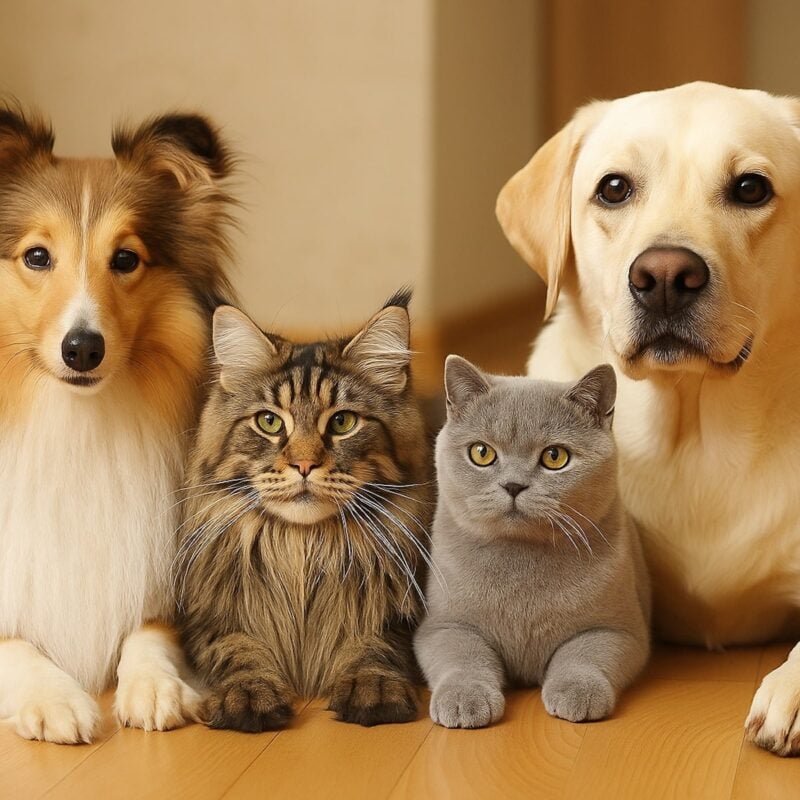
Cats and dogs come in many different breeds worldwide. Each breed has its own unique traits and charm. Knowing the variety helps you appreciate their diversity. Whether you love big dogs or small cats, there is a breed for everyone.
Exploring breeds can be fun and interesting. This knowledge can guide you in choosing the right pet. In the end, every breed deserves care and love. Pets bring joy, no matter their breed or size.