

Have you ever wondered if breeding Munchkin cats is cruel? These adorable little cats with their short legs might seem cute, but there’s more beneath the surface.
You might be surprised to learn about the challenges and controversies surrounding their breeding. If you care about animal welfare and want to make informed choices, this article will open your eyes to what’s really happening. Keep reading to discover the truth behind Munchkin cat breeding and what it means for these tiny felines.
Munchkin Cat Origins
The Munchkin cat is known for its short legs and playful nature. This unique look makes many people wonder about the breed’s beginnings. Understanding where Munchkin cats come from helps explain their traits and challenges.
The breed has sparked debate about animal welfare and ethics. To grasp this fully, we need to explore its history and genetics.
History Of The Breed
Munchkin cats first appeared in the early 1990s. A cat named “Blackberry” was found with naturally short legs. Breeders saw potential and began breeding these cats carefully.
The breed gained popularity quickly due to its distinct look. It became recognized by some cat organizations. But the short legs led to questions about health risks.
Genetic Basis Of Short Legs
The short legs of Munchkin cats come from a gene mutation. This mutation affects the bones in their legs, making them shorter than usual. It is a dominant gene, so just one copy causes short legs.
This gene is similar to one found in some dog breeds with short legs. It does not affect the cat’s overall size or body shape much. Still, the mutation can cause some physical challenges.
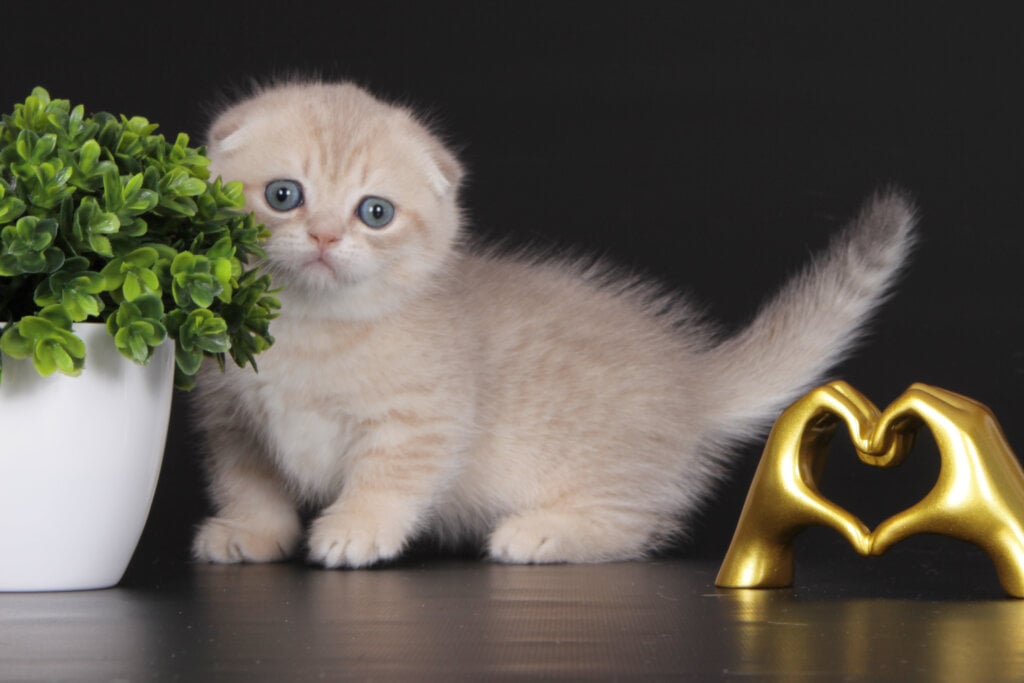
Credit: meowoff.us
Health Issues Linked To Breeding
Breeding Munchkin cats raises serious health concerns. These cats have unique short legs caused by genetic mutation. This mutation can lead to several health problems. Understanding these issues helps to know if breeding is cruel.
Some health problems are common in Munchkin cats due to selective breeding. The short legs affect their mobility and overall life quality. These factors affect the cat’s happiness and wellbeing.
Common Genetic Disorders
Munchkin cats often carry genetic disorders linked to their short legs. One common issue is osteochondrodysplasia. This disease affects bone and cartilage development. It can cause pain and deformities. Some cats develop arthritis early. Joint problems are frequent in these cats. These disorders reduce their comfort and movement.
Impact Of Short Legs On Mobility
The short legs limit Munchkin cats’ ability to jump and run. They may struggle to climb furniture or escape danger. This limitation can stress the cat. It may also lead to injuries from falls. Their unique body shape changes how they move. Limited mobility affects their play and exercise time.
Lifespan And Quality Of Life
Munchkin cats tend to have a normal lifespan. Yet, their health issues can lower life quality. Chronic pain from joint problems is common. Some cats need special care or medicine. Stress from limited movement can affect their mood. Quality of life depends on proper care and attention.
Ethical Concerns In Breeding
Breeding Munchkin cats raises many ethical questions. These cats have short legs due to a genetic mutation. This trait can lead to health problems. People worry about the impact of breeding on the cats’ lives and wellbeing.
Selective Breeding Practices
Selective breeding focuses on specific traits like short legs. Breeders may ignore other health issues to keep this trait. This can cause genetic problems to spread. It limits the cats’ natural diversity and strength.
Welfare Of Breeding Cats
Breeding cats need proper care and living conditions. Some breeders keep cats in small spaces. This harms their physical and mental health. Breeding for certain traits can cause pain or discomfort. The cats may face joint or spine issues from short legs.
Breeder Accountability
Good breeders follow strict health and ethical rules. They test cats for diseases and avoid harmful breeding. Some breeders do not take responsibility for their cats’ health. Lack of accountability leads to suffering in many cats. Buyers should choose breeders who put cat welfare first.

Credit: www.onegreenplanet.org
Arguments In Favor Of Breeding
Breeding Munchkin cats has sparked many opinions. Some people see value in continuing the breed. They highlight benefits that can come with careful breeding. Understanding these points helps balance the debate.
Supporters focus on the breed’s popularity, the chance for responsible breeding, and the positive traits of Munchkin cats. These factors shape the case in favor of breeding.
Breed Popularity And Demand
Munchkin cats attract many cat lovers worldwide. Their unique short legs make them stand out. This distinct look drives demand for the breed. Growing popularity means more homes want Munchkin cats. Meeting this demand can help avoid illegal or unsafe breeding.
Potential For Responsible Breeding
Responsible breeders aim to keep Munchkin cats healthy. They follow strict guidelines to reduce risks. Careful selection of breeding pairs can limit genetic issues. Good breeders also provide proper care and socialization. They focus on the cat’s well-being, not just appearance.
Positive Traits Of Munchkin Cats
Munchkin cats have charming personalities. They are playful, friendly, and loving pets. Their small size suits indoor living well. Many owners say Munchkins adapt easily to families and other pets. These traits make them great companions for many people.
Alternatives To Munchkin Breeding
Breeding Munchkin cats raises many concerns about animal welfare. Many people want to enjoy the charm of Munchkin cats but worry about the ethics of breeding them. There are several alternatives to support cat lovers and help cats without encouraging harmful breeding practices. These options focus on kindness and care for all cats, not just specific breeds.
Adopting Mixed-breed Cats
Adopting mixed-breed cats saves lives. These cats often wait in shelters for homes. Mixed-breed cats can have unique looks and loving personalities. They need families just as much as purebreds. Adoption reduces the demand for breeding and helps reduce stray populations.
Supporting Ethical Breeders
Ethical breeders care about cat health and well-being. They avoid breeding for extreme traits that cause health problems. These breeders perform health checks and provide good living conditions. Supporting them encourages responsible breeding practices. It helps keep cats healthy and happy.
Promoting Cat Welfare Organizations
Cat welfare groups protect cats from cruelty and neglect. They offer rescue, medical care, and rehoming services. Donating or volunteering helps these organizations grow stronger. Supporting them spreads awareness about humane cat care. It benefits all cats, including Munchkins.
Public Perception And Media Influence
Public opinion plays a big role in how people see Munchkin cats. Media and social platforms shape these views a lot. They spread stories, images, and ideas fast. These can be true or false. This affects how people feel about breeding these cats.
Portrayal In Social Media
Social media shows Munchkin cats as cute and fun pets. Many posts focus on their short legs and playful nature. This makes them popular and liked by many. Few posts talk about health problems linked to their breed. This creates a one-sided image for many viewers.
Impact On Breed Popularity
Photos and videos make Munchkin cats trendy. More people want these cats because they look unique. This causes a rise in breeding and sales. Some breeders may ignore health concerns to meet demand. Popularity can sometimes harm the cats instead of helping.
Misinformation And Myths
Wrong ideas about Munchkin cats spread easily online. Some say their short legs cause no pain or issues. Others believe all Munchkin cats have serious problems. Truth lies between these extremes. Clear and honest facts are rare in many posts.
Credit: cattime.com
Frequently Asked Questions
Is Breeding Munchkin Cats Harmful To Their Health?
Breeding Munchkin cats can cause health issues like spinal problems. Their short legs result from a genetic mutation. This mutation sometimes leads to arthritis and mobility difficulties. Responsible breeders screen for health risks to reduce potential harm.
Why Are Munchkin Cats Considered Controversial?
Munchkin cats are controversial due to ethical concerns. Their unique short legs raise questions about animal welfare. Critics argue breeding them can cause pain and discomfort. Supporters claim responsible breeding minimizes risks and maintains the breed’s health.
How Do Munchkin Cats’ Short Legs Affect Mobility?
Munchkin cats have shorter legs, impacting their movement. They may face challenges with jumping and climbing. However, many adapt well and live active lives. Regular vet checkups help monitor and maintain their mobility.
Are There Ethical Breeding Practices For Munchkin Cats?
Ethical breeders prioritize health, temperament, and genetic diversity. They avoid breeding cats with severe deformities or health issues. Health screenings and transparent practices improve welfare outcomes. Responsible breeding lessens the risk of cruelty associated with Munchkin cats.
Conclusion
Breeding Munchkin cats raises many important questions. These cats have unique short legs, but health risks exist. Breeders should always prioritize the cats’ well-being. Ethical breeding means avoiding pain and genetic problems. Buyers must research and choose responsible breeders carefully.
Loving homes and good care improve any cat’s life. Think about the animal’s health before supporting breeding. The welfare of the cats matters most in every choice.