
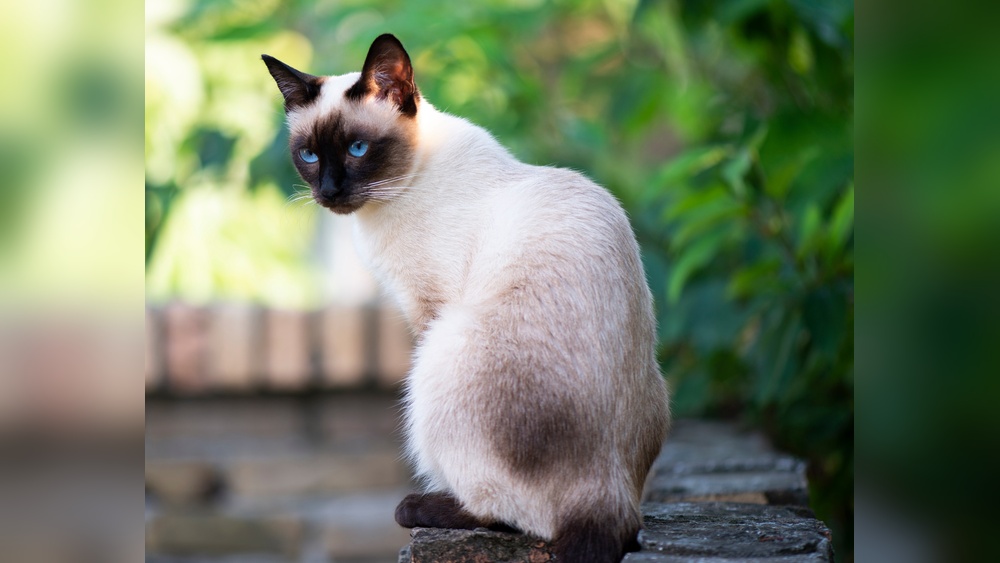
Are you worried about allergies but still want to enjoy the company of a furry feline friend? Finding the right cat breed that won’t trigger your allergies can feel like a challenge.
But what if you could discover cats that are easier on your nose and skin? You’ll learn about the top hypoallergenic cat breeds that might be perfect for your home. Keep reading to find out which cats can bring you joy without the sniffles and sneezes.
Your ideal pet could be just a few paragraphs away!
Hypoallergenic Cat Traits
Hypoallergenic cats are a good choice for people with allergies. These cats have special traits that reduce allergic reactions. They produce fewer allergens or shed less fur. This helps people breathe easier around them.
Understanding these traits can help you choose the right cat. Not all cats are the same when it comes to allergies. Some breeds are better suited for sensitive individuals.
What Makes A Cat Hypoallergenic
A cat is hypoallergenic if it produces less allergen. The amount of allergen depends on the cat’s skin, fur, and saliva. Some breeds have less oily skin. Less oil means fewer allergens stick to fur.
Hypoallergenic cats often shed less hair. This means fewer allergens spread around the house. Regular grooming also helps reduce allergens on the cat’s coat.
Common Allergens In Cats
Most cat allergies come from a protein called Fel d 1. This protein is found in cat saliva, skin, and urine. When cats groom themselves, they spread this protein on their fur.
When the fur and skin flakes fall off, allergens spread in the air. People breathe in these allergens and may have allergic reactions. Some cats produce less Fel d 1, making them easier to live with.
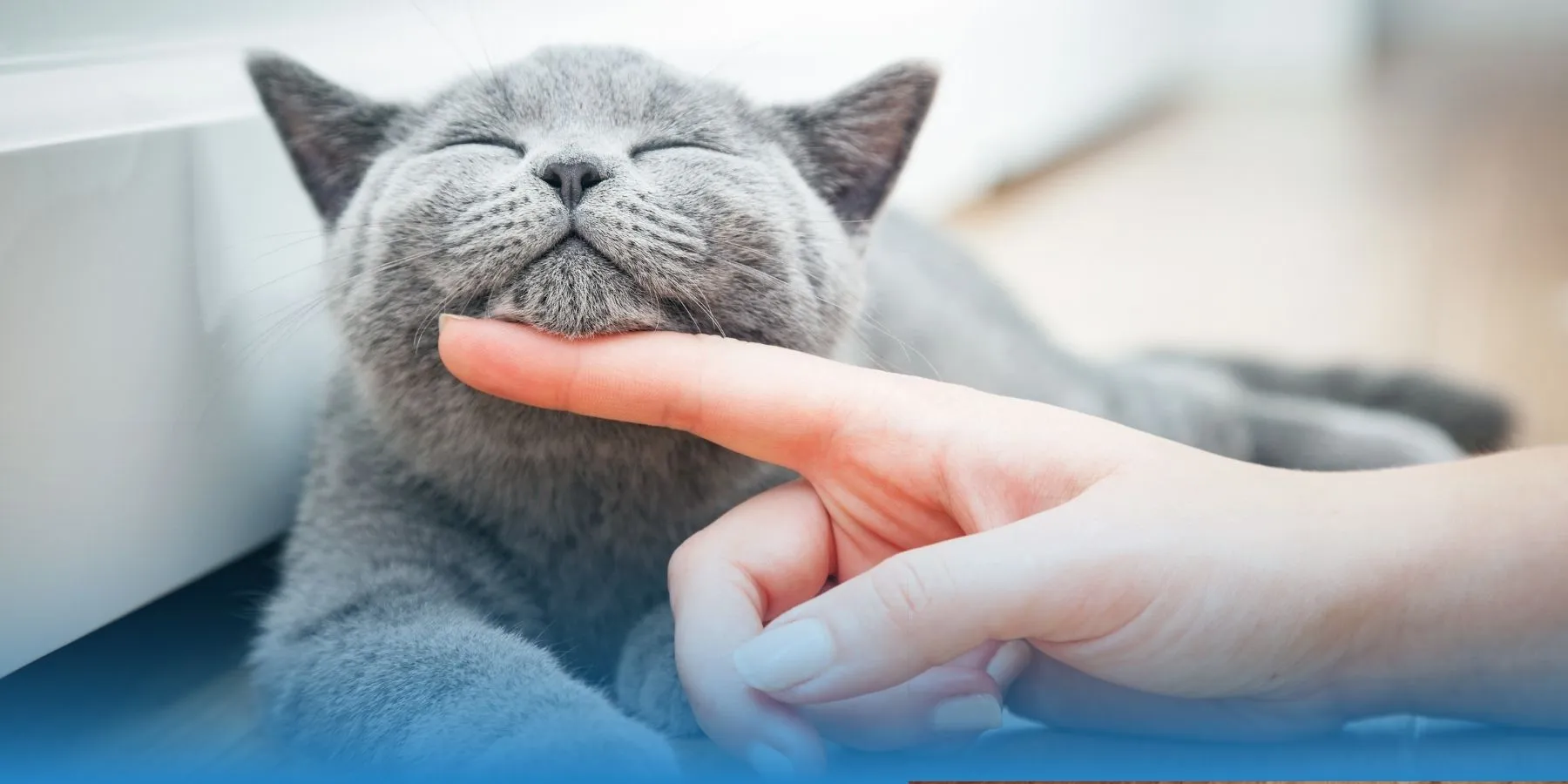
Credit: www.metlifepetinsurance.com
Popular Hypoallergenic Breeds
Hypoallergenic cats are perfect for people with allergies but who still want a feline friend. These breeds produce fewer allergens, making them easier to live with. Many cat lovers find these breeds gentle and friendly, adding joy without the sneezing.
Siberian Cats
Siberian cats have thick, water-resistant fur. Their coat traps allergens, reducing exposure. These cats are playful and affectionate. They adapt well to family life.
Balinese Cats
Balinese cats have long hair but low allergen levels. Their fine coat sheds less dander. They are smart and social animals. Balinese cats enjoy human company.
Russian Blue Cats
Russian Blue cats have dense, short fur. Their coat holds allergens tightly. These cats are quiet and gentle. They prefer calm and peaceful homes.
Sphynx Cats
Sphynx cats have no fur at all. Their skin produces fewer allergens. They need regular bathing to stay clean. Sphynx cats are friendly and curious.
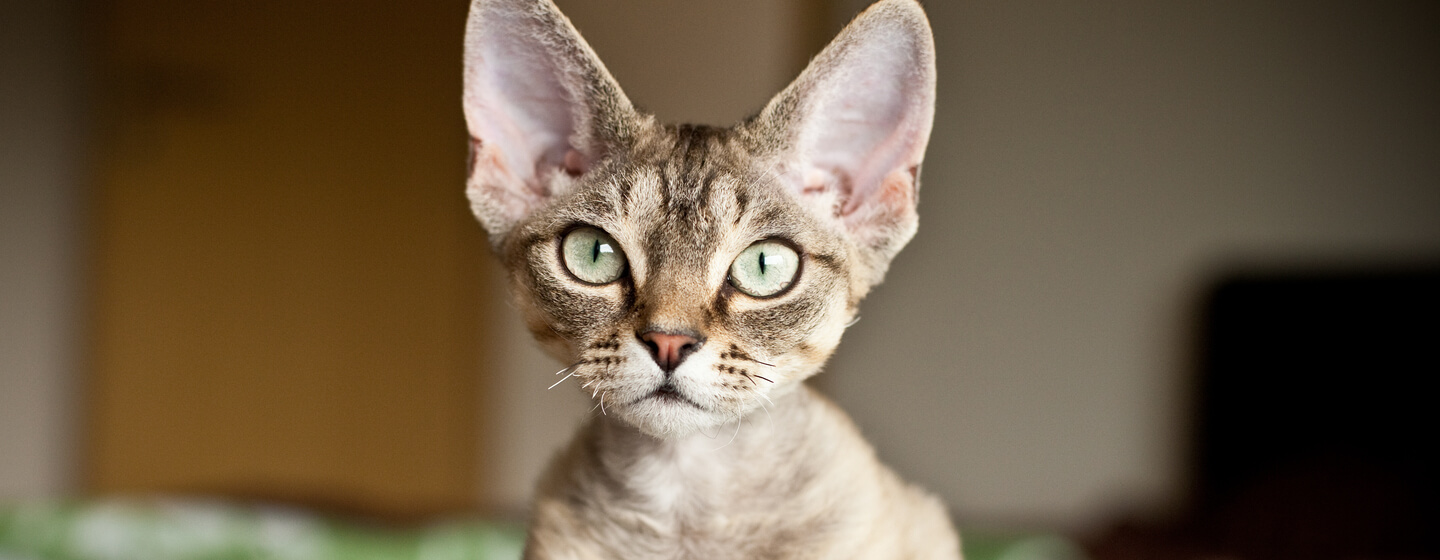
Devon Rex Cats
Devon Rex cats have soft, curly fur. Their coat sheds less dander. They are active and playful pets. Devon Rex cats love attention.
Cornish Rex Cats
Cornish Rex cats have short, wavy coats. They shed very little hair. These cats are lively and affectionate. Cornish Rex cats enjoy being near people.
Oriental Shorthair Cats
Oriental Shorthair cats have sleek, short fur. Their coat produces fewer allergens. They are talkative and intelligent cats. These cats bond closely with owners.
Choosing The Right Breed
Choosing the right hypoallergenic cat breed means more than just low allergies. Each breed has unique traits that affect your daily life. Understanding these traits helps you find a cat that fits your home and lifestyle.
Temperament And Personality
Hypoallergenic cats vary in their behavior. Some are calm and quiet, while others are playful and curious. Think about how you want your cat to behave. A calm cat may suit a quiet home. A playful cat fits an active family.
Grooming Needs
Some hypoallergenic cats need less grooming. Breeds like the Siberian have thick fur but shed less. Others, like the Sphynx, have no fur but need skin care. Choose a breed with grooming needs you can manage. Regular grooming keeps cats healthy and happy.
Activity Levels
Activity levels differ among breeds. Some cats enjoy lots of play and exercise. Others prefer resting and relaxing. Match the cat’s energy to your own. Active cats need more time and space to play. Low-energy cats are easier to care for in small spaces.

Credit: caiimperia.com
Managing Allergies With Cats
Managing allergies with cats can be challenging but possible. Many people love cats but suffer from allergic reactions. These reactions come from proteins found in cat saliva, skin flakes, and urine. Choosing hypoallergenic cat breeds helps, but managing your environment is key to reducing symptoms.
Small changes in your home can reduce allergens. Regular cleaning and good air quality help keep allergy triggers low. Grooming your cat also lowers the amount of allergens in your space. These habits make living with cats easier for allergy sufferers.
Cleaning Tips To Reduce Allergens
Clean floors and furniture often. Use a vacuum with a HEPA filter to trap allergens. Wash your cat’s bedding weekly in hot water. Dust surfaces regularly with a damp cloth to avoid spreading allergens. Keep clutter low to reduce dust buildup. Regular cleaning cuts down allergen levels significantly.
Using Air Purifiers
Air purifiers help remove airborne allergens. Choose purifiers with HEPA filters for best results. Place purifiers in rooms where your cat spends time. Run the purifier continuously for consistent air cleaning. Clean or replace filters as instructed. This reduces airborne cat allergens effectively.
Bathing And Grooming Strategies
Bath your cat regularly to wash away allergens. Use mild, cat-safe shampoo. Brush your cat daily to remove loose fur and dander. Do grooming in a well-ventilated area or outside. Wear gloves if you have sensitive skin. These steps lower allergen levels on your cat’s fur.
Credit: www.purina.co.nz
Frequently Asked Questions
What Defines A Cat Breed As Hypoallergenic?
A hypoallergenic cat breed produces fewer allergens than typical cats. These breeds shed less fur and dander, reducing allergic reactions. However, no cat is 100% allergen-free. People with allergies often tolerate these breeds better due to their unique fur and protein composition.
Which Cat Breeds Are Considered Hypoallergenic?
Popular hypoallergenic cat breeds include the Siberian, Balinese, Sphynx, and Russian Blue. These cats produce fewer allergenic proteins, making them suitable for allergy sufferers. Each breed varies in appearance and personality, offering diverse options for those seeking low-allergen pets.
How Do Hypoallergenic Cats Reduce Allergy Symptoms?
Hypoallergenic cats shed less hair and dander, key allergy triggers. Their saliva and skin produce fewer Fel d 1 proteins, the main allergen. This results in fewer airborne allergens, helping reduce sneezing, itching, and other allergic reactions in sensitive individuals.
Can Hypoallergenic Cats Trigger Allergies Completely?
No breed completely eliminates allergy risks. While hypoallergenic cats reduce allergen levels, some allergic reactions may still occur. Sensitivity varies by person, so spending time with a breed before adoption is crucial to ensure compatibility and minimize allergy symptoms.
Conclusion
Hypoallergenic cat breeds offer great options for allergy sufferers. These cats produce fewer allergens, helping reduce reactions. Popular breeds include the Siberian, Balinese, and Sphynx. Each has unique traits and personalities. Choosing the right breed depends on your lifestyle and preferences.
Spending time with a cat before adoption helps ensure compatibility. Enjoy the company of a loving cat without constant allergy issues. Hypoallergenic cats bring joy and comfort to many homes. Consider these breeds for a healthier pet experience.