
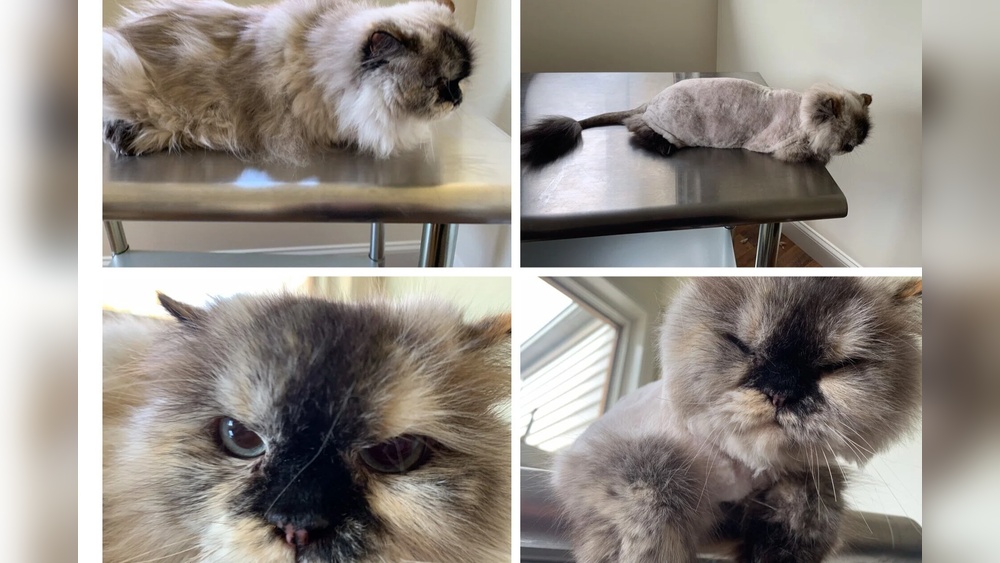
You love your cat and want to keep them happy and healthy. One key part of that is understanding what normal grooming looks like for your furry friend.
Knowing this helps you spot any problems early and ensures your cat feels comfortable every day. Curious about what you should expect when your cat grooms itself? Keep reading to discover simple signs of healthy grooming and how you can support your cat’s natural habits.
This knowledge will make you a more confident and caring cat owner.
Cat Grooming Basics
Understanding cat grooming basics helps keep your pet healthy and happy. Grooming is more than just cleaning. It improves your cat’s skin, coat, and overall well-being. Regular grooming also strengthens the bond between you and your cat.
Each cat needs different grooming depending on its coat type and lifestyle. Knowing the right techniques and tools makes grooming easier. Let’s explore why grooming matters and the types of cat coats you should know about.
Why Grooming Matters
Grooming removes dirt, loose fur, and dead skin. It prevents mats and tangles that cause pain. Grooming also reduces hairballs by removing shed fur. Healthy skin and coat reduce the risk of infections. Regular checks help spot health problems early. Grooming time is also a chance to check your cat’s ears and teeth.
Types Of Cat Coats
Cats have different coat types: short, medium, and long hair. Short-haired cats need less brushing but still benefit from grooming. Medium-haired cats need brushing a few times a week. Long-haired cats require daily grooming to avoid mats. Some cats have double coats with a soft undercoat. These cats need extra care during shedding seasons.
Credit: wakefieldpetvet.com
Brushing Techniques
Brushing your cat is an important part of normal grooming. It helps keep their coat clean and healthy. Good brushing also reduces hairballs and shedding. Knowing the right techniques makes brushing easy and pleasant for both of you.
Choosing The Right Brush
Select a brush that fits your cat’s fur type. Short-haired cats need soft bristle brushes. Long-haired cats benefit from slicker brushes or combs. Some cats like rubber brushes for gentle massage. Avoid brushes with sharp edges that can hurt your cat’s skin.
Brushing Frequency
Brush short-haired cats once or twice a week. Long-haired cats require daily brushing to prevent tangles. Older cats may need brushing less often, depending on their activity. Watch your cat’s coat for signs of mats or loose fur. Adjust brushing frequency to keep their coat smooth and healthy.
Handling Matted Fur
Matted fur can be painful and cause skin problems. Gently try to untangle small mats with your fingers. Use a mat splitter or dematting comb for tougher knots. Never pull hard; stop if your cat shows discomfort. In severe cases, visit a professional groomer or vet for help.
Bathing Your Cat
Bathing your cat is not a daily need. Cats usually clean themselves well. Sometimes, a bath helps when your cat gets very dirty or sticky.
Bathing can also help if your cat has skin issues or fleas. It’s important to bathe your cat safely and carefully. Stress and fear make the experience hard for both you and your cat.
When To Bathe
Bathe your cat only if it is very dirty. If your cat smells bad or has sticky fur, a bath is good. Cats with skin problems may need special baths. Consult your vet before giving medicine baths. Avoid bathing if your cat grooms well and looks clean.
Safe Bathing Tips
Use warm water, not hot or cold. Choose a gentle cat shampoo, never human shampoo. Wet your cat slowly, starting from the neck down. Avoid water in the eyes and ears. Speak softly and gently hold your cat. Rinse all shampoo well to avoid skin irritation. Keep baths short to reduce stress.
Drying Methods
Use a soft towel to dry your cat. Pat gently, do not rub the fur. Some cats tolerate a low heat hairdryer on a quiet setting. Keep the dryer moving and far from the skin. Let your cat dry in a warm, draft-free room. Brushing after drying helps remove loose fur and prevents mats.
Nail Care
Nail care is an important part of normal grooming for cats. Healthy nails keep your cat comfortable and safe. Long nails can cause pain and damage to furniture and skin. Regular care helps avoid these problems.
Trimming Tips
Trim your cat’s nails every two to three weeks. Use gentle pressure and small cuts. Avoid cutting too close to the pink part inside the nail. This part is called the quick and it has blood vessels. If cut, it can hurt your cat and cause bleeding. Try to keep your cat calm during trimming. Offer treats or take breaks if needed.
Tools To Use
Use special cat nail clippers or small human nail scissors. Avoid big or dull tools that can crush nails. A nail file can smooth sharp edges after trimming. Keep tools clean to prevent infections. Store them in a safe place away from pets and children.
Signs Of Overgrown Nails
Check your cat’s nails often. Overgrown nails curl or grow into the paw pads. Your cat may limp or avoid walking. Nails may catch on carpets or fabrics. These signs mean it is time to trim nails. Overgrown nails can lead to pain and infections.
Ear And Eye Care
Caring for your cat’s ears and eyes is key to their health. These areas need regular attention to avoid infections and discomfort. Ear and eye care is part of normal grooming and helps your cat stay happy and healthy.
Cleaning Ears Safely
Check your cat’s ears once a week. Look for dirt, wax, or bad smell. Use a soft cloth or cotton ball dampened with a vet-approved cleaner. Gently wipe the visible part of the ear. Never insert anything deep into the ear canal. Stop if your cat shows pain or irritation. Clean only the outer ear to avoid damage.
Monitoring Eye Health
Observe your cat’s eyes daily. Healthy eyes are clear and bright. Watch for redness, swelling, or discharge. Keep fur around the eyes clean to prevent irritation. Use a soft, damp cloth to wipe away any dirt. If eyes look cloudy or watery, consult a vet. Early care can prevent serious problems.
Dental Hygiene
Dental hygiene is a key part of normal grooming for cats. Healthy teeth and gums help cats eat comfortably and avoid pain. Good dental care also prevents bad breath and serious health problems. Regular attention to your cat’s teeth keeps them strong and clean.
Brushing Cat Teeth
Brushing your cat’s teeth helps remove plaque and prevent tartar. Use a toothbrush made for cats or a soft baby brush. Choose toothpaste made for cats, never use human toothpaste. Brush gently in small circles, focusing on the front and back teeth. Start slowly and be patient. Regular brushing makes a big difference in dental health.
Dental Treats And Toys
Dental treats and toys can support your cat’s oral care. These products help reduce plaque as your cat chews. Choose treats designed to clean teeth and freshen breath. Chewing toys also massage gums and keep teeth strong. Use these tools along with brushing for better results. They make dental care easier and more enjoyable for your cat.
Recognizing Grooming Issues
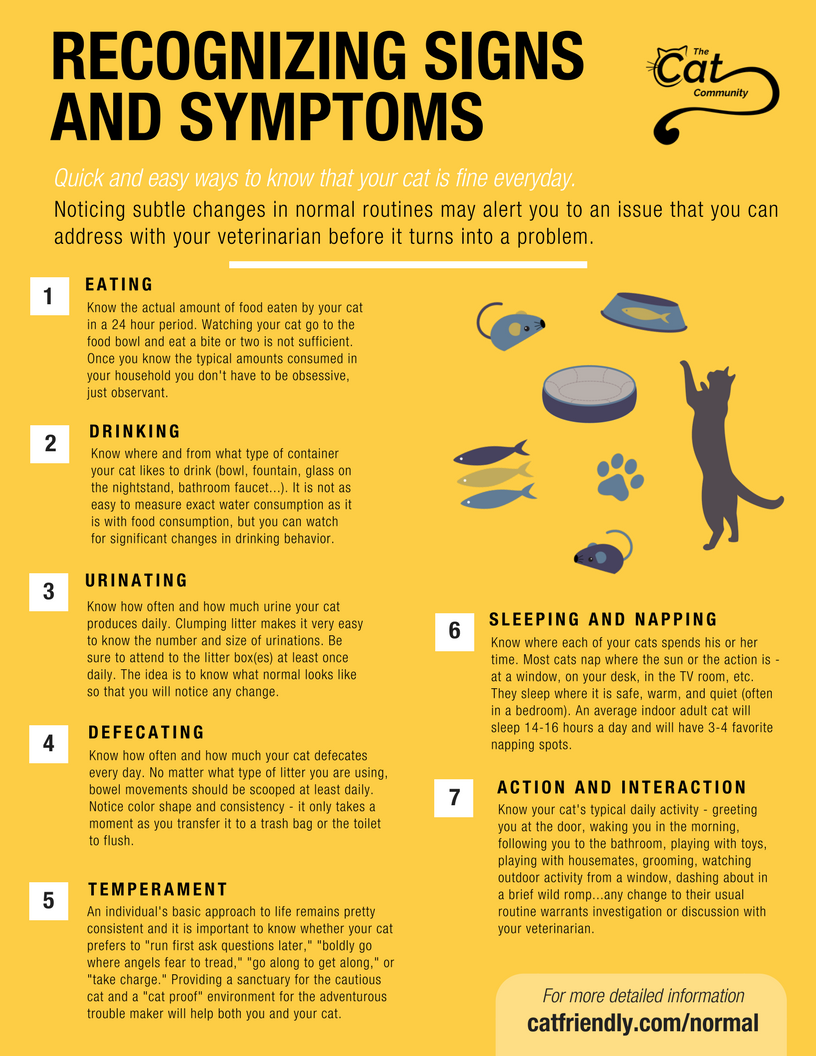
Recognizing grooming issues in cats helps keep them healthy and happy. Cats usually groom themselves well. Changes in grooming habits or appearance can signal problems. Early detection makes treatment easier and more effective.
Common Skin Problems
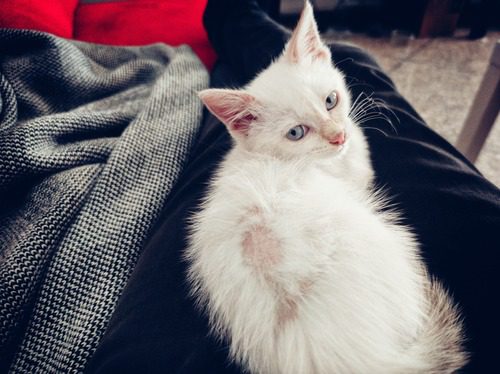
Cats can have dry, flaky skin or red patches. These signs might mean allergies or infections. Bald spots or constant scratching can indicate fleas or mites. Watch for scabs, bumps, or unusual odors. These problems need quick attention from a vet.
Behavioral Signs
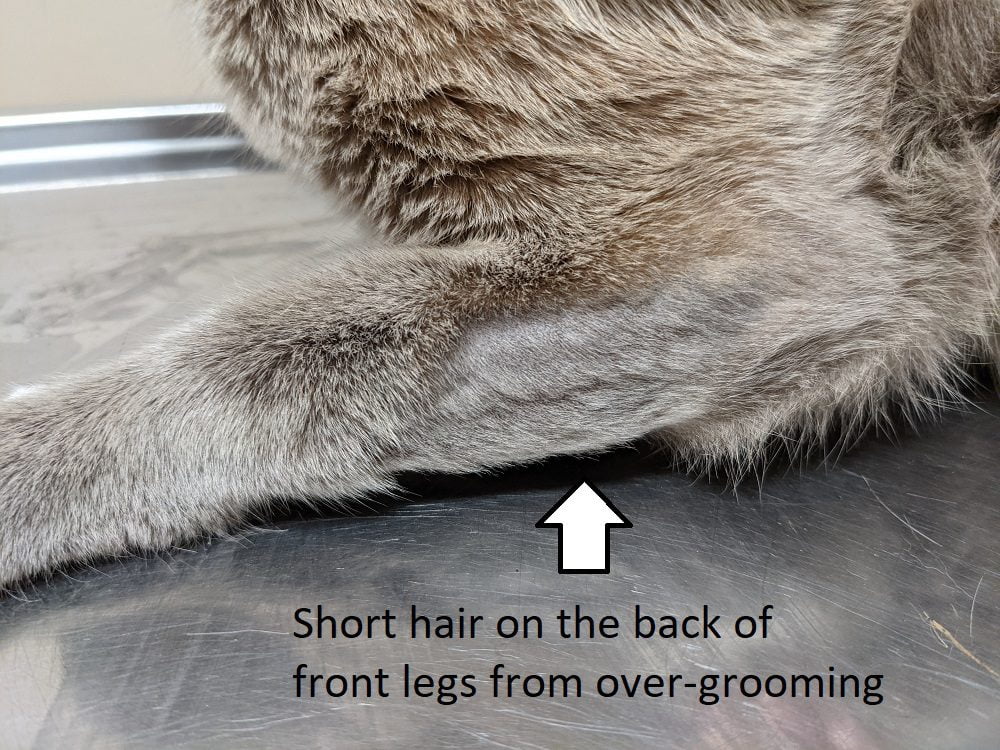
Changes in grooming behavior show possible health issues. Over-grooming can cause bald spots or sores. Under-grooming may make the fur look messy or greasy. Cats may hide or act restless if in pain. Noticing these signs helps catch problems early.
Credit: pittwateranimalhospital.com.au
Professional Grooming Options
Professional grooming helps keep your cat clean and healthy. It includes baths, nail trims, fur brushing, and ear cleaning. Some cats need extra help with grooming due to their coat type or health. Groomers have the right tools and skills to care for your cat safely.
When To Visit A Groomer
Visit a groomer if your cat has matted fur. Long-haired cats often need regular grooming to prevent tangles. Cats with skin problems or allergies can benefit from professional care. If your cat dislikes home grooming, a groomer can make it easier. Older cats or those with health issues may need gentle grooming help.
Choosing A Grooming Service
Pick a groomer with experience in cat care. Check if the groomer uses pet-friendly products. A calm and quiet environment helps reduce cat stress. Ask about the services offered and their prices. Reading reviews or getting recommendations helps find a trusted groomer. Always watch how staff handle cats before booking.
Creating A Grooming Routine
Creating a grooming routine helps keep your cat healthy and happy. Cats love consistency. A regular schedule makes grooming easier for both of you. It reduces stress and builds trust over time.
Setting A Schedule
Pick a time that fits your daily routine. Groom your cat at the same time each day or week. Short sessions work best. Start with five to ten minutes. Watch your cat’s reaction to find the best time.
Consistency helps your cat know what to expect. Try after meals or playtime when your cat feels calm. Adjust the schedule as needed to keep it simple and stress-free.
Making Grooming Enjoyable
Use gentle strokes and soft brushes. Speak softly and praise your cat often. Give small treats during or after grooming. This builds a positive connection.
Stop if your cat shows signs of stress. Try again later in a calm space. Patience and kindness make grooming a pleasant experience. Over time, your cat will look forward to these moments.
Credit: catfriendly.com
Frequently Asked Questions
What Does Normal Grooming For A Cat Involve?
Normal grooming for a cat includes licking their fur to clean and remove loose hair. Cats also use their teeth to nibble and remove dirt. Grooming keeps their coat healthy and reduces shedding. It also helps regulate body temperature and strengthens bonds with other cats.
How Often Do Cats Groom Themselves Daily?
Cats groom themselves several times a day, usually between 30 to 50 minutes in total. This frequent grooming helps maintain cleanliness and comfort. It also reduces stress and prevents skin problems. Regular grooming is a natural and essential behavior for cats’ well-being.
Why Do Cats Groom More In Certain Seasons?
Cats groom more during shedding seasons, usually spring and fall. Increased grooming helps remove loose winter or summer fur. This process prevents matting and keeps their coat healthy. Seasonal grooming also helps cats regulate body temperature as weather changes.
Can Grooming Behavior Indicate Cat Health Issues?
Yes, changes in grooming habits can signal health problems. Excessive grooming may indicate allergies, stress, or skin infections. Too little grooming can be a sign of pain or illness. Monitoring grooming patterns helps detect potential health concerns early.
Conclusion
Cats keep themselves clean with regular grooming habits. They lick their fur to remove dirt and loose hair. Grooming helps cats stay healthy and feel comfortable. Sometimes, cats need help with brushing, especially if they have long hair. Watching your cat’s grooming behavior can show you how they feel.
Healthy grooming means a happy cat. Remember, gentle care supports your cat’s natural routine. Keep an eye on changes in grooming to spot problems early. Simple steps help your cat stay clean and content every day.