
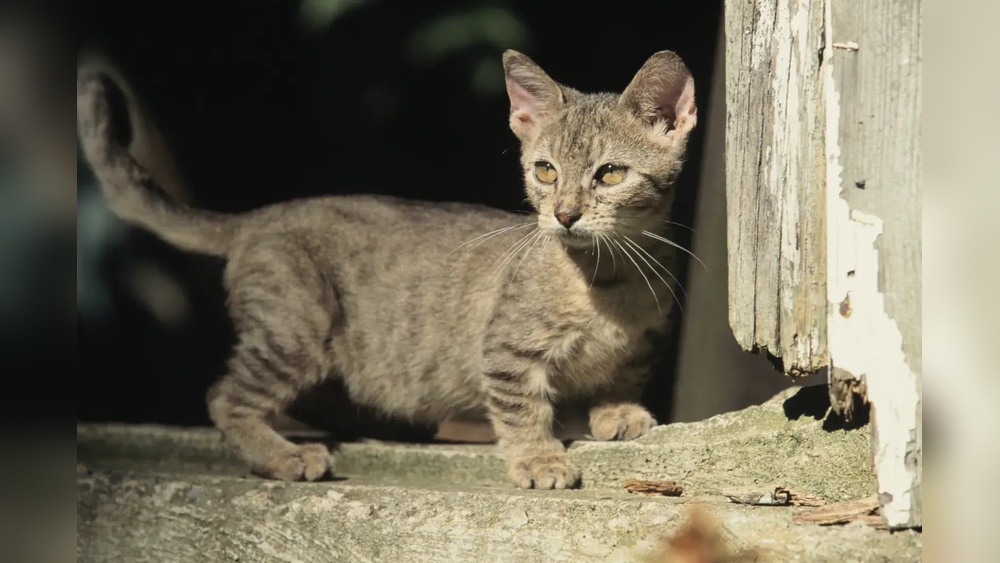
Are you looking for a cat that won’t take up too much space but still fills your home with love? Choosing a small cat breed can make a big difference, especially if you live in an apartment or just prefer a petite furry friend.
You might wonder which breeds stay small and keep their adorable size throughout their life. You’ll discover the cutest, smallest cat breeds that fit perfectly into your life and your space. Keep reading to find your ideal tiny companion!
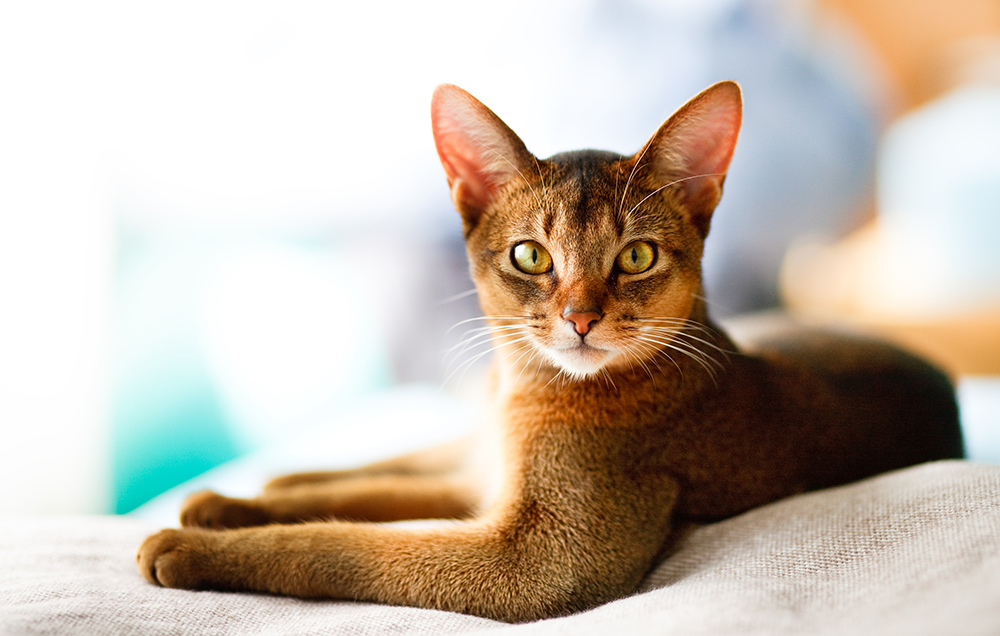
Credit: www.purina.com
Why Choose Small Cat Breeds
Choosing a small cat breed can be a smart choice for many pet lovers. Small cats are gentle, easy to handle, and fit well in most homes. Their size makes them great companions for both new and experienced cat owners. Small breeds often have playful personalities and bring joy without needing much space.
These cats adapt well to different living situations. They usually need less food and space, making care simpler. Small cats often live happily indoors, providing comfort and company without taking up too much room. Their size can be a perfect match for people who want a pet but have limited space.
Benefits Of Tiny Cats
Tiny cats are easier to carry and hold. They can sit on your lap without feeling heavy. Their small size means less food and fewer supplies. They can be less intimidating for children and shy adults. Many small cats have long lifespans and stay active for years. Their playful nature keeps the home lively and fun.
Suitability For Small Spaces
Small cats fit well in apartments and small houses. They do not need large areas to roam. Their size allows them to use small cat trees and beds. They can easily move around without knocking things over. Small cats can share space with other pets comfortably. They make the most of vertical spaces like shelves and window sills.
Care And Maintenance
Small cats require less food and fewer grooming tools. Their litter boxes and toys take up less room. They often need less exercise but enjoy playtime. Small cats can be easier to clean and bathe. Regular vet visits keep them healthy and active. Their small size means less strain on your budget and time.
Top Small Cat Breeds
Small cat breeds are perfect for people who want a pet that stays compact. These cats fit well in apartments and small homes. They often have playful and friendly personalities. Many also need less food and space than larger breeds.
Here are some popular small cat breeds known for their size and charm.
Singapura
The Singapura is one of the smallest cat breeds. It weighs about 4 to 8 pounds. This breed has a short coat with a unique ticked pattern. Singapura cats are curious and very social. They enjoy being around people and other pets.
Munchkin
Munchkin cats have short legs but normal-sized bodies. They usually weigh between 5 to 9 pounds. Their short legs give them a cute and playful look. Munchkins are active and love to explore their surroundings. They get along well with children and other animals.
Cornish Rex
The Cornish Rex has a slim body and soft, curly fur. This breed weighs around 6 to 10 pounds. They are very energetic and love to jump and run. Cornish Rex cats are affectionate and enjoy human company. Their unique coat needs little grooming.
Devon Rex
Devon Rex cats are small with large ears and wavy fur. They weigh about 5 to 10 pounds. These cats are playful and intelligent. They like to cuddle and stay close to their owners. Devon Rex cats are known for their gentle nature.
American Curl
American Curl cats have medium-sized bodies but stay lightweight. They weigh from 5 to 10 pounds. Their ears curl backward, giving them a distinct look. These cats are friendly and adapt well to new environments. They are also very playful and loving.
Toyger
Toyger cats look like tiny tigers but stay small. They weigh between 7 to 12 pounds. Their coat has bold stripes and a bright orange color. Toygers are active and enjoy playing games. They form strong bonds with their families.
Sphynx
The Sphynx is a small, hairless breed. It weighs about 6 to 12 pounds. Sphynx cats are warm and love to cuddle. They are very friendly and curious. Their skin needs regular care to stay healthy.
Traits Of Tiny Cats
Tiny cats have unique traits that make them special. Their small size affects many parts of their lives. From how they behave to their health needs, small cats are different from larger breeds. Understanding these traits helps owners care for them better.
Below are key traits to know about tiny cats. These traits explain their personality, activity, and health.
Personality And Temperament
Small cats often have big personalities. They can be playful and curious. Many tiny breeds are very friendly and love attention. They enjoy being close to their owners. Some tiny cats are shy but warm up fast. Their size does not limit their confidence. They often have gentle and loving natures.
Activity Levels
Tiny cats are usually quite active. They love to explore their space. Many enjoy climbing and jumping, despite their size. Playtime is important for their happiness. Small cats need daily exercise to stay healthy. They can be quick and agile. Their energy levels vary by breed and age.
Health Considerations
Small cats have specific health needs. They may be prone to dental issues. Some breeds have genetic conditions related to their size. Regular vet checkups help catch problems early. Their small bodies can be fragile. Owners should watch for signs of illness. Proper diet and care keep tiny cats strong and happy.

Credit: www.womansday.com
How To Choose The Right Small Cat
Choosing the right small cat is important for a happy home. Small cats fit well in many living spaces. They need care that matches their size and personality. Think about what kind of cat suits your daily life and home. This helps you find a pet you enjoy.
Matching Lifestyle And Breed
Each small cat breed has different energy and needs. Some are calm and love to cuddle. Others are playful and need more attention. Consider your daily routine. If you work a lot, a calm cat is better. Active cats need more playtime and interaction. Think about your family too. Some breeds are better with kids or other pets.
Adoption Vs. Breeder
Adopting from shelters helps cats in need. Many small cats are waiting for homes. Adoption is usually cheaper and supports animal welfare. Breeders offer specific breeds and know their history. Choose a breeder who is responsible and ethical. Ask about health checks and vaccination history. Both options can give you a healthy small cat. Pick what fits your values and needs.
Preparing Your Home
Prepare a safe space before bringing your cat home. Small cats need cozy spots to rest and hide. Provide a litter box in a quiet place. Have food and water bowls ready. Cat toys and scratching posts keep them active. Remove items that can harm small cats. Make sure windows and balconies are secure. A calm environment helps them adjust faster.
Caring For Small Cat Breeds
Small cat breeds need special care to stay healthy and happy. Their size means they have unique needs. Paying attention to diet, exercise, and vet visits helps them live longer and better.
Diet And Nutrition
Small cats need a balanced diet with high-quality protein. Their food should support their energy and growth. Feed smaller portions more often to match their fast metabolism. Avoid overfeeding to prevent weight gain. Fresh water must always be available.
Exercise Needs
Exercise keeps small cats fit and active. Provide toys and climbing spaces to encourage play. Short play sessions several times a day work best. Mental stimulation is as important as physical activity. It helps prevent boredom and destructive behavior.
Regular Vet Care
Small breeds need regular check-ups to catch health problems early. Vaccinations and parasite control keep them safe. Dental care is essential to avoid tooth issues. Discuss any behavior changes with your vet quickly. Preventive care helps your cat enjoy a healthy life.

Credit: www.msn.com
Frequently Asked Questions
What Are The Smallest Cat Breeds To Consider?
Small cat breeds include the Singapura, Munchkin, and Cornish Rex. These breeds typically weigh between 4 to 8 pounds. They remain compact and are ideal for small living spaces. Their size makes them easy to handle and care for.
How Long Do Small Cat Breeds Usually Live?
Small cat breeds generally have a lifespan of 12 to 16 years. Some, like the Singapura, can live even longer with proper care. Their smaller size often correlates with fewer health issues. Regular vet check-ups help ensure a long, healthy life.
Are Small Cat Breeds Good For Apartment Living?
Yes, small cat breeds are perfect for apartments. Their compact size requires less space and fewer resources. They adapt well to indoor environments and can be very playful. Small cats are also easier to manage in confined areas.
Do Small Cat Breeds Have Special Care Needs?
Small cat breeds need regular grooming and a balanced diet. Due to their size, portion control is important to prevent obesity. They benefit from interactive toys to stay active. Routine health checks are essential to catch any issues early.
Conclusion
Small cat breeds make great pets for many homes. They need less space and often less food. These cats can be playful and friendly, fitting well in apartments. Choosing a small breed means easier care and less worry about size.
Each breed has its own charm and personality. Think about what fits your lifestyle best. A small cat can bring joy without big challenges. They stay cute and cuddly, perfect for families or singles. Remember, love and care matter more than size.