
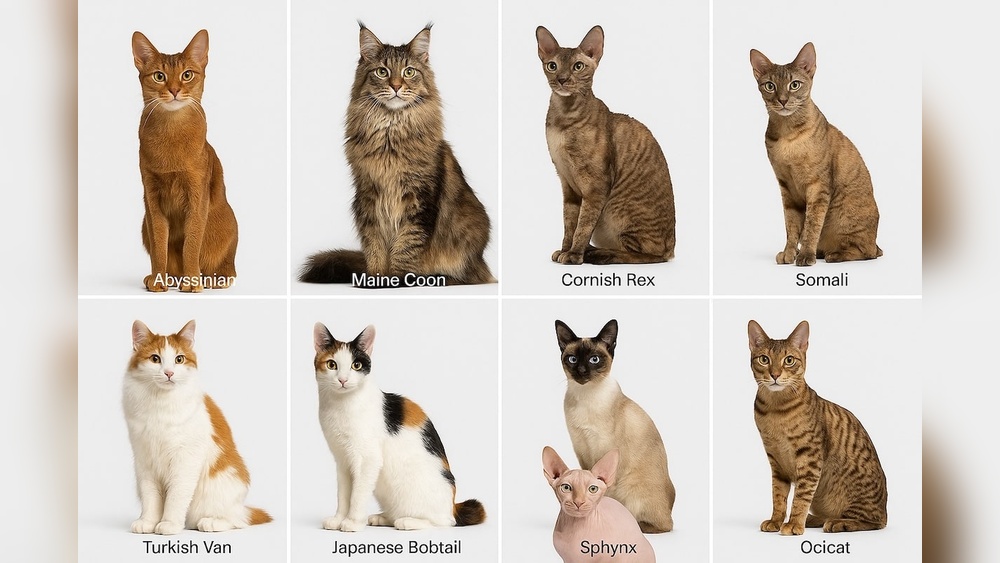
Have you ever wondered whether there are more cat breeds or dog breeds out there? If you’re a pet lover, this question might have crossed your mind while choosing your next furry friend.
Knowing which animal has more breeds can help you discover unique traits, personalities, and care needs. You’ll find surprising facts that might change how you see cats and dogs forever. Keep reading to unlock the answer and learn what makes each breed special for you.
Breed Counts Compared
The number of cat and dog breeds varies. Each animal has many unique types. Understanding breed counts helps us see their diversity. Breed recognition depends on official groups and rules. Let’s explore how many breeds each species has.
Official Cat Breed Numbers
Cat breed counts are usually lower than dogs. Most cat registries list about 40 to 70 breeds. The International Cat Association recognizes around 73 breeds. Cat breeds focus on coat patterns and body shapes. Cats have fewer breeds due to less selective breeding.
Official Dog Breed Numbers
Dogs have a larger number of official breeds. The American Kennel Club lists over 200 dog breeds. The Fédération Cynologique Internationale recognizes about 360 breeds. Dogs have more breeds because of diverse roles and needs. Working, hunting, and companion dogs create many new types.
Variations In Breed Recognition
Different groups recognize breeds differently. Some clubs accept new breeds faster than others. Breed standards can vary by country or organization. Some breeds are recognized in one place but not another. This causes differences in official breed counts worldwide.

Credit: www.womansday.com
Factors Influencing Breed Diversity
Breed diversity in cats and dogs depends on several important factors. These factors shape how many breeds exist and how they differ from each other. Understanding these influences helps explain why dog breeds might outnumber cat breeds or vice versa.
Domestication History
Dogs were domesticated thousands of years before cats. This longer history gave humans more time to develop different dog breeds. Dogs helped with hunting, guarding, and herding. Each job required specific traits, so new breeds appeared.
Cats became pets later and were mostly valued for controlling pests. Their role was less varied, so fewer breeds formed. The shorter domestication period limits cat breed diversity.
Selective Breeding Practices
Selective breeding means choosing animals with certain traits to mate. Humans did this a lot with dogs to get special sizes, colors, and skills. This created many breeds with clear differences.
Cats have been bred selectively too but less strictly. Breeders focused more on appearance than on skills. This results in fewer cat breeds compared to dogs.
Geographical Impact On Breeds
Different regions shaped breed development in unique ways. Dogs adapted to climates and tasks in various parts of the world. This led to many distinct dog breeds.
Cats spread mostly through trade and travel, with less emphasis on local adaptation. Their breeds often reflect fewer regional differences. Geography influenced dog breeds more strongly than cat breeds.
Breed Popularity And Trends
Breed popularity and trends shape how people choose their pets. These trends change with time and culture. Some breeds gain fame through movies or social media. Others stay popular because of their friendly nature or unique looks. Understanding these trends helps explain why certain cat or dog breeds are more common today.
Most Popular Cat Breeds
The Persian cat is a top favorite for its long fur and calm personality. The Maine Coon stands out with its large size and gentle nature. Siamese cats attract many due to their striking blue eyes and vocal behavior. These breeds often appear in homes and cat shows. Their popularity keeps breeders focused on maintaining their traits.
Most Popular Dog Breeds
Labrador Retrievers lead dog popularity charts with their friendly and loyal nature. French Bulldogs are loved for their small size and playful attitude. German Shepherds are chosen for their intelligence and strong work skills. These breeds are common in families and workplaces. Their demand influences how breeders select and raise dogs.
How Popularity Affects Breed Development
Popularity shapes breed development by guiding breeding choices. Breeders work to keep traits that buyers want. This focus can improve health or appearance but may also limit genetic diversity. Popular breeds often face risks of inherited health problems. Careful breeding is needed to balance popularity with breed health.
Genetic Differences Between Cats And Dogs
Cats and dogs show clear genetic differences. These differences affect their breeds and traits. Understanding their genetics helps explain why dogs have more breeds than cats.
Genetic Variation In Cats
Cats have less genetic variation than dogs. They share many common genes because they evolved as hunters. This similarity limits how different cat breeds can become. Most cat breeds differ in color or fur type, not shape or size.
Genetic Variation In Dogs
Dogs show high genetic variation. They were bred by humans for many jobs. This caused many changes in their genes. Dogs can look very different from each other. Their size, shape, and behavior vary widely.
Impact On Breed Creation
Genetics plays a big role in creating breeds. Cats’ limited variation means fewer breeds exist. Dogs’ wide variation allows many distinct breeds. Humans selected dogs for traits, increasing breed numbers. This is why dogs have more breeds than cats.
Breed Classification Challenges
Classifying cat and dog breeds is not always simple. Different groups use different rules to decide what counts as a breed. This makes it hard to say which animal has more breeds. Several challenges affect how breeds are counted and recognized worldwide.
Differences In Breed Standards
Breed standards describe the ideal look and behavior of a breed. Dog breed standards often focus on function and size. Cat breed standards emphasize appearance and coat patterns. Each organization has its own detailed rules. This causes confusion over which cats or dogs belong to each breed.
Crossbreeds And Hybrid Breeds
Crossbreeds are mixes of two pure breeds. Hybrids combine different species, like a Bengal cat. Many crossbreeds are popular but not officially recognized. They add to the total number of types but are hard to count. This blurs the lines between pure breeds and mixes.
Role Of Breed Registries
Breed registries keep official lists of breeds. Some registries accept more breeds than others. Dog registries often recognize more breeds than cat registries. Each registry’s rules affect breed counts worldwide. These differences make it tricky to compare cat and dog breed numbers.

Credit: www.womansday.com
Surprising Insights And Facts
The world of pets holds many surprises, especially in the variety of cat and dog breeds. Some facts about these breeds may catch you off guard. Breed numbers and traits can tell us a lot about how humans have shaped these animals. The future of breeding also shows interesting directions. These insights help pet lovers understand their furry friends better.
Unexpected Breed Numbers
Dog breeds outnumber cat breeds significantly. Around 340 dog breeds are recognized globally. Cat breeds are fewer, about 70 to 100 depending on the source. Dogs have a longer history of selective breeding for work and traits. Cats were bred mostly for appearance and temperament. This difference explains the larger variety in dogs.
Unique Traits Among Breeds
Dog breeds show a wide range of sizes and abilities. From tiny Chihuahuas to giant Great Danes, the variety is vast. Each dog breed has unique traits for specific tasks like herding or hunting. Cat breeds differ mostly in coat patterns, colors, and personality. Some cats have unusual features like folded ears or hairlessness.
Future Trends In Breeding
Breeding focuses more on health and behavior today. Breeders avoid traits linked to diseases. Crossbreeding becomes popular to improve genetic health. Technology helps track breed genetics better than before. Future breeds may be healthier and more adaptable pets. The bond between humans and pets guides breeding choices.

Credit: www.reddit.com
Frequently Asked Questions
Are There More Dog Breeds Than Cat Breeds?
Yes, there are more recognized dog breeds than cat breeds. Dogs have over 340 breeds worldwide, while cats have around 70. This is due to dogs’ longer domestication and diverse roles in human society.
How Many Cat Breeds Exist Globally?
Globally, about 70 recognized cat breeds exist. This number varies slightly by cat associations. Cats have fewer breeds due to less selective breeding compared to dogs.
Why Do Dogs Have More Breeds Than Cats?
Dogs have more breeds because of their varied roles like hunting, herding, and guarding. Humans bred dogs for specific tasks, creating diverse breeds. Cats were mainly bred for companionship, resulting in fewer breeds.
Which Organization Recognizes The Most Dog Breeds?
The Fédération Cynologique Internationale (FCI) recognizes the most dog breeds, over 340. It’s the largest international canine organization, standardizing breeds worldwide.
Conclusion
Cats and dogs both have many different breeds. Dogs have more breeds than cats. This is because people have bred dogs for many jobs and styles. Cats have fewer breeds, but each one is special. Choosing a pet depends on what fits your life.
Both animals bring joy and love. Knowing about their breeds helps you pick the right friend. Whether you like cats or dogs, both make great companions. The variety shows how humans and pets grow together.