
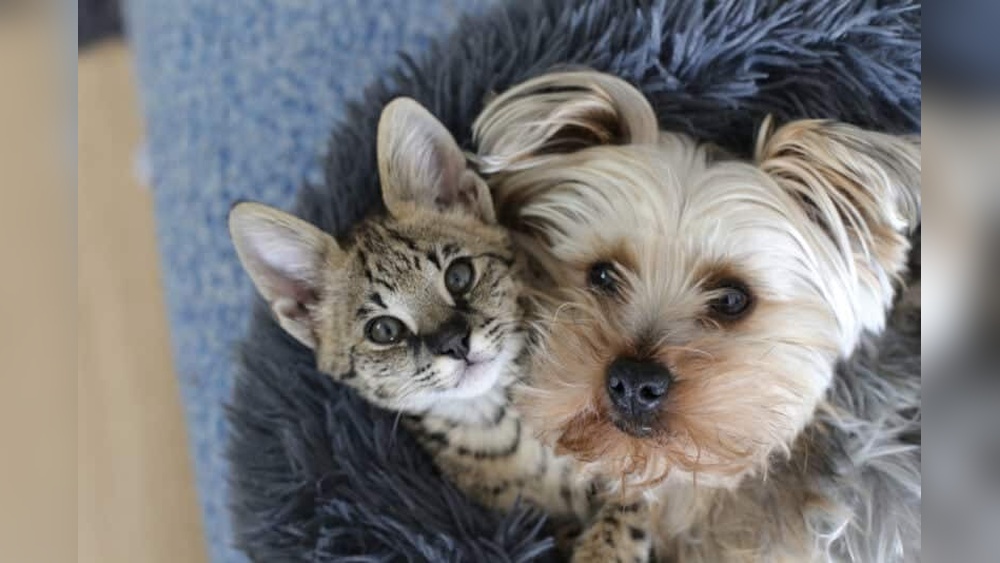
Have you ever wondered what would happen if a cat breeds with a dog? It’s a strange idea that might have crossed your mind during a quiet moment.
You’re probably curious if such a thing could even happen and what the result would be. Could it create a new kind of pet, or is it just a myth? Stick with me, and you’ll discover the surprising facts behind this unusual question.
By the end, you’ll have a clear answer and some fascinating insights about your furry friends. Let’s dive in!
Cat And Dog Breeding Myths
Many people wonder what happens if a cat breeds with a dog. This question sparks several myths and false ideas. Understanding these myths helps clear confusion and provides facts about animal breeding.
Common Misconceptions
One common myth is that cats and dogs can mate and have babies. This is not true. Cats and dogs are very different species. Their bodies and genetics do not match for breeding.
Some believe a cat and dog can produce a hybrid animal. This idea is false. Only animals of the same species or very close species can breed. Cats and dogs belong to different families, so they cannot have offspring together.
Origins Of The Myth
This myth may come from stories or cartoons showing cats and dogs as close friends. People imagine them living together and even having babies. Another reason is misunderstanding animal biology and genetics.
People sometimes see unusual animal mixes and assume cats and dogs can mix too. These myths spread quickly without scientific proof. Education about animal species and breeding helps stop such false ideas.
Biological Differences
Cats and dogs belong to very different biological groups. Their bodies and genes work in unique ways. These differences make breeding between them impossible. Understanding these biological barriers helps explain why such a union cannot happen.
Genetic Barriers
Genes are the instructions inside cells. Cats and dogs have very different sets of genes. Dogs have 78 chromosomes, while cats have 38. This large difference means their genes cannot mix. The cells cannot join to make a baby animal.
Reproductive Anatomy
The male and female organs of cats and dogs are not compatible. Their sizes and shapes differ greatly. These differences prevent mating from happening naturally. Even if mating occurred, fertilization would not take place.
Species Compatibility
Cats and dogs belong to separate species. Each species has unique behaviors and reproduction methods. These differences stop crossbreeding. Nature designs animals to reproduce within their own species only.
Scientific Evidence
Scientific evidence plays a key role in understanding if a cat can breed with a dog. Science studies animal reproduction, genetics, and hybridization. These help explain what happens in crossbreeding attempts between very different animals like cats and dogs.
Hybridization In Nature
Hybridization means breeding between two different species. It happens in nature but usually between species closely related. For example, a lion and a tiger can mate and produce ligers. Cats and dogs belong to different families. Cats are felines; dogs are canines. Their genes and number of chromosomes vary greatly. This difference makes natural hybridization impossible.
Animals that hybridize usually share a common ancestor and have similar DNA. Cats and dogs split from a common ancestor millions of years ago. Their reproductive systems and behavior differ a lot. This prevents successful mating or producing offspring.
Studies On Crossbreeding Attempts
Scientists have studied crossbreeding between cats and dogs. Attempts to mate them have failed. The differences in size, mating behavior, and genetics stop fertilization. No confirmed case of a cat-dog hybrid exists. Any claims of such hybrids lack scientific proof.
Lab research on animal hybrids focuses on species with closer relations. Cats and dogs do not fit this category. Their DNA codes are too different to combine. Cells from one species do not work well with the other. This stops embryo development early.
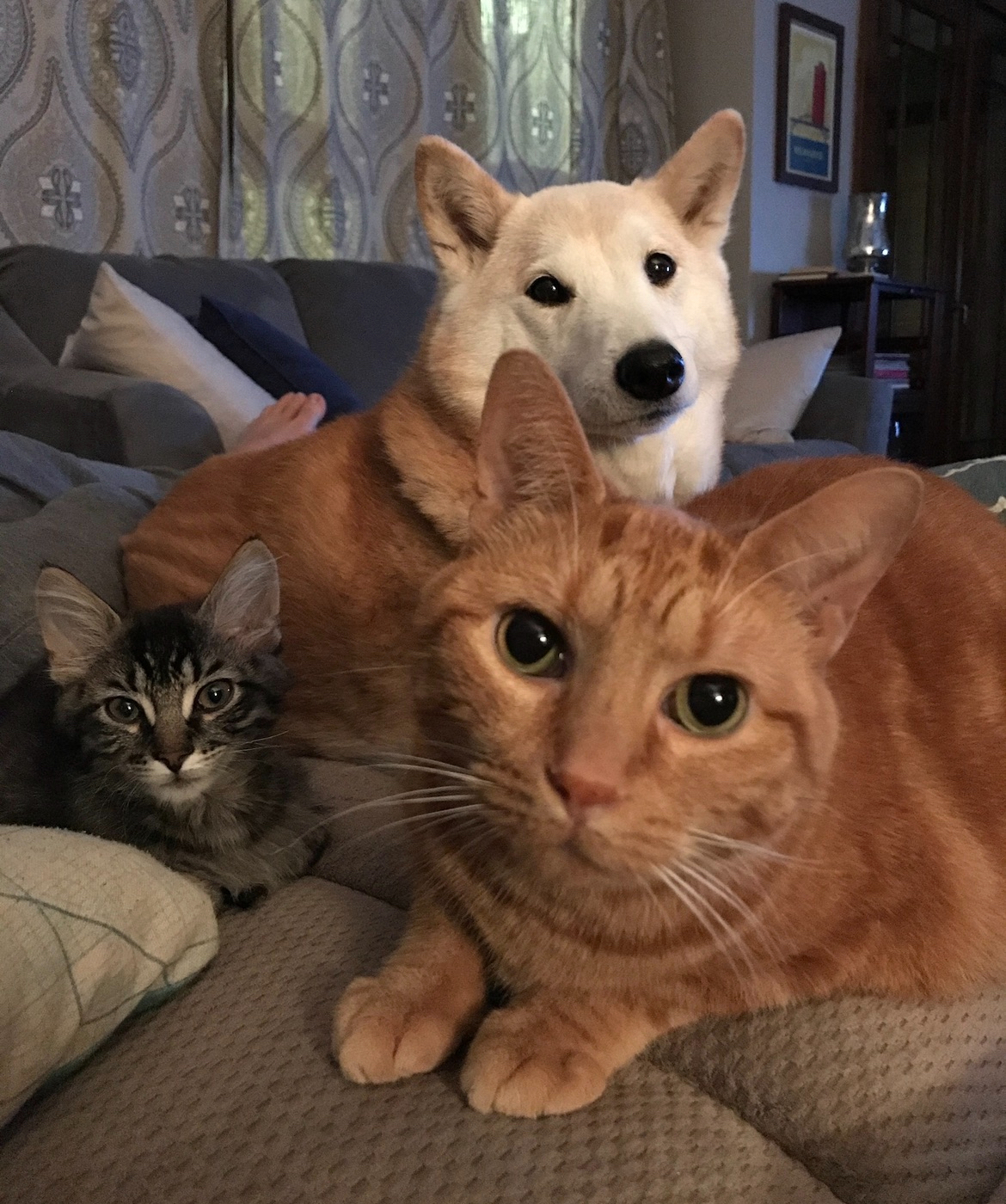
Credit: www.wihumane.org
Behavioral And Ethical Concerns
Breeding a cat with a dog raises many behavioral and ethical questions. These two animals have very different instincts and ways of living. Understanding these concerns helps protect both animals from harm and stress.
Animals have unique behaviors that suit their species. Mixing these traits can cause confusion and distress. Ethical issues also arise about the purpose and consequences of such breeding attempts.
Animal Welfare Issues
Cats and dogs have different body structures and behaviors. Breeding between them is not naturally possible. Attempts to force breeding can cause pain and injury. Both animals may suffer from stress and fear during forced interactions. Their offspring, if any, could face severe health problems. Animal welfare laws protect animals from such harm. Respecting these laws is important for their safety and well-being.
Ethical Implications
Trying to breed a cat with a dog raises serious ethical questions. It challenges the natural boundaries set by evolution. Such actions show disrespect for animal life and nature. Breeding without a clear benefit to the animals is unfair. It may lead to suffering for both parents and offspring. Ethical treatment means honoring the needs and limits of each species. Responsible pet ownership includes understanding these limits.
Why Crossbreeding Fails
Crossbreeding between a cat and a dog is not possible due to many biological reasons. Their bodies and genes are very different. These differences stop any breeding attempt from succeeding. Understanding why crossbreeding fails can help clear up common myths.
Fertilization Barriers
Fertilization is the first step in making a new life. Cat and dog sperm cannot join with each other’s eggs. Their reproductive cells do not match. The proteins on the sperm and egg surfaces must fit perfectly. In cats and dogs, these proteins are too different. This stops the sperm from entering the egg. Without fertilization, no embryo can form.
Embryonic Development Issues
Even if fertilization happened, embryo growth would fail quickly. Cat and dog genes carry very different instructions. These instructions guide how an embryo grows. Mixed signals cause the embryo to stop developing early. Their chromosomes cannot pair up properly. This causes errors that the body cannot fix. The embryo will not survive or develop into a baby animal.
Realistic Animal Hybrids
Realistic animal hybrids are fascinating creatures born from the mating of two different species. These hybrids show what is possible in nature and biology. Some animals can breed because they share close genetic traits. Others cannot, due to vast differences in DNA and reproduction methods.
Understanding realistic hybrids helps explain why some animals can mate successfully. It also clarifies why a cat breeding with a dog is nearly impossible. Both animals are too different in genetics and biology. Still, examples of hybrids in the animal world reveal interesting insights.
Examples Of Known Hybrids
Some famous animal hybrids exist due to close species relations. A mule is a common hybrid from a horse and donkey. Ligers come from a male lion and a female tiger. These hybrids share similar DNA and chromosome numbers. They often show mixed traits from both parents.
Wolphins are another example, born from a whale and dolphin pairing. These hybrids live in water and share many physical features. Hybrids like these prove that closely related animals can sometimes produce offspring. But such cases remain rare and specific.
Why Some Hybrids Are Possible
Hybrids are possible when parent species have similar DNA. Chromosome numbers must match closely for fertilization to work. Animals with shared ancestry and biological structures stand better chances. Their reproductive systems must be compatible for mating and pregnancy.
Genetic closeness allows for successful embryo development. Differences in species anatomy or behavior often prevent mating. That is why a cat and dog cannot produce offspring. Their chromosomes and mating habits differ too much. Realistic hybrids require nature’s fine balance of biology and genetics.
Impact Of The Myth On Pets
The myth that cats can breed with dogs creates confusion among pet owners. This false belief affects how people care for their pets. It also leads to misunderstandings about animal biology and behavior.
Pets suffer when owners trust incorrect information. Myths like this distract from real pet needs. Understanding the truth helps pets live healthier and happier lives.
Misinformation Risks
False ideas about cat and dog breeding spread quickly. Some owners waste time and money on useless attempts. This causes stress for both pets and people. Misinformation can lead to neglect of important health care. Pets may miss vaccinations or proper nutrition. Myths also increase fear or distrust between pets and owners.
Proper Pet Care
Knowing the truth about animals helps owners provide better care. Cats and dogs need different diets and environments. Each species has unique health and social needs. Owners should focus on proper training and medical care. Regular vet visits keep pets safe and healthy. Respecting animal differences improves the bond between pets and owners.
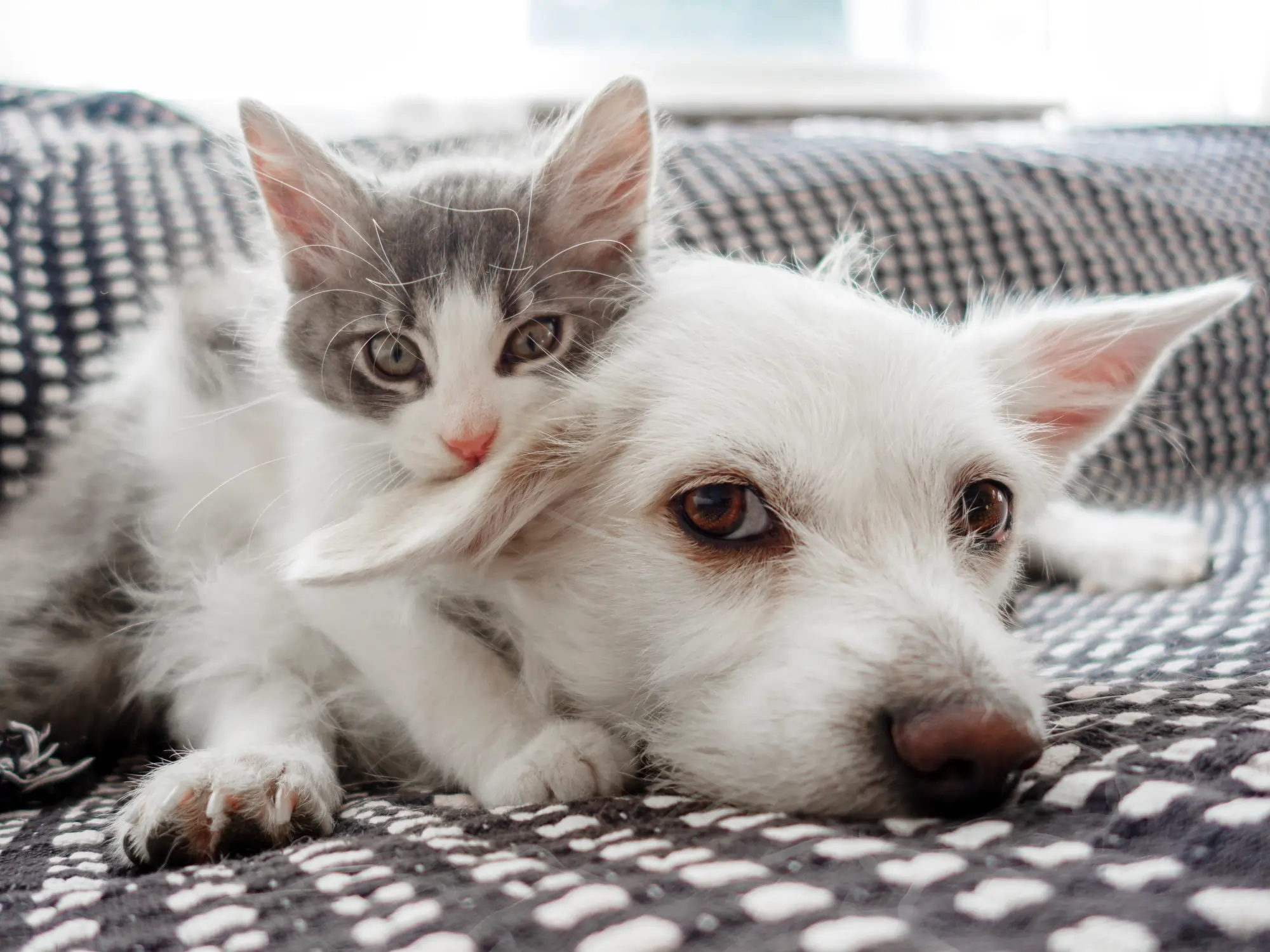
Credit: www.hsgn.ca

Credit: cordis.europa.eu
Frequently Asked Questions
Can A Cat And Dog Produce Offspring Together?
No, cats and dogs cannot produce offspring. They are different species with incompatible genetics. Breeding between them is biologically impossible.
What Happens If A Cat Mates With A Dog?
If a cat mates with a dog, no pregnancy occurs. Their reproductive systems and chromosomes do not match for fertilization.
Are Cat-dog Hybrids Possible In Nature?
Cat-dog hybrids do not exist in nature. Species barriers prevent crossbreeding between cats and dogs, making hybrids impossible.
Why Can’t Cats And Dogs Breed Successfully?
Cats and dogs have different chromosome numbers and reproductive biology. This genetic difference stops successful breeding between the two species.
Conclusion
Cats and dogs are very different animals. They cannot breed or have babies together. Their bodies and genes do not match. People love both pets for different reasons. Understanding this helps us care for them better. Always keep cats and dogs safe and happy.
Enjoy their unique traits and friendship. Nature keeps each animal special and separate. That’s what makes them wonderful companions.