
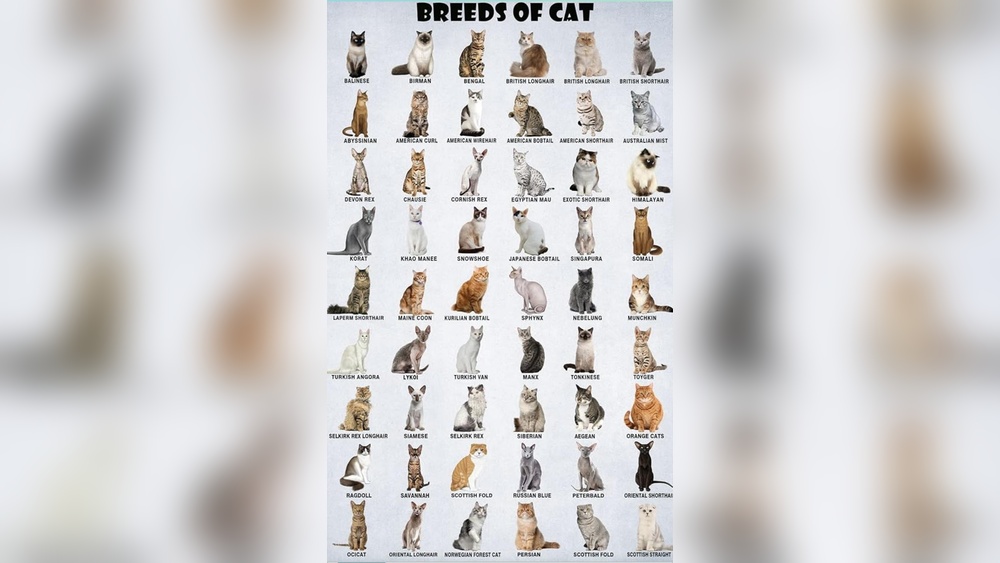
Have you ever looked at your cat and wondered, “What breed is my furry friend?” Knowing your cat’s breed can help you understand their unique personality, health needs, and behavior better. Whether your cat is a purebred or a mix, discovering their breed can deepen the bond you share.
You’ll find simple ways to identify your cat’s breed and learn fascinating facts that will make you appreciate your pet even more. Keep reading to unlock the mystery behind your cat’s origins!
Identifying Cat Breeds
Identifying your cat’s breed helps understand its needs and personality. Each breed has unique features and traits. Observing these can reveal your cat’s origins. This section guides you on how to spot these clues easily.
Physical Traits To Observe
Look at your cat’s size and body shape. Is it slim or stocky? Notice the fur length and texture. Some breeds have long, silky coats. Others have short, dense fur. Check the colors and patterns. Spots, stripes, or solid colors can hint at breed. Eye shape and color also matter. Ears can be pointed or rounded. Tail length and shape provide clues too.
Behavioral Characteristics
Observe how your cat acts daily. Some breeds are very active and playful. Others prefer calm and quiet time. Notice their social habits. Are they friendly or shy? Some cats love being held. Others like to explore alone. Vocal sounds differ too. Some breeds meow loudly. Others are mostly silent. These behaviors help identify breed traits.
Common Breed Categories
Cats fall into broad groups based on traits. Domestic Shorthairs are common and varied. Purebreds include breeds like Siamese and Persian. There are also hybrid breeds like Bengal. Each category has typical looks and habits. Knowing these groups narrows down your search. It helps match your cat’s traits to a breed.
Popular Cat Breeds
Popular cat breeds offer a wide variety of looks and personalities. Each breed has unique features that make it special. Some cats have short hair, while others have long, flowing fur. There are also rare and exotic breeds that catch the eye with their unusual traits. Knowing about these breeds helps you understand your cat better.
Short-haired Breeds
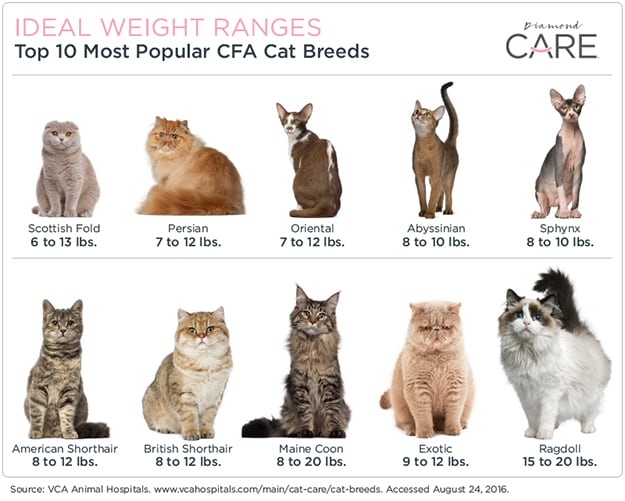
Short-haired cats are easy to care for and have sleek coats. The American Shorthair is known for its friendly nature and classic tabby patterns. Siamese cats stand out with their striking blue eyes and vocal personality. Bengal cats have a wild look with spotted coats that resemble leopards. These breeds are active and enjoy playing.
Long-haired Breeds
Long-haired cats have beautiful, soft fur that requires regular grooming. The Persian cat is famous for its luxurious coat and calm demeanor. Maine Coons are large cats with tufted ears and thick fur, perfect for cold climates. Ragdolls are gentle and love to cuddle, with silky fur that feels like a cloud. These cats often prefer quiet environments.
Rare And Exotic Breeds
Rare cat breeds attract attention with their unique looks and traits. The Sphynx cat is hairless and loves warmth and affection. Scottish Folds have folded ears that give them a sweet, owl-like face. The Peterbald has a slender body and can be hairless or have a soft coat. These breeds are less common but make great pets for those seeking something different.
Using Dna Tests For Cats
Discovering your cat’s breed can be fun and helpful. DNA tests offer a clear answer by examining your cat’s genes. These tests reveal breed types, health risks, and traits. They give you a better understanding of your furry friend.
How Cat Dna Testing Works
Cat DNA tests analyze a small sample of your cat’s saliva or cheek cells. The sample is sent to a lab where scientists look at specific genetic markers. These markers match known cat breeds and health conditions. Results show the breed mix and possible traits.
Top Dna Test Kits Available
Many DNA test kits are easy to use at home. Popular options include Basepaws, Wisdom Panel, and Orivet. These kits provide clear instructions and fast shipping. Most results come within a few weeks. Prices vary but stay affordable for most pet owners.
Interpreting Test Results
Results come as a detailed report with breed percentages. The report may also list health risks linked to certain genes. Look for clear explanations and images to understand better. Use the information to care for your cat’s health and needs.

Credit: cfa.org
Mix-breed Cats And Their Appeal
Mix-breed cats hold a special place in many hearts. They come with a blend of traits from different breeds. This mix often creates unique personalities and appearances. Their variety makes them interesting pets. Many people love them for their charm and individuality.
Traits Of Mixed Breeds
Mixed breed cats can have many different traits. They may show the playful nature of one breed. Or the calmness of another. Their looks are often one of a kind. They may have unique colors or patterns. Mixed breeds can be friendly and smart. Each cat has its own special mix.
Health Considerations
Mixed breed cats often have fewer health problems. This is because their genes come from different lines. They may be less likely to inherit breed-specific diseases. But all cats need regular vet check-ups. Good care keeps them healthy and happy. Watch their diet and exercise daily. Health is key to a long life.
Celebrating Unique Heritage
Every mixed breed cat has its own story. Their heritage is a blend of many breeds. This makes each cat special and one of a kind. Owners can enjoy discovering their cat’s background. This adds to the bond between cat and owner. Mixed breeds show that beauty is in diversity.
Resources For Cat Breed Identification
Identifying your cat’s breed can be both fun and helpful. It reveals traits, health risks, and behavior patterns. Many resources exist to assist in this process. These tools and experts guide you through the steps to identify your cat’s breed with confidence.
Breed Registries And Clubs
Breed registries keep detailed records of cat breeds. They offer breed standards and histories. Clubs often provide pictures and descriptions. These groups help match your cat’s features to known breeds. Their websites are a good place to start your search.
Online Tools And Apps
Several websites and apps analyze photos of your cat. They suggest possible breeds based on appearance. These tools use databases of breed traits. Results give you a good idea of your cat’s ancestry. Use multiple tools for better accuracy.
Consulting A Veterinarian
Veterinarians know many cat breeds and their traits. They observe physical and behavioral signs closely. A vet’s opinion can clarify breed possibilities. They also help with health advice linked to breeds. Visiting a vet is a smart step in breed identification.
Credit: www.diamondpet.com
Credit: www.ovrs.com
Frequently Asked Questions
What Are Common Cat Breeds And Their Traits?
Common cat breeds include Siamese, Maine Coon, Persian, and Bengal. Each breed has unique traits, like the Siamese’s vocal nature or the Maine Coon’s large size. Understanding these traits helps identify your cat’s breed and better cater to its needs.
How Can I Identify My Cat’s Breed At Home?
You can identify your cat’s breed by observing its physical traits and behavior. Look at fur length, color patterns, body size, and personality. Online breed identification tools and comparison charts can also help narrow down possibilities accurately.
Are Mixed Breed Cats Common And How To Recognize Them?
Yes, mixed breed cats are very common. They often show traits from multiple breeds, making identification tricky. Mixed breeds usually have varied coat patterns and personalities. Genetic testing offers the most precise way to identify mixed breed backgrounds.
Can Dna Tests Determine My Cat’s Breed Accurately?
DNA tests can accurately identify your cat’s breed by analyzing its genetic makeup. These tests provide detailed breed percentages and health insights. They are a reliable option if physical traits alone don’t clearly reveal your cat’s breed.
Conclusion
Knowing your cat’s breed helps you understand its needs better. Each breed has unique traits and habits. This knowledge guides you in providing good care. It also makes your bond stronger. Remember, every cat is special, no matter the breed.
Enjoy learning about your furry friend’s background. It makes pet ownership more fun and rewarding. Keep observing your cat’s behavior and personality. That’s the best way to know them well. Caring with love matters more than breed alone. Your cat will thank you with lots of purrs.