
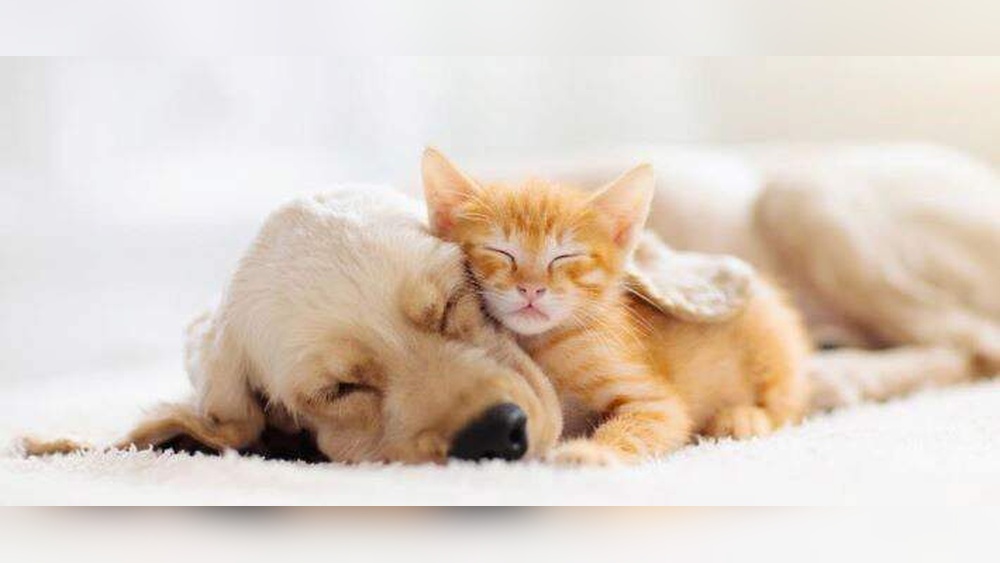
Are you thinking about adding a furry friend to your home but worried about how a small dog might get along with your cat? You’re not alone.
Many pet lovers want both dogs and cats to live happily under the same roof. The good news is, some small dog breeds naturally get along well with cats, making your life easier and your home more peaceful. You’ll discover which small dogs are the best companions for your feline friend.
Keep reading to find the perfect match for your family and enjoy the joy of having both pets together.

Credit: manypets.com
Traits Of Dog Breeds That Bond With Cats
Choosing a dog breed that bonds well with cats depends on certain traits. These traits help dogs and cats live peacefully and happily together. Understanding these qualities makes it easier to find a good match for your home.
Temperament And Social Nature
Dog breeds that get along with cats often have gentle temperaments. They tend to be calm and friendly. These dogs enjoy social interactions and rarely show aggression. Patience is key. Dogs that are tolerant and kind create a safe space for cats.
Size And Energy Levels
Small dog breeds usually fit better with cats. Their size causes less fear for cats. Energy levels should also match. Dogs with moderate energy can play but also rest quietly. Too much energy might stress a cat. Balanced activity helps both animals feel comfortable.
Training And Adaptability
Dogs that bond well with cats learn commands quickly. They adapt to new situations without stress. Good training helps dogs understand boundaries with cats. Flexible dogs adjust their behavior to live peacefully. This makes sharing space easier and reduces conflicts.
Small Dog Breeds Known For Cat Compatibility
Small dog breeds often live happily with cats. Their gentle nature helps build strong friendships. Choosing the right breed makes life easier for both pets. These dogs usually have calm energy and friendly attitudes.
Here are some small dog breeds known for their good behavior around cats. Each breed has unique traits that fit well in homes with feline friends.
Cavalier King Charles Spaniel
This breed is kind and patient. They enjoy quiet time and gentle play. Cavaliers rarely show aggression, making them great companions for cats. Their calm demeanor helps reduce stress in multi-pet homes.
Pug
Pugs have a fun, loving personality. They are curious but not too energetic. Pugs tend to accept cats as part of their family. Their social nature helps them bond quickly with other pets.
Bichon Frise
Bichons are cheerful and friendly dogs. They love being around people and animals. This breed’s playful spirit blends well with a cat’s curiosity. Bichons adapt easily to different home environments.
Maltese
Maltese dogs are gentle and affectionate. They prefer calm settings and enjoy companionship. Their small size and soft temperament suit living with cats. Maltese dogs often form close bonds with feline friends.
Papillon
Papillons are smart and lively but not overly active. They show kindness toward other animals. This breed’s alertness helps them understand a cat’s signals. Papillons thrive in homes where pets respect each other’s space.
Tips For Introducing Small Dogs To Cats
Introducing small dogs to cats needs care and patience. The right approach helps both animals feel safe. It reduces stress and builds a peaceful home. Here are some key tips to make the introduction smooth and positive.
Controlled Initial Meetings
Keep the first meetings short and calm. Use a leash on the dog for control. Let the cat explore freely but watch closely. Start with a barrier like a baby gate between them. This way, they see and smell each other safely. Repeat these meetings daily, increasing time slowly. Avoid forcing any contact to prevent fear or aggression.
Positive Reinforcement Techniques
Reward good behavior with treats and praise. Give treats when dogs stay calm near cats. Praise cats for relaxed behavior around dogs. This helps both animals link each other with good things. Use a gentle tone to encourage them. Avoid punishment as it can create fear or distrust. Patience and kindness help build trust faster.
Monitoring Behavior And Adjusting
Watch both pets closely for signs of stress. Look for growling, hissing, or stiff body language. If either pet feels scared, separate them calmly. Take breaks and try again later with shorter sessions. Adjust the pace based on their comfort levels. Keep a safe space for each pet to retreat. This balance helps them feel secure and grow closer over time.
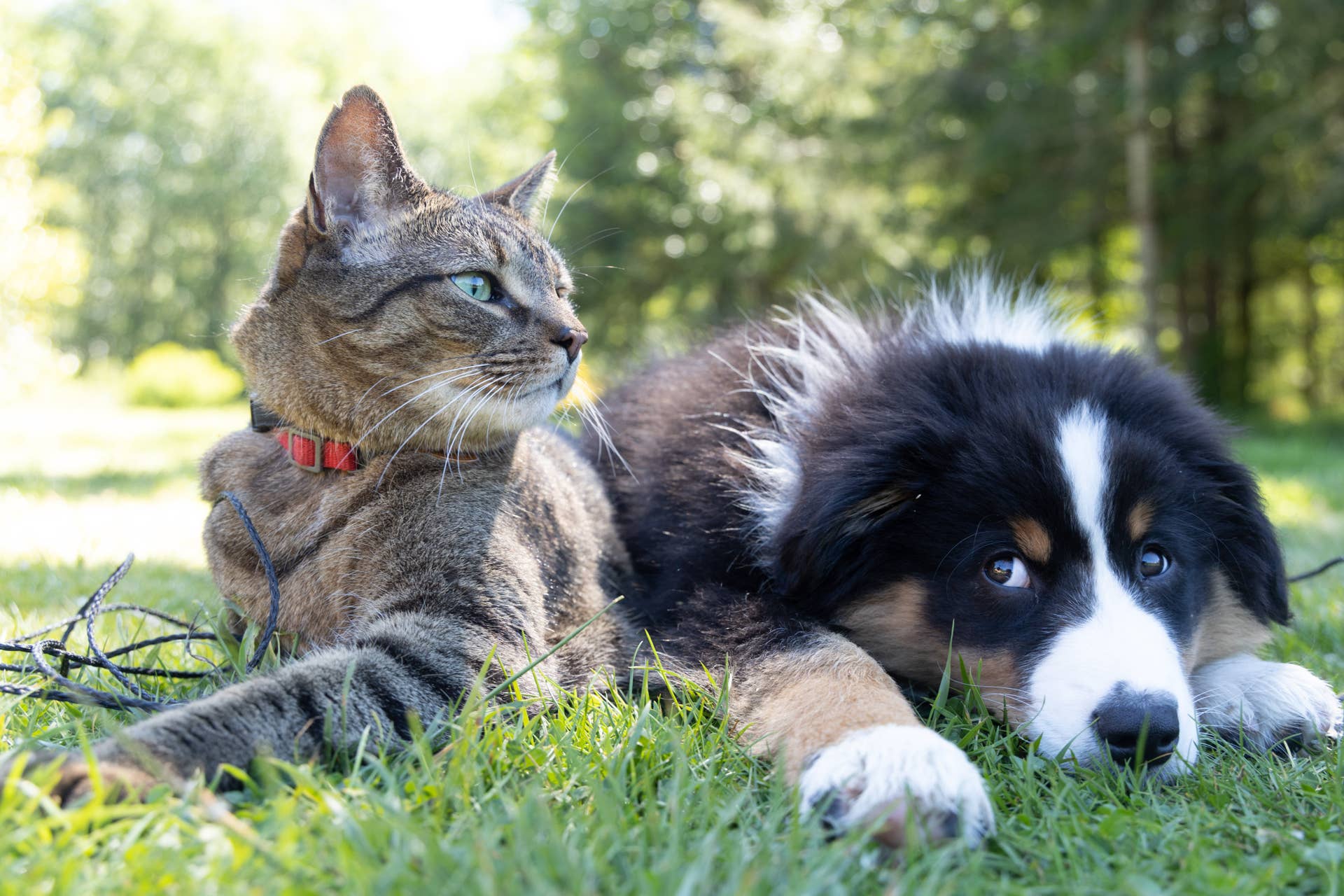
Credit: pethelpful.com
Signs Of A Healthy Dog-cat Relationship
Signs of a healthy dog-cat relationship show clear harmony between the two pets. They live together with little stress and enjoy each other’s company. Watching their behavior helps understand their bond. Healthy pets show respect, play, and share spaces calmly. These signs reveal a peaceful home for both animals.
Mutual Respect And Boundaries
Both dog and cat respect each other’s space and limits. Neither tries to force attention or invade privacy. The dog waits calmly if the cat moves away. The cat does not hiss or scratch when the dog approaches. This balance keeps tension low and trust strong.
Playful Interactions
Playtime shows good feelings between pets. They chase or gently paw at each other without fear. Their body language is relaxed, with wagging tails and soft eyes. Play is fun, never aggressive or scary. It builds friendship and keeps both pets active.
Shared Spaces Without Conflict
Both animals use the same rooms without fights. They might nap near each other or eat in the same area. No growling, barking, or hissing disturbs the peace. Calm co-existence shows they accept each other as family. This harmony makes a happy home.
Common Challenges And How To Overcome Them
Introducing a small dog to a cat can bring joy and friendship. Yet, challenges may arise during their early days together. Understanding these common challenges helps create a peaceful home for both pets. Patience and smart steps guide you through this process.
Addressing these issues early leads to better harmony. Each dog and cat is unique, so watch their behavior closely. Adjust your approach based on their reactions and progress.
Managing Prey Drive
Some small dogs have a strong prey drive. They may chase cats or show excitement around them. This can stress the cat and cause tension.
Train your dog to focus on you, using commands like “sit” and “stay.” Use treats to reward calm behavior near the cat. Supervise all interactions until trust builds between them.
Handling Jealousy Or Territorial Behavior
Dogs can feel jealous or territorial about their space. They might growl or block the cat from certain areas. Cats may hide or become defensive in return.
Give both pets separate spaces to rest and eat. Praise peaceful sharing and calm behavior. Avoid punishing pets; this can increase stress and worsen problems.
When To Seek Professional Help
Sometimes, problems last despite your efforts. Aggression, fear, or stress may increase. At this point, a trainer or behaviorist can help.
Professionals offer advice tailored to your pets’ needs. Early help prevents bigger issues later. Don’t wait too long to get support.

Credit: www.nylabone.com
Frequently Asked Questions
Which Small Dog Breeds Are Best With Cats?
Small breeds like Cavalier King Charles Spaniels, Bichon Frises, and Pugs often get along well with cats. These dogs are typically gentle, social, and less likely to chase cats, making them great companions in multi-pet households.
How To Introduce Small Dogs To Cats Safely?
Introduce them slowly in a neutral space, using leashes for control. Reward calm behavior and monitor interactions closely. Gradual introductions help reduce stress and build positive associations between the dog and cat.
Can Small Dogs And Cats Live Together Happily?
Yes, with proper introductions and supervision, small dogs and cats can live harmoniously. Their compatibility depends on individual temperaments and patience during the adjustment period.
What Small Dog Traits Help Them Get Along With Cats?
Calm, friendly, and non-aggressive traits in small dogs promote good relationships with cats. Dogs that are less prey-driven and more sociable tend to coexist peacefully with feline friends.
Conclusion
Small dog breeds can live happily with cats. Choosing calm and friendly dogs helps a lot. Both pets need time to adjust and trust. Patience and gentle introductions make a big difference. Dogs like Cavalier King Charles Spaniels often do well with cats.
Each pet has its own personality to consider. A peaceful home is possible with the right pair. Love and care help them build strong bonds. Enjoy the fun and warmth both animals bring. A happy pet family starts with smart choices.