
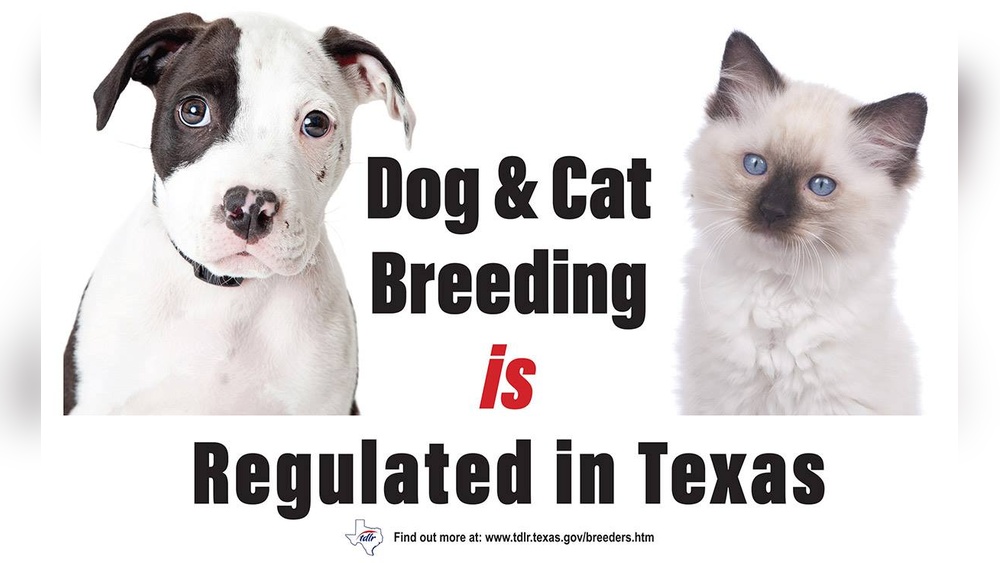
Are you thinking about breeding cats or already involved in it? Before you start, it’s crucial to understand the laws that affect you and your furry friends.
Cat breeding laws are designed to protect both animals and breeders like you. Ignoring these rules can lead to serious problems, including fines or legal trouble. You’ll discover what the laws mean for you, how to stay compliant, and why following them benefits your cats and your reputation.
Keep reading to make sure you’re fully informed and ready to breed responsibly.

Credit: www.four-paws.org
Cat Breeding Regulations
Cat breeding regulations protect the health and welfare of cats. These rules help maintain good breeding practices. They also ensure breeders follow ethical standards. Understanding these laws keeps breeders and cats safe.
Licensing Requirements
Many places require breeders to have a license. This license shows the breeder meets legal standards. It often involves an application and a fee. Licensing helps stop unregulated breeding. It protects cats from poor care.
Breeder Registration
Breeders must register with local or national authorities. Registration records help track breeders and their cats. It promotes transparency in the breeding community. Registered breeders follow specific rules. This step supports responsible breeding.
Inspection Protocols
Inspections check the condition of breeding facilities. Officials visit to ensure cats live in safe places. They look for cleanliness, space, and health care. Inspections may happen regularly or randomly. They help enforce breeding laws effectively.
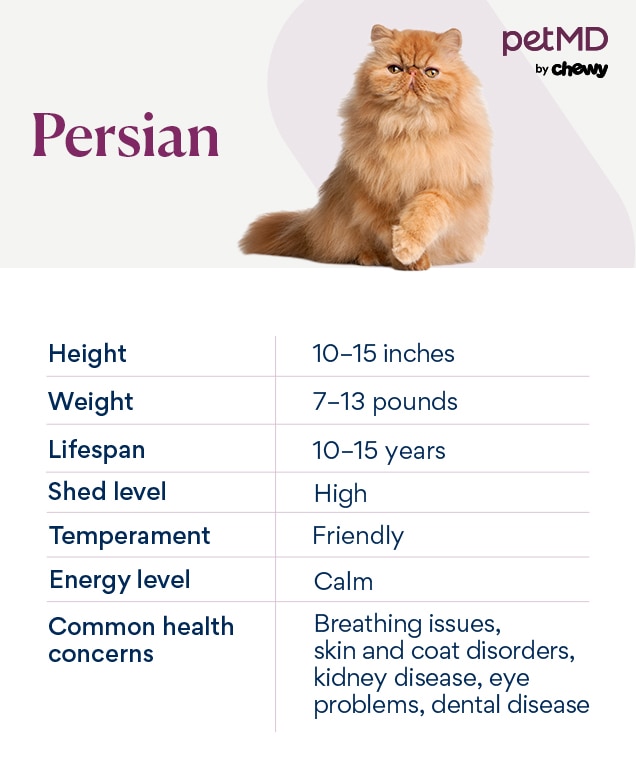
Credit: www.petmd.com
Animal Welfare Standards
Animal welfare standards are key to cat breeding laws. They protect cats from harm and ensure good living conditions. These standards focus on how cats live, their health, and how often they breed. Understanding these rules helps breeders care for cats responsibly.
Housing And Care
Cats need safe, clean, and comfortable homes. Housing must allow enough space for movement. Proper ventilation and lighting are important. Clean bedding and regular cleaning prevent diseases. Social interaction with humans or other cats supports mental health. These rules stop overcrowding and poor conditions.
Health And Veterinary Care
Cats need regular health checks by a vet. Vaccinations protect against common diseases. Breeders must treat injuries and illnesses quickly. Parasite control is essential. Record keeping of health history is often required. Healthy cats lead to better breeding outcomes.
Breeding Frequency Limits
Breeding too often can harm a cat’s health. Laws set limits on how many litters a female cat can have. Rest periods between litters are necessary for recovery. These limits reduce stress and health risks. Responsible breeding follows these rules to keep cats safe.
Sales And Advertising Rules
Understanding sales and advertising rules is vital for anyone involved in cat breeding. These rules protect buyers and ensure breeders act responsibly. They cover how sellers must share information, limit certain sales, and control advertising content.
Disclosure Obligations
Breeders must provide clear information about the cat’s health and background. Buyers should know about vaccinations, medical history, and any known issues. Full transparency helps build trust and prevents legal trouble.
Failing to disclose important details can lead to penalties. Always share honest and complete information before any sale.
Sales Restrictions
Many areas restrict selling cats to protect animal welfare. Some laws ban selling kittens below a certain age. Others limit sales to licensed breeders or shelters only.
These rules aim to stop illegal breeding and puppy mills. Complying with sales restrictions keeps cats safe and breeders legal.
Advertising Guidelines
Advertising cat sales has strict rules to avoid misleading buyers. Ads must be truthful and not exaggerate the cat’s traits. Photos should represent the actual cat for sale.
False advertising can lead to fines or losing breeding licenses. Clear, honest ads help maintain a good reputation and attract serious buyers.
Legal Responsibilities Of Breeders
Breeding cats carries important legal duties. Breeders must follow laws to protect animals and buyers. Understanding these responsibilities helps breeders avoid trouble.
These laws ensure safe and ethical practices. They cover documentation, inspections, and consequences for breaking rules. Knowing your legal duties is key for every breeder.
Record Keeping
Breeders must keep detailed records of each cat. This includes health checks, vaccinations, and breeding history. Records help track the cats’ well-being and prove legal compliance.
Accurate documents support transparency with buyers. They show that cats come from responsible breeders. Keeping clear records is a top legal requirement.
Compliance Enforcement
Authorities monitor breeders to enforce laws. Inspections may check living conditions and health standards. Breeders must cooperate with officials during these checks.
Failure to meet standards can lead to warnings or fines. Regular compliance ensures the safety of cats and buyers. Staying updated on laws helps breeders avoid issues.
Penalties For Violations
Breaking breeding laws leads to serious penalties. Fines can be heavy, and breeding licenses may be revoked. Repeat offenses might result in legal action or jail time.
Penalties protect animals from harm and stop illegal breeding. Following the law keeps breeders safe and maintains trust. Legal trouble can damage a breeder’s reputation for years.
Regional Variations In Laws
Cat breeding laws vary greatly depending on the region. Rules that apply in one place might not work in another. These differences can affect how breeders operate and what is legal. Knowing these regional variations helps breeders and buyers avoid problems.
Country-specific Rules
Each country sets its own rules for cat breeding. Some countries require breeders to have a license. Others may limit the number of litters per year. Some places focus on animal welfare, while others stress health checks. These rules affect how breeders care for cats and sell kittens.
State And Local Differences
Within countries, states and local areas often have their own laws. These rules can be stricter than national laws. Some states require breeders to register with local authorities. Others may have rules about selling kittens online or in public places. Local laws can also control the size of breeding facilities.
International Breeding Laws
International laws affect breeders who sell cats across borders. Some countries ban importing cats from certain places. Others require health certificates and vaccinations. International rules also cover animal transport and quarantine. Breeders must follow these laws to avoid fines and protect animal health.
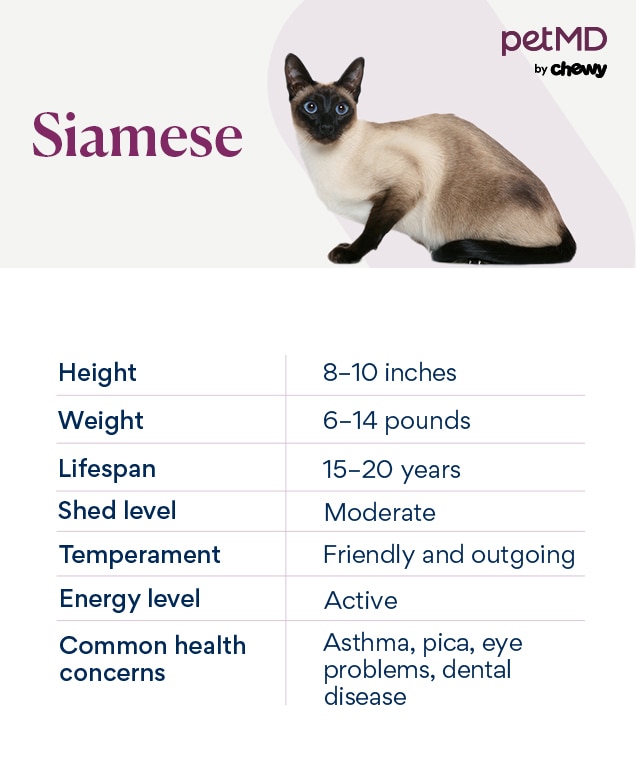
Credit: www.petmd.com
Ethical Breeding Practices
Ethical breeding practices protect the health and well-being of cats. Breeders must focus on more than just appearance. They have a duty to ensure cats live happy, healthy lives. Responsible breeders follow rules that keep cats safe and strong.
Genetic Health Considerations
Breeders must check for genetic diseases before breeding cats. Testing helps avoid passing illnesses to kittens. Healthy parents lead to healthy offspring. Choosing cats with good genetics reduces health problems. This care improves the breed’s overall condition.
Avoiding Overbreeding
Breeders should limit how often cats breed. Overbreeding can harm the mother cat’s health. It also lowers the quality of kittens. Giving cats time to rest is important. Fewer litters mean stronger, healthier cats and kittens.
Promoting Responsible Ownership
Breeders must educate new owners about cat care. Teaching proper feeding, health checks, and socializing is key. Responsible owners help cats live longer, happier lives. Good breeders support owners after adoption. This builds trust and promotes lifelong care.
Resources For Breeders
Breeding cats involves more than just care and love. Breeders must follow laws to keep cats safe and healthy. Many resources help breeders understand and follow these rules. These tools guide breeders to act responsibly and legally.
Legal Assistance
Legal help is important for breeders. Lawyers or experts explain local and national cat breeding laws. They help breeders avoid fines and legal trouble. Some offer advice on permits, licenses, and contracts. This support makes breeding safer and clearer.
Breeder Associations
Breeder groups connect people who breed cats. These groups share rules and best practices. They often set standards for healthy breeding. Members get support and advice from experienced breeders. Joining an association builds trust with buyers and the community.
Educational Materials
Books, guides, and online courses teach breeders about laws and cat care. These materials cover health, genetics, and legal duties. Clear and simple resources help breeders learn fast. Staying informed helps breeders protect cats and their business.
Frequently Asked Questions
What Are The Main Cat Breeding Laws To Know?
Cat breeding laws regulate breeding practices to ensure animal welfare. They cover licensing, health standards, and limits on litter numbers. Laws vary by location but generally aim to prevent cruelty and overbreeding. Compliance helps protect cats and breeders legally.
Do I Need A License To Breed Cats?
Most regions require a breeding license or permit. This ensures breeders meet health, safety, and ethical standards. Licensing helps track breeding activities and protect animal welfare. Check local laws to understand specific licensing requirements before starting.
What Health Standards Apply To Cat Breeding?
Breeders must maintain clean, safe environments and provide proper veterinary care. Cats should be screened for hereditary diseases. Vaccinations and regular health checks are mandatory. These standards prevent disease spread and promote healthy litters.
Are There Limits On How Many Cats I Can Breed?
Yes, many laws set limits on the number of breeding cats or litters. This prevents overcrowding and animal neglect. Limits vary by jurisdiction, so always verify local regulations before breeding multiple cats.
Conclusion
Knowing cat breeding laws helps protect both cats and breeders. These rules keep cats healthy and safe. Following the law avoids fines and legal trouble. Breeders must check local and national rules carefully. Good knowledge leads to responsible and ethical breeding.
Always stay updated because laws can change anytime. Respect for animals and laws builds trust and reputation. Keep learning and act with care for the best results.