
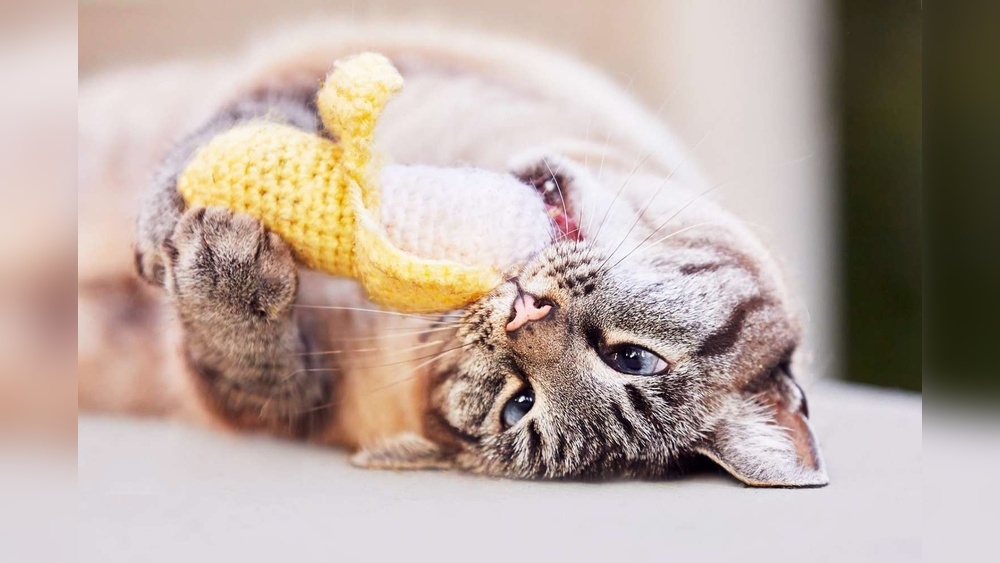
Have you ever wondered why some cats go wild for catnip while others barely notice it? If you’re a cat owner, discovering which cat breeds enjoy catnip the most can make playtime more fun and rewarding for both you and your furry friend.
Knowing how your cat reacts to catnip not only helps you choose the right toys but also strengthens the bond you share. Keep reading to find out which breeds are the biggest fans of this magical herb—and how you can use catnip to bring out your cat’s happiest, most playful side.
Catnip And Feline Behavior
Catnip is a plant that many cats love. It can change how cats behave for a short time. Some cats get very playful and happy after smelling catnip. Others might become calm and relaxed. Understanding how catnip affects cats helps pet owners enjoy playtime more.
Not every cat reacts to catnip the same way. Some cats show no interest at all. This difference depends on genetics and other factors. Let’s explore how catnip works and why some cats ignore it.
How Catnip Affects Cats
Catnip contains a chemical called nepetalactone. This chemical binds to receptors in a cat’s nose. It triggers a reaction in the brain linked to pleasure and excitement. Most cats show behaviors like rolling, rubbing, and purring. Some cats become more active and playful. Others may just seem calm and happy.
The effects last about 10 to 15 minutes. After that, cats lose interest until they rest for a while. Cats usually respond strongest to fresh or dried catnip leaves. Catnip can be a fun and safe way to encourage play and exercise.
Why Some Cats Ignore Catnip
About 30 percent of cats do not react to catnip. This lack of response is inherited from their parents. Kittens younger than three months usually do not respond either. Male and female cats react to catnip equally.
Some cats might not like the smell or taste. Others may have a lower number of receptors for nepetalactone. Environmental factors and health can also affect their interest. For these cats, other toys and treats work better to keep them happy.

Credit: www.amazon.com
Breeds Most Responsive To Catnip
Certain cat breeds react more strongly to catnip than others. Catnip can make cats playful, relaxed, or even silly. Understanding which breeds enjoy catnip the most helps cat owners provide fun and stimulation. Some cats show little to no interest in catnip due to genetics. Below are breeds known for their strong response to catnip.
Maine Coon
Maine Coons are large, friendly cats with playful personalities. They often enjoy catnip and respond with bursts of energy. These cats may roll, pounce, or rub their faces in catnip. Their love for catnip helps keep them active and entertained.
Siamese
Siamese cats are vocal and curious creatures. Catnip excites them and sparks their playful nature. They may chase toys or run around after exposure to catnip. Siamese cats show a clear and joyful reaction to this herb.
Bengal
Bengals are energetic and love to explore. Catnip can stimulate their hunting instincts. They often leap and pounce more when around catnip. This breed enjoys catnip as a fun way to release energy.
Abyssinian
Abyssinians are active and intelligent cats. Catnip triggers their playful side quickly. They may bat at toys or roll in catnip leaves. This breed often responds well to catnip’s effects and enjoys the extra playtime.
Breeds Less Interested In Catnip
Not all cats react the same way to catnip. Some breeds show little interest or no reaction at all. This section covers breeds that enjoy catnip less often. Understanding these breeds helps cat owners choose the right toys and treats.
Persian
Persian cats are calm and gentle. They prefer quiet play and soft petting. Catnip often does not excite them much. They may ignore catnip toys or treats. Persians enjoy comfort more than wild play.
Scottish Fold
Scottish Folds have a relaxed nature. Their calm behavior means less reaction to catnip. They may sniff catnip but quickly lose interest. These cats like gentle interaction instead of energetic play.
Ragdoll
Ragdolls are known for their laid-back attitude. Catnip rarely sparks excitement in this breed. They prefer cuddles and calm activities. Ragdolls often ignore catnip and focus on human company.

Credit: www.holistapet.com
Genetics Behind Catnip Sensitivity
Catnip sensitivity is not the same for every cat. This difference comes from their genes. Genes control how cats react to catnip. Understanding these genetics helps explain why some cats love catnip more than others.
Catnip contains a chemical called nepetalactone. This chemical triggers a response in cats. But only cats with certain genes can detect and react to it. These genes affect the cat’s sense of smell and brain response.
Inheritance Patterns
Catnip sensitivity is passed down from parent cats to kittens. It follows a pattern called autosomal dominant inheritance. This means only one copy of the gene is needed for a cat to react. If a cat has the gene, it usually shows a response to catnip.
Not all cats get this gene from their parents. Some cats inherit two copies, some one, and some none. Cats without the gene do not react to catnip at all. This explains why some cats ignore catnip completely.
Variations Among Cats
Even cats with the gene react differently to catnip. Some cats show strong excitement and playfulness. Others have a mild reaction or just sniff the plant. Age and health can also affect sensitivity levels.
Different breeds have different chances of carrying the catnip gene. For example, some breeds like Maine Coons and Siamese often react strongly. Other breeds have fewer sensitive cats. This variety makes catnip reactions interesting to watch.
How To Introduce Catnip Safely
Introducing catnip to your cat requires care and attention. It is important to do it safely to keep your cat happy and healthy. Catnip can excite some cats, while others may ignore it. Starting slow helps your cat understand this new scent and feel comfortable.
Choosing The Right Catnip
Select fresh, organic catnip for the best effects. Avoid old or dusty catnip as it may not work well. You can find catnip in dried form, sprays, or toys filled with catnip. Choose a type your cat can enjoy safely. Always check for any added chemicals or fillers.
Dos And Don’ts
Do offer catnip in small amounts at first. Watch your cat’s reaction closely. Give catnip in a quiet place to reduce stress. Don’t give catnip to kittens under 3 months old. Avoid giving too much, as it can cause upset stomach. Do not force your cat to interact with catnip. Respect your cat’s choice to enjoy it or not.

Credit: www.amazon.com
Alternatives To Catnip For Cats
Not all cats react to catnip. Some cats do not feel its effects at all. For these cats, there are other plants that offer similar fun and excitement. These alternatives can stimulate your cat’s senses and encourage playful behavior. They are safe and natural options to try.
Silvervine
Silvervine is a popular alternative to catnip. It comes from Asia and has two active ingredients that attract cats. Many cats respond more strongly to silvervine than to catnip. It can make cats playful, happy, and relaxed. You can find silvervine in powder or stick form for your cat to enjoy.
Valerian Root
Valerian root has a strong smell that some cats love. It can cause excitement and playful behavior. This root is often used in dried form or as a spray. Valerian root also helps some cats feel calm after playtime. It is a good choice for cats that do not react to catnip.
Tatarian Honeysuckle
Tatarian honeysuckle is a woody plant that attracts cats with its scent. It is safe and non-toxic for cats. Many cats enjoy chewing on the wood or playing with toys made from honeysuckle. This plant works well for cats that ignore catnip and silvervine. It offers a new way to keep your cat happy and active.
Frequently Asked Questions
Which Cat Breeds Respond Best To Catnip?
Breeds like Maine Coons, Bengals, and Siamese often show strong reactions to catnip. These cats enjoy playful and energetic behavior when exposed to it.
Do All Cats React To Catnip?
No, about 50-70% of cats are sensitive to catnip. Sensitivity depends on genetics and age, with kittens and older cats often less responsive.
How Does Catnip Affect Different Cat Breeds?
Catnip stimulates playful and relaxed behaviors in most sensitive breeds. Some may become hyperactive, while others prefer gentle rolling and rubbing on the herb.
Can Catnip Be Used For Cat Training?
Yes, catnip can encourage cats to use scratching posts or toys. It is a natural, safe way to motivate cats during training.
Conclusion
Catnip brings joy to many cat breeds, sparking playful moments. Not all cats react the same, but some breeds love it more. Watching your cat enjoy catnip can strengthen your bond. Keep in mind, some cats might not respond at all.
Offering catnip safely adds fun and enrichment to their day. Try giving catnip to see how your cat reacts. Each cat’s love for catnip is unique and special.