
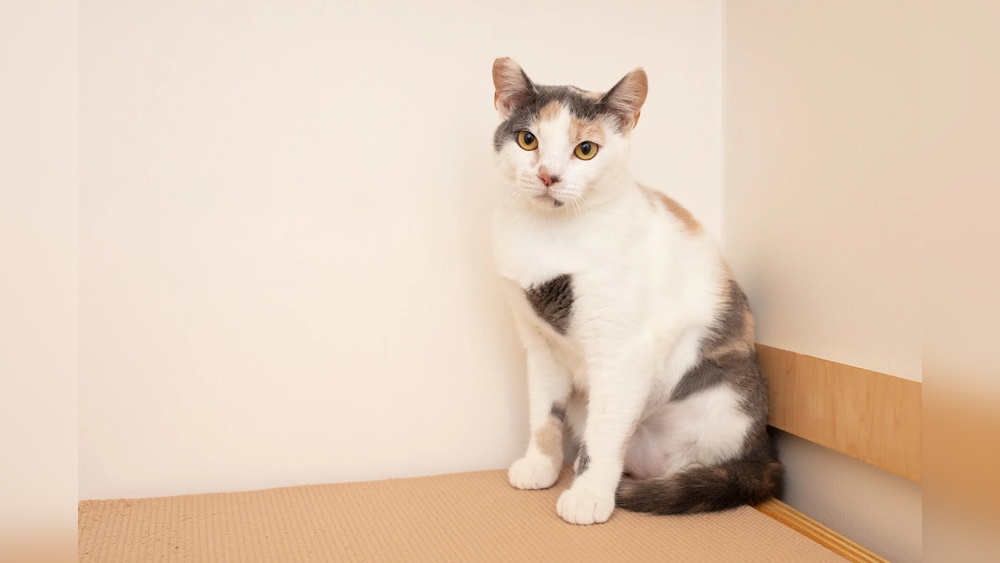
Have you ever wondered what makes a calico cat’s coat so unique and colorful? If you’re curious about where those striking patches of orange, black, and white come from, you’re in the right place.
Understanding which two cat breeds combine to create a calico can reveal fascinating facts about genetics and beauty in the feline world. Keep reading, and you’ll discover the surprising answer that might change the way you see these charming cats forever.
Credit: www.catster.com
Calico Cat Colors
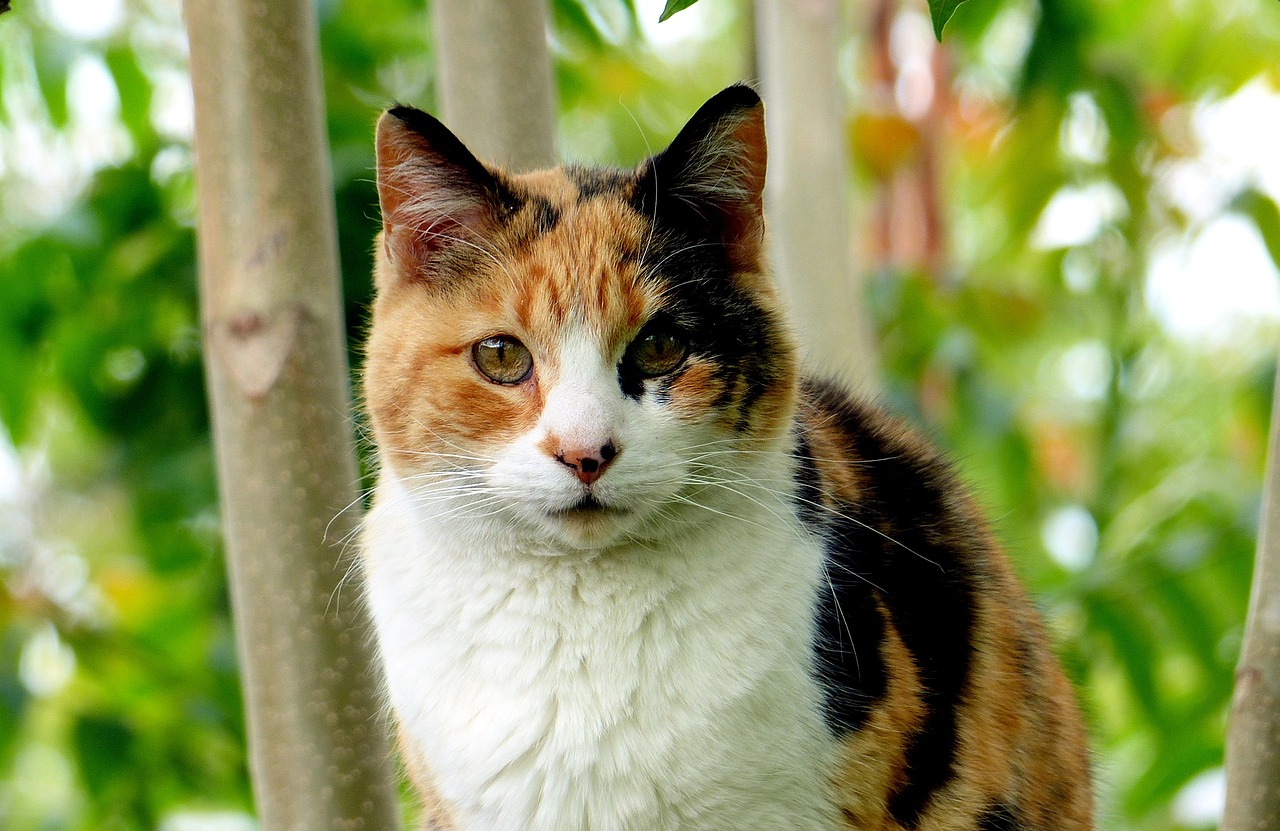
Calico cats are famous for their unique and vibrant colors. Their coats show a mix of three colors. These colors are usually white, black, and orange. The patterns make each calico cat special and easy to recognize.
The colors do not come from one specific breed. Instead, they can appear in many cat breeds. The color mix is a result of genetics, which controls the fur colors and patterns.
Distinctive Color Patterns
Calico cats have patches of white, black, and orange fur. The white color often covers a large part of the body. Black and orange spots appear in random shapes and sizes. No two calico cats have the exact same pattern.
The patches can look soft or sharp. Some cats have large blocks of color. Others show small specks or spots. The colorful coat makes calico cats very eye-catching.
Genetics Behind Calico Colors
The calico pattern is linked to the cat’s X chromosome. Female cats have two X chromosomes, which allows for two colors. Males usually have one X and one Y chromosome, so calico males are rare.
The gene for orange fur sits on the X chromosome. White fur comes from a different gene that controls spotting. The mix of these genes creates the calico pattern. This genetic combination explains why calico cats have three distinct colors.
Credit: www.shilohsvet.com
Breed One That Produces Calicos
The first breed that often produces calico cats is the Domestic Shorthair. This breed is not a specific pedigree but a category of mixed-breed cats with short fur. Domestic Shorthairs are very common and come in many colors and patterns, including the famous calico.
Calico coloring appears mainly in female cats due to genetics. The Domestic Shorthair breed easily shows this beautiful tri-color pattern. These cats are loved for their friendly nature and adaptability to many homes.
Appearance And Traits
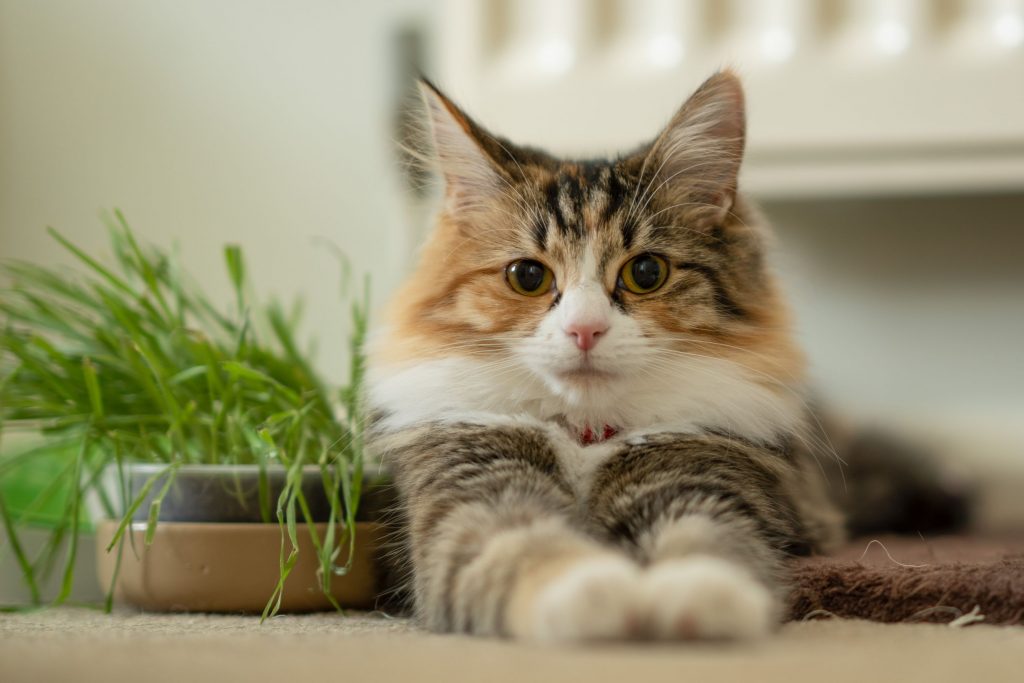
Domestic Shorthair calicos have short, smooth coats. Their fur displays patches of white, black, and orange. Each cat’s pattern is unique, with no two calicos looking the same.
These cats are medium-sized and strong. They have round eyes and ears that stand up. Their personality is playful and gentle, making them great pets.
Common Calico Examples
Many calico cats seen in homes are Domestic Shorthairs. They often have a mix of bright orange and dark black spots on white fur. These cats can have short or slightly longer hair but mostly stay short-haired.
This breed’s calicos are popular in shelters and homes worldwide. They represent the classic calico image many people love and recognize easily.
Breed Two That Produces Calicos
The second breed that can produce calico cats is the American Shorthair. This breed is popular for its friendly nature and striking coat patterns. American Shorthairs often carry the genes needed to create the classic calico colors.
These cats are strong and healthy. They adapt well to many homes. Their calm behavior makes them great companions for families and individuals alike.
Appearance And Traits
American Shorthairs have a muscular build and short, dense fur. Their coats come in many colors, including the calico pattern. The calico pattern shows patches of white, black, and orange.
This breed has round faces and large eyes. Their ears are medium-sized and slightly rounded. They usually weigh between 8 and 15 pounds.
These cats are playful but not overly active. They enjoy quiet time and gentle play. Their nature is affectionate and loyal, making them easy to care for.
Common Calico Examples
Many American Shorthairs show beautiful calico coats. These cats display the classic tri-color pattern clearly. Some have larger white areas, while others have more black or orange.
Each calico American Shorthair looks unique due to the patchy colors. Their eye colors range from green to gold. This breed’s calm personality matches their stunning appearance.
Overall, American Shorthairs are a top choice for calico lovers. They bring a mix of beauty, health, and gentle behavior to any home.
How Breeds Influence Calico Patterns
Calico cats are famous for their unique tri-color coats. These colors do not come from just one breed. Different breeds influence the patterns and colors of calico cats. Understanding how breeds affect calico patterns helps us appreciate these cats more.
Genetic Contributions
Calico patterns result from genes on the X chromosome. Female cats have two X chromosomes, allowing three colors to show. Male cats usually have one X and one Y chromosome, making calico males rare.
Breed differences affect how these genes express the colors. Some breeds carry strong genes for bright orange patches. Others have genes that create softer color blends. The mix of genes shapes the calico’s look.
Variations Across Breeds
Different breeds show calico patterns in unique ways. For example, the American Shorthair often has bold and clear color patches. The Japanese Bobtail displays more random and soft patches.
Some breeds have thicker fur, which changes how colors appear. Long-haired breeds like the Persian show blended colors more smoothly. Short-haired breeds highlight sharp color contrasts.
These breed traits make each calico cat special. The breed’s influence adds variety to calico patterns worldwide.
Care Tips For Calico Cats
Calico cats have a unique mix of colors and a lively personality. Caring for them well helps keep them happy and healthy. Understanding their specific needs makes a big difference in their life quality.
Health Considerations
Calico cats often have no special health problems tied to their colors. Regular vet visits help catch illnesses early. Watch for signs like loss of appetite or unusual behavior. Female calicos are common, but male calicos are rare and may have health issues. Keep their vaccinations and parasite control up to date. A healthy diet supports their energy and coat shine.
Grooming Needs
Calicos have short or medium fur that needs regular brushing. Brushing removes loose hair and prevents mats. It also reduces shedding around the house. Check their ears and eyes for dirt or infection. Trim their nails carefully to avoid scratches. Bathing is rarely needed unless they get very dirty. Grooming time strengthens your bond with your cat.
:strip_icc()/calico-cats-profile-554694-hero-c7ba9806ce1f4fb1b4d4edc2fd820a0d.jpg)
Credit: www.thesprucepets.com
Frequently Asked Questions
What Two Cat Breeds Create A Calico Pattern?
Calico cats often result from breeding between the Domestic Shorthair and the Japanese Bobtail. These breeds carry genes for the distinctive tri-color coat pattern seen in Calicos.
Are Calico Cats Always From Specific Breeds?
No, Calico refers to a color pattern, not a breed. Various breeds can have Calico coloring, but Domestic Shorthair and Japanese Bobtail are common examples.
Why Do Only Female Cats Show Calico Coloring?
Calico coloring depends on two X chromosomes, which females have. Male cats rarely have two X chromosomes, making Calico males very rare.
Can Calico Patterns Appear In Purebred Cats?
Yes, many purebreds like Persian and Maine Coon can display Calico patterns if they inherit the correct coat color genes.
Conclusion
Calico cats get their colors from two main breeds. These breeds mix to create the unique calico pattern. This blend gives calicos their bright orange, black, and white fur. Each calico cat looks different because of this mix. Many people love calicos for their striking appearance.
Understanding the breeds helps appreciate these cats even more. Calicos are a beautiful example of nature’s variety. Their colors tell a story of breed and genetics combined. A perfect blend that makes calicos special and loved worldwide.