
Are you dreaming of having a cat but worried about allergies? You’re not alone.
Many people love cats but suffer from sneezing, itchy eyes, or worse when they’re around. The tricky part is that some cat breeds trigger allergies more than others. Knowing which breeds to avoid can save you from discomfort and help you find the perfect furry friend who won’t make your allergies flare up.
Keep reading to discover which cats might not be the best fit for your health—and which ones could be better for you.

Credit: pacagen.com
Common Cat Allergens
Many people suffer from allergies caused by cats. Understanding common cat allergens helps manage allergic reactions. Cat allergens are proteins found in cat skin, saliva, and urine. These proteins trigger immune responses in sensitive people. Knowing how allergens work can guide choices about cat breeds.
Proteins Causing Allergies
The main allergen is a protein called Fel d 1. It comes from cat skin glands and saliva. When cats groom themselves, the protein spreads on their fur. Other proteins like Fel d 4 also cause allergies but less often. These proteins are small and sticky, making them easy to inhale.
How Allergens Spread
Allergens spread through cat fur and dander. Dander is tiny skin flakes that cats shed. These flakes float in the air and stick to surfaces. When cats lick their fur, saliva with allergens spreads. Allergens can stay in a room for months. Cleaning often reduces allergen levels but does not remove them all.
Cats With High Allergen Levels
Cats with high allergen levels can trigger strong reactions in sensitive individuals. These cats produce more of the protein Fel d 1, the main cause of allergies. Knowing which breeds tend to have higher allergen levels helps avoid discomfort. Some breeds shed more dander, which carries allergens on the skin and fur. Others groom themselves often, spreading allergens in the air. Here are some common breeds known for high allergen levels.
Siberian Cats
Siberian cats look fluffy and soft, but they have high allergen levels. They produce a lot of Fel d 1 protein. Their thick fur traps allergens close to the skin. These cats shed a lot, spreading allergens around the home. Their long hair makes it harder to control allergens.
Persian Cats
Persian cats have long, dense coats that collect allergens. They groom frequently, which spreads allergens on their fur. Their fur sheds constantly, releasing dander into the air. Persian cats often trigger strong allergic reactions. Their grooming habits increase allergen exposure for sensitive people.
Sphynx Cats
Sphynx cats have no fur but still produce allergens. Their skin oils contain Fel d 1 protein. These cats need regular baths to reduce allergens. Without fur, allergens spread through skin oils. Sphynx cats can cause allergies despite their hairless look.
Bengal Cats
Bengal cats have short, dense coats but high allergen levels. Their active grooming spreads allergens on fur and skin. Bengals shed less than other breeds but still carry allergens. Their Fel d 1 protein production is above average. Sensitive people may react strongly to Bengal cats.
Factors That Increase Allergies
Allergies to cats vary depending on several key factors. These factors raise the chance of allergic reactions in sensitive people. Knowing these helps to pick the right cat breed to avoid allergies.
Shedding And Dander Production
Shedding spreads tiny skin flakes called dander. Dander carries proteins that cause allergies. Cats that shed more create more dander. This makes allergies worse for many people. Breeds with heavy shedding are often harder for allergy sufferers.
Grooming Habits
Cats lick themselves to stay clean. This spreads saliva on their fur and skin. Saliva contains allergy-triggering proteins. Cats that groom often spread more allergens around. Some breeds groom more, raising allergy risks.
Saliva And Skin Oils
Cat saliva and skin oils hold allergy-causing proteins. These proteins stick to fur and home surfaces. Cats with oily skin may release more allergens. This can worsen symptoms for allergic people. Breeds with more skin oils may cause stronger reactions.
Breeds Often Misunderstood
Some cat breeds confuse many allergy sufferers. These breeds often get a wrong reputation for causing allergies. Their fur looks fine, but their allergens can be strong. Understanding these breeds helps allergy sufferers make better choices. Here are two breeds often misunderstood.
Balinese Cats
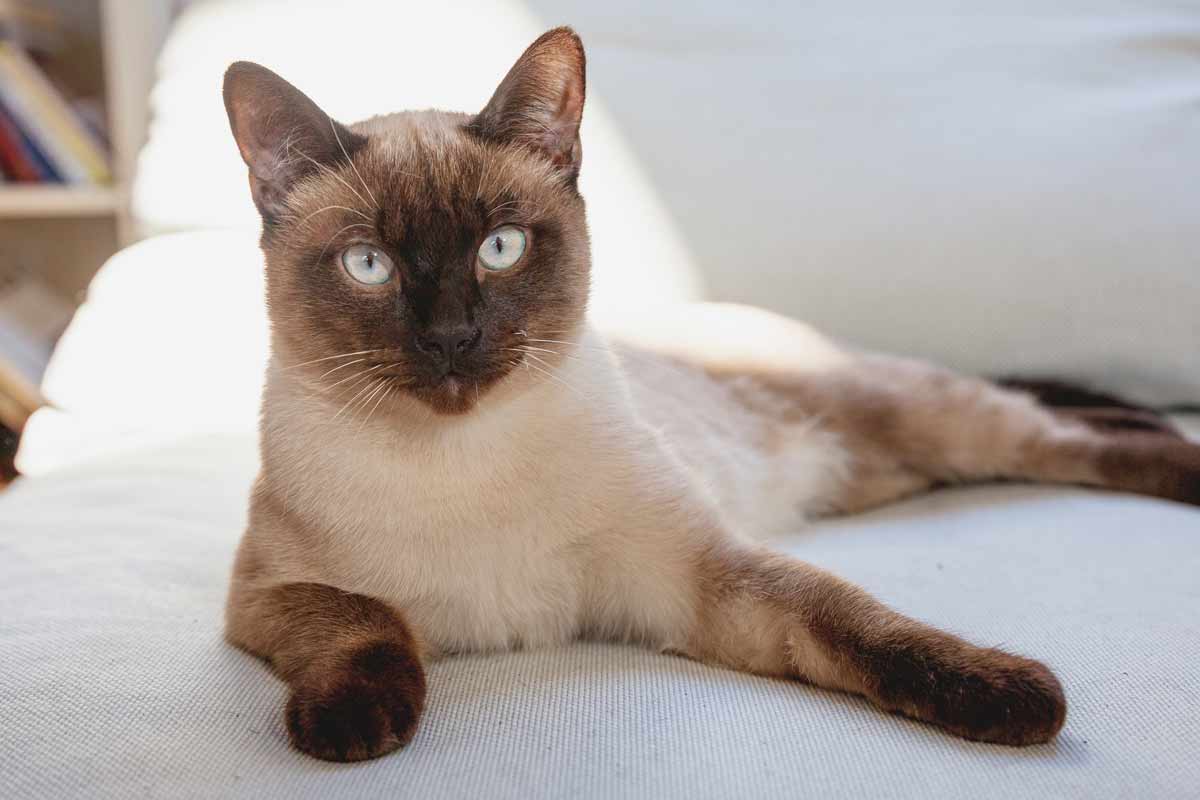
Balinese cats look like Siamese cats with longer fur. Many believe their longer hair causes more allergies. The truth is their saliva and skin produce allergens, not just fur. Balinese cats shed less than other long-haired cats. Their allergen levels are similar to short-haired cats. Still, sensitive people may react to them.
Oriental Shorthairs
Oriental Shorthairs have short, sleek fur. People think short hair means fewer allergens. This breed produces a lot of Fel d 1 protein, the main allergen. They shed less but still spread allergens through saliva and skin oils. Allergy sufferers often find this breed challenging. Testing before adoption is important for these cats.
Tips To Reduce Allergy Symptoms
Allergy symptoms from cats can make life hard for many people. Reducing these symptoms helps improve comfort at home. Simple steps can lower the amount of allergens in your space. These tips make living with cats easier for allergy sufferers.
Regular Cleaning And Grooming
Clean your home often to remove cat hair and dander. Vacuum floors and furniture with a HEPA filter vacuum. Wash cat bedding and blankets every week. Brush your cat regularly to cut down on loose fur. Grooming outside the house helps keep allergens away.
Air Filtration Solutions
Use air purifiers with HEPA filters to trap allergens in the air. Place purifiers in rooms where your cat spends time. Keep windows open when possible to let fresh air in. Avoid smoking or strong scents that can worsen allergies. Clean or change air filters in your home regularly.
Allergy Medications And Treatments
Over-the-counter allergy medicines can ease symptoms like sneezing and itching. Talk to a doctor about allergy shots or immunotherapy for long-term relief. Nasal sprays and eye drops help reduce irritation from allergens. Always follow the doctor’s advice for safe use of medications.
Credit: www.ellevetsciences.com
Credit: www.purelypetsinsurance.co.uk
Frequently Asked Questions
Which Cat Breeds Trigger Allergies The Most?
Sphynx, Siamese, and Persian cats often trigger allergies. They produce more allergenic proteins in saliva and skin oils. Avoiding these breeds can reduce allergic reactions.
Are Long-haired Cats Worse For Allergies?
Yes, long-haired cats like Persians carry more allergens in fur. Their hair traps dander and saliva proteins, increasing allergy risk. Short-haired cats may be better for allergy sufferers.
Can Hypoallergenic Cats Still Cause Allergies?
Hypoallergenic cats produce fewer allergens but can still cause mild allergies. No cat is completely allergen-free. Individual reactions vary, so spending time with the breed helps assess tolerance.
Why Do Some Cat Breeds Cause More Allergies?
Certain breeds produce higher levels of Fel d 1 protein, the main allergen. Genetic differences influence allergen production. Breeds with oily skin or frequent grooming may spread more allergens.
Conclusion
Choosing the right cat breed matters for allergy sufferers. Some breeds produce more allergens than others. Avoiding these cats can reduce sneezing and itching. Remember, no cat is completely hypoallergenic. Spending time with a cat first helps find out if allergies flare up.
Taking care of your home by cleaning often also helps. Finding a friendly cat that fits your health needs is possible. Stay informed and choose wisely for a happy, healthy pet experience.