

Have you ever noticed your cat scratching more than usual and wondered why? Some cat breeds tend to itch themselves more than others, and understanding why can help you keep your furry friend comfortable and happy.
You’ll discover which cat breeds are the itchiest and what might be causing their constant scratching. By learning these insights, you can better care for your cat and even spot early signs of skin problems before they get serious. Keep reading to find out if your cat’s breed is on the list and what you can do to ease their discomfort.
Credit: www.pumpkin.care
Causes Of Cat Itching
Cats often scratch themselves to relieve itchiness. This behavior can signal many issues. Understanding what causes cat itching helps in proper care. Some cat breeds itch more due to sensitive skin or allergies. Below are common reasons cats itch frequently.
Common Allergens
Many cats react to allergens in their environment. Dust, pollen, and mold can irritate their skin. Allergies cause redness, swelling, and constant scratching. Cats living indoors can still face allergen problems. Keeping the home clean reduces allergen exposure.
Parasites And Fleas
Parasites like fleas are a top cause of itching. Flea bites cause intense irritation and discomfort. Cats with flea allergies scratch more than others. Regular flea treatments help prevent parasite problems. Check your cat’s fur for tiny, moving bugs often.
Skin Infections
Bacterial or fungal infections lead to itchy, inflamed skin. These infections can appear as sores or scabs. Cats may lick or bite affected areas repeatedly. Early veterinary care can clear infections quickly. Keeping your cat’s skin clean helps prevent infections.
Dietary Factors
Food allergies or intolerances can trigger skin itching. Common culprits include certain proteins or grains. A poor diet may weaken the skin’s protective barrier. Switching to hypoallergenic food may ease symptoms. Monitor your cat’s reaction to new foods closely.

Credit: twinmaplesvethospital.com
Signs Of Excessive Itching
Excessive itching in cats can signal discomfort or health problems. It is important to recognize the signs early to help your cat feel better. Some cats naturally scratch more, but constant itching is not normal. Watch your cat closely for any unusual behavior or physical changes. Understanding these signs can guide you to take the right action.
Behavioral Indicators
Notice if your cat scratches more than usual. Scratching at the same spot repeatedly is a red flag. Cats may also bite or lick their fur often. Restlessness or irritability can show discomfort. Your cat might avoid being touched in itchy areas. Sudden changes in grooming habits can also indicate itching.
Physical Symptoms
Look for redness or swelling on the skin. Hair loss in patches is a common sign. Scabs or sores may appear from constant scratching. Dry or flaky skin shows irritation. Darkened skin or thickened patches can develop. These symptoms need attention to prevent infection.
When To See A Vet
Seek veterinary help if itching lasts more than a few days. If your cat’s skin looks damaged or infected, visit the vet. Intense scratching that causes bleeding needs prompt care. Your vet can find the cause and suggest treatment. Early help can stop the problem from getting worse.
Top 5 Itchy Cat Breeds
Some cat breeds tend to itch more than others. This can be due to their skin type, fur, or genetics. Knowing which breeds are more prone to itching helps owners care for their pets better. Here are the top 5 itchy cat breeds that often scratch themselves a lot.
Sphynx
The Sphynx cat has very little hair. Their skin is exposed and oily. This can cause itchiness and dryness. Owners must bathe them often to keep their skin clean. Without regular care, Sphynx cats can become uncomfortable and scratch more.
Devon Rex
Devon Rex cats have soft, curly fur that feels like velvet. Their skin is sensitive and prone to irritation. The thin coat does not protect well from allergens. They may scratch due to dry skin or allergies. Gentle grooming helps reduce their itching.
Siamese
Siamese cats have short, fine fur. Their skin is delicate and can get dry easily. This breed can develop skin allergies causing itchiness. Regular brushing and moisturizing can help soothe their skin. Owners should watch for signs of excessive scratching.
Oriental Shorthair
Oriental Shorthairs have sleek, short coats. Their thin fur offers little protection. They may itch due to dry or sensitive skin. This breed benefits from a balanced diet and skin care. Keeping their environment clean reduces potential irritants.
Abyssinian
Abyssinians have short, dense fur. Their active nature can lead to skin stress. This breed sometimes develops allergies or dry skin. Regular grooming and vet check-ups help control itching. Owners should note any changes in their cat’s skin health.
Breed-specific Itching Traits
Cats of different breeds show unique itching behaviors. Some breeds scratch more due to their genetic makeup or skin type. Understanding these traits helps in managing their comfort and health. This section explores how breed influences itching in cats.
Genetic Factors
Genetics play a key role in a cat’s tendency to itch. Certain breeds inherit skin sensitivities that cause frequent scratching. For example, Siamese cats often have genetic allergies affecting their skin. These inherited traits can make some cats itch more than others.
Skin Type And Coat Influence
The type of skin and coat affects how cats feel and react. Cats with thin or short coats may feel irritations more sharply. Breeds like the Sphynx have little hair, which exposes their skin to allergens. Thick-coated cats can also trap dirt and cause itchiness under their fur.
Common Allergies By Breed
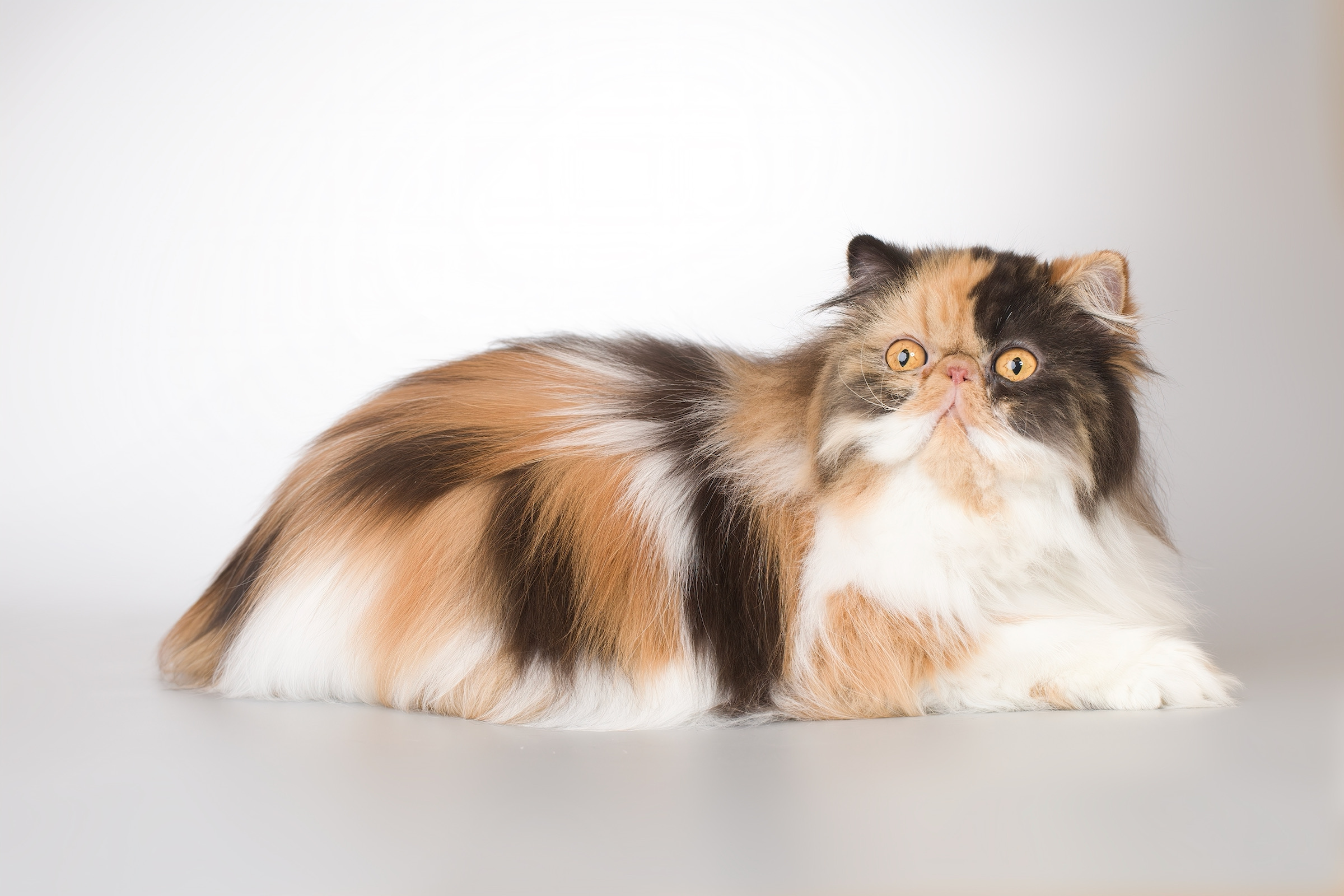
Allergies can cause itching in many cat breeds. Some breeds are more prone to certain allergies than others. For instance, Persian cats often suffer from food allergies. Burmese cats might react to environmental allergens. Knowing common allergies helps in reducing their itch problems.
Managing Itching In Cats
Managing itching in cats is important for their health and happiness. Itching can cause discomfort and skin problems. Understanding how to reduce itching helps keep your cat calm and healthy.
Many factors cause itching in cats. Allergies, parasites, dry skin, and infections are common reasons. Proper care and treatment reduce these problems and improve your cat’s life.
Preventive Care
Regular grooming removes dirt and loose fur. It helps spot skin issues early. Use a gentle brush suitable for your cat’s fur type.
Keep your home clean to reduce allergens. Wash your cat’s bedding often. Avoid strong chemicals or sprays around your cat.
Feed a balanced diet. Good nutrition supports healthy skin and coat. Talk to your vet about the best food for your cat.
Treatment Options
Consult your vet if itching lasts more than a few days. They may recommend medicated shampoos or creams. These products soothe the skin and reduce itching.
Parasite control is key. Flea treatments and regular vet check-ups stop infestations. Follow the vet’s advice on medications and dosages.
In some cases, antihistamines or steroids help reduce severe itching. Use these only under veterinary guidance to avoid side effects.
Home Remedies And Tips
Oatmeal baths calm irritated skin. Use lukewarm water and a gentle oatmeal solution. Rinse well and dry your cat carefully.
Keep your cat’s claws trimmed. Short nails reduce skin damage from scratching. Use special cat nail clippers and be gentle.
Provide a stress-free environment. Stress can increase itching. Offer cozy spots and quiet areas for your cat to relax.

Credit: www.holistapet.com
Frequently Asked Questions
Which Cat Breeds Are Most Prone To Itching?
Sphynx, Devon Rex, and Oriental Shorthair cats often itch more due to sensitive skin. Their unique coat types can cause dryness and irritation, leading to frequent scratching compared to other breeds.
Why Do Some Cat Breeds Itch More Than Others?
Differences in skin sensitivity, allergies, and coat types cause some breeds to itch more. Genetic factors and grooming habits also influence how often a cat scratches.
Can Breed-specific Allergies Cause Increased Itching In Cats?
Yes, certain breeds are prone to environmental or food allergies that trigger itching. These allergies can cause redness, inflammation, and discomfort, leading to frequent scratching.
How Can I Reduce My Cat’s Itching Problems?
Regular grooming, using hypoallergenic shampoos, and a balanced diet can help. Consulting a vet for allergy testing or medication also reduces itching effectively.
Conclusion
Certain cat breeds tend to itch more than others. This can be due to skin type, allergies, or genetics. Knowing which breeds itch helps you care for your cat better. Regular grooming and vet visits reduce discomfort and itching. Watch for signs of irritation to keep your cat happy.
A healthy, itch-free cat means a happier home. Understanding your cat’s needs makes all the difference. Simple care can prevent many skin problems. Keep your furry friend comfortable and loved every day.