
Are you curious about how cats reproduce and what cycle breeding means for your feline friend? Understanding cycle breeding in cats can help you take better care of your pet and make informed decisions if you’re considering breeding.
This simple yet important concept affects your cat’s health, behavior, and well-being. Keep reading to discover what cycle breeding is, why it matters, and how it impacts your cat’s life. You’ll learn everything you need to know to feel confident and prepared.
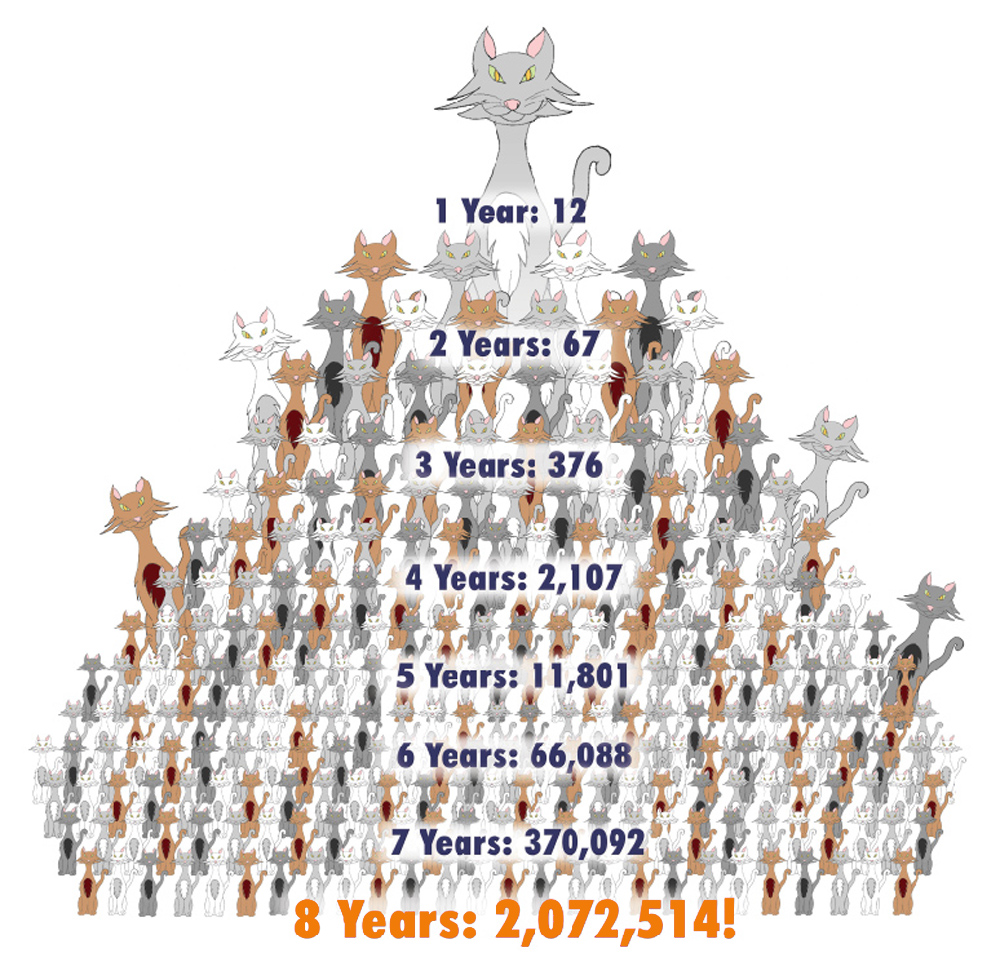
Credit: spayneuter.org
Basics Of Cycle Breeding
Cycle breeding in cats involves managing their natural reproductive cycles. It helps breeders plan matings effectively. Understanding the basics is key to successful breeding outcomes.
Definition And Purpose
Cycle breeding means tracking a female cat’s heat cycles. It focuses on timing mating during her most fertile days. This practice improves chances of pregnancy and healthy kittens. Breeders aim to match cycles to breed at the right moment.
Key Terms To Know
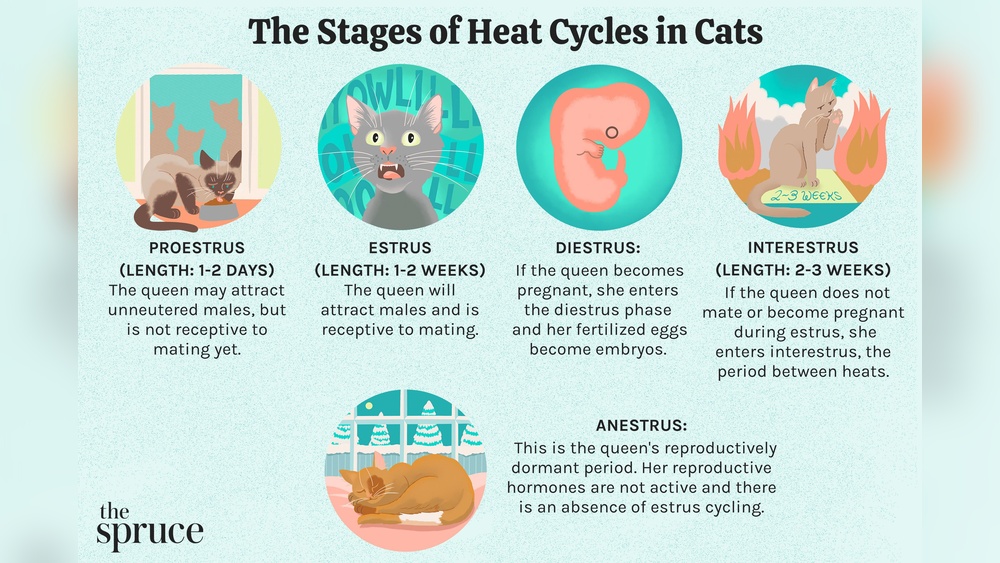
Estrus: The period when a female cat is in heat and ready to mate.
Proestrus: The stage before estrus when signs of heat begin.
Diestrus: The period after estrus when the cat is not fertile.
Interestrus: The time between heat cycles if no pregnancy occurs.
Cat Reproductive Cycles
Cats have unique reproductive cycles that differ from many other animals. Understanding these cycles helps cat owners and breeders manage their pets better. Female cats go through regular phases that prepare them for mating and pregnancy. These cycles repeat several times a year, especially in warmer months. Knowing about these phases can clarify the behavior of cats during breeding times.
Estrous Cycle Phases
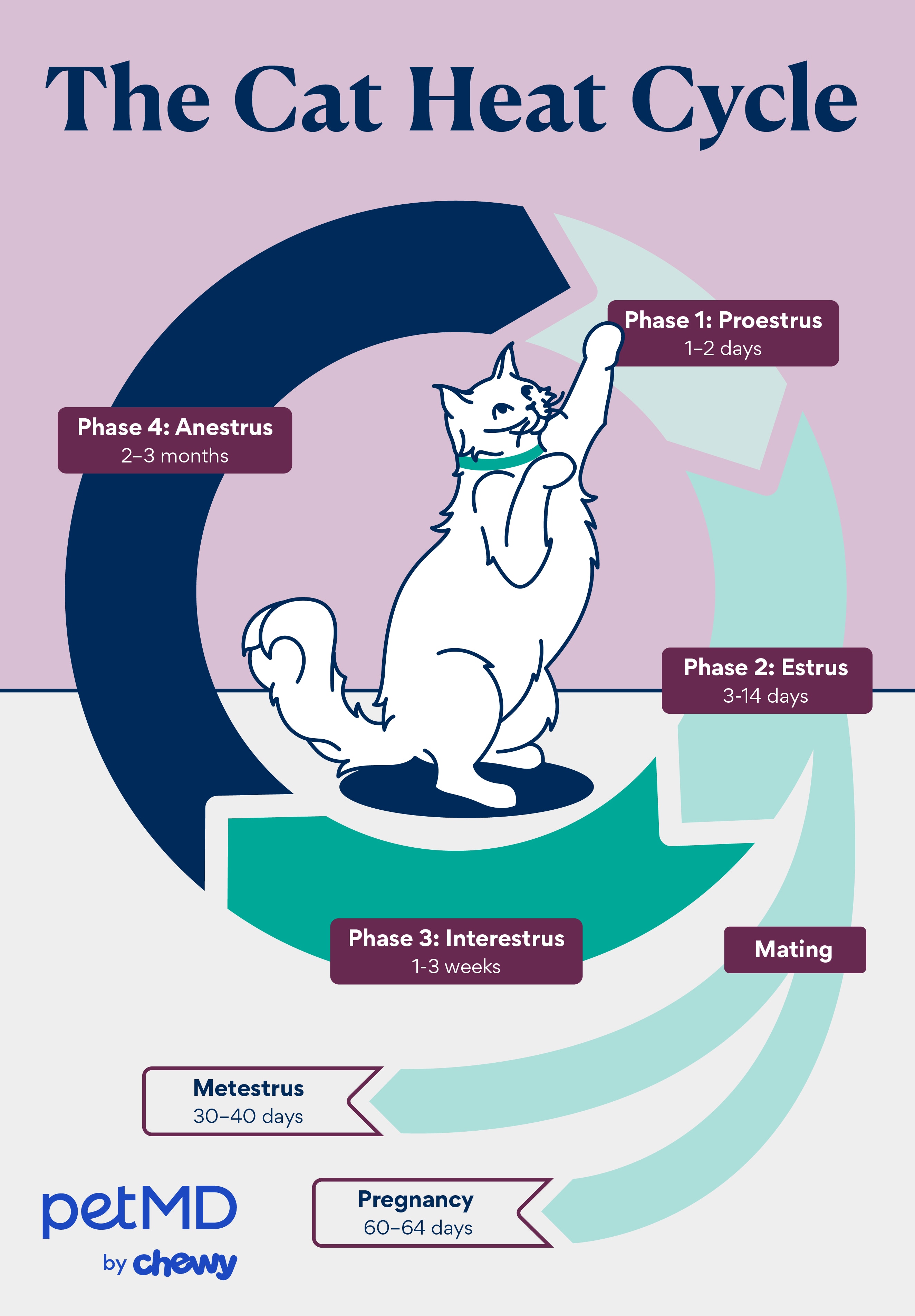
The estrous cycle in cats has several key phases. It starts with proestrus, where the cat may become more affectionate but does not accept males yet. Next is estrus, also called heat, where the female is ready to mate. If mating does not happen, the cat enters metestrus, a short phase before diestrus. Diestrus is when the cat’s body either prepares for pregnancy or returns to normal. If no pregnancy occurs, the cycle starts again.
Signs Of Heat In Cats
During heat, female cats show clear signs. They often become more vocal, making loud meows or yowls. Their body language changes; cats may rub against objects and people more than usual. Some cats roll on the floor or raise their hindquarters. They may also display restlessness and increased affection. These signs help owners recognize when their cat is in heat and ready to breed.
Benefits Of Cycle Breeding
Cycle breeding offers clear benefits for cat breeders and queens alike. This method follows the natural reproductive cycle of the female cat. Breeders can improve outcomes and support feline health with this approach. Understanding these benefits helps create a better breeding plan.
Improved Breeding Success
Cycle breeding helps time mating to match the queen’s fertile period. This timing increases the chance of successful fertilization. It reduces the number of unsuccessful breeding attempts. Breeders see higher pregnancy rates and healthier litters. This method also saves time and resources.
Health Advantages For Queens
Following the queen’s natural cycle reduces stress and health risks. It avoids overbreeding, allowing the cat’s body to recover fully. This rest supports stronger immune systems and better overall health. Queens experience less fatigue and fewer complications. Healthy queens are more likely to have healthy kittens.
Risks And Challenges
Cycle breeding in cats involves managing their reproductive cycles for mating purposes. This practice carries certain risks and challenges that pet owners must understand. Ignoring these risks can harm the cat’s health and well-being. Understanding the potential problems helps ensure safer breeding practices.
Potential Health Issues
Cycle breeding can cause stress on a cat’s body. Frequent heat cycles may lead to infections in the reproductive organs. Some cats develop serious diseases like pyometra, a dangerous uterine infection. Repeated breeding without breaks can weaken the immune system. This increases the chance of illness and longer recovery times. Breeding too often also raises risks of birth complications.
Behavioral Changes
Cats in heat show noticeable behavior shifts. They may become more vocal and restless. Some cats act aggressively or try to escape outdoors. These changes can be stressful for both the cat and owner. Prolonged cycles or too many cycles can worsen these behaviors. It affects the cat’s mood and daily routine. Owners need patience and care during these times.
Timing And Planning Breeding
Timing and planning are key to successful cat breeding. Knowing the best time helps ensure healthy kittens. It also reduces stress for the mother cat. Careful planning increases the chances of a smooth pregnancy and birth. Understanding the cat’s heat cycles is essential for this process.
Ideal Breeding Windows
Cats have specific times when they can conceive. These are called heat cycles or estrus. Each cycle lasts about 7 to 10 days. The best time to breed is during the peak of this cycle. Usually, this is around the third to fifth day of heat. Breeding outside this window lowers the chance of pregnancy. Track the cat’s cycle to find the ideal breeding window.
Monitoring Techniques
Watching the cat’s behavior helps identify heat cycles. Signs include louder meowing and increased affection. Physical changes like swollen genitals may also appear. Some breeders use temperature tracking to spot ovulation. Keeping a calendar of heat cycles aids timing. Regular vet check-ups can confirm the best breeding time. Careful monitoring ensures better planning and healthier kittens.
Credit: www.petmd.com
Care During Breeding Cycles
Caring for a cat during her breeding cycle is very important. The right care helps keep the cat healthy and comfortable. This care includes proper food, a good environment, and regular health checks. Paying attention to these details supports the cat’s well-being and successful breeding.
Nutrition And Environment
Good nutrition is key during the breeding cycle. Feed your cat high-quality food rich in proteins and essential nutrients. Fresh water should always be available. The environment must be calm and safe. Provide a quiet space with soft bedding where she can rest. Avoid loud noises and stress to keep her relaxed.
Veterinary Support
Regular veterinary visits are important throughout the breeding cycle. The vet can check the cat’s health and spot any issues early. Vaccinations and parasite control should be up to date. Follow the vet’s advice on supplements or medicines. Quick action helps prevent problems and supports a healthy pregnancy.
Common Myths And Misconceptions
Many cat owners have questions about cycle breeding. Some believe wrong ideas that cause confusion. It is important to clear up these myths. Understanding the facts helps with better care and breeding decisions.
Cycle Breeding Vs. Continuous Breeding
Cycle breeding means breeding cats only during their natural heat cycle. Continuous breeding means breeding without breaks. Some think continuous breeding is better for more kittens. This is not true. Continuous breeding can harm the cat’s health. Cycle breeding lets the cat rest and recover. It keeps the cat strong and healthy over time.
Fertility Myths
Many believe cats are fertile all the time. Actually, cats have specific times called heat cycles. Cats are only fertile during these times. Some think cats should breed every heat. This is wrong and stressful for the cat. Giving breaks between heat cycles helps maintain fertility. It also improves the quality of kittens born. Proper timing is key for healthy breeding.
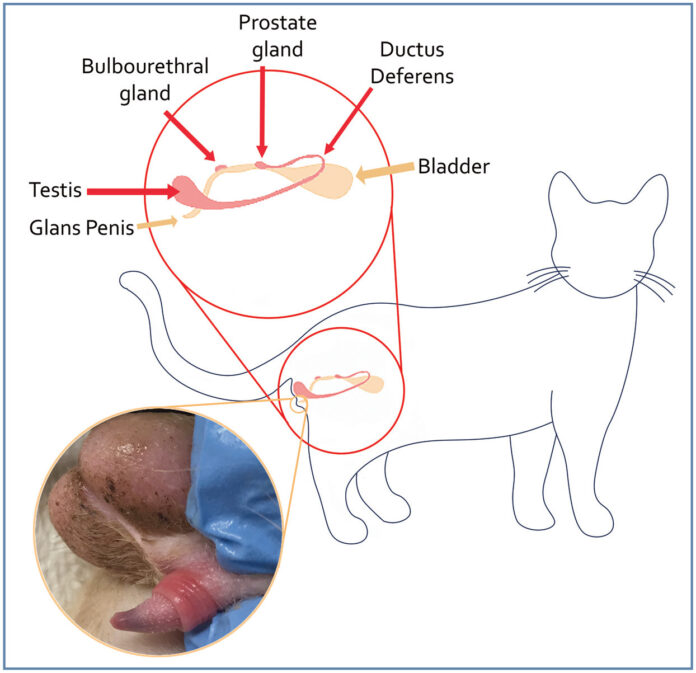
Credit: www.pashudhanpraharee.com
Frequently Asked Questions
What Is Cycle Breeding In Cats?
Cycle breeding in cats refers to managing their reproductive cycles to optimize mating times. It involves tracking heat periods for successful breeding. This practice helps improve conception rates and healthy litter outcomes by aligning mating with the female cat’s fertile phase.
How Long Is A Cat’s Breeding Cycle?
A cat’s breeding cycle typically lasts 2 to 3 weeks. It includes several heat periods unless the cat becomes pregnant. Each heat cycle allows the female to be receptive to mating, usually occurring every few weeks during breeding season.
Why Is Understanding Cat Breeding Cycles Important?
Understanding cat breeding cycles helps breeders time mating correctly. It ensures higher chances of pregnancy and healthier kittens. Proper cycle knowledge also prevents unwanted pregnancies and helps in planning for the care of both the mother and offspring.
Can Cycle Breeding Affect A Cat’s Health?
Cycle breeding, when managed properly, generally does not harm a cat’s health. However, frequent breeding without adequate rest can cause stress and health issues. Responsible breeders ensure appropriate intervals between cycles for the cat’s well-being.
Conclusion
Cycle breeding in cats helps manage their health and reproduction well. Understanding their heat cycles improves care and timing for breeding. It also supports responsible pet ownership and reduces unwanted litters. Paying attention to these cycles keeps cats happier and healthier.
Knowing this info benefits both cats and their owners. Keep learning to give your cat the best care possible.