
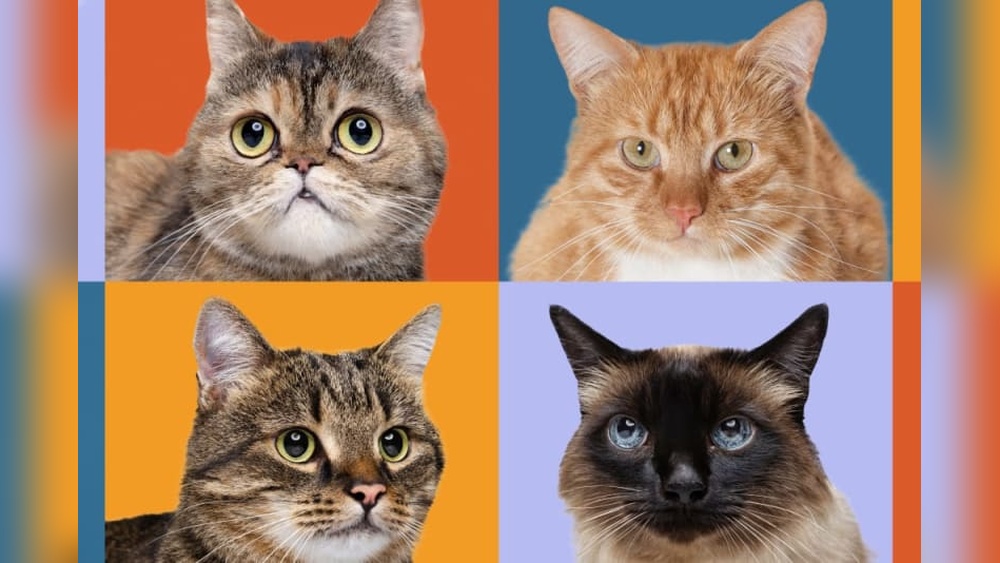
Are you thinking about keeping your furry friend safe and happy inside your home? Not all cats mind being indoors, and some breeds actually thrive without stepping outside.
Knowing which cat breeds are okay being indoor cats can save you from worries about their health and happiness. You’ll discover the best breeds that adapt well to indoor life, so you can make the right choice for your family and your lifestyle.
Keep reading to find the perfect indoor companion who’ll love your home as much as you do.
Benefits Of Indoor Cats
Keeping cats indoors has many benefits for both the pet and the owner. Indoor cats live longer and stay healthier. They avoid dangers like cars, predators, and diseases. This makes indoor living a safe choice for many cat breeds.
Indoor cats also get more attention and love from their owners. They build strong bonds and feel secure in their homes. This often leads to happier and calmer cats.
Improved Safety And Health
Indoor cats avoid accidents and injuries outside. They are less likely to catch fleas, ticks, or other parasites. This reduces vet visits and medical costs. Their immune systems stay stronger without exposure to many outdoor germs.
Longer Lifespan
Indoor cats live up to twice as long as outdoor cats. They avoid fights with other animals and dangerous roads. This means more years to enjoy with your furry friend. A longer life is a big benefit of indoor living.
Protection From Harsh Weather
Indoor cats stay safe from rain, cold, and heat. Extreme weather can cause illness or stress in outdoor cats. Inside, they stay comfortable no matter the season. This helps maintain their health and mood.
Better Behavior And Socialization
Indoor cats learn to enjoy human company more. They get used to routines and household noises. This makes them less anxious and more playful. Indoor life helps cats develop good social skills.
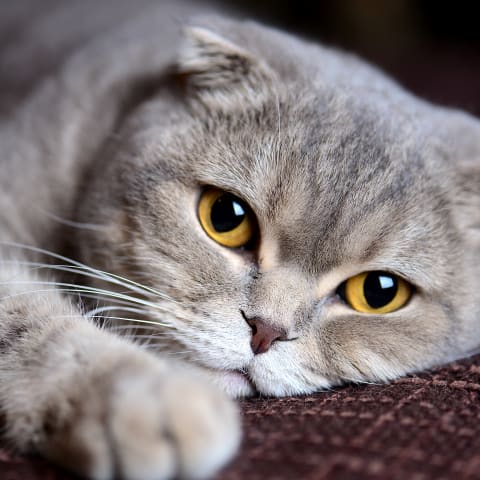
Credit: www.memphisveterinaryspecialists.com
Traits Ideal For Indoor Living
Some cat breeds thrive indoors better than others. Their traits suit indoor living well. These traits keep cats happy and healthy inside your home. Understanding these traits helps pick the right indoor cat breed.
Calm And Laid-back Nature
Indoor cats often enjoy quiet environments. Calm cats do not get stressed easily. They handle small spaces well. Laid-back cats prefer resting and cuddling. These cats adapt well to indoor life.
Low Energy Levels
Some cats need less exercise and play. Low-energy cats stay relaxed indoors. They do not require large spaces. These cats enjoy short play sessions. They are less likely to get bored.
Friendly And Social Behavior
Indoor cats often meet family members daily. Friendly cats enjoy human company. They seek attention and enjoy petting. Social cats get along with other pets. They feel safe and loved indoors.
Curiosity Without Escaping Urges
Curious cats explore their environment safely. They enjoy toys and puzzles inside. Cats with low escape urges stay indoors. They do not try to run outside. This trait prevents accidents and losses.
Good Adaptability To Routine
Indoor cats live by daily routines. They adjust well to feeding times. Routine helps reduce stress and anxiety. Cats liking routine feel secure at home. They thrive in stable indoor environments.
Ragdoll
The Ragdoll is a large, gentle cat breed known for its calm nature. This breed loves to stay indoors and enjoy quiet time. Ragdolls often follow their owners around like a loyal friend. Their soft, silky coat and striking blue eyes make them very attractive pets.
Ragdolls adapt well to indoor life. They rarely show signs of stress inside a home. This breed prefers a peaceful environment without loud noises. They enjoy lounging on furniture and being petted often. Their laid-back personality suits apartment living perfectly.
Personality Traits
Ragdolls are friendly and social cats. They enjoy human company and rarely act shy. They often greet visitors with curiosity and warmth. These cats get along well with children and other pets. Their calm and trusting nature makes them perfect indoor companions.
Exercise Needs
Ragdolls do not need much exercise. Short play sessions throughout the day keep them happy. Toys like feather wands and balls work well. They prefer gentle play rather than chasing or climbing. Indoor activities help maintain their health and weight.
Grooming Requirements
Ragdolls have medium-long fur that needs regular care. Brushing two to three times a week prevents mats and tangles. Their coat does not shed as much as other long-haired cats. Bathing is rarely needed unless they get dirty. Regular grooming keeps them comfortable and healthy.
Health Considerations
Ragdolls are generally healthy but prone to some issues. Heart disease and bladder problems occur in some cats. Regular vet visits help catch health concerns early. Feeding a balanced diet supports their well-being. Keeping them indoors protects them from accidents and diseases.
British Shorthair
The British Shorthair is a popular cat breed known for its calm and friendly nature. This breed adapts well to indoor living. British Shorthairs enjoy quiet homes and simple playtimes. Their easygoing attitude makes them perfect companions for families and singles alike.
These cats have a dense, plush coat that comes in many colors. Their round faces and big eyes give them a sweet, approachable look. British Shorthairs are not very active, which suits indoor life well. They prefer lounging and gentle play over wild adventures.
Temperament And Personality
British Shorthairs are gentle and affectionate. They rarely show aggressive behavior. These cats enjoy human company but are not overly demanding. They often bond closely with one or two family members. Their calm nature means they do not get stressed easily indoors.
Exercise Needs
This breed has moderate exercise needs. Short play sessions with toys keep them happy and healthy. They do not require large spaces to run. A few minutes of daily activity help maintain their weight. British Shorthairs are content with indoor games and soft climbing spots.
Grooming And Care
British Shorthairs have thick coats that need regular brushing. Weekly grooming keeps their fur smooth and clean. This also reduces shedding around the house. Their grooming needs fit well with indoor living routines. Regular vet visits ensure they stay healthy indoors.
Scottish Fold
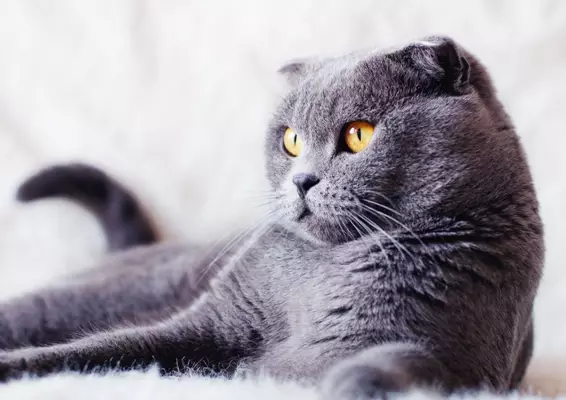
The Scottish Fold is a unique cat breed known for its folded ears. These small ears give it a cute and distinctive look. Scottish Folds are gentle, calm, and love spending time indoors.
They adapt well to indoor life and enjoy quiet homes. These cats form strong bonds with their owners. They like soft places to rest and toys to play with.
Temperament Of Scottish Fold
Scottish Folds are friendly and easygoing. They get along well with children and other pets. Their calm nature makes them great indoor companions. They enjoy gentle play and lots of attention.
Care Needs For Indoor Scottish Folds
Scottish Folds need regular grooming to keep their coat soft. Check their ears often to avoid infections. They benefit from daily play to stay active and healthy. A balanced diet helps maintain their well-being.
Health Considerations For Indoor Life
This breed can have joint issues due to their unique ear cartilage. Regular vet check-ups are important for early detection. Providing a safe and calm environment reduces stress. Indoor life helps protect them from outdoor dangers.
Credit: bowwowinsurance.com.au
Persian
Persian cats are one of the most popular indoor cat breeds. They have long, thick fur and a calm personality. These cats enjoy quiet and cozy environments. Their gentle nature makes them perfect for indoor living. Persians need regular grooming because of their dense coat. They thrive in homes where they get lots of attention and care.
Temperament And Personality
Persians are calm and loving cats. They do not like loud noises or sudden movements. These cats prefer sitting on laps or soft cushions. They enjoy gentle petting and quiet time. Persians are not very active but enjoy short play sessions.
Grooming Needs
Persian cats require daily brushing to avoid mats and tangles. Their long fur can trap dirt and dust easily. Regular grooming helps keep their coat healthy. Bathing them every few weeks is also important. Grooming sessions can be a bonding time for owner and cat.
Health Considerations
Persians have some health issues to watch for. Their flat faces can cause breathing problems. Eye discharge is common and needs cleaning. Regular vet visits help keep these cats healthy. Indoor living protects them from many outside dangers.
Ideal Indoor Environment
Persians like calm and stable homes. Soft beds and quiet corners make them happy. They prefer warm places away from drafts. Toys and gentle play keep them entertained. Avoid overcrowded spaces to reduce stress.
Sphynx
The Sphynx cat is a unique breed known for its hairless appearance. This breed has smooth skin and large ears. Their friendly and playful nature makes them great indoor pets.
Sphynx cats love to be around people. They enjoy attention and often follow their owners around. Their social behavior suits indoor living well.
The Sphynx’s Grooming Needs
Despite having no fur, Sphynx cats need regular skin care. Their skin can get oily and dirty without fur. Weekly baths help keep their skin clean and healthy.
Temperature Sensitivity
Sphynx cats feel cold easily because they lack fur. They need warm places inside the house. Soft blankets and heated beds keep them comfortable.
Activity Level And Playfulness
This breed is active and loves to play. Toys and climbing spaces help keep them busy. Indoor environments with stimulation suit their energy.
Health Considerations
Sphynx cats need regular vet visits. Their skin can be sensitive and prone to issues. Early checkups help catch problems before they grow.
Burmese
The Burmese cat is a great choice for indoor living. They love being close to people and enjoy quiet, safe spaces. Burmese cats are gentle, playful, and very social. They adapt well to apartments and smaller homes.
These cats have short, shiny coats that need little grooming. Their curious nature keeps them entertained indoors. Burmese cats often form strong bonds with their owners. They seek attention but are not too demanding.
Personality And Temperament
Burmese cats are friendly and affectionate. They enjoy playing with toys and humans. These cats are intelligent and like to explore. They do well with children and other pets. Burmese cats rarely show aggression or fear.
Exercise And Activity Needs
They need moderate playtime every day. Interactive toys help keep them active. Burmese cats love climbing and jumping. Providing cat trees or shelves is helpful. Indoor exercise prevents boredom and obesity.
Health And Grooming
Burmese cats have few health problems. Regular vet check-ups ensure they stay healthy. Their short fur requires minimal brushing. Cleaning their eyes and ears is important. A balanced diet supports their shiny coat.
Suitability For Indoor Life
Burmese cats thrive indoors with human company. They dislike being alone for long hours. These cats enjoy cozy resting spots. Keeping them inside protects from dangers outside. Burmese cats make loyal indoor companions.
Tips For Keeping Indoor Cats Happy
Keeping indoor cats happy needs careful attention. Cats need more than just food and shelter. They require play, comfort, and mental stimulation. Following simple tips helps your cat stay healthy and joyful inside your home.
Provide Plenty Of Toys And Playtime
Indoor cats need toys to stay active. Toys like balls, feathers, and laser pointers keep them moving. Play sessions help reduce boredom and stress. Spend time daily playing with your cat.
Create Comfortable Resting Spots
Cats love cozy places to rest. Soft beds near windows or quiet corners are perfect. Changing the resting spots sometimes keeps their interest alive. Warm and safe spots make cats feel secure.
Offer Vertical Space To Climb
Cats enjoy climbing and watching from high places. Cat trees or shelves give them this chance. Vertical space helps them exercise and feel safe. It also reduces boredom and keeps them busy.
Keep A Clean Litter Box
Clean litter boxes are a must for indoor cats. Dirty boxes cause stress and bad behavior. Scoop daily and change litter weekly. Place boxes in quiet, easy-to-reach spots.
Give Fresh Water And Balanced Food
Fresh water must always be available. Good nutrition supports health and energy. Feed high-quality cat food on a regular schedule. Avoid overfeeding to prevent weight problems.

Credit: www.eliteveterinarycare.com
Frequently Asked Questions
Which Cat Breeds Adapt Best To Indoor Living?
Breeds like Ragdolls, British Shorthairs, and Persians adapt well indoors. They have calm temperaments and low activity needs, making them happy inside cats.
Are Indoor Cats Healthier Than Outdoor Cats?
Indoor cats generally live longer and face fewer health risks. They avoid traffic accidents, predators, and infectious diseases common outdoors.
What Indoor Cat Breeds Require Minimal Exercise?
Breeds such as Scottish Folds and Exotic Shorthairs need less physical activity. They are content with light play and indoor stimulation.
How Do Indoor Breeds Handle Limited Space?
Indoor-friendly breeds are usually less territorial and more adaptable. They adjust well to apartments or smaller homes without stress.
Conclusion
Choosing the right cat breed for indoor living makes all the difference. Some cats enjoy staying inside and feel safe there. Breeds like the Ragdoll, British Shorthair, and Persian adapt well indoors. They stay happy without needing outdoor adventures. Caring for these cats is easier and keeps them healthy.
A calm, loving home suits them best. Remember, every cat has its own personality and needs. Knowing this helps you create a happy life for your indoor cat. Safe, content, and loved—that’s what every indoor cat wants.