
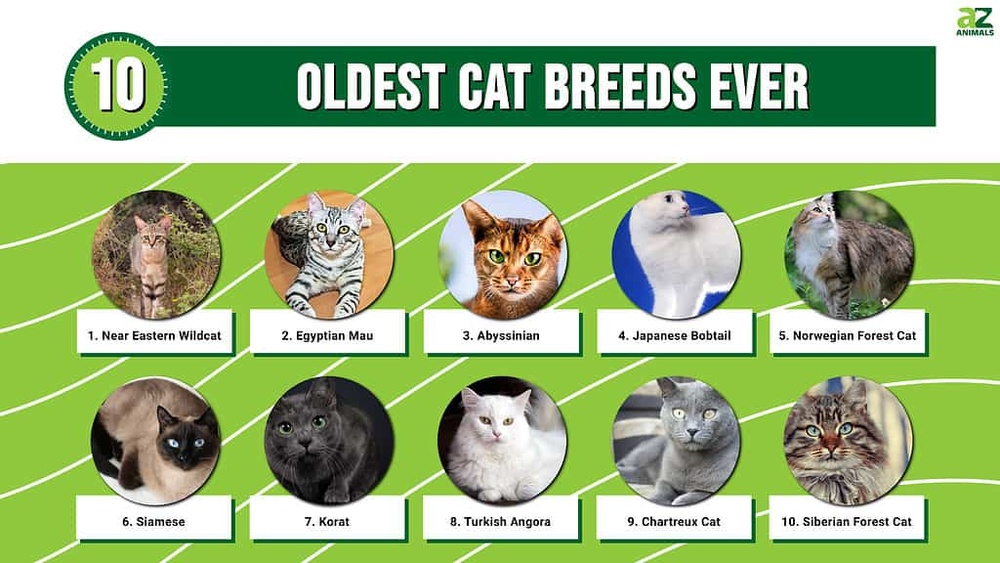
Have you ever wondered where your favorite cat breed first came from? Discovering the origins of the very first cat breeds can give you a deeper connection to your furry friend.
You’ll learn surprising facts about how these cats lived, what made them special, and why certain traits were prized. If you want to impress friends or simply satisfy your curiosity about the history behind those purring companions, this article will guide you through the fascinating beginnings of the first cat breeds.
Keep reading to unlock secrets that many cat lovers don’t know!

Credit: www.meowingtons.com
Origins Of Domestic Cats
Domestic cats have a long history that connects them to wild ancestors. Their journey from wild animals to beloved pets is fascinating. Understanding where cats come from helps us appreciate their unique traits and behaviors.
Scientists study ancient bones and DNA to learn about early cats. These studies show how cats adapted to live near humans and how different breeds started to form. Let’s explore the roots of domestic cats.
Wild Ancestors
The ancestors of domestic cats were wild felines. The African wildcat, Felis silvestris lybica, is the closest relative. This wildcat lives in deserts and forests across Africa and the Middle East.
These wildcats are small and hunt alone. They have sharp claws and excellent night vision. Over thousands of years, some wildcats changed as they lived near humans.
Early Human Interaction
Humans first noticed wildcats around 9,000 years ago. Early farmers stored grain, which attracted rodents. Wildcats helped by hunting these pests near human villages.
Humans welcomed cats for pest control. Cats stayed close and became less afraid of people. Over time, a bond formed between cats and humans.
This close relationship led to the first domesticated cats. These cats began to show different traits from their wild ancestors. This change marked the start of cat breeds as we know them today.
Ancient Cat Breeds
Ancient cat breeds have a long history and rich heritage. These cats were among the first to live closely with humans. They played important roles in early societies. Their unique looks and traits still attract cat lovers today.
These breeds come from different parts of the world. Each has a story that links it to ancient times. Their features show how cats adapted over thousands of years.
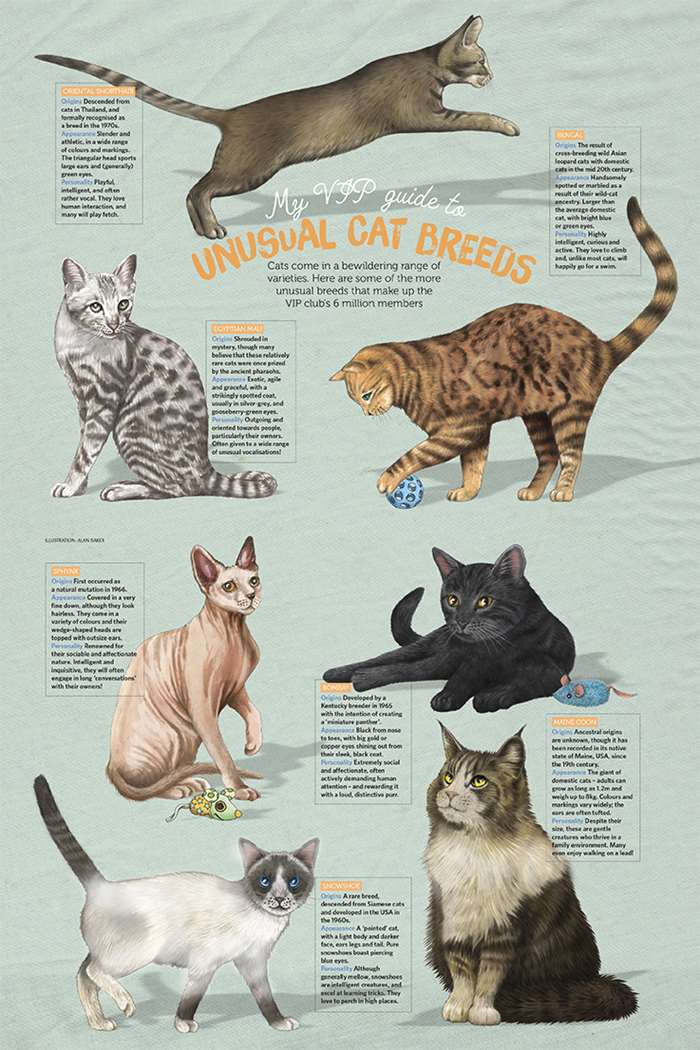
Egyptian Mau
The Egyptian Mau is one of the oldest known cat breeds. It dates back to ancient Egypt. These cats appear in old paintings and sculptures. They have a spotted coat and green eyes. Egyptian Maus are fast and agile hunters. Their loyalty and intelligence make them special pets.
Abyssinian
The Abyssinian breed has roots in East Africa. This cat is thought to be similar to cats in ancient Egypt. Abyssinians have a ticked coat that shines in the light. They are curious, playful, and very active. Their history is linked to early trade routes and explorers.
Siamese
Siamese cats come from Thailand, once called Siam. They have been in the region for hundreds of years. Siamese cats are known for their striking blue eyes. Their short coat shows a unique color pattern. These cats are vocal and social. They have strong bonds with their owners.
Cats In Early Civilizations
Cats have been part of human life for thousands of years. Early civilizations valued cats for many reasons. They kept homes free of pests and brought mystery with their graceful nature. Understanding cats in early civilizations helps us see how the first cat breeds came to be. Each region had unique relationships with cats, shaping their roles and appearance.
Cats In Ancient Egypt
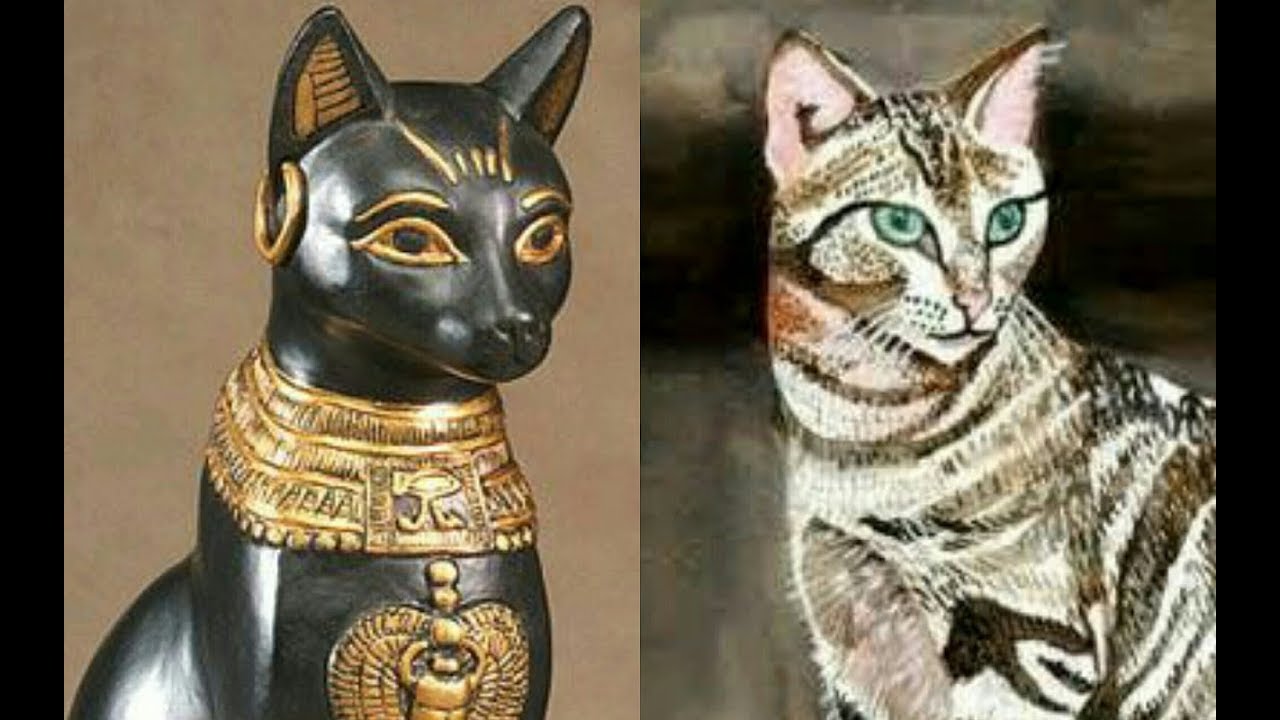
Ancient Egyptians loved cats deeply. They saw cats as protectors and symbols of grace. Cats were often linked to the goddess Bastet, who represented home and fertility. Egyptians kept cats indoors and gave them special food. They also buried cats with their owners, showing great respect. This bond helped shape some early domestic cat breeds.
Cats In Mesopotamia
In Mesopotamia, cats were prized for hunting skills. They protected grain stores from rodents. Clay tablets show cats as valuable animals in daily life. Mesopotamian art depicts cats alongside people, showing their importance. These cats likely had traits that influenced later breeds in the region.
Cats In Asia
Asia has a long history with cats, especially in China and Japan. Chinese culture admired cats for their beauty and hunting talents. Japan developed breeds like the Japanese Bobtail, known for its unique tail and friendly nature. Cats were often kept in temples and homes to bring luck and keep pests away.
Traits Of Early Cat Breeds
Early cat breeds had distinct traits that helped them survive and adapt. These traits shaped how cats looked and behaved. Understanding these features gives us a glimpse into the origins of our feline friends.
Physical Characteristics
Early cats were generally small to medium in size. They had lean bodies built for speed and agility. Their sharp claws and teeth helped them catch prey. Fur patterns varied, often with stripes or spots for camouflage. Eyes were large and round, perfect for seeing in low light. Ears were pointed and sensitive to sounds. These features made early cats excellent hunters in the wild.
Behavior And Temperament
Early cats were mostly solitary animals. They preferred to hunt and live alone. Despite this, they showed curiosity and intelligence. They were cautious but could be playful at times. Early cats used body language to communicate. They had strong hunting instincts and were very alert. These behaviors helped them avoid danger and find food.
Domestication Timeline
The journey of cats from wild animals to beloved pets spans thousands of years. Understanding this domestication timeline helps us see how cats became part of human life. It also shows how early cat breeds formed through natural and human influence.
Early humans and wild cats developed a unique relationship. This bond shaped the first steps in cat domestication. Let’s explore how cats moved from wild creatures to home companions.
From Wild To Pet
Wildcats first lived in areas with human settlements. They hunted rodents attracted to grain stores. Humans saw their value and allowed them near villages. Over time, cats grew calmer around people. This closeness led to the first domesticated cats.
The earliest evidence of cat domestication dates back about 9,000 years. Ancient farmers in the Middle East kept cats for pest control. These cats later became the ancestors of many modern breeds.
Spread Across Continents
Cats traveled with humans as people moved and traded. They reached Europe, Asia, and Africa through ships and caravans. Each region adapted cats to its own environment and culture. This helped create the diversity of cat breeds today.
By ancient Egyptian times, cats were highly valued and often kept as pets. From there, cats spread further across the world. Their role changed from hunters to companions in many homes.
Credit: www.illustrationx.com
Legacy Of Ancient Breeds
The legacy of ancient cat breeds stretches back thousands of years. These early cats shaped the traits and behavior of many modern cats. Their unique features and qualities still appear in breeds today. Understanding this legacy helps us appreciate the deep history of cats.
Influence On Modern Cats
Ancient cat breeds passed down important traits to modern cats. Their hunting skills, coat patterns, and body shapes influenced today’s breeds. Some modern cats still carry genes from these early ancestors. These traits help cats adapt to different environments and lifestyles.
Many popular breeds show signs of ancient origins. For example, the sleek Siamese and the strong Egyptian Mau have roots in ancient times. These breeds keep the history alive in their appearance and behavior. Their presence reminds us of cats’ long journey with humans.
Preserving Heritage Breeds
Heritage breeds link us to the past. Protecting these breeds keeps ancient cat traits alive. Breeders and cat lovers work hard to maintain breed purity. This helps preserve unique qualities that might disappear without care.
Heritage breeds also offer genetic diversity. This diversity strengthens the overall health of the cat population. By valuing these breeds, we honor the history and ensure a rich future for cats worldwide.
Credit: www.meowingtons.com
Frequently Asked Questions
What Were The First Domesticated Cat Breeds?
The first domesticated cat breeds include the Egyptian Mau, Siamese, and Abyssinian. These cats were prized for their hunting skills and companionship. They appeared thousands of years ago in ancient civilizations like Egypt and Southeast Asia.
How Did Ancient Egyptians Influence Cat Breeds?
Ancient Egyptians valued cats for protection and spirituality. They bred cats like the Egyptian Mau for agility and beauty. This early breeding shaped the genetics of many modern cat breeds.
Which Cat Breed Is Considered The Oldest?
The Egyptian Mau is often considered the oldest known cat breed. It dates back over 4,000 years and was revered in ancient Egypt for its spotted coat and grace.
When Did Cat Breeding First Begin?
Cat breeding started around 3,000 to 4,000 years ago. Early humans selectively bred cats for traits like hunting ability and temperament. This led to the creation of distinct breeds.
Conclusion
The first cat breeds shaped the pets we love today. Ancient cats lived with humans long ago. They helped control pests and became companions. Each breed has its own unique story. Knowing their history helps us appreciate them more. Cats bring joy to many homes worldwide.
Their origins remind us of our shared past. Enjoy learning about these fascinating feline friends!