
Have you ever wondered what it really takes to breed a cat? It’s more than just pairing two felines and hoping for kittens.
Breeding cats involves careful planning, knowledge, and responsibility to ensure healthy and happy offspring. If you’re thinking about getting into cat breeding or just curious about the process, this guide will walk you through everything you need to know. By the end, you’ll understand the key steps and challenges involved—and why every decision matters for your cats’ well-being.
Keep reading to discover what goes into breeding a cat the right way.
Choosing The Right Cat
Choosing the right cat is the first step in responsible breeding. This choice affects the health and quality of future kittens. Breeders must think about many things before selecting a cat. It starts with health, then breed traits, and also the cat’s personality.
Selecting Healthy Breeding Cats
Healthy cats produce healthy kittens. Check for clear eyes and clean ears. Look for a shiny coat and good weight. Avoid cats with signs of illness or injury. Regular vet visits help confirm a cat’s health status. Genetic testing can find hidden diseases. Only cats free of serious health issues should breed.
Considering Breed Characteristics
Each breed has unique features and needs. Know the breed standard well. Choose cats that meet these traits. Size, coat type, and color all matter. Breeding outside the standard can cause problems. Breed traits also affect care and environment needs. Pick cats that best represent the breed’s qualities.
Assessing Temperament And Behavior
Good temperament is key for pet cats. Friendly and calm cats make better parents. Watch how the cat reacts to people and other animals. Avoid aggressive or overly shy cats. Behavior traits often pass to kittens. Choose cats that show positive social skills. This helps raise well-adjusted and happy kittens.
Preparing For Breeding
Preparing for breeding a cat takes careful planning and attention. It is important to ensure the cat is healthy and ready for the process. Proper preparation helps avoid health problems and supports a safe pregnancy. This section covers key steps to get ready for breeding.
Health Checks And Vaccinations
Start with a full health exam from a trusted vet. The vet checks for infections, parasites, and any health issues. Vaccinations must be up to date to protect the cat and her kittens. Testing for genetic diseases is also important. Healthy cats have a better chance for healthy kittens.
Nutrition And Diet Adjustments
A balanced diet is key before breeding. Increase protein and essential nutrients in the cat’s food. This supports energy and body condition for pregnancy. Avoid sudden diet changes that can cause stress or stomach upset. Feeding high-quality food helps prepare the cat for the demands of breeding.
Creating A Safe Environment
Set up a calm and clean area for the cat. The space should be quiet, warm, and free from hazards. Provide soft bedding and a private spot for rest. Limit stress by keeping other pets away. A safe environment helps the cat feel secure during breeding and pregnancy.
Timing The Breeding Process
Timing is key in the cat breeding process. Knowing the right moments increases chances of a healthy litter. Breeders must understand a cat’s reproductive cycle and signs of readiness. This knowledge helps plan the breeding safely and effectively.
Recognizing Heat Cycles
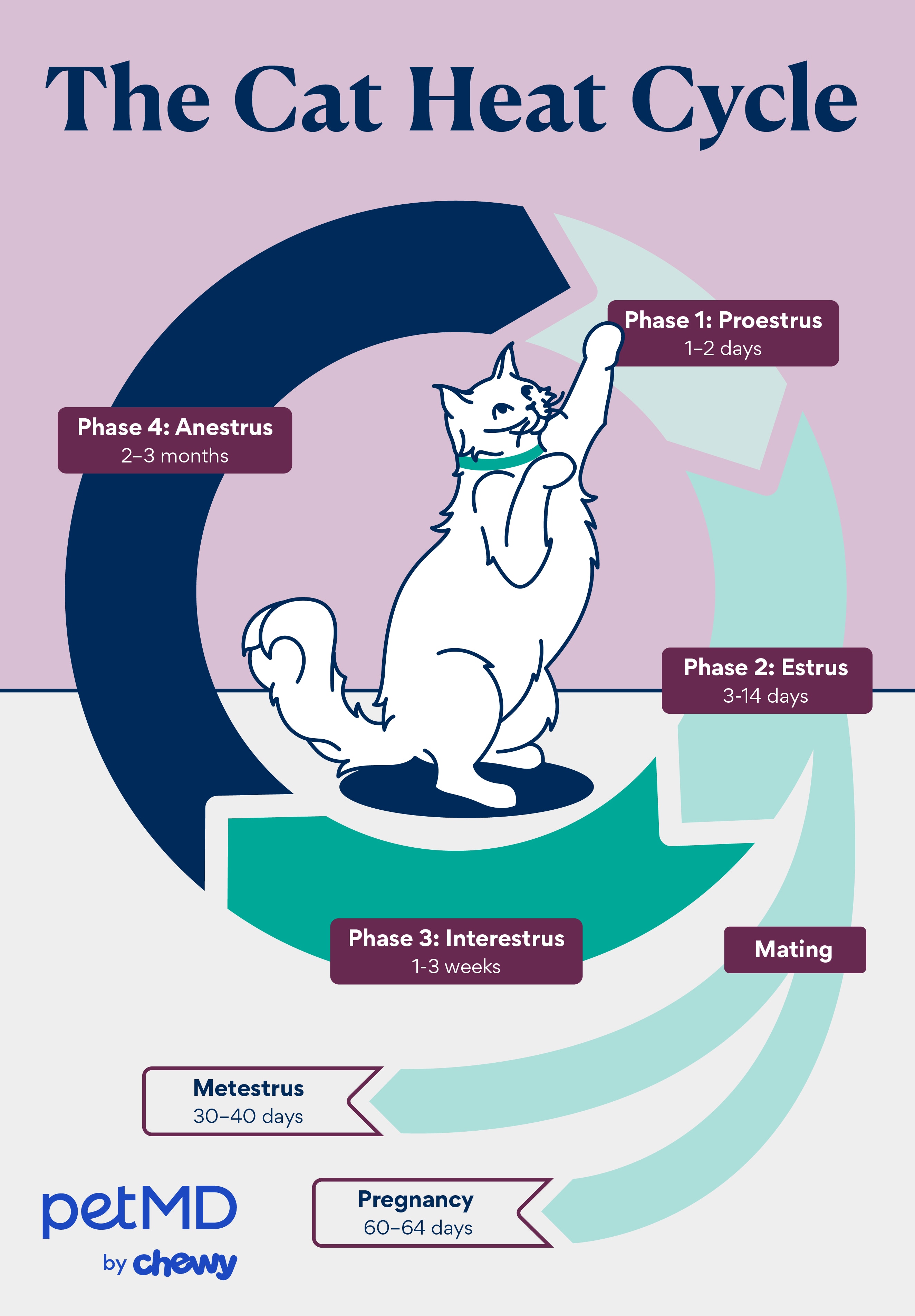
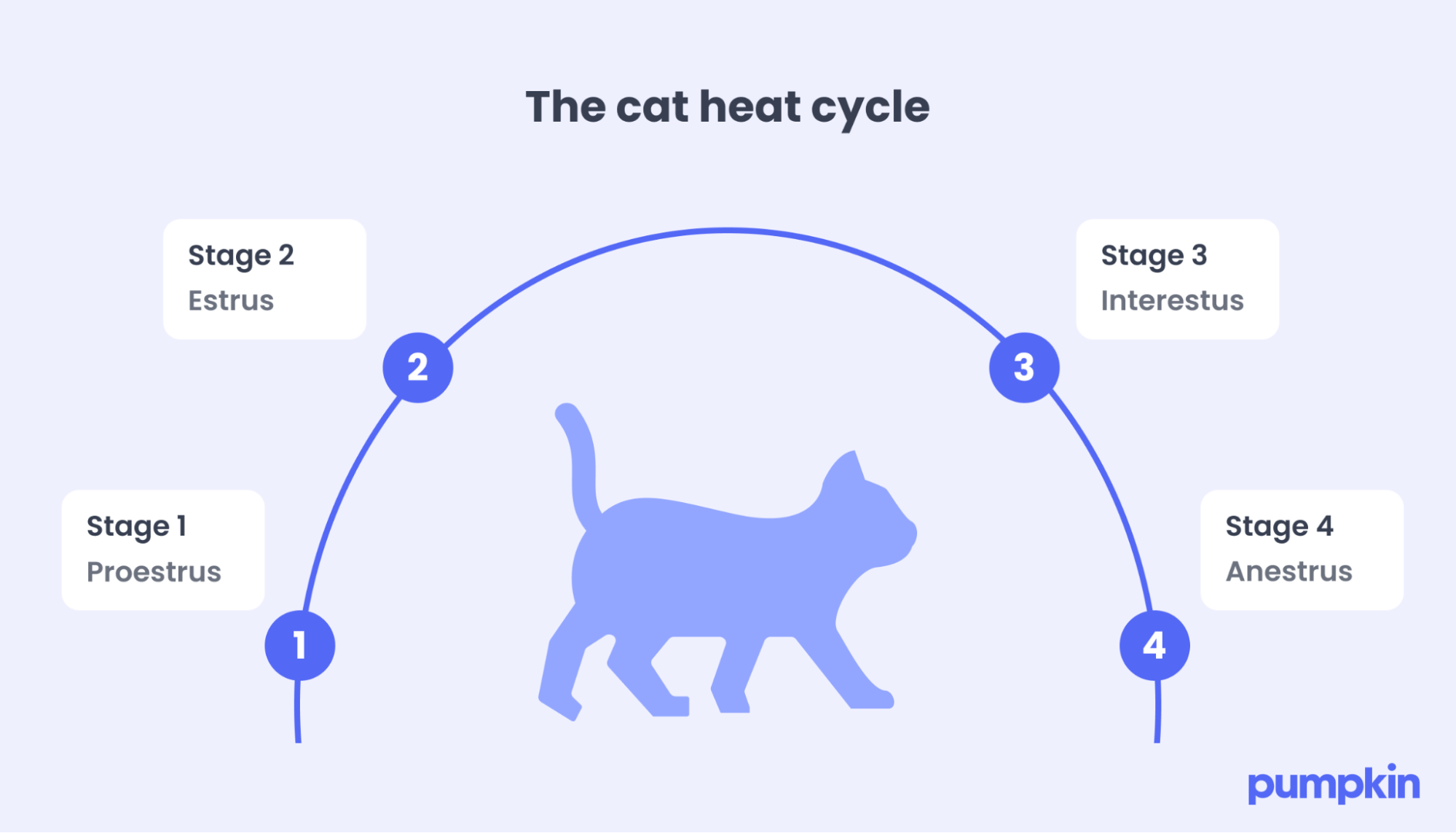
Cats have heat cycles called estrus. These cycles happen every two to three weeks during breeding season. Signs include loud meowing and restlessness. Female cats may roll on the floor or raise their hindquarters. Spotting these signs helps identify the best breeding time.
Optimal Breeding Age
Cats should be mature before breeding. Typically, females are ready at six months, but waiting until one year is safer. Males mature around eight to ten months. Breeding too early can harm the cat’s health. Proper age ensures strong kittens and a healthy mother.
Signs Of Readiness In Cats
Besides heat cycles, cats show other readiness signs. Increased affection and vocalizing are common. Females become more active and may mark territory. Males might roam or fight more. These behaviors signal the right time to introduce breeding partners.
Mating And Pregnancy Care
Caring for a cat during mating and pregnancy is very important. It helps ensure healthy kittens and a safe experience for the mother. This stage needs careful attention and knowledge. Understanding what to do can make the process smoother for both cats and breeders.
Facilitating Successful Mating
Choose the right time for mating. Female cats go into heat every few weeks. Signs include restlessness and loud meowing. Introduce the male gently in a calm space. Let them get used to each other first. Watch them closely to avoid fights. Mating usually lasts a few minutes. Sometimes, it may need to happen more than once for success.
Monitoring Pregnancy Progress
Pregnancy in cats lasts about 63 to 65 days. Watch for changes like weight gain and larger belly. The cat may eat more and rest often. Check for any unusual signs like vomiting or lack of appetite. Visit a vet to confirm pregnancy. Regular check-ups help track kitten growth. Keep a quiet and comfortable space for the mother cat.
Diet And Exercise During Pregnancy
Provide a balanced diet rich in protein and nutrients. Feeding high-quality kitten food supports the mother’s needs. Avoid sudden changes in food or quantity. Let the cat exercise gently to stay fit. Short play sessions help but avoid rough play. Keep fresh water available at all times. Proper diet and mild exercise lead to healthy kittens and mother.
Preparing For Kittens
Preparing for kittens is an important step in cat breeding. It ensures the mother cat and her babies stay safe and healthy. This phase needs careful attention and calm care. The right environment helps the mother feel secure and ready for birth.
Setting Up A Birthing Area
Create a quiet, warm, and clean space for the mother cat. Use a box or a small room with soft bedding. Keep the area free from noise and pets. Change the bedding often to keep it fresh. Make sure the spot is easy to reach but private.
Recognizing Labor Signs
Watch for changes in the mother cat’s behavior. She may hide, become restless, or lick her genitals. Her body temperature can drop below normal. She might stop eating and start pacing. These signs show that labor is close.
Assisting With Birth If Needed
Most cats give birth without help. Stay calm and watch quietly. Only step in if the mother struggles. You can gently clear the kitten’s face if needed. Call a vet if you see long delays or problems.
Credit: www.petmd.com
Caring For Newborn Kittens
Caring for newborn kittens is a delicate task. They need special attention and care to grow healthy and strong. Early days are crucial for their survival and development. Every step, from feeding to socializing, shapes their future.
Understanding their needs helps breeders provide the best start. The goal is to support their health and well-being in every way.
Feeding And Nutrition
Newborn kittens rely on their mother’s milk for nutrition. It contains all the nutrients they need. If the mother cannot nurse, use a kitten milk replacer. Feed small amounts every two to three hours. Avoid cow’s milk; it can upset their stomach. Keep the feeding area clean and warm.
Health Monitoring
Watch kittens closely for signs of illness. Check their weight daily to ensure steady growth. Look for symptoms like lethargy, diarrhea, or difficulty breathing. Keep their environment clean and dry. Consult a vet immediately if any problems appear.
Socialization And Early Development
Handle kittens gently to build trust. Start socializing them after the first week. Allow short, calm interactions with humans and other pets. Encourage play as they grow to develop motor skills. Early socialization helps kittens become friendly adult cats.
Common Challenges And Solutions
Breeding cats involves many challenges. Knowing common problems helps breeders prepare better. Each challenge requires careful attention and action. Solutions can improve the health and behavior of cats. This section highlights key issues and ways to handle them.
Managing Health Issues
Health problems can affect breeding success. Regular health checks are essential. Vaccinations protect cats from diseases. Parasite control keeps cats safe from fleas and worms. Nutrition plays a big role in their health. Provide balanced food to support strong kittens. Monitor cats for signs of illness daily. Early detection helps prevent serious problems.
Dealing With Behavioral Problems
Stress can cause behavior issues in breeding cats. Provide a quiet, safe space for each cat. Socialize cats gently to reduce fear and aggression. Use toys and playtime to keep cats active. Avoid sudden changes in their environment. Patience and consistency improve cat behavior. Training helps cats respond calmly to handling.
When To Consult A Veterinarian
Veterinarians guide breeders through health and breeding concerns. Contact a vet if a cat shows unusual symptoms. Examples include loss of appetite, lethargy, or breathing trouble. Seek advice before breeding new cats. Vets can recommend tests and vaccinations. Regular vet visits ensure the well-being of mother cats and kittens. Don’t wait for emergencies; prevention is better.
Credit: www.pumpkin.care
:strip_icc()/signs-your-cat-is-in-heat-552396_COLOR-294ca8f827f34cc382f82831abccabe6.jpg)
Credit: www.thesprucepets.com
Frequently Asked Questions
What Are The Key Steps In Breeding A Cat?
Breeding a cat involves selecting healthy cats, ensuring genetic compatibility, and preparing for mating. Proper prenatal care and a safe environment are essential for successful breeding and healthy kittens.
How Do You Choose The Best Cats For Breeding?
Choose cats with strong health, good temperament, and desirable traits. Avoid genetic disorders and prioritize breed standards to ensure quality offspring and maintain breed integrity.
What Health Checks Are Required Before Cat Breeding?
Cats should have vaccinations, parasite control, and screenings for hereditary diseases. Veterinary approval ensures the breeding pair is fit, reducing risks to the mother and kittens.
How Long Is A Cat’s Gestation Period?
A cat’s gestation lasts about 63-65 days. Monitor the mother closely during this period for signs of labor and ensure she receives proper nutrition.
Conclusion
Breeding a cat takes careful planning and lots of care. You must know about health, genetics, and behavior. Choosing the right cats is very important. Regular vet visits keep the mother and kittens safe. Patience and attention help create healthy, happy cats.
Breeding is not just about kittens; it’s about responsibility. Every step matters for the best results. This journey needs time, effort, and love. Understanding these basics helps anyone interested in cat breeding.