
Have you ever noticed a cat’s fur that looks unique and wondered, “What does ticked mean in cat breeds?” If you love cats or are thinking about adopting one, understanding this term can help you appreciate your feline friend even more. Ticked fur isn’t just a style—it tells a story about your cat’s breed and personality.
Keep reading to discover how this special coat pattern makes certain cats stand out and what it means for your pet’s appearance and care.
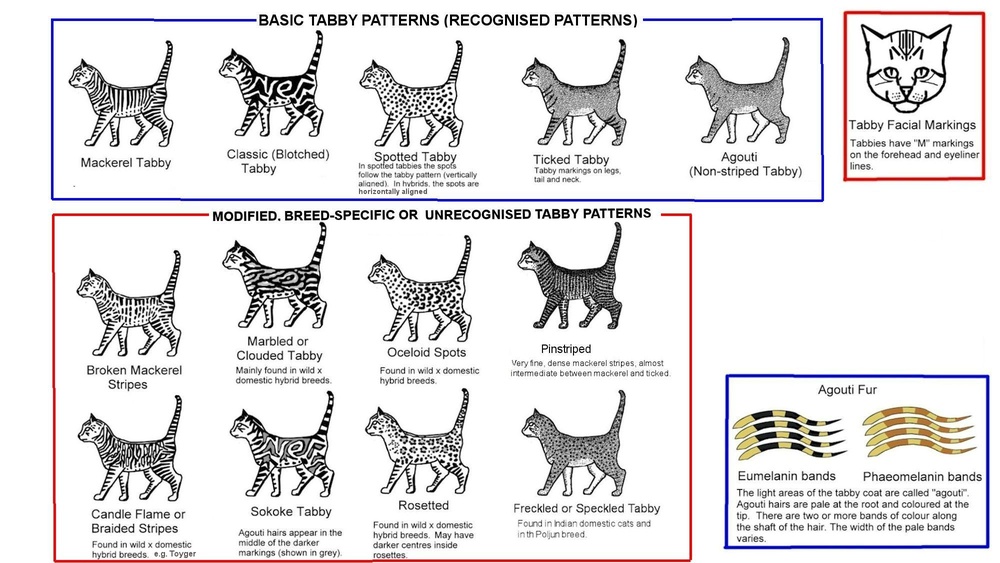
:max_bytes(150000):strip_icc()/tabby-cat-coat-patterns-final-2000-2751a98e24a543fb803915fc72802832.jpg)
Credit: www.dailypaws.com
Ticked Coat Explained
The ticked coat is a unique fur pattern found in some cat breeds. It gives the cat a smooth, blended look instead of stripes or spots. Each hair has bands of different colors. This creates a soft, almost shimmering effect on the cat’s body.
This coat style is popular in breeds like the Abyssinian and Somali cats. It helps these cats stand out with their elegant and natural appearance. Understanding the ticked coat helps cat lovers appreciate these cats more.
Ticked Pattern Characteristics
Ticked coats have distinct features. Each hair has several color bands. These bands alternate between light and dark shades. The result is a salt-and-pepper or speckled look across the fur.
Unlike stripes or spots, the pattern is subtle. It covers the whole body without clear lines. The face and legs may show faint markings. This gives the cat a soft and smooth color blend.
How Ticked Fur Differs
Ticked fur is different from other patterns. Tabby cats have bold stripes or spots. Solid-colored cats have one color all over. Ticked cats have a mix of colors on each hair.
This makes the coat look more textured and rich. The fur feels smooth and fine. It also reflects light differently, adding shine. This unique effect makes ticked cats visually special.
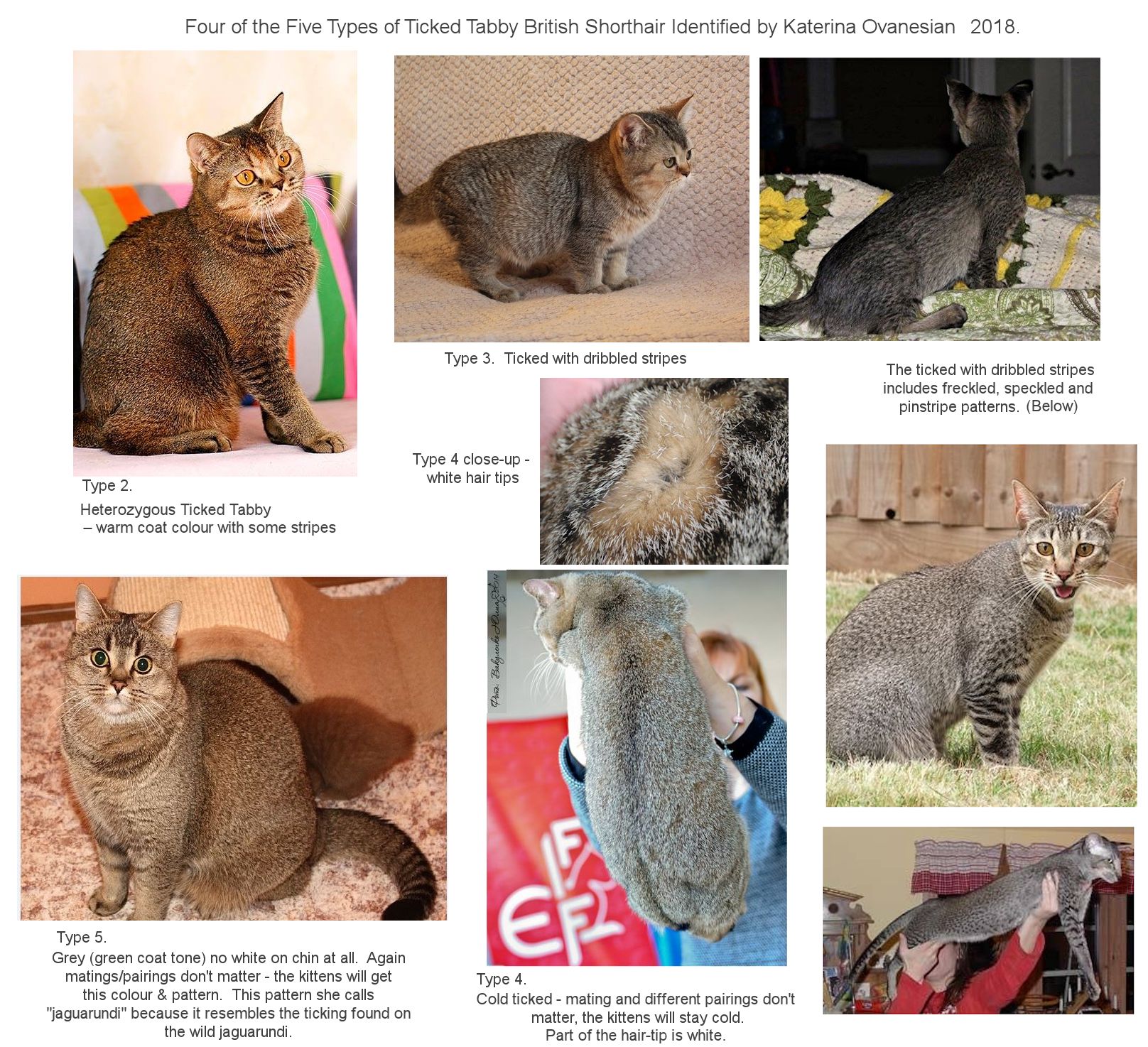
Credit: messybeast.com
Genetics Behind Ticked Fur
Ticked fur in cats is a unique coat pattern. It gives the fur a speckled look without stripes or spots. This pattern comes from the genes that control how color appears on each hair. Each hair has bands of different colors. This creates a subtle, mixed color effect.
Understanding the genetics helps explain why some cats have this look. It also shows how the trait passes from parents to kittens. The science behind ticked fur is simple but fascinating.
Genes Influencing Coat Patterns
Several genes affect cat coat patterns. One key gene controls the agouti signal. This gene turns the ticked pattern on or off. When active, it creates bands of color on each hair. Other genes can add stripes or spots. But the agouti gene is essential for ticking.
Inheritance Of Ticked Trait
The ticked fur trait is inherited in a dominant way. A cat needs only one copy of the ticking gene to show the pattern. If a cat has two copies, the ticking is stronger. When a cat lacks this gene, the coat shows solid colors or stripes. Breeders use this knowledge to predict kitten patterns.
Cat Breeds With Ticked Coats
Ticked coats in cats are unique and eye-catching. These coats have hairs with bands of different colors. This gives the fur a shimmering, speckled look. Many cat breeds show this special ticking pattern. Their coats look lively and textured, not flat or plain.
Ticked patterns help cats blend into natural surroundings. This trait comes from wild ancestors. Ticked coats are often short and soft. They make cats appear sleek and elegant. Understanding which breeds have ticked coats is fun for cat lovers.
Popular Ticked Breeds
The Abyssinian is one of the most famous ticked breeds. Its fur shows clear bands of color on each hair. The Somali is related to the Abyssinian but has longer hair. Both are active and friendly cats with beautiful ticking.
The Egyptian Mau also has ticking but with spots mixed in. It is known for its speed and striking green eyes. The Singapura is smaller and has a warm ticked coat. It is gentle and loves human attention.
Unique Features Of Each Breed
The Abyssinian’s coat shines with reddish-gold tones. It has a slender body and large ears. The Somali looks like a small fox with a fluffy tail. Its ticking gives a soft, glowing effect.
The Egyptian Mau’s ticking blends with spots, creating a wild look. It has a muscular build and expressive eyes. The Singapura has a fine, ticked coat and big eyes. It is playful and curious, making it a great pet.
Benefits Of Ticked Coats
Ticked coats give cats a unique look and offer several benefits. This type of fur has bands of color on each hair, making the coat appear speckled or salt-and-pepper. Ticked coats are not only beautiful but also practical for cats in many ways.
Camouflage And Survival
Ticked coats help cats blend into their surroundings. The mix of colors breaks up their outline. This makes it harder for predators or prey to spot them. Cats with ticked fur can move quietly and stay hidden. This natural camouflage improves their chances of survival in the wild.
Grooming And Maintenance
Ticked coats are easy to care for. The fur is short and smooth, which means less matting. Dirt and debris do not stick easily to the coat. Cats with ticked fur spend less time cleaning themselves. This reduces the chance of skin problems and keeps them healthy.
Ticked Vs Other Coat Patterns
Ticked coat patterns stand out in the world of cat breeds. These patterns differ from other common coat types like tabby and spotted. Understanding these differences helps cat lovers recognize and appreciate the unique beauty of each pattern.
Ticked coats show individual hairs with bands of color. This creates a smooth and speckled look without clear stripes or spots. Other coat patterns, such as tabby and spotted, display more obvious markings. These visible differences make each pattern special.
Tabby And Ticked Differences
Tabby cats have stripes, swirls, or lines on their fur. These markings appear clearly across the body. In contrast, ticked cats lack these visible stripes. Each hair has multiple color bands instead.
Tabby patterns include classic, mackerel, spotted, and ticked types. The ticked tabby is unique because it looks almost solid. The subtle color bands on each hair make the coat shimmer.
Ticked coats appear smooth and even. Tabby coats show distinct patterns that stand out. The difference is easy to spot once you know what to check for.
Spotted And Ticked Comparisons
Spotted cats have round or oval markings scattered on their fur. These spots are easy to see and vary in size. Ticked cats do not have spots or large markings.
Ticked fur looks almost plain but glimmers with color bands. Spotted coats have clear, separate marks that create a pattern. Both patterns are beautiful but very different visually.
Spotted cats often look wild or exotic. Ticked cats look sleek and uniform. These patterns highlight the diversity found in cat breeds worldwide.

Credit: cats.com
Care Tips For Ticked Cats
Caring for ticked cats needs special attention to their unique coat and health. Their fur has a distinct pattern with bands of color on each hair. This feature requires specific grooming and care habits. Understanding their needs helps keep them happy and healthy.
Best Grooming Practices
Ticked cats have short to medium fur that lies close to the body. Brushing them twice a week removes loose hair and dirt. Use a soft-bristle brush to avoid skin irritation. Bathing is rarely needed but can help if the cat gets dirty. Trim their nails regularly to prevent scratching injuries. Check ears and eyes for cleanliness every week. Clean any dirt gently with a damp cloth. Grooming also strengthens the bond between you and your cat.
Health Considerations
Ticked cats may have sensitive skin due to their fine fur. Watch for signs of dryness or irritation. Use gentle shampoos if bathing is necessary. Keep their diet balanced to support healthy skin and coat. Regular vet visits help detect problems early. Watch for common cat issues like fleas, ticks, and allergies. Provide a calm environment to reduce stress. Healthy habits promote a long, active life for your ticked cat.
Frequently Asked Questions
What Does Ticked Mean In Cat Breeds?
Ticked means a coat pattern where each hair has multiple color bands. It gives a salt-and-pepper or agouti look, common in breeds like the Abyssinian.
Which Cat Breeds Have Ticked Fur Patterns?
Breeds like Abyssinian, Singapura, and Somali often have ticked fur. This pattern enhances their distinctive, wild, and natural appearance.
How Is Ticked Fur Different From Tabby Patterns?
Ticked fur lacks stripes or spots. Instead, each hair shows bands of color, unlike tabby’s distinct lines or spots.
Does Ticked Fur Affect A Cat’s Health?
No, ticked fur is purely a genetic coat pattern. It does not impact a cat’s health or behavior.
Conclusion
Ticked means a cat’s fur has many color bands on each hair. This trait gives cats a unique and beautiful look. Many popular cat breeds, like the Abyssinian, show this pattern clearly. Understanding ticked fur helps you appreciate cat breeds better.
It also makes it easier to identify different cats. Whether you are a cat lover or just curious, knowing about ticked fur adds to your knowledge. Cats with ticked coats stand out with their special markings and charm.