
Are you a cat lover who wants to keep your furry friend—and yourself—safe and healthy? Understanding which cat breeds carry Capnocytophaga bacteria can help you protect your home and family.
This information is more important than you might think, especially if you have young children, elderly family members, or anyone with a weakened immune system. Keep reading to discover the key facts about Capnocytophaga and which cats might carry this hidden risk.
Your cat’s health and your peace of mind depend on it.

Credit: www.researchgate.net
Capnocytophaga And Cats
Capnocytophaga is a type of bacteria that can live in the mouths of cats. Not all cats carry this bacteria, but it is important to know about it. People who have close contact with cats should understand the risks. This helps keep both humans and pets safe.
What Is Capnocytophaga
Capnocytophaga is a group of bacteria found in animals. It lives mainly in the mouths of cats and dogs. These bacteria usually do not harm animals. But they can cause infections in humans. These infections happen if the bacteria enter the body through a bite or scratch.
How Cats Carry The Bacteria
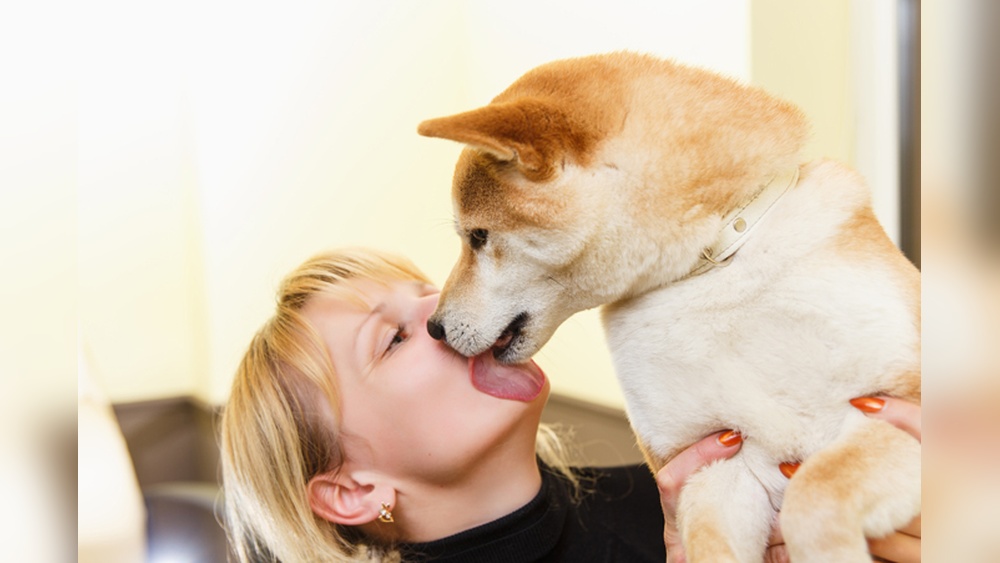
Cats carry Capnocytophaga in their saliva. The bacteria live naturally in their mouths. Cats do not show signs of illness from it. The bacteria can spread through bites, scratches, or licking open wounds. Kittens and adult cats can carry the bacteria. Regular contact with cats can increase exposure to Capnocytophaga.
Cat Breeds Linked To Capnocytophaga
Capnocytophaga is a type of bacteria found in the mouths of cats. It can sometimes cause infections in humans, especially those with weak immune systems. Not all cats carry this bacteria equally. Some breeds are more often linked to carrying Capnocytophaga. Knowing which breeds have a higher chance of carrying it can help cat owners stay safe.
Understanding the risk helps you take simple precautions. It also allows vets to provide better advice about pet care and hygiene. The following sections explain which cat breeds commonly carry Capnocytophaga and which breeds show higher risk factors.
Common Breeds As Carriers
Many domestic cats can carry Capnocytophaga without showing symptoms. Common house cats like Domestic Shorthairs and Domestic Longhairs often have this bacteria in their mouths. These breeds are widespread and live close to humans. They pose a general risk because of their numbers.
Other popular breeds such as Siamese and Maine Coons may also carry the bacteria. These cats are friendly and often interact with people, increasing the chance of transmission. Their common presence in homes makes them important to watch for signs of infection.
Breeds With Higher Risk Factors
Some breeds might have a higher chance of carrying Capnocytophaga due to their behavior or genetics. Outdoor and hunting breeds like Bengals or Abyssinians may have more exposure to bacteria. They tend to roam and come into contact with other animals and environments.
Sick or older cats of any breed can also carry more bacteria. Cats with dental problems or poor oral hygiene are at greater risk. These factors increase the chance of Capnocytophaga growth in the mouth. Regular vet checkups help reduce this risk.
Transmission Risks To Humans
Capnocytophaga is a type of bacteria found in some cats’ mouths. It can pass from cats to humans. Understanding the risks helps keep people safe. Some cat breeds may carry this bacteria more often. Knowing how it spreads is key to avoiding infection.
Ways Infection Occurs
Infection usually happens through bites or scratches from cats. Saliva from an infected cat can enter the skin. Even licking on open wounds or broken skin can spread the bacteria. Close contact with cats increases the chance of transmission. People with weak immune systems face higher risks.
Symptoms In Humans
Symptoms often start with redness and swelling near the bite. Fever and chills can follow quickly. Some people experience muscle aches and tiredness. In serious cases, infection may spread to the blood. Early treatment helps prevent severe problems.

Credit: www.abcdcatsvets.org
Preventing Capnocytophaga Infections
Preventing Capnocytophaga infections is important for cat owners. This bacteria lives in the mouths of many cats. It can cause infections in humans, especially those with weak immune systems. Taking simple steps lowers the risk of infection. Careful handling and good hygiene keep both cats and people safe.
Safe Handling Practices
Always wash your hands after touching your cat. Avoid rough play that might cause bites or scratches. Use gloves if you clean cat wounds or handle sick cats. Keep your cat’s claws trimmed to reduce scratching risks. Never allow cats to lick open wounds or broken skin. Teach children to treat cats gently and with respect.
Hygiene Tips For Cat Owners
Clean litter boxes daily using gloves and soap. Keep your cat’s eating and drinking areas clean. Wash your hands before and after feeding your cat. Avoid sharing food, utensils, or towels with your cat. Regularly clean pet bedding and toys to remove germs. Visit the vet for regular check-ups and vaccinations. These habits reduce germs and keep infections away.
When To Seek Medical Help
Capnocytophaga bacteria can be harmful, especially after a cat bite or scratch. Knowing when to seek medical help is very important. Early action can prevent serious health problems. Watch closely for any unusual signs after contact with cats. Immediate care can save lives and reduce complications.
Warning Signs To Watch For
Look for redness or swelling near the bite or scratch. Pain that worsens over time is a sign to act. Fever or chills may show infection spreading in the body. Pus or other fluid coming from the wound is a warning. Difficulty breathing or feeling weak needs urgent care. Do not ignore these symptoms after cat contact.
Treatment Options
Doctors usually start with antibiotics to fight the infection. Cleaning the wound well is important to remove bacteria. Severe cases may require hospitalization for close monitoring. Pain relievers can help reduce discomfort. Follow all medical advice to ensure full recovery. Early treatment leads to better health outcomes.

Credit: www.wormsandgermsblog.com
Role Of Veterinarians
Veterinarians play a key role in managing Capnocytophaga risks in cats. They help identify which breeds might carry the bacteria. Their knowledge guides pet owners to keep their cats and families safe.
Vets also provide important health checks. They spot signs of infection early. This helps prevent serious health problems in both cats and humans.
Testing For Capnocytophaga
Veterinarians use special tests to detect Capnocytophaga. These tests check the cat’s saliva or mouth. Testing helps confirm if the bacteria are present.
Early testing can prevent the spread of infection. It is especially important for cats that bite or scratch often. Vets recommend testing for cats with symptoms of illness too.
Advice For High-risk Owners
Vets advise owners with weak immune systems to be careful. Older adults, pregnant women, and people with health issues need extra caution. Vets suggest washing hands after petting cats.
They recommend avoiding rough play that causes bites or scratches. Vets may also guide on cleaning wounds properly. This advice reduces the chance of infection from cats.
Frequently Asked Questions
Which Cat Breeds Commonly Carry Capnocytophaga?
Most cat breeds, including domestic shorthair and longhair, can carry Capnocytophaga. It is not breed-specific but commonly found in cats’ mouths.
How Does Capnocytophaga Affect Different Cat Breeds?
Capnocytophaga generally does not harm cats but can cause infections in humans through bites or scratches.
Can Purebred Cats Have Capnocytophaga Bacteria?
Yes, purebred cats like Siamese or Persian can carry Capnocytophaga, as it is present in many cats’ oral flora.
Is Capnocytophaga Transmission Higher In Certain Cat Breeds?
No evidence shows specific cat breeds transmit Capnocytophaga more. Transmission depends on contact, not breed type.
Conclusion
Cat breeds can carry Capnocytophaga bacteria, but risk varies. Not all cats have this bacteria, and not all cause infections. Simple hygiene, like washing hands after petting cats, helps prevent illness. People with weak immune systems should be extra careful.
Understanding which breeds might carry the bacteria helps keep you safe. Always treat cats gently and avoid bites or scratches. Staying informed protects both you and your furry friends. Safe pet care makes a happy home.