
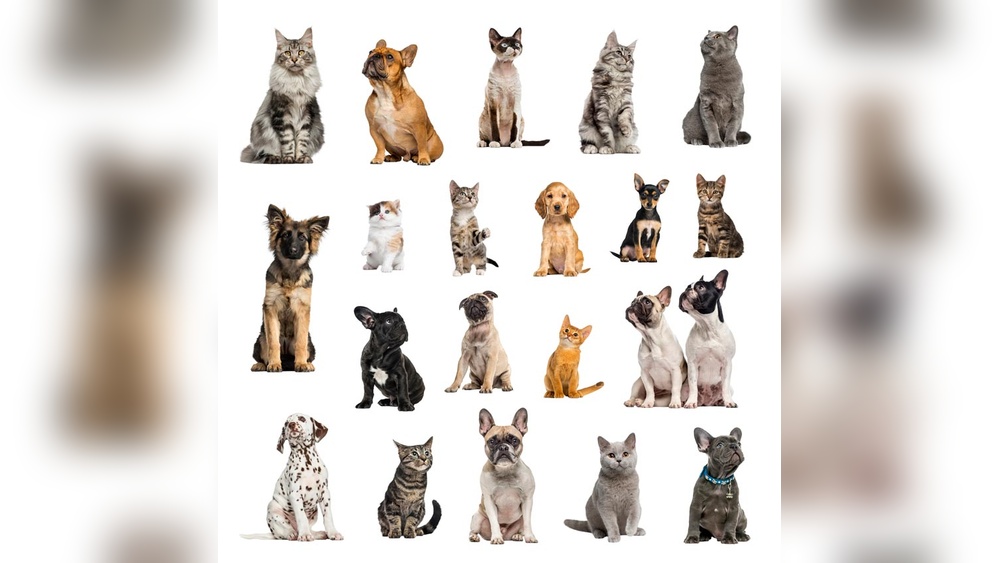
Have you ever wondered why cats come in fewer breeds than dogs? If you’re curious about what makes your feline friend so unique compared to your neighbor’s pooch, you’re not alone.
Understanding why cats have developed into fewer breeds can change the way you see your pet—and maybe even how you choose your next companion. Keep reading, and you’ll discover surprising facts that explain this fascinating difference. Your view of cats and dogs will never be the same.
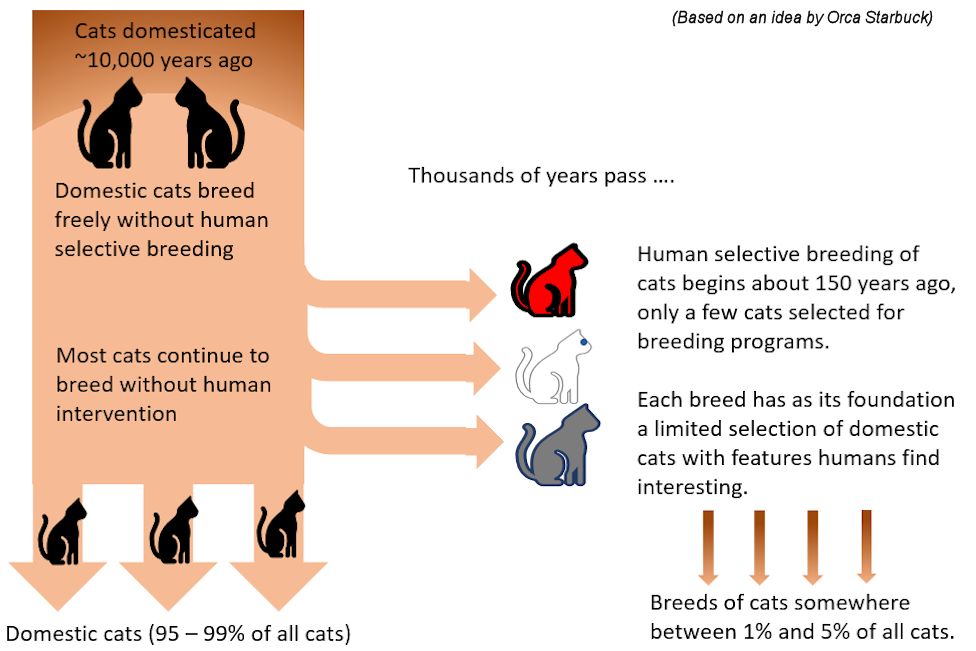
Credit: messybeast.com
Cat Breeds Compared To Dog Breeds
Cats and dogs are both popular pets worldwide. Yet, they differ greatly in how many breeds exist. Dogs have hundreds of breeds, each with unique looks and traits. Cats have far fewer breeds. This difference comes from their history and how humans bred them. Understanding these differences helps explain why cat breeds are less diverse than dog breeds.
Breed Diversity In Dogs
Dogs have over 340 recognized breeds globally. Each breed has distinct shapes, sizes, and temperaments. Humans bred dogs for specific tasks like hunting, herding, or guarding. This created many specialized breeds. Dogs vary from tiny Chihuahuas to large Great Danes. Their traits can be very different because of selective breeding. This variety makes dogs unique in appearance and behavior.
Limited Variety In Cats
Cats have around 40 to 70 recognized breeds, far fewer than dogs. Most cats share similar body shapes and sizes. Cats were bred mainly for looks, not tasks. They were mostly valued as companions or for hunting mice. This led to fewer changes in their appearance. Cats also naturally adapt well to many environments. Their breeding focused less on specific jobs and more on personality and coat patterns.
Domestication History
The history of domestication plays a big role in why cats have fewer breeds than dogs. Both animals started living with humans thousands of years ago. But the ways they became pets differ greatly. This affected how many breeds developed over time.
Dogs were bred for many jobs and traits. Cats mostly helped with pests and stayed independent. This led to dogs having many breeds, while cats stayed closer to their wild roots.
Early Dog Domestication
Dogs were among the first animals humans tamed. This began around 15,000 years ago. Early humans chose dogs for hunting, guarding, and herding. They bred dogs to fit different roles and environments.
This selective breeding created many dog types. Each breed had special skills or looks. Over time, people made new breeds to meet new needs.
Cat Domestication Timeline
Cats started living near humans about 9,000 years ago. They helped by catching mice and rats on farms. Cats were not bred much by humans. They kept hunting instincts and similar looks to wild cats.
People liked cats for their natural abilities. They did not change cats as much as dogs. This led to fewer cat breeds and less variety in appearance.
Breeding Practices
Breeding practices have shaped how many breeds dogs and cats have today. Dogs show much more variety in breeds. Cats, on the other hand, have fewer breeds. This difference comes from how humans breed these animals.
Selective Breeding In Dogs
People have bred dogs for specific jobs and looks. Hunters needed dogs that could track scents well. Farmers wanted dogs that could guard or herd animals. Over time, these needs created many dog breeds. Each breed has unique traits for different tasks.
Breeders often choose dogs with certain features to mate. This careful selection makes new breeds with clear differences. Dog breeds vary widely in size, shape, and behavior. This variety comes from strong human control over dog breeding.
Natural Selection In Cats
Cats mostly bred themselves in the wild. Humans did not breed cats for many special traits. Cats were valued mainly for catching pests. Their natural hunting skills mattered more than looks.
This means cats changed slowly and stayed similar. Most cat breeds come from natural variations, not strict breeding. Wild survival favored cats with certain traits. These traits passed on naturally, not by human choice.
Behavioral Differences
Behavior plays a big role in why cats have fewer breeds than dogs. Both animals have different ways of living and interacting. These differences shape how humans breed them. Dogs tend to be more social and work closely with humans. Cats are often more independent and less social. This affects how many breeds each animal has.
Social Structure Of Dogs
Dogs live in groups called packs. They rely on each other for safety and food. This social nature makes dogs more adaptable. Humans bred dogs for specific jobs like hunting or guarding. Each job needed different traits. This led to many dog breeds with unique skills and looks. Dogs work well in teams. They follow leaders and learn commands easily. Their social behavior helped humans shape many breeds.
Solitary Nature Of Cats
Cats prefer to live alone or in small groups. They hunt by themselves and defend their territory. This independence means less need for different roles. Cats do not rely on each other like dogs do. Because of this, humans bred cats mainly for looks or companionship. Fewer roles mean fewer breeds. Cats keep many natural traits. Their behavior leads to less variation in breeds compared to dogs.
Human Influence
Humans have shaped the way cats and dogs look and behave. This influence led to many dog breeds but fewer cat breeds. The reasons lie in how people used and valued these animals.
Purpose-driven Dog Breeding
Dogs were bred for many specific jobs. People needed hunters, herders, and guards. Each task required different skills and shapes. This led to many dog breeds with unique traits. Breeders focused on traits like size, speed, and strength. This created a wide variety of dogs.
Cats As Companions And Pest Controllers
Cats mainly helped by catching mice and rats. People kept them for pest control more than for looks. Cats needed to be quick and alert, not different in shape. Their role did not require many changes in appearance. People accepted cats as they were, with little breeding for traits.

Credit: chaletnursery.com
Genetic Factors
Genetic factors play a big role in why cats have fewer breeds than dogs. The genes control traits passed from parents to offspring. Differences in gene variety affect how many breeds can develop. Both cats and dogs come from wild ancestors but evolved differently. The gene pools in each species shape their breed diversity.
Genetic Diversity In Dogs
Dogs have a wide range of gene variations. This variety allows many different traits to appear. Traits like size, coat color, and behavior change a lot. Dog breeds can be very small or very large. Some dogs have thick fur, others have short hair. Breeders use these traits to create new breeds. The large gene pool in dogs supports many breed types.
Genetic Constraints In Cats
Cats have less gene variation than dogs. Many cat breeds share similar features. Most cats have a common body shape and size. Their coat colors and patterns vary but less so. The smaller gene pool limits the number of breeds. Cat genes also restrict major changes in appearance. This makes it hard to develop many distinct breeds.
Environmental Adaptations
Environmental adaptations shape how animals evolve over time. Dogs and cats show different patterns in their breeds due to how they adapt to their surroundings. These adaptations affect their abilities, behaviors, and roles alongside humans. Understanding these differences explains why cats have fewer breeds than dogs.
Dogs’ Adaptation To Various Roles
Dogs evolved to fit many roles for humans. They became hunters, herders, guards, and companions. Each role required special skills and traits. This led to many dog breeds, each suited for specific tasks. Dogs adapted to cold, hot, wet, and dry climates. Their size, coat, and strength changed to match the environment and their job.
Cats’ Consistent Hunting Skills
Cats stayed close to their original hunting role. They adapted mainly to catch small prey. Their body shape, claws, and eyes stayed similar across breeds. Cats rely on stealth and speed, not strength or endurance. Their environment changed less because hunting small animals stayed the same. This kept cat breeds fewer and more alike.
Future Of Cat Breeding
The future of cat breeding holds a mix of hope and challenge. Cat lovers want new breeds that are healthy and unique. Breeders work hard to create these new types. Yet, the process is slow compared to dog breeding. Cats have less variety now but that might change.
Breeders focus on traits like coat color, shape, and size. They also want cats that fit family life and stay healthy. This careful approach helps keep the cat world stable. It also means new breeds take longer to appear.
Emerging Cat Breeds
New cat breeds are slowly gaining attention. Some come from natural variations in wild cats. Others result from crossing existing breeds. These new breeds often have special features like unique fur or playful behavior.
Breeders test these traits over many generations. They want to be sure the traits stay strong and healthy. Some new breeds are recognized by official cat groups. This recognition helps them become popular with pet owners.
Challenges In Expanding Cat Breeds
Creating new cat breeds is not easy. Cats have fewer visible differences than dogs. This makes it hard to find unique traits to develop. Breeders also face genetic issues that can harm cats’ health.
Another challenge is the slower breeding cycle of cats. They have fewer offspring per litter than many dog breeds. This limits how fast breeders can grow new lines. Careful breeding means avoiding health problems and keeping cats happy.
These challenges keep the number of cat breeds low. But they also protect cats from risks linked to too much breeding. The future may bring new breeds, but only with care and respect for the animals.
Credit: bestfriendspetcare.com
Frequently Asked Questions
Why Do Cats Have Fewer Breeds Than Dogs?
Cats have fewer breeds due to less selective breeding. Dogs were bred for diverse tasks, creating many breeds. Cats were mainly kept for companionship and pest control, limiting breed diversity over time.
How Does Domestication Affect Cat Breed Variety?
Cat domestication focused on natural traits, not drastic changes. Dogs were bred intensively for specific traits, increasing breed numbers. Cats evolved with minimal human interference, preserving their natural genetic diversity.
What Role Does Genetics Play In Cat Breeds?
Cats have less genetic variation than dogs. Dogs’ extensive breeding caused a wider gene pool. Cats’ limited breeding efforts result in fewer distinct breeds with subtle differences.
Are Cats Bred Less For Function Than Dogs?
Yes, cats were bred mainly for companionship. Dogs were bred for hunting, herding, and guarding. Functional breeding in dogs led to more specialized breeds than in cats.
Conclusion
Cats have fewer breeds because of their natural behavior and history. They were not bred as much as dogs for work or looks. Cats prefer independence, so humans focused less on changing them. Dogs have many jobs, which led to many breeds.
Cats stayed mostly the same over time. This makes cats simpler in variety but just as special. Understanding this helps us appreciate cats more. Each breed shows nature’s calm and steady way of change. Cats will keep their quiet charm for years to come.