
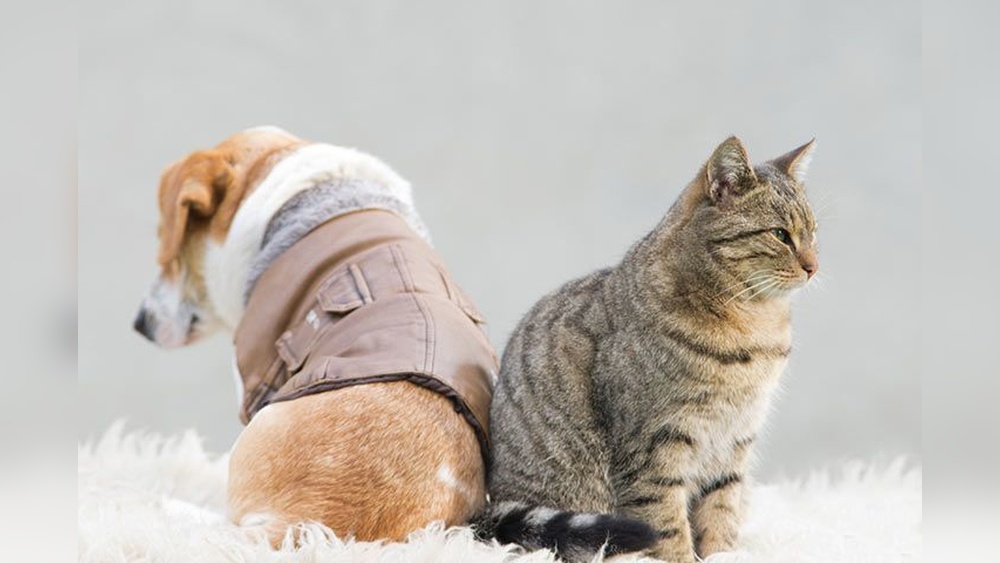
If you have both a dog and a cat, you know how tricky their relationship can be. Not every dog gets along with every cat, and some breeds are more likely to cause trouble than others.
Are you worried about bringing a new dog home and how it might affect your feline friend? Understanding which dog breeds don’t get along with cats can save you from stress, scratches, and sleepless nights. Keep reading to discover which breeds you should be cautious about and how to keep your pets safe and happy together.

Credit: www.reddit.com
Aggressive Dog Breeds
Aggressive dog breeds often have strong instincts that make living with cats difficult. These dogs may see cats as prey or threats. Their behavior can lead to tension or even harm in a shared home. Understanding which breeds tend to act this way helps pet owners make safe choices.
Terriers And Their Hunting Instincts
Terriers are known for their bold and fearless nature. They were bred to hunt small animals, including rodents. This hunting instinct can cause problems around cats. Terriers might chase or try to catch cats, seeing them as targets. Their energy and persistence make them less likely to back down.
Guard Dogs With Strong Prey Drive
Many guard dogs have a strong prey drive. This means they want to chase and capture moving animals. Cats often trigger this drive because of their quick movements. Guard dogs like Dobermans or Rottweilers may act aggressively toward cats. Their protective nature can mix with prey drive, making cat interactions risky.
High-energy Breeds And Cat Interaction
High-energy breeds need lots of exercise and stimulation. Without enough activity, they become restless and may act out. Dogs like Border Collies or Huskies can be too intense for cats. Their fast movements and playful biting can scare or hurt cats. These breeds require careful supervision around smaller animals.
Terriers That Chase Cats
Terriers are lively dogs with strong hunting instincts. Many terrier breeds have a natural urge to chase small animals, including cats. This behavior can make it hard for them to live peacefully with feline friends.
Understanding the traits of specific terrier breeds helps predict their reactions around cats. Some terriers are more prone to chasing, which can cause stress for both pets.
Jack Russell Terrier Behavior
Jack Russell Terriers are full of energy and very curious. They love to run and chase moving objects. Their strong prey drive makes cats seem like toys to them. Without proper training, they often chase and annoy cats.
Staffordshire Bull Terrier Tendencies
Staffordshire Bull Terriers are loyal and brave. Though they are friendly with humans, their hunting instincts can trigger chasing cats. They may see cats as rivals or prey. Early socialization is key to reduce this behavior.
Fox Terrier And Cat Conflicts
Fox Terriers are alert and quick. They have a high prey drive and love to dig and explore. Cats often become targets for their chasing instincts. This breed needs careful supervision around small animals like cats.
Guard Dogs With Cat Issues
Guard dogs are known for their loyalty and protection skills. They watch over homes and families with great care. Yet, some guard dog breeds do not get along well with cats. Their strong instincts can make living with cats difficult.
These dogs have natural traits that cause tension with cats. Understanding these traits helps pet owners manage their pets better. Here are some common guard dog breeds with cat issues.
German Shepherds And Territorial Nature
German Shepherds are highly protective of their space. They see cats as intruders in their territory. This can lead to chasing or aggressive behavior. Their strong guarding instinct makes sharing space tough. German Shepherds need careful training to accept cats.
Doberman Pinschers’ Protective Instincts
Dobermans are alert and watchful dogs. They guard their family with great intensity. Cats may trigger their protective responses. Dobermans might see cats as threats. Their strong instincts can cause conflicts without proper introduction.
Rottweilers And Their Dominance
Rottweilers are confident and dominant dogs. They like to control their environment. Cats may challenge this control, causing friction. Rottweilers’ natural dominance can lead to rough behavior. Early training is key to peaceful coexistence.
High-prey Drive Breeds
High-prey drive dog breeds often struggle to live peacefully with cats. These dogs have strong instincts to chase small, fast animals. Their natural hunting behavior can make it hard for them to ignore cats in the home. Understanding these breeds helps pet owners manage expectations and create safe environments.
Siberian Huskies And Chasing Instincts
Siberian Huskies were bred to pull sleds over long distances. They have a high energy level and a strong desire to chase moving things. Cats, being quick and small, often trigger this chasing instinct. Huskies may see cats as prey rather than family members.
Greyhounds And Their Speed
Greyhounds are one of the fastest dog breeds. They were bred for racing and hunting small animals. Their speed makes it almost impossible to catch a cat once they start chasing. Greyhounds might not harm cats but their chasing can scare them greatly.
Alaskan Malamutes’ Hunting Background
Alaskan Malamutes come from a hunting and sledding background. They have a strong prey drive and tend to stalk smaller animals. This makes living with cats risky unless the dog is trained very well. Their size and strength add to the challenge.
Small Dog Breeds That May Not Get Along
Small dog breeds often bring big personalities. Some of these dogs may struggle to get along with cats. Their energy and behavior can cause tension in a shared home. Understanding these breeds helps in managing expectations and creating harmony.
Chihuahuas And Their Feisty Behavior
Chihuahuas are tiny but full of spirit. They often act fearless, even around larger animals. This boldness can turn into feistiness with cats. Their quick movements may scare or irritate a cat. Chihuahuas can be protective and territorial, leading to conflicts.
Dachshunds’ Stubbornness
Dachshunds have a strong-willed nature. Their stubborn streak makes training challenging. They may not respond well to a cat’s independence. Dachshunds tend to chase small animals due to their hunting background. This behavior might cause stress for a cat in the same house.
Miniature Pinschers’ Boldness
Miniature Pinschers are confident and alert. Their bold attitude can intimidate cats. They love to explore and stay active all day. This constant energy can overwhelm a cat’s calm demeanor. Miniature Pinschers often act like bigger dogs, which may upset cats.
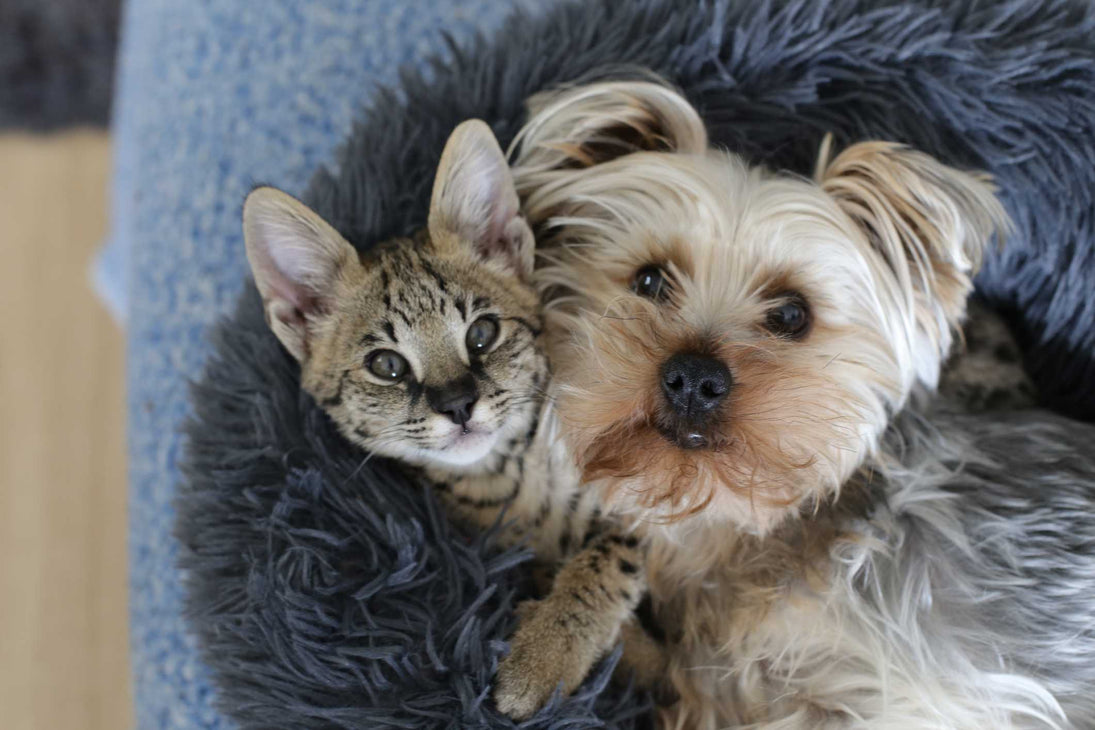
Credit: www.mywonderpaws.com
Factors Influencing Dog-cat Conflicts
Dog-cat conflicts happen for many reasons. Understanding these factors helps reduce fights and stress. Some dogs have natural instincts that make them chase cats. Other times, the problem starts from how they grow up. The home environment also plays a big role in how dogs and cats behave together.
Early Socialization Importance
Introducing dogs and cats at a young age helps them accept each other. Puppies and kittens that meet early learn to live side by side. Socialization teaches dogs to be calm around cats. It lowers fear and aggression. Without early socialization, dogs may see cats as prey or threats.
Training Techniques To Reduce Aggression
Training helps dogs control their impulses around cats. Teaching commands like “leave it” or “stay” creates boundaries. Rewarding good behavior encourages dogs to stay calm. Avoid harsh punishments, as they can increase fear. Consistent training builds trust and respect between pets.
Environment And Supervision
Setting a safe space for each pet reduces conflicts. Dogs and cats need places to retreat and feel safe. Supervision is key during their first meetings. Watch their body language closely for signs of stress. Separate them if tension rises to prevent fights.
Tips To Introduce Dogs To Cats
Introducing a dog to a cat requires patience and care. Dogs and cats have different ways of communicating. Proper introduction helps them accept each other. It lowers stress and avoids fights. Follow clear steps to make the process smooth and safe.
Controlled Meeting Strategies
Start with short meetings in a quiet room. Keep the dog on a leash. Let the cat move freely and hide if needed. Use a barrier like a baby gate for first encounters. Allow them to see and smell each other without direct contact. Gradually increase meeting time as they stay calm.
Reading Body Language
Watch the dog’s posture and tail position closely. A stiff body or raised fur shows tension. The cat may hiss or swish its tail when upset. Relaxed ears and soft eyes mean comfort. Stop the meeting if either pet shows fear or aggression. Respect their feelings to build trust.
Positive Reinforcement Methods
Reward calm behavior with treats and praise. Give treats when pets ignore each other. Use a calm, happy voice to encourage peace. Avoid punishment for growling or hissing; it can increase fear. Positive rewards help pets associate each other with good things. Keep sessions short and end on a good note.
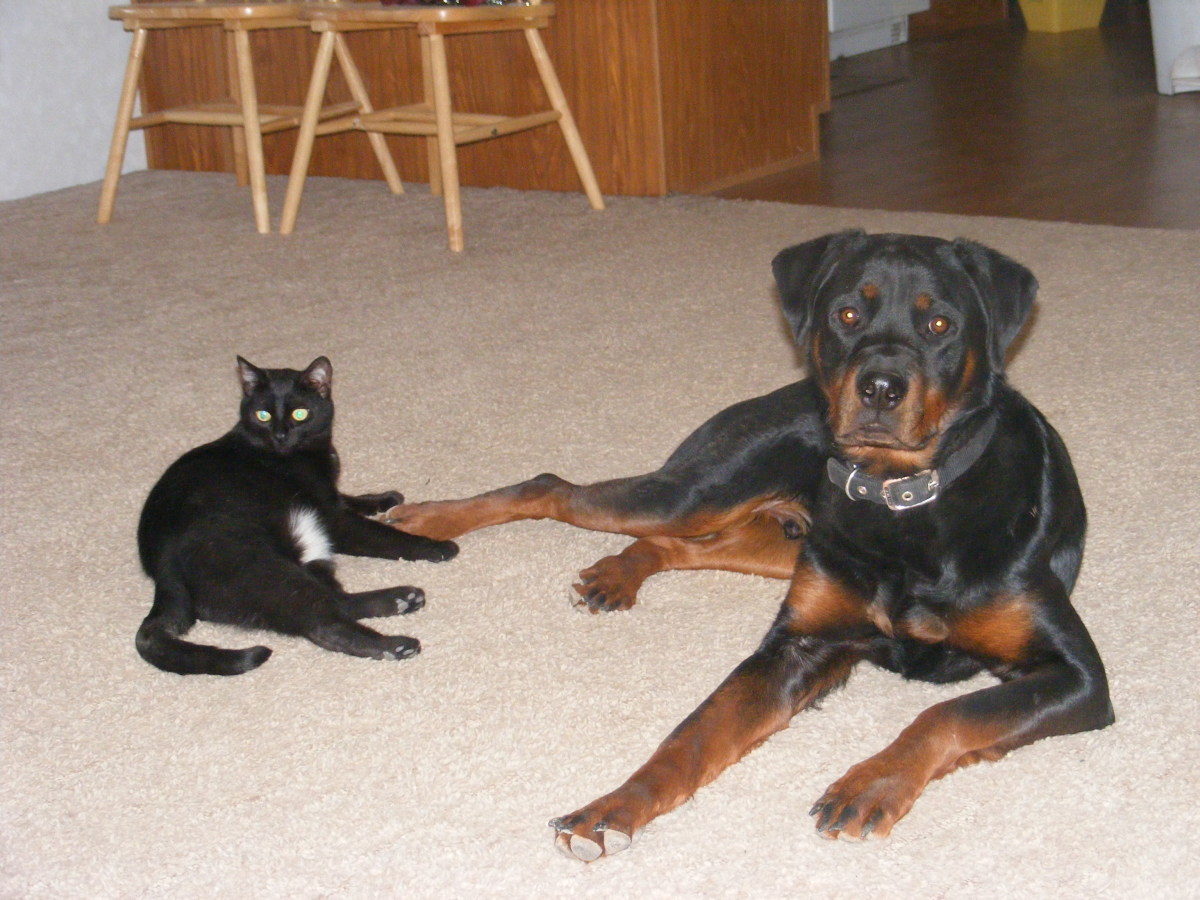
Credit: discover.hubpages.com
Frequently Asked Questions
Which Dog Breeds Typically Don’t Get Along With Cats?
Certain breeds like Huskies, Terriers, and Greyhounds may struggle with cats. Their high prey drive or strong instincts can cause conflicts. Early socialization can help but caution is advised when introducing these breeds to cats.
Why Do Some Dogs Dislike Cats?
Dogs may dislike cats due to their natural prey drive or territorial behavior. Lack of early exposure to cats can increase tension. Each dog’s personality and past experiences also influence their reaction to cats.
Can Aggressive Dog Breeds Ever Live Peacefully With Cats?
Yes, with proper training and socialization, aggressive breeds can coexist with cats. Gradual introductions and supervision are crucial. However, some breeds require more effort to ensure safety and harmony.
How To Safely Introduce Cats To Dog Breeds With Poor Cat Relations?
Introduce them slowly and in controlled environments. Use leashes and crates to ensure safety. Reward calm behavior and never force interactions. Patience and consistency improve chances of peaceful coexistence.
Conclusion
Some dog breeds have strong hunting instincts and dislike cats. These dogs may chase or stress your feline friend. Choosing the right dog helps keep peace at home. Always watch their first meetings closely. Patience and training can sometimes help them get along.
Knowing which breeds may not fit with cats saves headaches later. Keep your pets safe and happy by understanding their nature. Finding a calm, cat-friendly dog is possible with research. Your pets deserve a loving and peaceful home.