
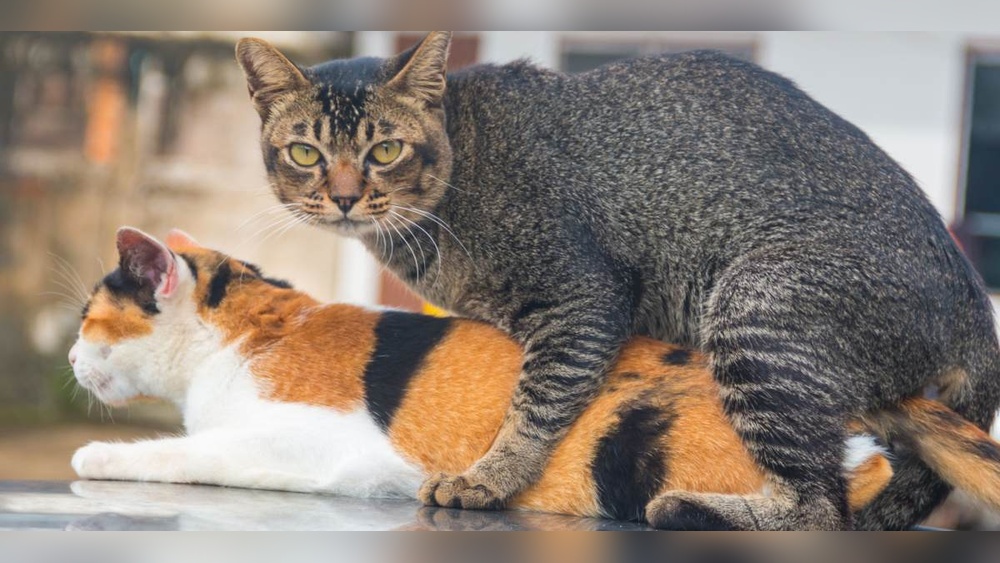
Have you ever wondered why cats suddenly start yelling when they are breeding? If you’ve heard those loud, surprising sounds, you’re not alone—and it’s natural to be curious or even a little concerned.
Understanding why your cat makes these noises can help you feel more connected to your furry friend and ease any worries you might have. You’ll discover the fascinating reasons behind those loud yells and what they mean for your cat’s behavior.
Keep reading to unlock the secrets behind this unusual but completely normal cat trait.
Cat Mating Sounds
Cats make many sounds during mating. These sounds can seem loud and strange to people. Understanding these noises helps explain why cats yell while breeding.
Cat mating sounds are part of their natural behavior. They use vocalizations to communicate feelings and intentions. These sounds play a role in attracting mates and showing readiness to breed.
Typical Vocalizations
Cats often make loud yowls and howls during mating. These noises can be sharp and repeated. The sounds come from both male and female cats.
Females usually cry out to signal they are in heat. Males respond with growls or meows to show interest. Sometimes, these sounds sound like screams. They are normal and help cats find each other.
When Yelling Occurs
Yelling happens mostly during the mating act. Female cats may shout when the male mounts them. This can last for a few seconds or longer.
The pain or discomfort from mating causes the female to yell. Males may also make loud noises to keep rivals away. The yelling serves as a warning to other cats nearby.

Credit: www.amazon.com
Biological Triggers
Cats often yell during breeding due to strong biological triggers. These triggers come from deep inside their bodies. They cause loud noises that may seem strange to us. Understanding these triggers helps explain why cats behave this way.
Yelling is a natural response linked to hormonal and physical changes. It is not just random noise but a sign of the cat’s internal state.
Hormonal Changes
Hormones play a big role in a cat’s breeding behavior. Female cats release special hormones during heat. These chemicals signal readiness to mate. The hormone surge makes them vocal and restless.
Male cats also experience hormonal shifts. These changes increase their desire to mate. Yelling helps attract partners and warn rivals. It is a form of communication driven by hormones.
Pain And Discomfort
Breeding can cause pain or discomfort for cats. The mating process is physically intense. Some cats yell because they feel sharp or sudden pain. This vocalization is a natural reaction to stress or hurt.
Discomfort may come from biting or positioning during mating. Vocal sounds help express this feeling. It is part of their way to cope with the physical strain.
Behavioral Reasons
Cats make loud noises during breeding for several behavioral reasons. These vocalizations serve important roles in their interactions. Understanding these sounds helps us learn more about their nature.
Territorial Calls
During breeding, cats often shout to mark their territory. These loud calls warn other cats to stay away. It helps prevent fights over space and mates. Male cats especially use these sounds to claim dominance. Female cats may also vocalize to signal their presence. This behavior keeps their breeding area secure.
Communication Between Cats
Cats use yelling as a way to communicate during mating. The sounds help attract partners and show readiness. Females call out to signal they are in heat. Males respond with loud cries to show interest. This exchange helps them find each other in large areas. Their voices carry messages about mood and intentions.
:max_bytes(150000):strip_icc()/why-do-cats-scream-when-mating-120749764-2000-500251bfcbf24cd0bfa0793fd54321a1.jpg)
Credit: www.dailypaws.com
Stress Factors
Cats often yell during breeding due to stress. Stress affects their behavior strongly. Understanding stress factors helps explain this vocal behavior. Stress makes cats anxious and uncomfortable. It can cause loud vocalizations to express distress.
Environmental Stressors
Unfamiliar places make cats nervous. Loud noises around them increase stress. Bright lights can also bother cats. Crowded areas create tension for cats. These environmental stressors cause cats to yell. They use sound to cope with discomfort.
Fear And Anxiety
Fear triggers loud cries in cats. Anxiety during breeding is common. Fear of other animals or humans adds stress. This fear makes cats vocalize loudly. Yelling is their way to show fear. It warns others and expresses discomfort.
Health Concerns
Health concerns play a big role in why cats yell during breeding. The sounds may signal pain or discomfort. Understanding these concerns helps pet owners respond well.
Injuries During Mating
Injuries can happen while cats mate. The male cat’s barbed penis can cause scratches or tears. These injuries may cause sharp pain and loud vocalizing. Female cats might also get bitten or scratched. Such injuries need quick attention to avoid infection.
Underlying Medical Issues
Some cats have health problems that cause pain during mating. Infections or inflammations in the reproductive organs can hurt. Arthritis or joint pain can make movements painful. These issues can make cats yell to show distress. A vet check helps find and treat these problems early.
Owner’s Role
Understanding your cat’s behavior during breeding is important. The owner’s role includes watching and learning about these sounds. Cats may yell for many reasons, some normal and some not. Knowing the difference helps keep your cat safe and healthy. Your attention can prevent problems early.
Recognizing Normal Vs. Abnormal Sounds
Cats often make loud noises during mating. These sounds can be part of their natural behavior. Normal yells are usually short and stop after a moment. They show stress or excitement but do not last long. Abnormal sounds may be continuous or very harsh. These might mean pain or injury. Pay attention to changes in volume or tone. Understanding these clues helps you respond correctly.
When To Consult A Veterinarian
Call a vet if the yelling seems painful or unusual. Persistent loud cries need professional attention. Also watch for signs like limping, bleeding, or hiding. These may show your cat is hurt or sick. Quick action can prevent serious health issues. Your vet can check for infections or injuries. Early care improves your cat’s recovery chances.
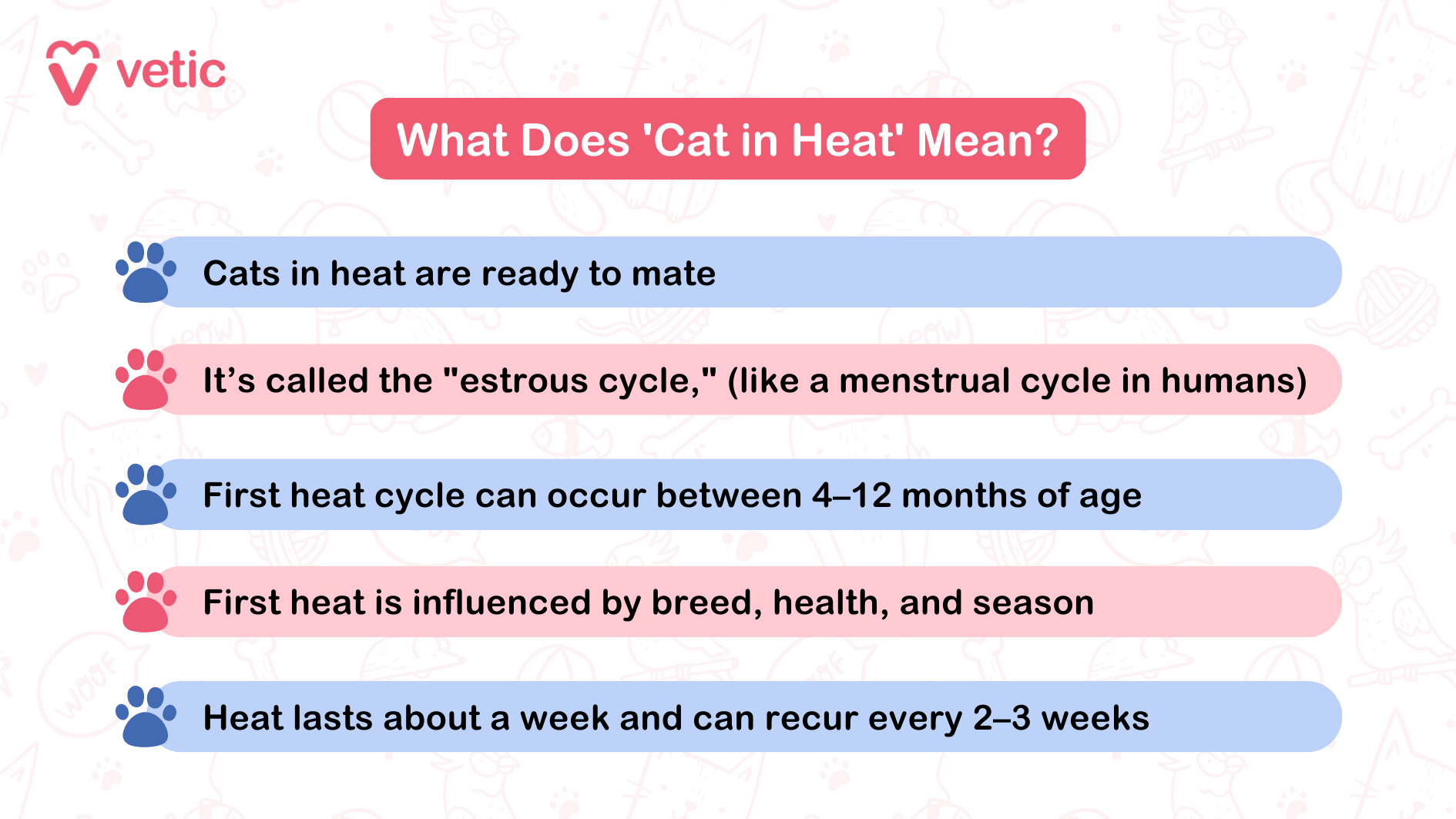
Credit: vetic.in
Frequently Asked Questions
Why Do Cats Yell Loudly During Mating?
Cats yell loudly during mating due to pain and excitement. The male’s barbed penis causes discomfort to the female. This vocalization signals distress and triggers hormonal changes for ovulation, making it a natural part of the breeding process.
Is Cat Yelling Normal Behavior While Breeding?
Yes, cat yelling is normal during breeding. It helps communicate discomfort and readiness between cats. The female’s cries signal the male to adjust his behavior. This vocalization is a natural and common part of feline mating rituals.
How Long Does Cat Yelling Last During Mating?
Cat yelling usually lasts only a few seconds. The female yells when the male withdraws his penis. This brief loud vocalization is followed by calm behavior. It signals the end of the mating act and hormonal response initiation.
Can Cat Yelling During Breeding Indicate Injury?
Usually, yelling during breeding is not due to injury. It is a normal reaction to the male’s barbed penis. However, if yelling continues excessively or with signs of distress, a vet visit is advisable to rule out injury or infection.
Conclusion
Cats yell while breeding because it is part of their natural behavior. The sound helps them communicate with each other during mating. It can also show excitement or discomfort. Understanding this helps cat owners stay calm and patient. Remember, this yelling is normal and usually not a sign of pain.
Paying attention to your cat’s needs keeps them happy and healthy. Learning about these sounds makes caring for cats easier and more rewarding.