
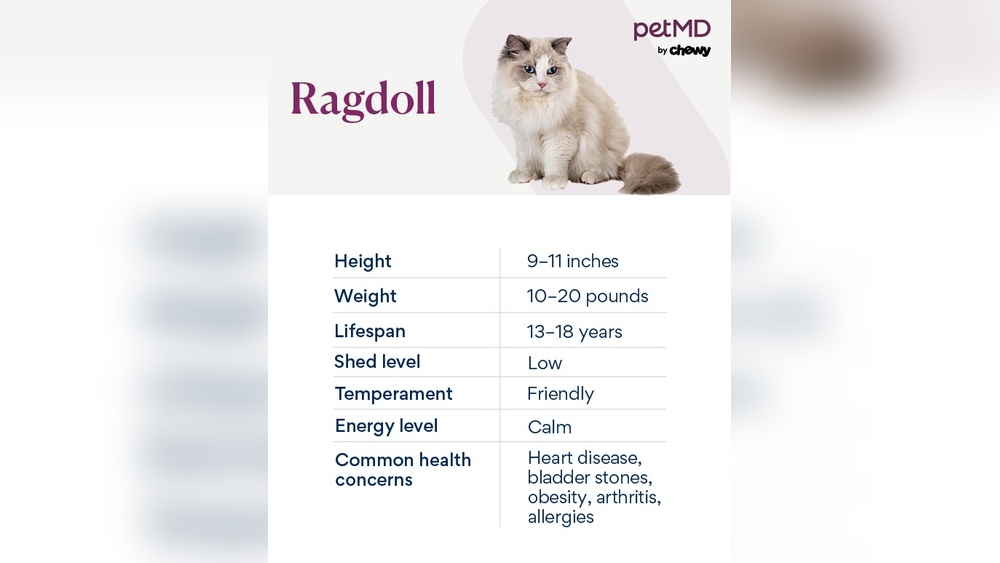
Are you curious about what makes a Ragdoll cat so special? If you’ve ever wondered where this gentle, floppy feline comes from, you’re in the right place.
Understanding the breeds behind a Ragdoll will help you appreciate its unique personality and appearance even more. Whether you’re thinking about adding one to your family or just love learning about cats, this guide will give you clear answers. Keep reading to discover the fascinating mix of breeds that create the lovable Ragdoll you know and adore.

Credit: cfa.org
Ragdoll Cat Origins
The Ragdoll cat is famous for its gentle and calm nature. Its origins trace back to the 1960s in the United States. This breed quickly became popular due to its unique personality and beautiful looks. Understanding the breed’s beginnings helps appreciate why Ragdolls are so special today.
Early Beginnings
The story of the Ragdoll starts with a cat named Josephine. She was a large, white, long-haired cat with blue eyes. Josephine belonged to Ann Baker, a breeder in California. Ann noticed Josephine’s relaxed nature when held, like a soft ragdoll toy. This trait inspired the breed’s name and development.
Ann Baker began breeding cats with similar traits. She aimed to create a gentle, loving companion cat. The breeding focused on cats that stayed calm and floppy when picked up. This behavior made Ragdolls very unique among cat breeds.
Key Breeding Cats
Several cats contributed to the Ragdoll’s development. Josephine was the foundation cat. Breeders used other long-haired cats, including Persians and Birman cats. These breeds helped shape the Ragdoll’s soft coat and striking blue eyes.
The mix of these cats gave Ragdolls their large size and gentle personality. The breeders carefully selected cats that shared Josephine’s calm nature. This careful selection ensured the Ragdoll would keep its friendly and relaxed behavior.
:strip_icc()/ragdoll-cat-lying-down--portrait-579000275-5c868f0146e0fb00015f8fbf.jpg)
Credit: www.thesprucepets.com
Breed Characteristics
The Ragdoll breed is known for its unique and charming traits. These cats have a distinct look and a gentle nature. Their characteristics make them popular among cat lovers worldwide. Understanding these traits helps to appreciate what makes Ragdolls special.
Ragdolls have physical and personality features that set them apart. These features come from their mixed breed origins. They are a blend of beauty and calmness in one cat.
Physical Traits
Ragdolls are large, muscular cats with soft, silky fur. Their coats are semi-long and require regular grooming. They have striking blue eyes, which add to their charm. Their fur color varies, including seal, blue, and chocolate points. Their bodies are sturdy, yet they move with grace. Their ears are medium-sized with rounded tips. Their tails are long and fluffy, matching their thick fur.
Personality And Temperament
Ragdolls are calm and affectionate. They enjoy being held and often go limp when picked up. These cats are friendly with people and other pets. They rarely show aggression, making them good family companions. They like to follow their owners around the house. They respond well to gentle voices and touch. Their easy-going nature means they adapt well to new environments. Ragdolls love to play but are not overly energetic.
Influential Breeds In Ragdoll Development
The Ragdoll cat is a gentle giant with a unique look and calm nature. It did not appear by chance. Several cat breeds played key roles in shaping the Ragdoll’s traits. Understanding these breeds helps us appreciate the Ragdoll’s charm and personality.
Each breed contributed something special. Some added softness, others added color or temperament. Let’s explore the most important breeds behind the Ragdoll’s development.
Birman Cats
Birman cats influenced the Ragdoll’s striking blue eyes. They also passed down their silky coat texture. Birmans are known for their calm and friendly nature. This helped form the gentle personality of Ragdolls. Their pointed color patterns inspired the Ragdoll’s distinctive look.
Persian Cats
Persians gave the Ragdoll a plush, thick coat. Their round face and large eyes also influenced the Ragdoll’s appearance. Persians are peaceful and affectionate cats. These traits helped make Ragdolls relaxed and loving pets. The fluffy fur of Persians added softness to the Ragdoll’s coat.
Siamese Cats
Siamese cats passed on the Ragdoll’s pointed color pattern. They also contributed to the Ragdoll’s vocal and social traits. Siamese cats are very affectionate and curious. These qualities helped shape the Ragdoll’s friendly and engaging behavior. The Siamese influence brightened the Ragdoll’s personality.
Selective Breeding Process
The selective breeding process shaped the Ragdoll cat into a unique breed. Breeders carefully chose parent cats with specific qualities. Their goal was to create cats with gentle behavior and striking looks. This process took many years of patient effort. It involved pairing cats with traits that complemented each other. The result is the Ragdoll we know today.
Selective breeding focused on both physical features and personality. Breeders aimed to keep the breed healthy and calm. This careful selection made Ragdolls popular as loving pets. The process shows how breeding can guide a cat’s development.
Traits Breeders Targeted
Breeders wanted cats with soft, silky fur and blue eyes. They chose large cats with strong bones and a muscular build. Calm and friendly behavior was very important. Cats that relaxed when held were preferred. This trait gave the Ragdoll its name. Breeders also selected cats that liked human company. These traits helped shape the Ragdoll’s gentle personality and striking appearance.
Challenges Faced
Breeding the perfect Ragdoll was not easy. Some cats did not show the desired traits clearly. Maintaining good health while selecting traits took effort. Breeders had to avoid genetic problems common in small gene pools. Finding cats with the right mix of traits was slow. Patience was key to overcoming these challenges. Breeders worked hard to keep the breed strong and balanced.
Genetic Contributions
The Ragdoll cat breed is known for its unique traits. These traits come from its genetic background. Understanding these genetics helps explain what makes a Ragdoll special. The breed’s look and behavior both trace back to its ancestors. These genetic contributions shape the Ragdoll’s distinct personality and appearance.
Coat Color And Patterns
Ragdolls have striking colors and patterns. Their gene pool includes cats with pointed colors. This means their fur is lighter on the body and darker on the face, ears, paws, and tail. The color points come from Siamese and Birman cats. These breeds passed down genes that create soft, silky fur in shades of cream, seal, blue, and chocolate. The patterns include colorpoint, mitted, and bicolor, all linked to their genetic makeup.
Behavioral Traits
The gentle and calm nature of Ragdolls is inherited. Their ancestors, such as the Birman, were known for being affectionate and relaxed. These traits combined in Ragdolls to create a docile and friendly pet. Ragdolls often follow their owners and enjoy being held. This behavior is part of their genetic design. It makes them perfect companions for families and calm homes.
Modern Ragdoll Variations
Ragdolls are popular for their calm and gentle nature. Over time, new types of Ragdolls have appeared. These modern variations offer different looks and personalities. They keep the charm of the original breed but add fresh traits. This section explores the common modern Ragdoll types.
Standard Ragdolls
Standard Ragdolls are the classic type. They have large bodies and soft, silky fur. Their eyes are bright blue and very expressive. These cats usually have color points on their ears, face, paws, and tail. Their coats come in patterns like colorpoint, mitted, and bicolor. Standard Ragdolls are calm and love to cuddle. They enjoy quiet homes and gentle play.
New Breed Crosses
New breed crosses mix Ragdolls with other cats. Breeders aim to keep the Ragdoll’s friendly nature. They also want to add new colors or body shapes. Some crosses may have shorter fur or different eye colors. These crosses can be playful and active but still sweet. They bring variety while respecting the Ragdoll’s gentle spirit. Each new cross creates a unique pet for families.
Ragdoll Popularity And Impact
The Ragdoll cat has grown in popularity worldwide. Its calm nature and striking looks attract many cat lovers. Ragdolls often become family pets and companions. Their unique traits make them stand out among other breeds.
This popularity affects the cat world in many ways. It influences breeding, shows, and pet ownership trends. Understanding this impact helps appreciate the breed’s role in today’s pet culture.
Global Recognition
Ragdolls are known and loved in many countries. Their gentle temperament makes them popular in homes everywhere. Breed clubs and cat organizations officially recognize them. This recognition helps maintain breed standards and health.
Ragdolls often appear in pet magazines and online platforms. Their image represents calmness and friendliness. This global presence helps spread awareness about the breed.
Role In Cat Shows
Ragdolls frequently compete in cat shows worldwide. Judges admire their size, coat, and eye color. Their calm behavior also scores points during judging.
Showing Ragdolls helps improve the breed’s quality. Breeders use show results to guide their breeding choices. This keeps the breed healthy and true to its traits.
Cat shows increase interest in Ragdolls. Many people meet the breed for the first time there. These events play a key role in the breed’s rising fame.
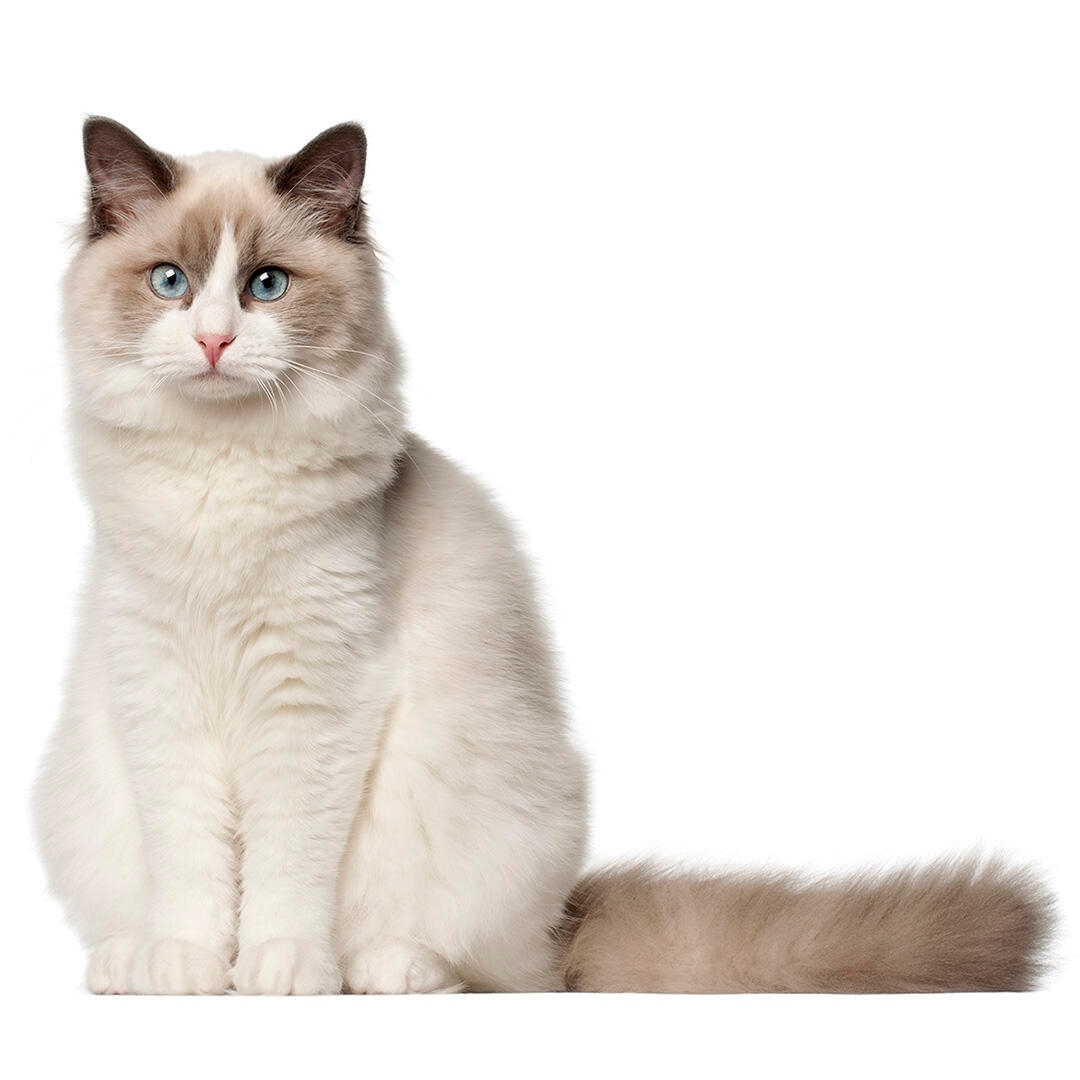
Credit: www.purina.co.uk
Frequently Asked Questions
What Cat Breeds Contributed To The Ragdoll?
Ragdolls were primarily developed by crossing Burmese, Persian, and Birman cats. These breeds influenced their unique appearance and gentle temperament. The mix resulted in the Ragdoll’s striking blue eyes, semi-long coat, and affectionate nature, making them a popular and beloved breed worldwide.
Are Ragdolls Related To Any Specific Breeds?
Yes, Ragdolls share ancestry with Burmese, Persian, and Birman cats. Their development combined traits from these breeds, especially the Birman’s color points and Persian’s coat. This heritage gives Ragdolls their distinctive look and calm personality, setting them apart from other cat breeds.
How Do Ragdoll Traits Differ From Other Breeds?
Ragdolls are known for their relaxed, docile nature and large size. Unlike many cats, they often go limp when held, hence the name “Ragdoll. ” Their soft, semi-long fur and striking blue eyes distinguish them from other breeds, making them easily recognizable and highly sought after.
Can Mixed Breeds Produce Ragdoll-like Cats?
Mixed breeds can resemble Ragdolls but won’t have purebred traits. Only Ragdolls with documented lineage meet breed standards. While some mixed cats may share physical features, true Ragdolls have consistent temperament, size, and coat quality defined by their breed heritage.
Conclusion
Ragdolls are gentle cats with a unique look and calm nature. Their breed comes from mixing specific cats, like the Birman and Persian. This mix gives them soft fur and big blue eyes. Many people love Ragdolls because they are friendly and easy to care for.
Knowing their breed helps you understand their habits better. They fit well in families and quiet homes. Choosing a Ragdoll means welcoming a loving and peaceful pet. Simple care and attention make them happy and healthy companions. Ragdolls truly bring warmth to any home.