
Are you thinking about adding a new feline friend to your home but worried about how your cats will get along? Choosing the right cat breeds can make all the difference in creating a peaceful and happy household.
Some cats naturally enjoy each other’s company, while others may prefer to be the only pet. You’ll discover which cat breeds tend to form strong bonds and live harmoniously together. By the end, you’ll feel confident in making the best choice for your furry family and enjoy a home full of purrs and playful moments.
Keep reading to find out which cats are most likely to become your pet’s new best friend!
Traits That Boost Cat Compatibility
Choosing cat breeds that get along depends on certain traits. These traits help cats live peacefully together. Understanding these helps pet owners create a happy home for multiple cats.
Temperament And Social Behavior
Cats with calm and friendly temperaments usually get along better. Social cats enjoy company and play with others. Shy or aggressive cats may struggle with roommates. Look for breeds known for gentle and sociable natures. These cats adapt to new friends faster.
Energy Levels And Play Styles
Cats with similar energy levels match well. Active cats prefer play and movement. Quiet cats like rest and calm time. Differences in play styles can cause stress. Pair energetic cats together to keep peace. Matching play needs helps cats bond.
Age And Adaptability
Young cats often adapt more easily to others. Older cats may prefer their own space. Kittens usually accept new friends quickly. Adult cats need slow introductions for success. Some breeds adjust faster to changes. Age and flexibility affect how cats get along.
:strip_icc()/DogAndCat461331121-56a9c1f25f9b58b7d0febc84.jpg)
Credit: www.thesprucepets.com
Top Friendly Cat Breed Pairings
Choosing cat breeds that get along well can make your home peaceful. Some breeds have natural traits that help them bond easily. They enjoy playing, cuddling, and sharing space without stress.
This section shows popular cat breed pairs known for friendly behavior. These combinations often lead to happy and calm cat friendships. Each pair has unique qualities that match well together.
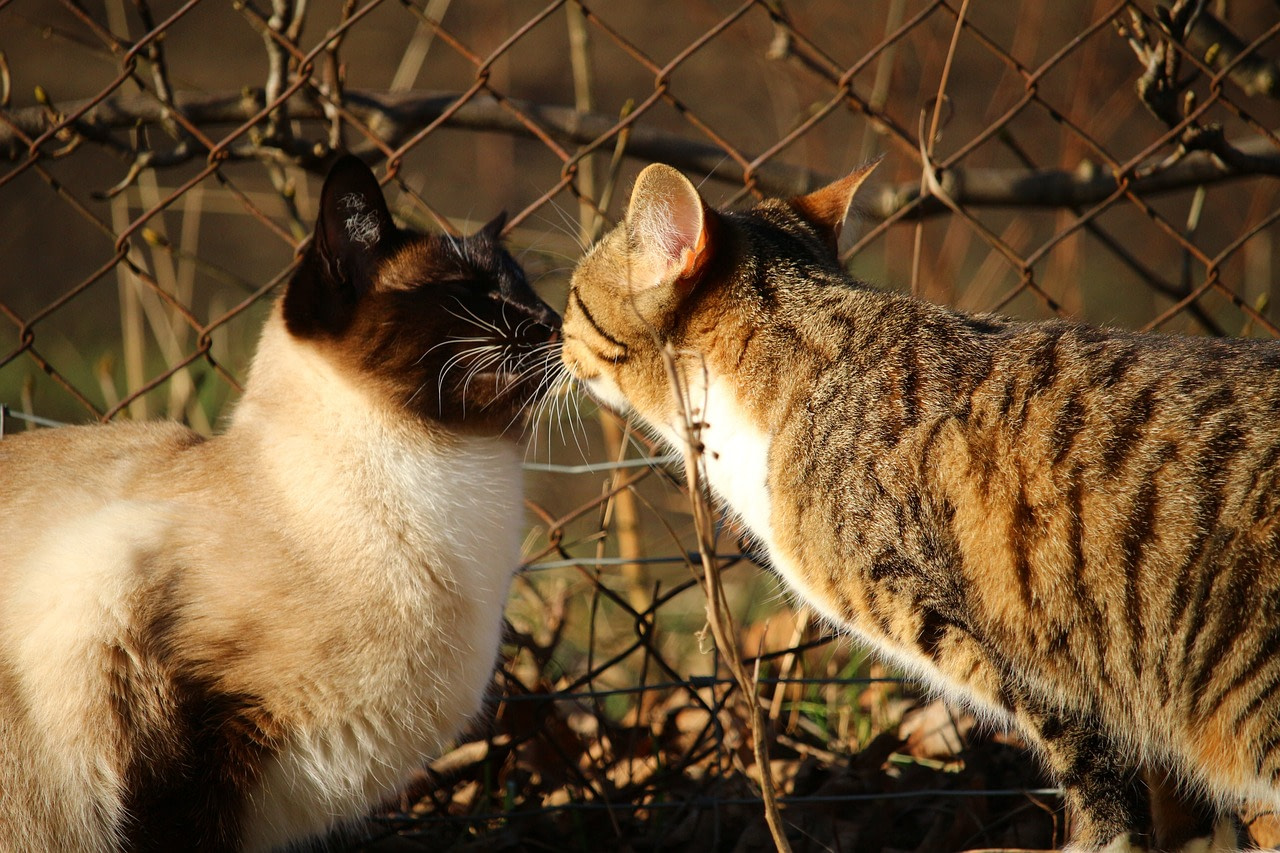
Siamese And Burmese
Siamese cats are talkative and active. Burmese cats are gentle and affectionate. Both breeds love attention and company. Together, they create a lively and loving environment. Their social nature helps them enjoy each other’s presence.
Ragdoll And Maine Coon
Ragdolls are calm and gentle cats. Maine Coons are large, friendly, and playful. Both breeds like to relax and be around people. They share a patient and kind temperament. This makes them great companions for each other.
Scottish Fold And British Shorthair
Scottish Folds are sweet and easygoing. British Shorthairs are calm and loyal. Both breeds prefer quiet and peaceful homes. Their calm energy helps prevent conflicts. They enjoy resting together and gentle playtime.
Sphynx And Devon Rex
Sphynx cats are curious and loving. Devon Rex cats are playful and affectionate. Both breeds seek attention and enjoy interaction. Their energetic and friendly nature bonds them quickly. They love exploring and cuddling side by side.
Introducing Cats To Each Other
Introducing cats to each other needs care and patience. Cats are territorial animals. Sudden meetings can cause stress or fights. A slow and calm introduction helps them accept each other. This section explains how to introduce cats properly for a peaceful home.
Preparing The Environment
Start by setting up separate spaces for each cat. Each area should have food, water, and a litter box. Use cozy beds and toys to make them feel safe. Keep these spaces quiet and calm. This helps reduce stress and allows cats to adjust.
Gradual Introduction Steps
Begin by letting cats smell each other without meeting. Swap bedding or use a cloth to carry their scent. Next, allow short visual meetings through a gate or screen. Gradually increase their time together while watching their behavior. Avoid forcing direct contact too soon.
Monitoring Early Interactions
Watch for signs of stress or aggression during meetings. Look for hissing, growling, or swatting. If these happen, separate cats and try again later. Praise calm and friendly behavior with treats and gentle petting. Early positive experiences build trust between cats.
Signs Of Successful Cat Friendships
Successful cat friendships show clear signs of comfort and trust. Cats that enjoy each other’s company share special behaviors. These signs help pet owners understand if their cats truly get along. Watching these signs can guide you in creating a peaceful home for multiple cats.
Mutual Grooming And Play
Mutual grooming means cats lick each other’s fur gently. This shows deep trust and care between them. Cats also play together, chasing or wrestling without aggression. Play helps cats bond and release energy in a positive way. Such activities indicate a strong, friendly connection.
Shared Resting Spaces
Cats that share resting spots feel safe around each other. They may nap side by side or curl up together. Choosing to rest close shows acceptance and comfort. Cats usually avoid resting near those they dislike. Shared spaces signal peaceful coexistence.
Positive Body Language
Friendly cats show relaxed postures and soft eyes. Tails held high or gently waving mean happiness. They avoid hissing, growling, or stiff movements. Instead, they use slow blinks to show trust. Reading these signs helps know if cats enjoy each other’s presence.
Handling Conflicts Between Cats
Handling conflicts between cats is important for a peaceful home. Cats may not always get along, even if they are friendly breeds. Understanding the causes of fights helps reduce stress. Simple steps can calm cats and avoid bigger problems. Knowing when to ask for expert help keeps cats safe and happy.
Common Causes Of Disputes
Cats fight over space and resources like food bowls and litter boxes. New cats in the house can cause jealousy and fear. Sometimes, cats do not like sharing their favorite resting spots. Changes in the environment, like loud noises, also make cats anxious. Misunderstandings happen when cats misread each other’s body language.
De-escalation Techniques
Stay calm and avoid shouting during cat fights. Use a soft voice to soothe the cats. Distract them with toys or treats to stop the fight. Separate cats gently using a blanket or a piece of cardboard. Give each cat their own space to relax and feel safe. Reward peaceful behavior to encourage calmness.
When To Seek Professional Help
Persistent fighting that causes injury needs a vet or behaviorist. Sudden changes in behavior or aggression require expert advice. If cats hide or stop eating, ask a professional. A specialist can find hidden health issues causing fights. They also teach owners how to manage and improve cat relations.

Credit: www.newsweek.com
Tips For Maintaining Harmony
Keeping peace between cats requires care and attention. Small efforts create a calm home where cats live happily together. Understanding their needs helps prevent fights and stress.
Providing Individual Resources
Each cat needs its own food and water bowls. Separate litter boxes reduce tension and keep cats comfortable. Give each cat its own bed or resting spot. This space helps them feel safe and relaxed. Avoid sharing items to lower competition and stress.
Regular Play And Engagement
Playtime helps cats release energy and bond. Use toys that mimic prey to spark their interest. Play with each cat separately and together if they enjoy it. This keeps them active and reduces boredom. Regular fun moments build positive connections.
Consistent Routine And Attention
Cats thrive on routine. Feed and play with them at the same times daily. This predictability makes them feel secure. Give equal attention to all cats to prevent jealousy. Calm voices and gentle touch build trust and peace.
Credit: www.siamese-cat-breeder.co.uk
Frequently Asked Questions
Which Cat Breeds Are Most Social With Others?
Breeds like Ragdolls, Siamese, and Maine Coons are known for their friendly nature. They usually enjoy the company of other cats and adapt well to multi-cat households.
Can Different Cat Breeds Live Peacefully Together?
Yes, many cat breeds can coexist peacefully. Proper introduction, patience, and understanding each breed’s temperament are key to harmony.
How To Introduce Two Cats Of Different Breeds?
Introduce them gradually in a neutral space. Use scent swapping and supervised meetings to help them adjust and reduce stress.
Are Some Cat Breeds More Territorial Than Others?
Yes, breeds like Bengals and Persians can be territorial. Understanding their behavior helps manage conflicts and fosters better relationships.
Conclusion
Choosing cat breeds that get along can make home life peaceful. Some cats enjoy company, while others prefer to be alone. Friendly breeds like Ragdolls and Siamese often bond well. Introducing cats slowly helps them adjust and build trust. Pay attention to each cat’s personality and needs.
Happy cats mean a happy home for everyone. Keep patience and kindness during introductions. A calm approach leads to better friendships between cats. Enjoy watching your cats grow comfortable with each other. Every cat pair is unique, so find what fits best.