
You love your Persian cat, but grooming can feel like a big challenge. Their long, thick fur needs special care to stay soft and shiny.
If you’re wondering how to keep your furry friend looking their best without stress or hassle, you’re in the right place. This guide will show you simple, effective steps to groom your Persian cat like a pro. By the end, you’ll feel confident and ready to make grooming a relaxing, enjoyable time for both you and your pet.
Keep reading to discover easy tips that will transform your grooming routine!
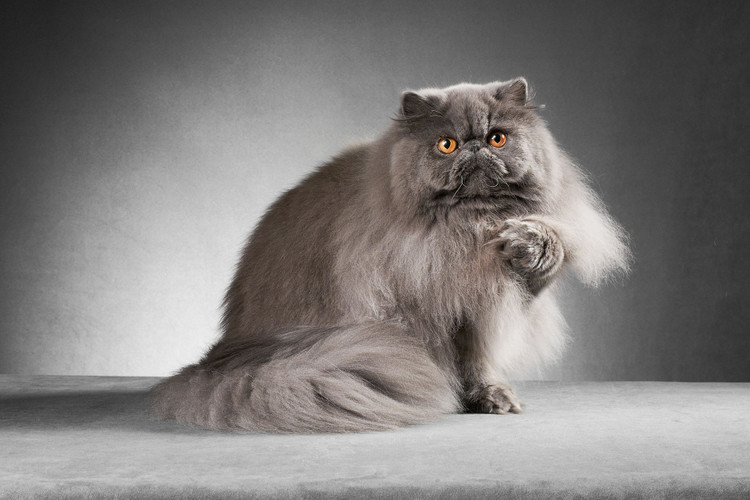
Credit: www.eyeenvy.com
Choosing The Right Grooming Tools
Choosing the right grooming tools helps keep your Persian cat healthy and happy. Persian cats have long, thick fur that needs special care. Using the correct tools makes grooming easier and more effective. It also reduces stress for your cat during grooming sessions.
Types Of Brushes For Persian Cats
Persian cats need brushes that can reach through their thick fur. A wide-tooth comb helps remove knots and tangles gently. A slicker brush works well for removing loose hair and dirt. Use a soft bristle brush to smooth the coat and add shine. Each brush serves a different purpose in your grooming routine.
Selecting Quality Grooming Products
Choose shampoos and conditioners made for cats. They keep the fur soft without harming the skin. Avoid products with strong chemicals or perfumes. Natural and hypoallergenic options are safer. Good grooming products protect your Persian’s delicate coat and skin.
Tools For Nail And Ear Care
Trim your Persian’s nails with a sharp, small pet nail clipper. It prevents overgrowth and injury. Use a gentle ear cleaner and cotton balls to clean ears. Never use cotton swabs inside the ear canal. Regular nail and ear care helps prevent infections and discomfort.

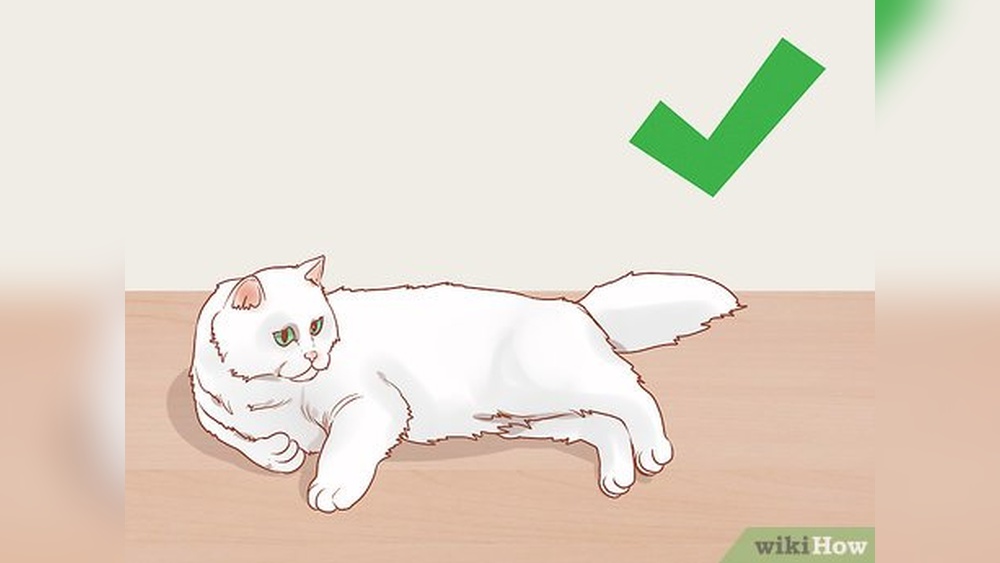
Credit: www.wikihow.com
Daily Grooming Routine
Daily grooming is important for a Persian cat’s health and comfort. Their long fur needs attention to stay soft and clean. A simple routine can keep mats and dirt away. It also helps your cat feel relaxed and loved. Spend a little time each day on grooming. This keeps problems small and easy to manage.
Brushing Techniques To Prevent Mats
Use a wide-toothed comb to start. Gently comb through the fur to remove loose hair. Follow with a fine-toothed comb for smoothness. Brush in the direction of hair growth. Avoid pulling hard to prevent hurting your cat. Focus on areas like behind ears and under legs. These spots mat easily and need extra care. Brush daily to stop mats from forming.
Cleaning The Eyes And Face
Persian cats often have watery eyes. Use a soft, damp cloth to wipe their face daily. Clean around the eyes gently to remove tear stains. Avoid using harsh chemicals or soaps. Use a different part of the cloth for each eye. This stops infection from spreading. Keep the face clean to prevent skin problems. Regular care helps your cat feel fresh.
Maintaining Coat Cleanliness
Check the coat for dirt and debris every day. Use a damp cloth to spot clean if needed. Bathing is not needed often but can help if the fur is very dirty. Use cat-safe shampoo and warm water. Dry the coat well after bath time. Keep nails trimmed to avoid scratching the coat. A clean coat shines and stays healthy longer.
Bathing Your Persian Cat
Bathing your Persian cat is an important part of grooming. Their long fur can trap dirt and oils. Regular baths keep their coat clean and healthy. It also helps reduce hairballs and skin problems. Bathing can be a calm bonding time if done right.
When And How Often To Bathe
Bathe your Persian cat every 4 to 6 weeks. More frequent baths may dry their skin. Less often can cause oily fur and mats. Watch for signs like dirty fur or bad smell. Avoid bathing if your cat is stressed or sick.
Safe Shampoo Options
Use shampoos made for cats only. Avoid human or dog shampoos. Look for gentle, hypoallergenic formulas. Shampoos with natural ingredients work best. Always rinse well to remove all shampoo. This prevents irritation and dryness.
Drying Tips For Fluffy Fur
Gently pat your cat dry with a soft towel. Avoid rubbing to prevent tangles. Use a low heat blow dryer if your cat allows it. Keep the dryer moving to avoid hot spots. Brush fur while drying to keep it fluffy and smooth.
Dealing With Common Coat Issues
Persian cats have thick, long coats that need special care. Their fur can cause common problems like mats, shedding, and skin issues. Knowing how to handle these problems helps keep your cat happy and healthy. This section covers easy ways to manage these coat challenges.
Preventing And Removing Mats
Mats happen when fur tangles and sticks together. They cause discomfort and skin problems. Brush your Persian cat daily with a wide-tooth comb. Start gently and work through small sections. Use a mat splitter or detangling spray for tough mats. Never pull hard on the fur. Trim mats carefully if needed, but avoid cutting skin. Regular grooming stops mats before they form.
Managing Shedding
Persian cats shed a lot, especially during seasonal changes. Brushing your cat every day helps remove loose hair. Use a fine-tooth comb or a grooming glove. This reduces hair around the house. Bathing your cat once a month also controls shedding. Make sure to dry the fur well after a bath. Healthy food supports strong fur and less shedding.
Addressing Skin Irritations
Skin irritations cause redness, itching, or hair loss. Check your cat’s skin regularly for signs of irritation. Keep the coat clean and dry. Use gentle, cat-safe shampoos during baths. Avoid harsh chemicals or human products. If irritation persists, visit a vet. They can suggest treatments or special shampoos. Healthy skin means a healthy, shiny coat.
Nutrition For A Healthy Coat
Your Persian cat’s coat needs good nutrition to stay soft and shiny. Healthy fur starts inside. Feeding your cat the right foods helps keep its fur strong and bright.
Nutrition supports skin health and reduces shedding. It also helps prevent matting and dryness. A balanced diet is key to a beautiful coat.
Essential Nutrients For Fur Health
Proteins build the fur’s structure. Amino acids from protein support hair growth. Fatty acids like omega-3 and omega-6 keep fur smooth and shiny. Vitamins A and E protect skin and coat. Zinc helps repair damaged skin and hair.
Recommended Diet Choices
Choose high-quality cat food with real meat as the first ingredient. Wet food adds moisture, which benefits skin and coat. Avoid foods with fillers like corn or soy. Fresh water should always be available to your cat. Balanced diets with proper nutrients make a visible difference.
Supplements To Consider
Fish oil supplements provide omega-3 fatty acids. Biotin supports healthy hair growth and skin. Consult your vet before adding supplements. Over-supplementing can cause harm. Use supplements only to fill dietary gaps.
Professional Grooming Services
Professional grooming services help keep your Persian cat healthy and clean. These experts know how to handle your cat’s long fur with care. They use the right tools to avoid hurting your pet. Regular visits can prevent mats and skin problems. Groomers also check for signs of illness you might miss.
When To Seek Expert Help
Choose professional grooming if your cat’s fur is tangled badly. If you struggle to clean hard-to-reach areas, call a groomer. Cats with sensitive skin or health issues need expert care. Groomers help if your cat dislikes brushing or scratching. Regular professional grooming is best for busy owners.
What To Expect From Groomers
Groomers will gently wash and dry your cat’s coat. They trim nails and clean ears carefully. Experts check for fleas, ticks, or skin problems. Some groomers offer fur trims or haircuts. Expect calm handling to keep your cat relaxed. They also give advice for home grooming routines.
Cost And Frequency Of Visits
Grooming costs vary by location and services offered. Most sessions range from $40 to $100 per visit. Persian cats usually need grooming every 4 to 6 weeks. Regular visits keep the coat in good shape. Skipping appointments can lead to mats and skin issues. Budgeting for grooming supports your cat’s health long term.
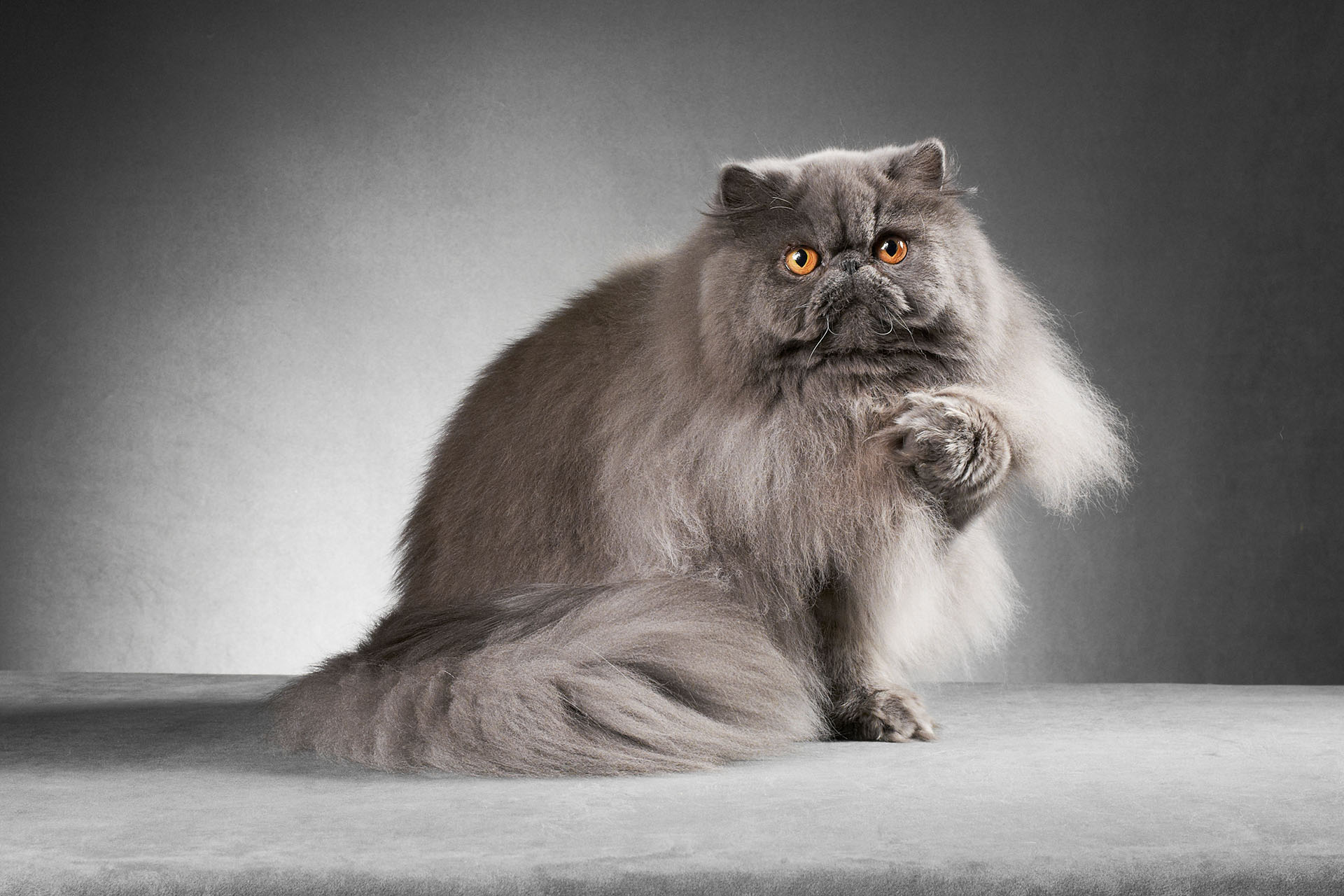
Credit: www.eyeenvy.com
Frequently Asked Questions
How Often Should I Groom My Persian Cat?
Groom your Persian cat daily to prevent mats and tangles. Their long fur requires consistent brushing. Regular grooming keeps their coat healthy and reduces shedding.
What Tools Are Best For Grooming Persian Cats?
Use a wide-toothed comb, slicker brush, and stainless steel scissors. These tools help remove mats and loose fur gently. Proper tools make grooming easier and more effective.
How Do I Prevent Mats In My Persian Cat’s Fur?
Brush your Persian cat daily and check for tangles. Use detangling sprays if needed. Regular grooming prevents painful mats and keeps the coat smooth.
Can I Bathe My Persian Cat Regularly?
Yes, bathe your Persian cat every 4 to 6 weeks. Use a gentle, cat-safe shampoo. Regular baths help maintain their coat’s cleanliness and shine.
Conclusion
Grooming your Persian cat keeps its coat soft and healthy. Regular brushing stops mats and tangles from forming. Clean their eyes gently to prevent stains and discomfort. Trim nails carefully to avoid scratches and pain. Make grooming a calm, fun time for your cat.
Healthy grooming habits help your pet feel happy and loved. Small daily efforts make a big difference in their care. Keep your Persian cat clean, comfortable, and cared for.