
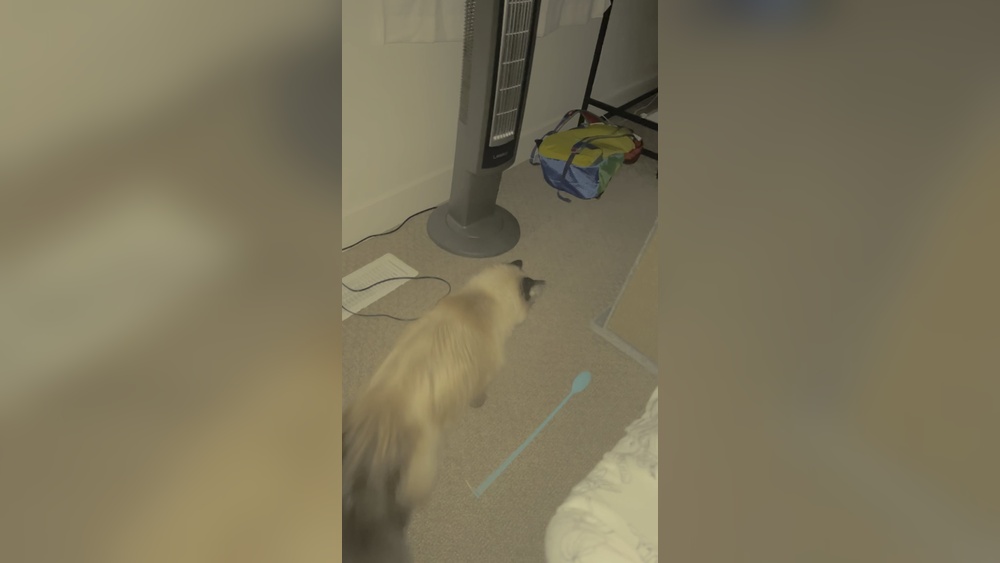
Have you ever noticed your cat crying while playing with a toy and wondered why? It can be puzzling to see your furry friend making sounds that seem so emotional during playtime.
Understanding why your cat cries with a toy can help you connect better with them and make their playtime more enjoyable. Keep reading, and you’ll discover surprising reasons behind this behavior that might change the way you interact with your cat forever.
Cat Crying Behavior
Cats use crying sounds to communicate with people and other animals. This behavior shows their feelings and needs. When your cat cries while playing with a toy, it is trying to tell you something. Understanding this can help you respond better to your pet’s emotions.
Cat crying behavior is normal but can mean different things. These sounds are part of how cats express themselves during playtime and interaction.
Common Vocalizations
Cats make many sounds like meows, yowls, and chirps. Each sound has a different meaning. A soft meow may show excitement or invitation to play. Loud yowls can mean frustration or surprise. Chirping often happens when cats see birds or small animals. These vocalizations help cats share their feelings while playing.
Emotional Signals
Crying can show a cat’s emotions clearly. It may signal happiness, stress, or even hunger. When a cat cries with a toy, it might feel excited or anxious. Sometimes, the crying means the cat wants attention or help. Watching the cat’s body language along with the sound gives clues about its mood.
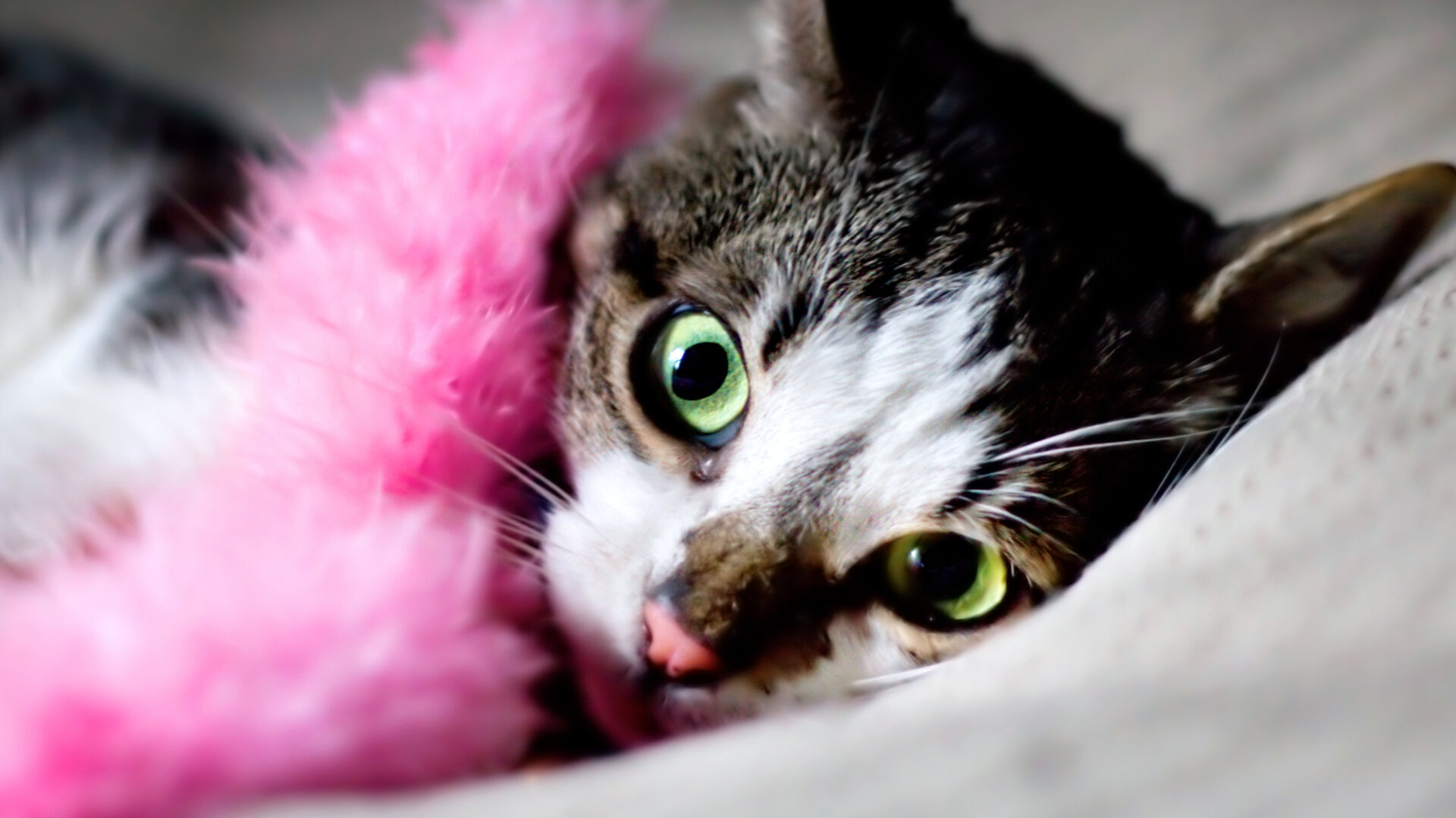
Credit: www.kittyhelpdesk.com
Connection Between Toys And Crying
Cats often cry while playing with toys. This behavior shows their feelings and needs. Toys can bring out strong emotions in cats. Crying is one way they express excitement, frustration, or hunger. Understanding this connection helps cat owners respond better. It also improves the bond between you and your cat.
Playtime Frustrations
Crying during play can mean your cat feels frustrated. Toys might be hard to catch or move too fast. Cats want to succeed in their play. When they fail, they may cry out of annoyance. This sound helps them release tension. It also signals to you that they need a break or a different toy.
Hunting Instincts Triggered
Toys often mimic prey, which triggers hunting instincts. Cats cry to express their excitement and focus. The crying sound can also be a hunting call. It shows their natural desire to catch and hold prey. This instinct is strong and drives their play behavior. Toys help cats practice these skills in a safe way.
Attention Seeking Through Toys
Cats use toys to get your attention. They do not have words to say what they want. So, they use sounds and actions instead. When a cat cries while holding a toy, it is a way to ask you to play or spend time with them. This behavior shows they want interaction and feel lonely without it.
How Cats Ask For Interaction
Cats use their toys like tools to talk to you. They may carry a toy to you and meow softly. Sometimes, they drop the toy near your feet. Their crying sound means, “Play with me now.” This helps them feel close to you. It is their way of inviting you to join their fun.
Signs Of Loneliness
Lonely cats often cry more than usual. They may bring toys to you often. Some cats pace around or stare at you quietly. They might rub against furniture or walls to seek comfort. These signs tell you they want more attention and company. Playing with them can reduce their loneliness.
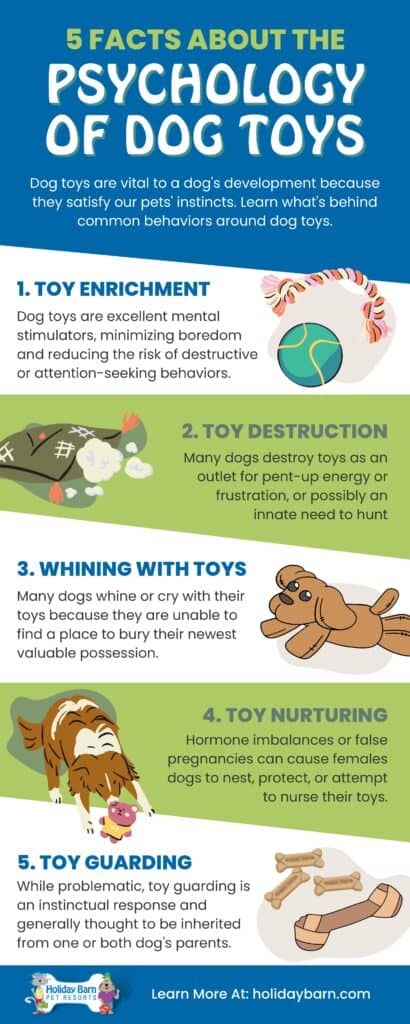
Credit: holidaybarn.com
Health Issues Behind Crying
Cats often use crying to tell us something is wrong. Sometimes, crying with a toy signals health problems. Understanding these signs helps keep your cat safe and happy.
Health issues can cause your cat to cry more than usual. Pain or discomfort and sensory decline are common reasons behind this behavior.
Pain Or Discomfort
Cats may cry while holding a toy if they feel pain. This pain can come from injuries, arthritis, or dental issues. Even small aches can make your cat uneasy. The toy might be a comfort or a distraction from pain. Watch for changes in how your cat plays. Less energy or limping are strong clues of discomfort. Pain can make your cat restless and vocal.
Sensory Decline Effects
Older cats may cry with toys due to loss of senses. Hearing or vision loss can confuse your cat. They might feel insecure or scared. Crying can be a way to seek attention or reassurance. Your cat may hold the toy for comfort. Sensory decline changes how they interact with their world. Patience and gentle care help your cat feel safe.
Emotional Needs And Stress
Cats show emotions just like people do. Their emotional health affects their behavior a lot. When cats cry with a toy, it can signal their emotional needs or stress. Understanding these feelings helps you care for your cat better.
Anxiety Responses
Some cats feel anxious in certain situations. They might cry with a toy to express this anxiety. The toy acts like a comfort object. Crying can be a way to seek attention or relief. Stress makes cats behave differently than usual.
Environmental Changes Impact
Changes in a cat’s environment can cause stress. Moving to a new home or loud noises can upset them. A cat may cry with a toy to cope with new surroundings. Toys provide a sense of safety and familiarity. Watching these signs helps you support your cat’s well-being.
How To Respond To Crying
Cats crying with a toy can feel confusing. It shows they want something. Knowing how to respond helps you and your cat enjoy playtime more. Your reaction can guide your cat’s feelings and behavior. Pay close attention to their sounds and body language. It helps you understand their needs better.
Encouraging Positive Play
Stay calm and gentle when your cat cries with a toy. Use soft voices to reassure them. Try to join the play by moving the toy slowly. Let your cat catch it sometimes. This makes play fun and rewarding. Avoid sudden or loud movements. They can scare or stress your cat. Offer praise or gentle petting when your cat plays nicely. Positive feedback helps your cat feel safe and happy.
When To Consult A Vet
Some crying might mean pain or discomfort. Watch for signs like limping or hiding. Changes in eating or grooming habits are warning signs. If your cat cries often during play or outside play, check with a vet. Persistent crying can show health problems. Early help can prevent serious issues. Do not ignore unusual behavior or sounds.

Credit: ohmydogblog.com
Frequently Asked Questions
Why Does My Cat Cry While Playing With Toys?
Cats may cry while playing to express excitement, frustration, or to mimic hunting sounds. It’s a natural behavior linked to their instincts.
Is Crying During Play Normal For Cats?
Yes, crying during play is normal. It indicates strong engagement and emotional expression related to their predatory instincts.
How Can I Stop My Cat From Crying With Toys?
Provide varied toys and interactive play sessions to reduce frustration. Regular engagement helps satisfy their hunting instincts and lowers crying.
Does My Cat Cry Because It’s Bored With Toys?
Possibly. Crying can signal boredom or lack of stimulation. Introducing new toys or changing play routines can help.
Conclusion
Cats cry with toys to express feelings or get attention. Sometimes, they feel excited or frustrated during play. Their cries can mean they want you to join in. Understanding these sounds helps build a stronger bond. Watching your cat’s behavior closely gives clues to their mood.
Playing together often makes your cat happy and calm. Remember, each cat is different and has unique ways to communicate. Keep enjoying playtime and learning what your cat tries to say. It’s a simple way to deepen your friendship.