
Have you ever brought home a new cat, excited to watch them play with toys, only to find they ignore them completely? It can be confusing and even a little disappointing.
You might wonder if something is wrong or if your cat just doesn’t like fun. The truth is, there are simple reasons behind this behavior, and understanding them can help you build a stronger bond with your furry friend. Keep reading to discover why your new cat might not be interested in toys—and what you can do to change that.

Credit: resources.sdhumane.org
Cat Play Behavior Basics
Understanding your new cat’s play behavior helps explain why toys may not excite them. Cats have unique ways of playing that link to their instincts and personalities. Observing these basics gives clues on how to engage your cat better.
Instincts Behind Play
Play mimics hunting skills. Cats chase, pounce, and stalk during play. This behavior comes from their wild ancestors. Even indoor cats keep these instincts alive. Play helps them practice catching prey. It also relieves stress and boredom. Not all cats show this the same way.
Different Play Styles
Each cat prefers certain play types. Some like chasing moving toys. Others enjoy batting or carrying toys in their mouth. Some cats prefer quiet, gentle play. Some may like rougher, active play. Age, breed, and personality affect play style. Knowing your cat’s style helps find the right toys.
Credit: www.ovrs.com
Common Reasons Cats Avoid Toys
Many new cat owners feel puzzled when their cats ignore toys. Understanding common reasons cats avoid toys helps improve playtime. Cats have unique personalities and past experiences. These factors affect their interest in toys. Recognizing these reasons can guide better toy choices and interactions.
Lack Of Interest Or Boredom
Some cats do not find toys exciting. They may prefer resting or watching quietly. Toys that move slowly or lack scent might bore them. Cats need toys that match their hunting style. Varying toy types and playtime can spark interest again.
Fear Or Anxiety
New environments can make cats nervous. Loud noises or sudden movements may scare them. Fear stops cats from playing with toys. Gentle introduction to toys helps reduce anxiety. Safe, quiet spaces encourage cats to explore toys.
Health Issues
Pain or illness reduces a cat’s energy. Cats with dental problems may avoid chew toys. Arthritis or injury can limit movement and play. Regular vet checks ensure your cat is healthy. Treating health problems can restore play interest.
Past Negative Experiences
Some cats link toys to bad memories. Rough play or punishment during play creates fear. Traumatized cats avoid toys to protect themselves. Patience and positive experiences build trust again. Soft, gentle play encourages safe interaction.
How New Cats Adjust To Toys
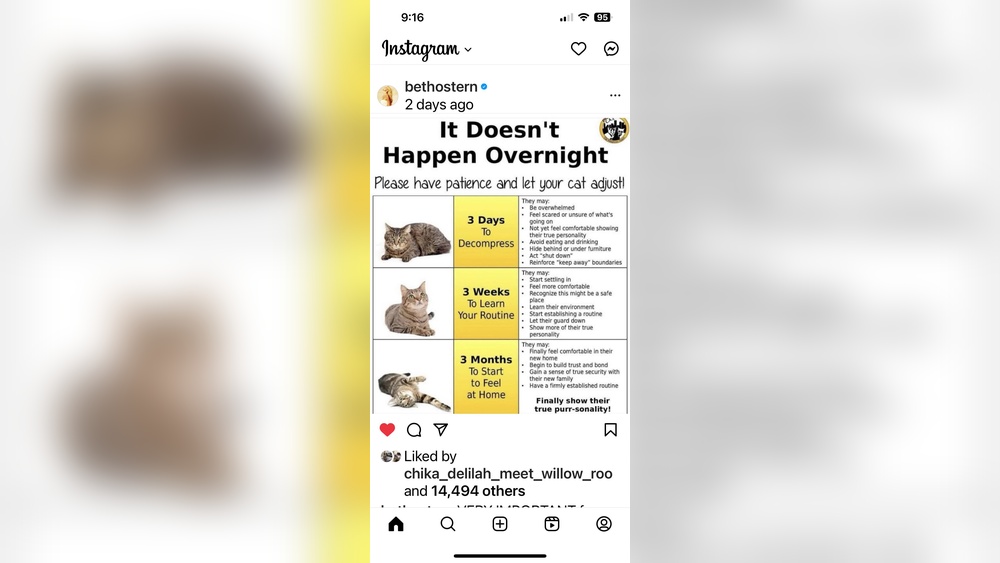
New cats often show little interest in toys at first. They need time to learn about their new environment and feel safe. Understanding how cats adjust to toys helps owners be patient and supportive. This process involves two key steps: settling into a new home and building trust and confidence.
Settling Into A New Home
New cats explore their space carefully. They focus on finding cozy spots to rest. Strange sounds and smells can make them nervous. Toys may seem strange or scary at this stage. Cats need quiet time to feel relaxed. Offering toys gently without pressure helps. Letting cats approach toys on their own is best. Their curiosity grows as they feel safer.
Building Trust And Confidence
Trust develops slowly between cats and their new home. Owners can help by spending calm, quiet time nearby. Talking softly and moving slowly builds comfort. Playing with toys near cats encourages interest. Using interactive toys like feathers or strings can attract them. Praise and gentle petting after play boost confidence. Over time, cats learn toys bring fun and safety. Patience is key to helping new cats enjoy play.

Credit: www.amazon.com
Choosing The Right Toys
Choosing the right toys for your new cat is key to sparking their interest. Cats have unique tastes that affect how they play. Toys that work for one cat might not work for another.
Understanding what your cat prefers helps you pick toys that keep them engaged. This makes playtime fun and helps your cat stay active and happy.
Material And Texture Preferences
Cats feel different textures with their paws and mouth. Some like soft, plush toys that they can bite or cuddle. Others prefer harder toys that they can bat around.
Try toys made from fabric, rubber, or feathers. Watch how your cat reacts. This shows what texture they enjoy the most.
Size And Movement
Toy size matters. Small toys are easy to carry and chase. Big toys might be too hard to handle. Also, toys that move or wiggle catch a cat’s eye quickly.
Simple toys that roll or flutter can excite your cat’s hunting instincts. Test different sizes and movements to find what excites your cat the most.
Interactive Vs Solo Toys
Interactive toys need your help to work. These toys build bonds between you and your cat. Solo toys keep cats busy when you are not around.
Some cats prefer chasing a string or laser with you. Others like batting a ball alone. Knowing your cat’s play style guides you to the right choice.
Tips To Encourage Play
Encouraging a new cat to play can take patience and care. Play is important for your cat’s health and happiness. Some cats need time to feel safe and interested in toys. Small changes in how you introduce toys can help your cat enjoy playtime more.
Using Scent And Familiar Smells
Cats trust familiar smells. Rub a toy with your cat’s blanket or bedding. The scent makes the toy feel less strange. You can also try rubbing the toy on your hands. Your cat may feel more comfortable with a toy that smells like you. This simple step can spark curiosity and interest.
Timing And Environment
Choose a quiet time for play. Avoid noisy or busy rooms. Cats play more when they feel safe and relaxed. Try play sessions when your cat is naturally active, like early morning or evening. Keep the room calm and free from distractions. A peaceful setting invites your cat to explore toys calmly.
Engaging In Play Together
Join your cat during playtime. Use toys that let you move and interact, like feather wands. Move the toy slowly to catch your cat’s attention. Your cat will enjoy chasing and pouncing on moving toys. Playing together builds trust and makes playtime more fun for your cat.
When To Consult A Veterinarian
Knowing when to consult a veterinarian is important if your new cat does not like toys. Sometimes, a lack of interest in play can point to health or behavioral issues. Early help can improve your cat’s life and happiness.
Signs Of Health Concerns
Watch for changes in eating or drinking habits. If your cat sleeps more than usual or hides often, these are warning signs. Limping, difficulty moving, or unusual breathing also need attention. A vet can check for pain, illness, or infection that might reduce play.
Behavioral Assessments
Some cats may feel stressed or scared in a new home. A vet can help identify anxiety or depression. They may suggest ways to create a calm environment. Sometimes, a vet refers you to a pet behaviorist for extra support. Understanding your cat’s behavior helps find the right care and solutions.
Frequently Asked Questions
Why Does My New Cat Ignore Toys?
New cats may ignore toys due to stress or unfamiliarity. They need time to adjust to their new home. Introducing toys slowly and choosing interactive ones can help engage their interest over time.
Can Age Affect My Cat’s Interest In Toys?
Yes, age impacts play behavior. Kittens are naturally playful, while adult or senior cats may prefer less active play. Tailor toy choices to your cat’s age and energy level for better engagement.
How Can I Encourage My Cat To Play With Toys?
Use interactive play sessions and toys that mimic prey. Engage your cat daily with wand toys or laser pointers. Positive reinforcement and patience help build their interest in toys.
Could Health Issues Cause My Cat To Dislike Toys?
Health problems like pain or lethargy can reduce playfulness. If your cat consistently avoids toys, consult a vet to rule out medical causes. Proper health care boosts activity and play behavior.
Conclusion
New cats may need time to enjoy toys. They might feel shy or unsure at first. Each cat has its own likes and dislikes. Try different toys and play gently. Watch what interests your cat the most. Patience helps build trust and fun.
Soon, your cat may start to play. Every cat shows love in unique ways. Keep trying and enjoy your new friend.