
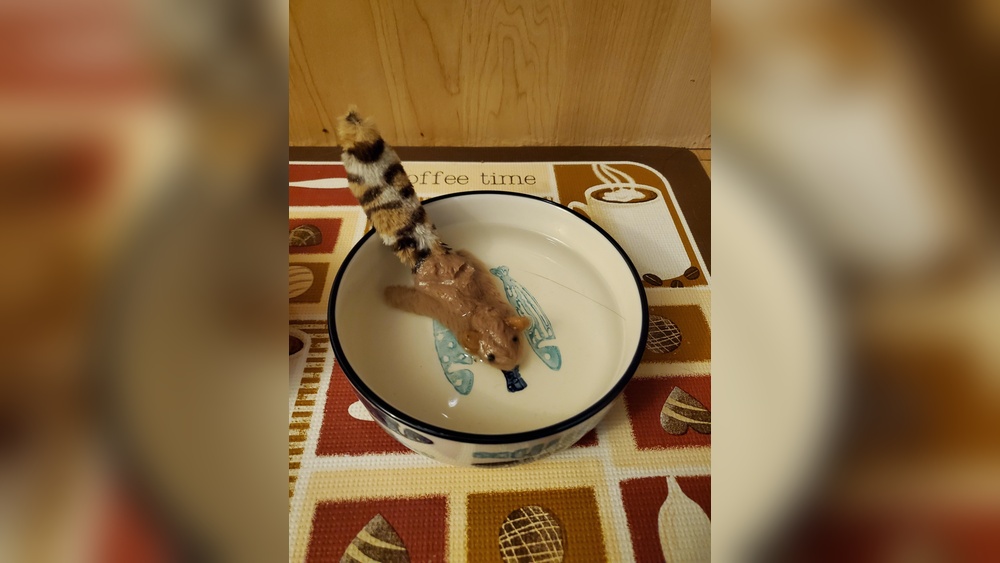
Have you ever found your cat’s favorite toy soaking wet and wondered, “Why does my cat wet his toys?” It’s a curious behavior that can leave you puzzled and even a bit concerned. Understanding why your furry friend does this can help you better care for him and strengthen your bond.
Keep reading to discover the surprising reasons behind this quirky habit and what it means for your cat’s health and happiness.
Credit: mybtoys.com
Cat Toy Behavior Basics
Cats show many unique behaviors with their toys. Understanding these actions helps you know your cat better. Watching how cats play can explain why they wet their toys. Cats use toys to express their natural instincts. This section covers basic behaviors cats show with toys.
Common Play Habits
Cats often bat, chase, and pounce on toys. These actions mimic hunting in the wild. They also carry toys in their mouths like prey. Some cats drag toys around the house. This is normal and shows their playful side. Chewing or biting toys is another usual habit. These habits help cats stay active and alert.
Normal Toy Interaction
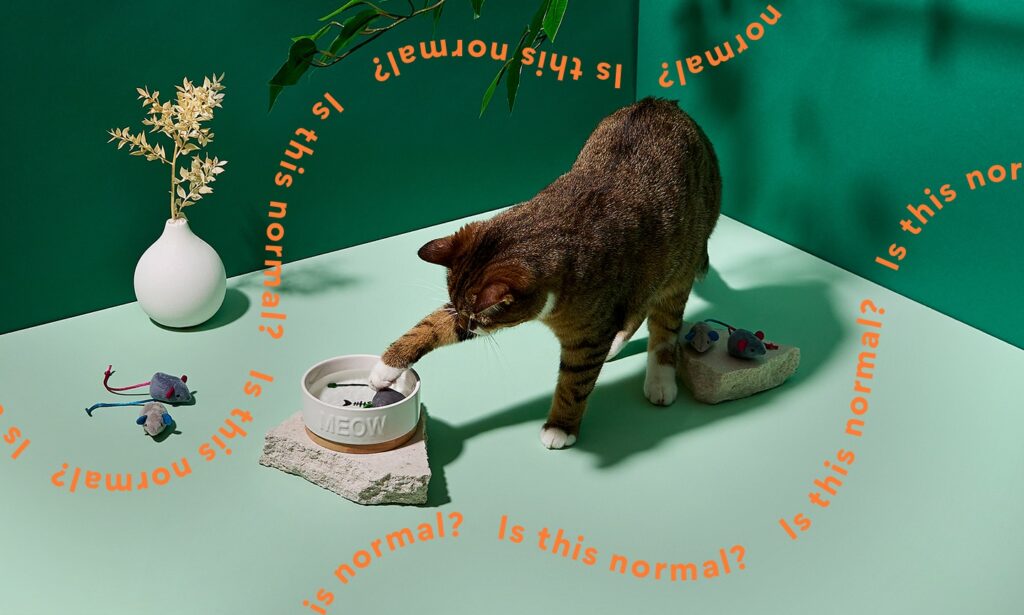
Many cats lick or wet their toys during play. This behavior comes from their hunting instincts. Cats use saliva to mark items as theirs. Wetting toys can also make them easier to carry. Sometimes, the texture of the toy attracts them to lick it. This interaction is natural and shows attachment to the toy.
Reasons For Wetting Toys
Cats often wet their toys for several reasons. Understanding these reasons helps you know your cat better. It also explains this curious behavior that might seem strange at first. Cats use wetting as a form of communication and expression. Their toys become part of this natural habit.
Marking Territory
Cats mark their territory to feel safe and secure. They have scent glands near their mouths and paws. When they wet toys, they leave their unique scent on them. This scent signals other cats to stay away. It shows that the toy belongs to your cat. Marking territory is a natural way for cats to protect their space.
Scent Communication
Cats use scents to share information with others. Wetting toys helps spread their smell around the home. It tells other pets and humans that the toy is claimed. Cats can also use scent to express comfort or happiness. Your cat’s wet toy carries messages only other cats understand. This form of communication is silent but strong.
Instinctual Behavior
Wetting toys is part of a cat’s instinct. Wild cats often mark objects in their environment. This habit comes from their need to hunt and survive. Domestic cats keep this behavior even when they live indoors. Wetting toys satisfies their natural urges. It helps them feel connected to their wild roots.
Medical Causes To Consider
When your cat wets his toys, it might signal a health problem. Cats use their bodies to communicate, and unusual behavior can point to medical issues. Understanding these issues helps you keep your cat safe and happy.
Urinary Tract Issues
Urinary tract infections or blockages can cause your cat to urinate outside the litter box. Sometimes, they may wet toys as a result. This behavior shows discomfort or pain in the bladder or urethra. A vet visit is necessary to diagnose and treat these problems quickly.
Excessive Drooling
Cats with dental problems or mouth pain often drool more than usual. Drool can get on toys, making them wet. Tooth decay, gum disease, or oral injuries cause this drooling. Regular dental checks help prevent these issues and keep your cat comfortable.
Stress-related Behaviors
Stress can change how a cat behaves, including wetting toys. Anxiety or fear may cause your cat to mark territory or seek comfort. Wetting toys might be a sign of emotional distress. Reducing stress and creating a calm environment supports your cat’s wellbeing.
Environmental Factors
Environmental factors play a big role in why your cat wets his toys. Cats react to changes around them. They also respond to how toys feel and where water is in the house. Understanding these factors helps explain this curious behavior.
Changes At Home
Moving furniture or new people can stress cats. Stress makes cats act differently. Your cat may wet toys to feel safe. It is a way to mark toys with his scent mixed with moisture. This helps him feel calm in a changing space.
Access To Water Sources
Cats need fresh water nearby to stay happy. If water is hard to reach, they may play near water spots. Sometimes, they dip toys in water or wet toys by accident. Watching where water bowls are can help you understand this habit.
Toy Material And Texture
Some toys soak up water more than others. Soft or cloth toys hold moisture easily. Cats may carry wet toys after licking or chewing. Hard toys do not get wet as fast. Knowing your cat’s favorite toy type can explain why toys get wet.
How To Manage The Behavior
Managing your cat’s habit of wetting his toys can keep your home cleaner and your pet happier. It takes a few smart steps to handle this behavior effectively. Understanding the reasons behind it helps in choosing the right approach. Focus on providing suitable toys and keeping them clean. Training can also guide your cat toward better habits.
Choosing The Right Toys
Select toys made from materials that do not absorb moisture easily. Hard plastic or rubber toys work well for cats that like to wet their toys. Avoid plush or fabric toys that soak up liquids and smell quickly. Rotate toys often to keep your cat interested and reduce the chance of wetting. Offer toys that encourage active play, like balls or feathers on sticks. This keeps your cat busy and less likely to focus on wetting toys.
Cleaning And Maintenance
Regular cleaning of toys prevents bad smells and bacteria build-up. Wash fabric toys in mild soap and warm water often. Hard toys can be wiped with pet-safe disinfectants. Dry toys completely before giving them back to your cat. Store toys in a dry place to avoid dampness. Clean your cat’s play area regularly to keep it fresh and inviting.
Behavioral Training Tips
Distract your cat with playtime when you see signs of wetting toys. Use a gentle voice to redirect their attention to other activities. Reward your cat with treats or praise for playing without wetting toys. Set a consistent play schedule to reduce anxiety and boredom. Avoid punishment, which can confuse or scare your cat. Patience and positive reinforcement encourage better behavior over time.
Credit: www.adamspetcare.com
When To See A Vet
Noticing your cat wetting his toys can be puzzling. Sometimes, it’s normal behavior. Other times, it might signal a health issue. Knowing when to see a vet is important. A professional can check your cat’s health and behavior. This helps ensure your pet stays happy and healthy.
Signs Of Health Problems
Watch for changes in appetite or weight loss. Look for signs of pain or discomfort. If your cat urinates outside the litter box, take note. Frequent licking of the genital area can indicate irritation. Sudden changes in energy or mood also matter. These signs suggest a vet visit is needed.
Behavioral Concerns
Wet toys might show stress or anxiety. Cats may use toys to mark territory. Repetitive or unusual wetting can mean boredom or frustration. Changes in household routine can trigger this behavior. A vet can help identify if behavior needs help.
Professional Advice
A vet can perform tests to rule out illness. They can suggest treatments for infections or other problems. Vets offer advice on managing stress in cats. They may recommend changes in environment or playtime. Trusting professional advice keeps your cat safe and well.
Credit: www.chewy.com
Frequently Asked Questions
Why Does My Cat Wet His Toys Repeatedly?
Cats wet toys to mark their scent and claim ownership. Saliva contains unique markers that communicate territory to other cats. This behavior is normal and helps your cat feel secure and connected to their environment.
Can Wetting Toys Indicate Health Problems In Cats?
Occasional toy wetting is normal, but excessive drooling or chewing may signal dental or oral issues. If your cat wets toys excessively or shows other symptoms, consult a veterinarian to rule out health concerns.
Does Wetting Toys Affect Cat Play Behavior?
Wetting toys can enhance play by making toys more interesting and interactive. It mimics natural hunting behavior, stimulating your cat’s senses and encouraging engagement during playtime.
How To Stop My Cat From Wetting Toys?
Redirect your cat’s attention with new toys or interactive play. Regular cleaning of toys can reduce scent marking. If behavior persists, consult a vet to exclude anxiety or medical issues.
Conclusion
Cats wet their toys for many simple reasons. It shows their natural play and hunting habits. Sometimes, it means your cat feels safe and happy. Other times, it helps them mark their things with scent. Watching this behavior can help you understand your cat better.
Keep toys clean and offer fresh ones often. Your cat’s little quirks make them unique and fun. Enjoy these moments and care for your pet well. Knowing why cats do this builds a stronger bond.