
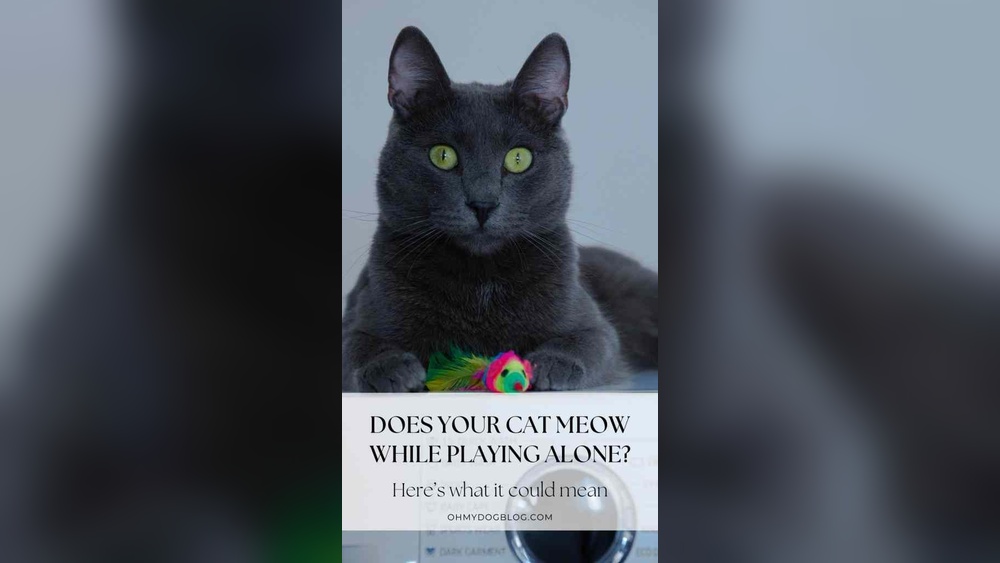
Have you ever noticed your cat meowing loudly while playing with a toy and wondered why? It’s not just a random sound.
Your furry friend is trying to tell you something important. Understanding why your cat meows loudly during play can help you connect better and even improve their happiness. Keep reading to discover the surprising reasons behind this behavior and how you can respond to make playtime even more enjoyable for both of you.
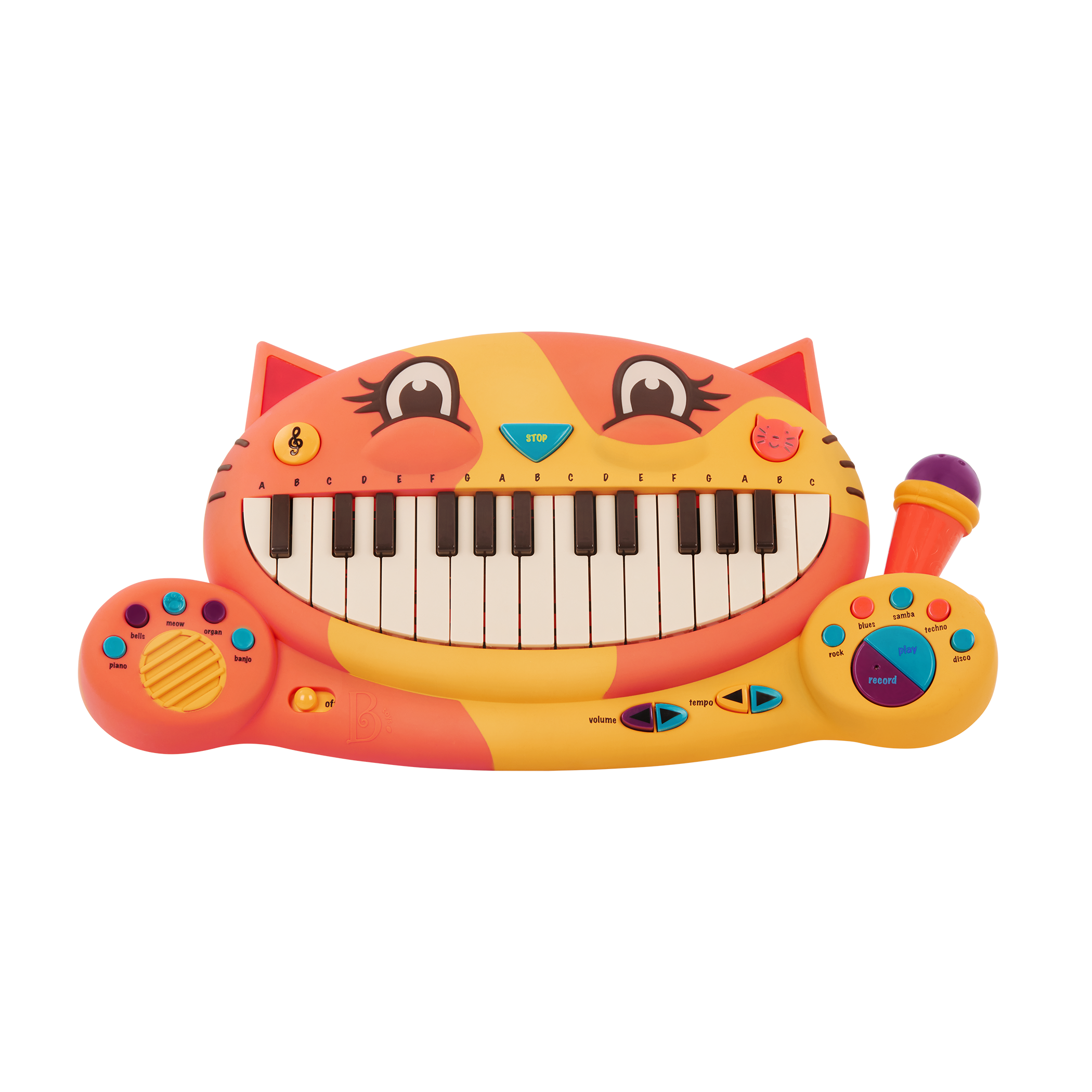
Credit: mybtoys.com
Meowing As A Communication Tool
Cats use meowing to talk to humans and other animals. It is their way to share feelings and needs. When a cat has a toy and meows loudly, it is trying to say something. Meowing helps cats show excitement, ask for attention, or even warn others.
How Cats Use Meows
Cats meow mostly to get attention from people. They do not meow much to each other. Each meow can mean different things. Sometimes, cats meow to say “play with me.” Other times, they may want you to come closer. When a cat has a toy, loud meows can mean pride or excitement. They want you to see their catch or join the fun.
Different Meow Sounds And Their Meanings
Short meows often mean a greeting or a simple request. Long, loud meows show strong feelings like hunger or happiness. A cat’s trill sound is friendly and inviting. A sharp, loud meow can mean frustration or a warning. When playing with a toy, cats may mix meows. They blend happy sounds with urgent calls to play. Knowing these sounds helps understand what your cat wants.
Credit: www.reddit.com
Connection Between Toys And Vocalization
Cats use their voices to share feelings and needs. Toys often trigger these sounds. The noise shows their emotions during playtime. Understanding this helps owners connect better with cats. Toys and meowing are linked through the cat’s mood and intent.
Excitement And Playfulness
Toys bring out a cat’s playful side. They meow loudly to show excitement. The sound is a way to express joy. Cats feel happy and energetic with toys. Meowing helps them release their playful energy. It also signals their interest in the toy.
Seeking Attention During Play
Cats want interaction while playing. Loud meows ask for your focus and response. They want you to join or watch their fun. This vocalization invites you to engage. Cats enjoy shared playtime with their humans. Meowing helps them get the attention they seek.
Territorial Behavior Around Toys
Cats often show strong feelings about their toys. They see toys as part of their personal space. This leads to territorial behavior. They use meows to protect their toys. This behavior helps them keep control over their favorite items.
Claiming Ownership
Cats meow loudly to claim their toys. The sound tells others, “This is mine.” It works like a warning. They want to stop others from taking their toy. This helps the cat feel safe and in charge. Loud meowing shows how much they value the toy.
Protective Meowing Patterns
Protective meowing is different from normal meows. It is louder and more repeated. Cats use this sound to scare others away. It shows they are ready to defend their toy. This meowing is part of their natural instinct. It helps keep their treasure safe from rivals.
Hunting Instincts Triggered By Toys
Cats have a strong hunting nature. Toys often trigger this natural instinct. When cats play, they act like hunters. This makes them meow loudly. Their sounds show their feelings during play.
Understanding why cats meow with toys helps us connect with them better. It reveals how deeply their hunting skills influence their behavior.
Simulating Prey Capture
Toys mimic small animals or insects. Cats use their paws and teeth like real hunting. They stalk, pounce, and grab the toy. This play feels like catching real prey.
Meowing can happen during this action. It is part of their excitement and focus. The sounds express their thrill in the hunt. This simulation keeps their hunting skills sharp.
Vocalizing Success Or Frustration
After catching the toy, cats may meow loudly. This shows a sense of success. They want to share their achievement with you. Sometimes, meows express frustration too.
If the toy escapes or moves quickly, cats react vocally. The loud meows reveal their desire to keep control. These sounds are part of their hunting communication.
Stress Or Overstimulation Signals
Cats use meowing to share their feelings. Loud meows during play can show stress or too much excitement. These sounds help cats tell us when they feel overwhelmed or anxious. Understanding these signals helps us care for our pets better.
When Play Becomes Overwhelming
Sometimes play gets too intense for cats. They may meow loudly to express discomfort. Too much stimulation can make them feel uneasy. Loud meows act like a warning sign. It means your cat needs a break or less rough play.
Recognizing Signs Of Anxiety In Meows
Not all loud meows are the same. Anxious cats often meow with a higher pitch. Their voices may sound urgent or stressed. Watch their body language too. Flattened ears or a twitching tail often appear with anxious meows. These signs show your cat feels worried or scared.
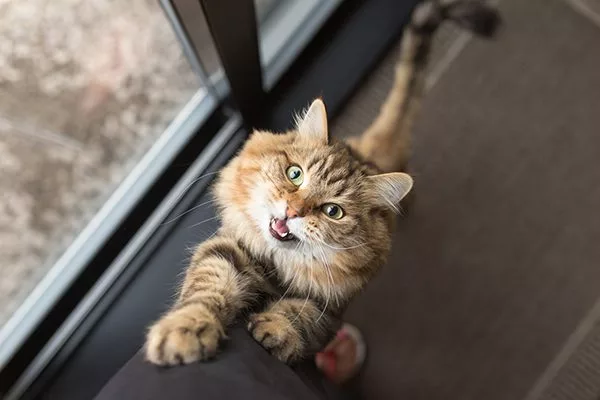
Credit: lacvets.com
How To Respond To Loud Meowing
Knowing how to respond to loud meowing helps both you and your cat. Cats use loud meows to express excitement or ask for attention. Understanding their needs can reduce noise and build a stronger bond. Here are ways to handle your cat’s loud meowing when playing with toys.
Encouraging Positive Play
Give your cat toys that match their hunting style. Toys that move or make noise keep them interested. Praise your cat when they play quietly and calmly. This shows them which behavior you like. Play sessions should be regular and fun. This helps your cat stay active and happy.
Managing Excessive Vocalization
Ignore loud meowing during playtime. Responding can teach your cat to meow more. Use gentle distractions like soft sounds or a toy swap. Avoid yelling or punishing your cat. This may increase stress and noise. If meowing is constant, check for health problems with a vet.
Frequently Asked Questions
Why Do Cats Meow Louder With Their Toys?
Cats meow louder with toys to express excitement and engage their owners. It’s a way to communicate playfulness and attract attention during playtime.
Does Meowing Indicate A Cat’s Hunting Instinct?
Yes, loud meowing often mimics hunting behavior. Cats vocalize to simulate catching prey and share their excitement with humans.
Can Loud Meowing Mean A Cat Wants Interaction?
Absolutely. Cats meow loudly to invite interaction, signaling they want to play or receive attention from their owner.
Is Loud Meowing Normal During Cat Play?
Yes, loud meowing is normal. It reflects a cat’s enthusiasm and emotional response while playing with toys.
Conclusion
Cats meow loud with toys to show excitement or ask for attention. They may want you to join their playtime or to share their joy. Sometimes, meowing helps them express curiosity or frustration with the toy. Understanding these sounds helps you connect better with your cat.
Pay attention to their meows and body language. This way, you can enjoy playtime and keep your cat happy. Every meow tells a story. Listen closely and respond with love.