
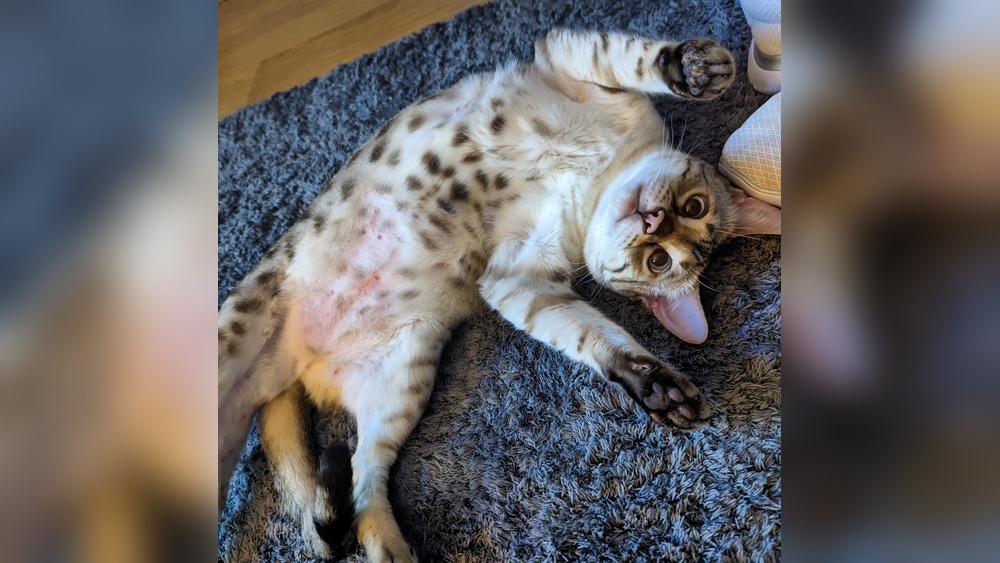
Have you ever noticed your cat licking itself more than usual? It might seem harmless at first, but over grooming can be a sign that something is wrong.
You want your furry friend to be happy and healthy, right? Understanding why your cat is over grooming can help you spot problems early and keep your pet comfortable. You’ll discover the common reasons behind this behavior and what you can do to help your cat feel better.
Keep reading—your cat’s well-being depends on it.
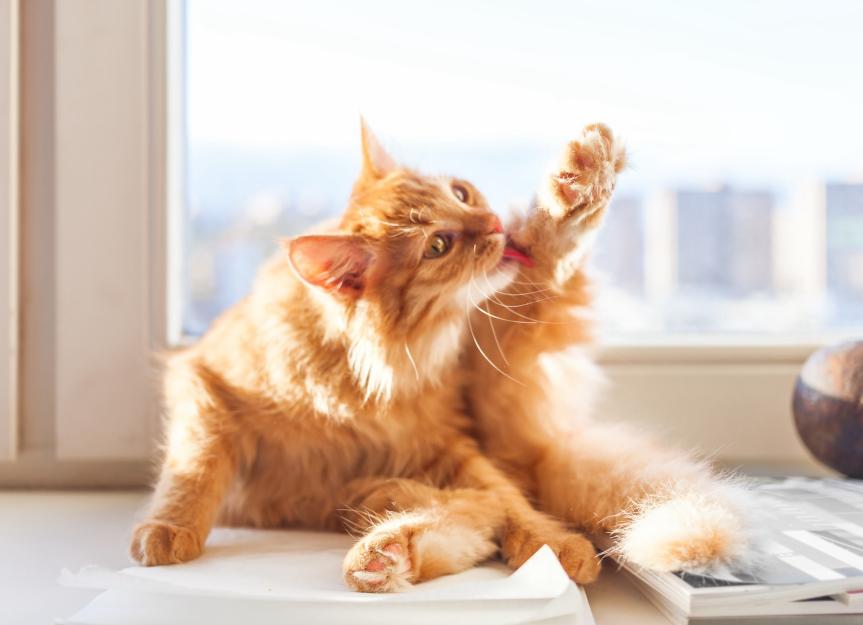
Credit: www.petmd.com
Reasons For Over Grooming
Cats groom themselves to stay clean and healthy. Sometimes, this grooming becomes too much. Over grooming can cause skin damage and hair loss. Understanding why cats over groom helps you care for them better.
Allergies And Irritants
Allergies often cause itching and discomfort in cats. They react to certain foods, pollen, or dust. Chemicals in cleaning products or flea treatments can also irritate their skin. Cats lick and scratch to soothe the irritation. This behavior can lead to over grooming.
Parasites And Infections
Fleas, mites, and ticks are common parasites. They bite and irritate a cat’s skin. Infections can start from these bites or wounds. Cats try to remove parasites by licking. This repeated licking can cause sores and hair loss.
Stress And Anxiety
Stress triggers over grooming in many cats. Changes in the home or routine can cause anxiety. Loneliness or boredom also lead to this behavior. Grooming becomes a way to calm themselves. The more stressed, the more they lick.
Pain And Discomfort
Pain from injuries or arthritis can make cats groom too much. They may focus on one painful area. Licking helps them try to ease the pain. This can cause skin problems if done too often.
Behavioral Causes
Some cats develop habits of over grooming. This behavior might start from stress or boredom. It can become a repetitive habit, called psychogenic alopecia. These cats need attention and sometimes help from a vet.
Signs To Watch For
Recognizing the signs of a cat over grooming is important. It helps you spot problems early. Cats groom to stay clean, but too much grooming can cause harm. Watch your cat closely for changes in skin and behavior. These signs tell you if your cat needs help.
Bald Patches And Redness
Bald patches appear when a cat licks or bites fur too much. Skin may look red or inflamed. These areas feel sore or warm to touch. Bald spots often show on the belly, legs, or neck. Check your cat’s fur regularly for these changes.
Excessive Licking Patterns
Your cat may lick the same spot over and over. Licking more than usual can cause skin irritation. Cats may lick out of stress, pain, or allergies. Notice if your cat’s grooming takes longer than normal. Constant licking is a clear warning sign.
Changes In Behavior
Cats that over groom may act differently. They might hide or seem restless. Your cat could become more anxious or irritable. Changes in sleep or appetite can also occur. Watch for any unusual behavior along with grooming habits.
Skin Damage And Sores
Over grooming can lead to cuts or sores on the skin. These wounds may bleed or ooze. Sores can get infected if not treated. Painful skin can make your cat avoid being touched. Check for wounds and keep the skin clean and dry.
Diagnosing The Problem
Diagnosing why a cat overgrooms itself is important to find the root cause. Overgrooming can signal health or behavior problems. A careful check helps to decide the right treatment. Veterinarians use several methods to diagnose the issue. Each step reveals clues about your cat’s condition.
Veterinary Examination
The vet starts with a full physical exam. They check the skin for redness, swelling, or wounds. The fur is inspected for bald patches or broken hairs. The vet also looks for signs of parasites like fleas. This exam helps spot obvious causes of overgrooming.
Skin Tests And Lab Work
Skin tests may follow if the exam shows skin problems. The vet might take skin scrapings or hair samples. These samples go to a lab for analysis. Lab work can find infections, allergies, or mites. Blood tests check for internal issues that cause itching.
Behavioral Assessment
Sometimes, overgrooming is linked to stress or boredom. The vet may ask about your cat’s home life and habits. They observe your cat’s behavior and environment. This assessment helps identify emotional or mental triggers. Changes in routine or anxiety often cause overgrooming.
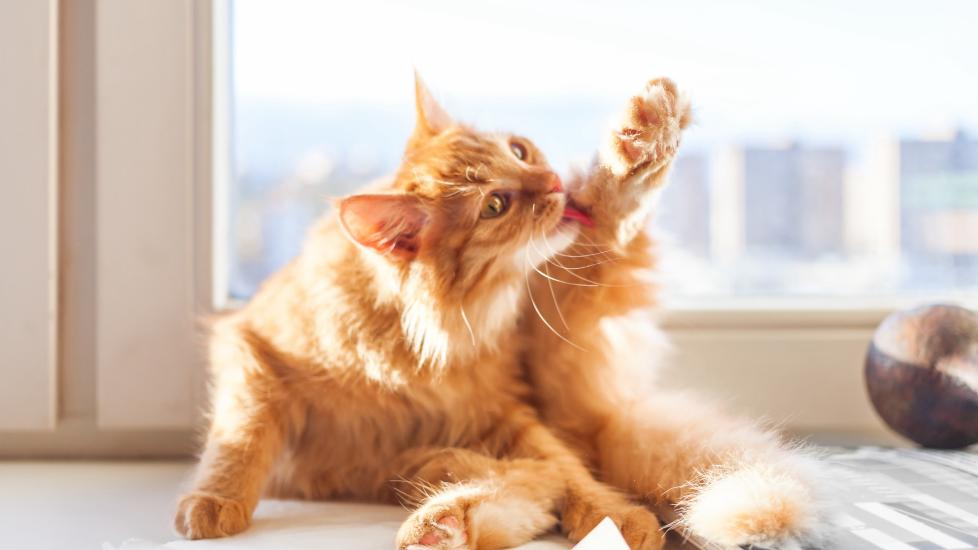
Credit: www.petmd.com
Treatment Options
Over grooming in cats can cause skin damage and discomfort. Treating this issue depends on the underlying cause. Various options help reduce over grooming and improve your cat’s well-being. Understanding these treatments can guide you to the best care for your pet.
Medications For Allergies And Parasites
Allergies and parasites often cause itching and irritation. Vets may prescribe antihistamines or steroids to control allergies. Flea treatments are essential to remove parasites that trigger over grooming. These medications reduce itchiness and help heal the skin.
Managing Stress And Anxiety
Stress is a common reason for over grooming in cats. Creating a calm environment can ease anxiety. Some cats benefit from natural calming supplements. Behavior therapy or pheromone diffusers also help reduce stress-related grooming.
Topical Therapies
Topical creams and sprays soothe irritated skin. These treatments reduce inflammation and prevent infection. Regular application speeds up healing and stops the cycle of over grooming. Always follow your vet’s instructions for use.
Environmental Changes
Changes in the home can trigger over grooming. Providing hiding spots and toys keeps cats mentally active. Regular playtime reduces boredom and stress. Ensuring a clean and quiet space helps your cat feel safe and relaxed.
Preventing Over Grooming
Preventing over grooming in cats helps keep them healthy and happy. Over grooming can cause skin problems and discomfort. Taking steps early can stop the behavior from getting worse. A calm and caring approach works best for your cat’s well-being.
Regular Vet Checkups
Vet visits catch health issues that cause over grooming. Skin allergies, parasites, or pain may lead your cat to groom too much. A vet can find these problems early. Treating them stops over grooming and keeps your cat comfortable.
Balanced Diet And Hydration
Good food supports healthy skin and fur. Poor nutrition can cause itching and irritation. Fresh water helps your cat stay hydrated and avoid dry skin. Feed your cat balanced meals with all needed nutrients every day.
Enrichment And Playtime
Boredom often triggers over grooming. Playtime helps your cat use energy in a positive way. Toys, scratching posts, and interaction reduce stress and anxiety. Keep your cat active and entertained to prevent excess grooming.
Safe And Comfortable Environment
A quiet and cozy space lowers stress in cats. Loud noises and crowded places increase anxiety. Provide soft bedding and hiding spots. A peaceful home helps your cat feel secure and less likely to over groom.
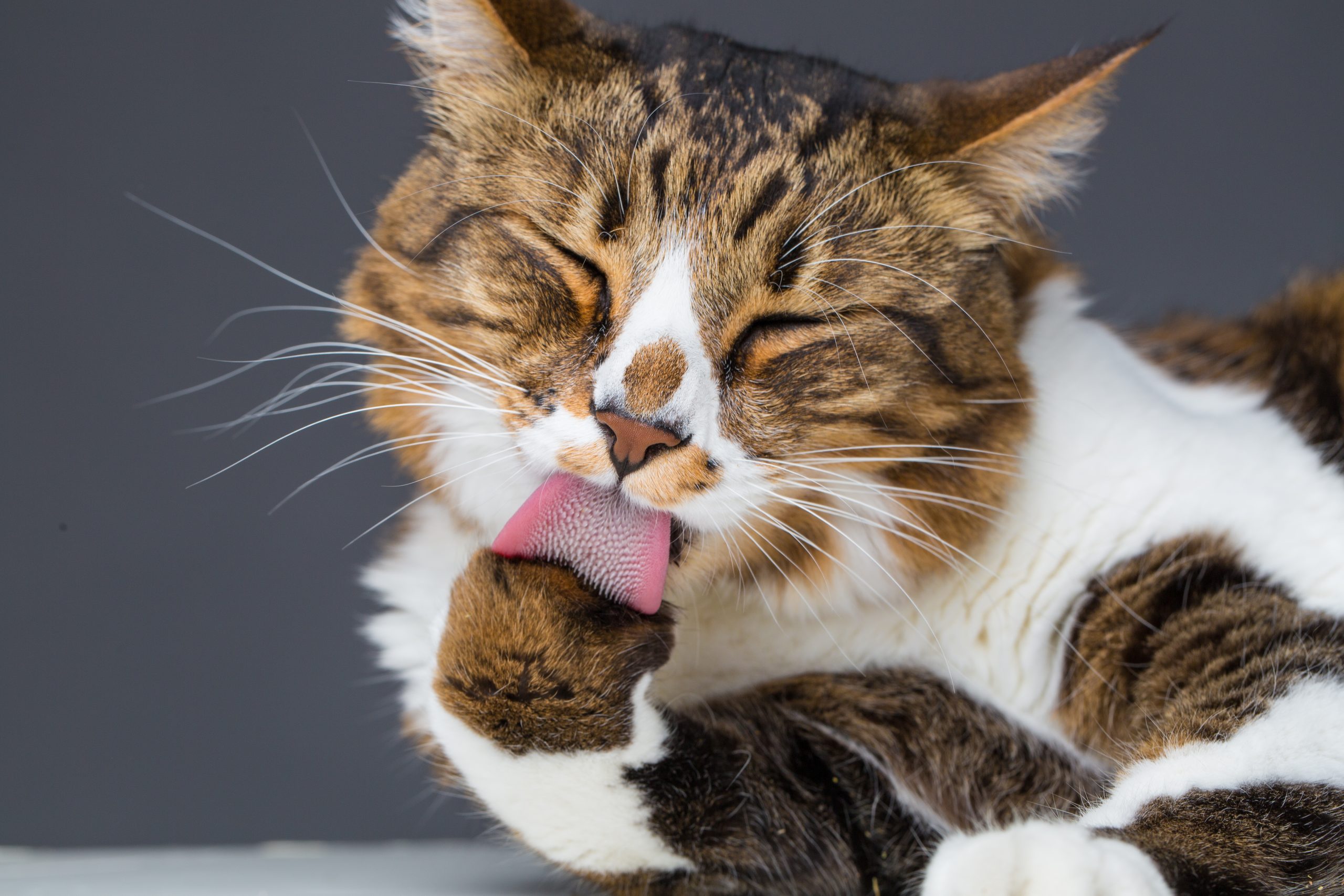
Credit: www.mspca.org
Frequently Asked Questions
Why Does My Cat Groom Itself Excessively?
Cats may over groom due to stress, allergies, or parasites. Over grooming can signal pain or skin irritation. Identifying the cause helps prevent further skin damage and discomfort.
Can Allergies Cause A Cat To Over Groom?
Yes, allergies often trigger itching and discomfort. Cats lick to soothe irritated skin. Identifying allergens and veterinary care can reduce over grooming.
Is Over Grooming A Sign Of Stress In Cats?
Stress and anxiety can cause repetitive grooming behavior. Cats use grooming to self-soothe. Reducing stressors and providing enrichment helps manage over grooming.
When Should I See A Vet For Cat Over Grooming?
Visit a vet if over grooming causes bald spots, sores, or behavior changes. Early diagnosis treats underlying issues like infections or allergies.
Conclusion
Cats groom themselves to stay clean and healthy. Over grooming can signal stress, allergies, or skin problems. Watch your cat’s behavior closely. Early care helps prevent serious issues. Consult a vet if over grooming lasts long. Understanding why cats over groom keeps them happy.
Your cat deserves comfort and good health. Simple attention can make a big difference.