
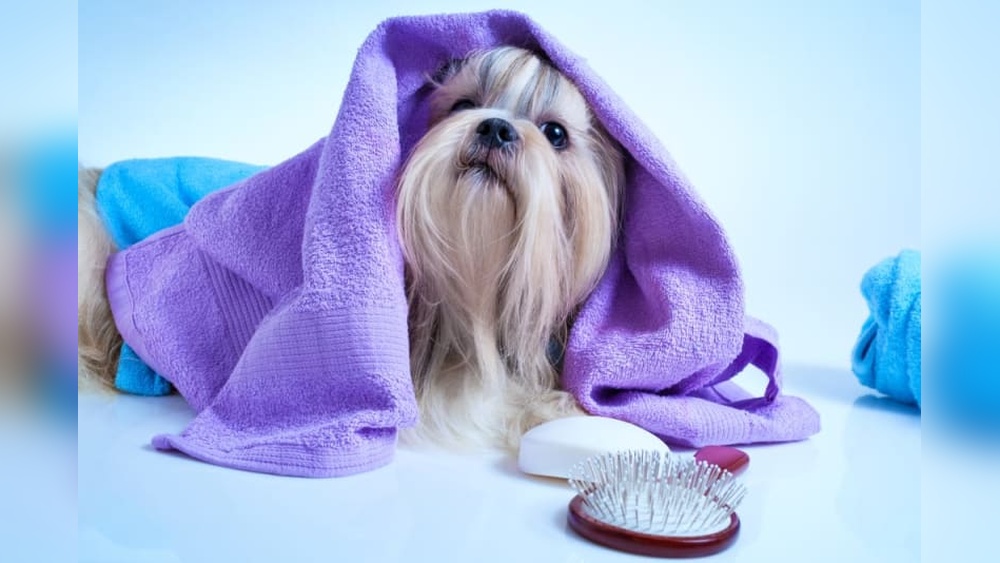
Grooming your cat can sometimes feel like a battle, leaving both you and your furry friend stressed. But it doesn’t have to be that way.
Imagine a calm, peaceful grooming session where your cat stays relaxed and you enjoy the moment together. You can make this happen with a few simple tricks that work every time. Keep reading, and you’ll discover how to keep your cat calm while grooming—making the experience easier and more enjoyable for both of you.
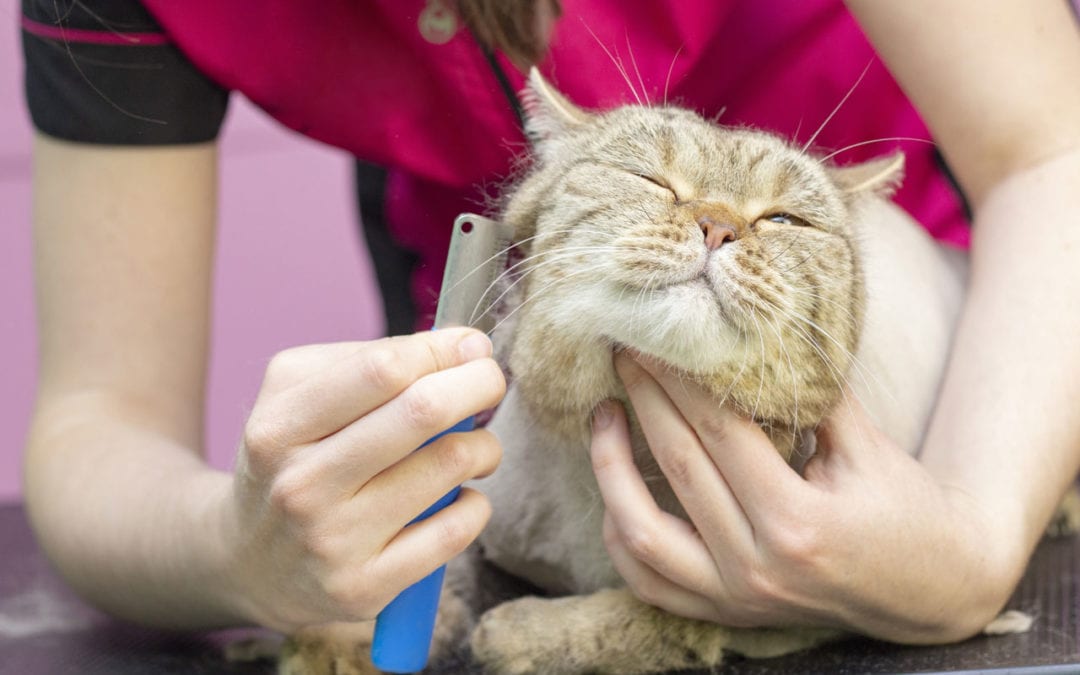
Credit: unionlakepetservices.com
Preparing Your Cat For Grooming
Preparing your cat for grooming is a key step to keep them calm. A well-prepared cat feels safe and relaxed. This makes grooming easier for both of you. Small actions before grooming can reduce stress. Start by setting the right mood and space. Gather all tools to avoid interruptions. Here are some tips to get ready.
Choosing The Right Time
Pick a time when your cat is calm and quiet. After a nap is often best. Avoid grooming when your cat is very active or hungry. Short sessions work better than long ones. Watch your cat’s mood to find the perfect moment.
Creating A Comfortable Space
Find a quiet, warm spot for grooming. Use a soft surface like a towel or mat. Keep the area free of loud noises and distractions. This helps your cat stay focused and calm. A familiar place makes your cat feel secure.
Gathering Necessary Tools
Have all grooming tools ready before you start. Use a gentle brush or comb suited for your cat’s fur type. Keep nail clippers and wipes nearby if needed. Having everything close prevents breaks and keeps your cat calm. Avoid noisy or harsh tools that may scare your cat.
Building Trust And Reducing Anxiety
Building trust with your cat is key to calm grooming sessions. Cats feel safe when they trust you. Reducing anxiety helps your cat stay relaxed and cooperative. Trust grows over time through gentle care and patience.
Using Gentle Touch And Voice
Start with soft, slow petting. Use your fingertips to stroke gently. Avoid sudden moves that may scare your cat. Speak softly and calmly during grooming. Your voice can soothe your cat’s nerves. Calm tones help your cat feel safe and relaxed.
Positive Reinforcement Techniques
Reward your cat with treats after grooming. Praise your cat with kind words and petting. Small rewards build good habits and reduce fear. Consistent positive feedback makes grooming a pleasant experience. Your cat learns to expect kindness and rewards.
Familiarizing With Grooming Tools
Let your cat see and sniff the grooming tools first. Place tools near your cat’s resting area. Handle the tools gently around your cat before grooming. This reduces fear of unknown objects. Familiar tools feel less threatening during grooming time.
Step-by-step Grooming Process
Grooming a cat can be a calm and pleasant experience. It helps keep your cat healthy and comfortable. Follow a simple step-by-step process to make grooming easier for both of you. Take your time and watch your cat’s reactions. Stop if your cat seems stressed and try again later.
Brushing Techniques For Different Coats
Use a soft brush for short-haired cats. Brush gently in the direction of hair growth. For long-haired cats, use a wide-tooth comb first. Remove tangles carefully to avoid hurting your cat. Brush regularly to reduce shedding and mats.
Handling Nails And Claws
Hold your cat’s paw firmly but gently. Press the pad to extend the claws. Use sharp nail clippers designed for cats. Cut only the sharp tip to avoid the quick. If unsure, trim a small amount. Praise your cat to keep them calm.
Cleaning Ears And Eyes Safely
Use a soft, damp cloth or cotton ball for cleaning. Wipe gently around the eyes to remove discharge. Avoid touching the eyeball directly. For ears, check for dirt or wax build-up. Clean only the visible outer part. Never use cotton swabs inside the ear canal.
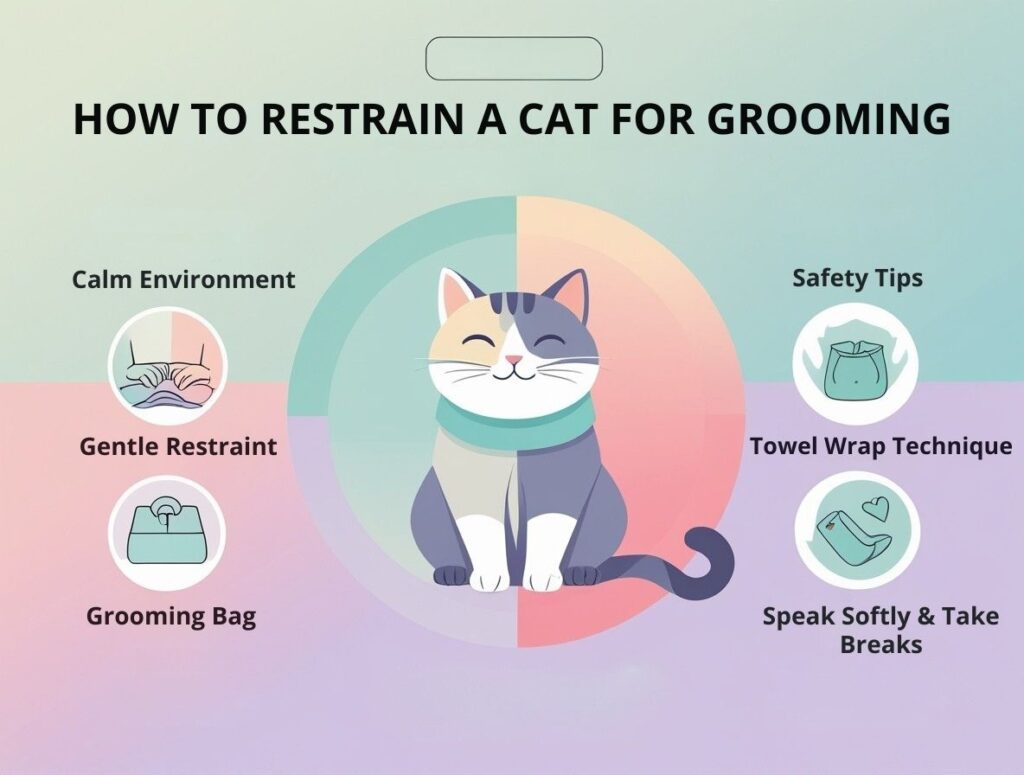
Credit: doctorgroomer.com
Dealing With Stubborn Or Nervous Cats
Grooming a cat can be a challenge when the cat feels stubborn or nervous. Some cats dislike being touched or restrained. They may scratch or try to escape. Patience and care help make grooming easier. Understanding a cat’s mood is key to calming them down.
Recognizing Stress Signals
Watch your cat’s body language closely. Flattened ears show fear or anger. A twitching tail means irritation. Dilated pupils reveal stress or excitement. Hissing or growling are clear warnings. Cats may also freeze or try to run away. Spotting these signs early helps you act calmly.
Tips For Calming Agitated Cats
Speak softly and move slowly around your cat. Use gentle strokes to soothe their fur. Offer treats to create positive feelings. Try using a favorite toy to distract them. Keep the grooming area quiet and calm. A warm towel wrapped gently can help some cats relax. Always stay calm yourself.
When To Take Breaks
Notice when your cat becomes too tense. Stop grooming if your cat struggles hard. Give your cat a break to relax. Let them explore or rest for a few minutes. Return only when your cat seems calm again. Short sessions work better than long ones. This builds trust and reduces fear.
Additional Tools And Products
Keeping your cat calm during grooming can be tricky. Using the right tools and products helps a lot. These items reduce stress and make grooming easier for both of you. They create a gentle and soothing experience that your cat will accept better.
Calming Sprays And Pheromones
Calming sprays and pheromones mimic natural scents that comfort cats. They help lower anxiety before and during grooming. Spray a small amount on your hands or the grooming area. Cats feel safer and more relaxed around these scents. Choose products made specifically for cats to avoid irritation.
Using Grooming Gloves
Grooming gloves are soft and flexible tools that remove loose fur. They feel like gentle petting, which cats enjoy more than brushes. Gloves reduce pulling on fur, preventing discomfort. They also help massage your cat’s skin, improving blood flow. Use slow, smooth strokes to keep your cat calm.
Safe Shampoos And Conditioners
Use shampoos and conditioners made for cats only. Human products can harm their skin and fur. Look for gentle, hypoallergenic formulas without harsh chemicals. These products clean without drying out the skin. They leave your cat’s coat soft and shiny, making grooming more pleasant.

Credit: www.amazon.com
When To Seek Professional Help
Grooming your cat at home can be a bonding time. Yet, some cats find grooming very stressful. Knowing when to get professional help is important. It keeps your cat calm and safe. It also makes grooming easier for you.
Signs Grooming Is Too Stressful
Watch your cat’s body language during grooming. If your cat hisses, growls, or bites, stress is high. Look for trembling or trying to escape. Panting or excessive drooling are also signs. These mean your cat feels scared or overwhelmed.
Long, stiff tail and wide eyes show fear. If grooming causes your cat to hide afterward, it’s too much. Stress can harm your cat’s health. Stop grooming if you see these signs.
Finding A Trusted Groomer
Look for groomers with experience in cats. Ask for recommendations from friends or vets. A good groomer is patient and calm with cats. They use gentle techniques to keep cats relaxed.
Visit the groomer before the appointment. Check how they handle the cats. Make sure the place is clean and safe. A trusted groomer helps reduce your cat’s grooming stress.
Veterinary Advice For Special Cases
Some cats have special needs during grooming. Cats with skin problems or medical issues may need vet care. Your vet can suggest safe grooming methods or medications.
Consult your vet if your cat has anxiety or aggressive behavior. They might recommend calming treatments or professional grooming support. Vet advice keeps grooming safe and comfortable for your cat.
Frequently Asked Questions
How Can I Prepare My Cat For Grooming Sessions?
Start by gently touching your cat daily to build trust. Use treats to create positive associations. Keep grooming tools nearby and let your cat sniff them before starting. Gradually introduce grooming in short, calm sessions to reduce anxiety and build comfort.
What Are The Best Grooming Tools For Calming Cats?
Use soft-bristle brushes or grooming gloves to avoid discomfort. Choose tools designed for your cat’s fur type. Avoid noisy or vibrating tools that may startle your cat. Always keep tools clean to prevent irritation during grooming.
How Often Should I Groom My Cat To Keep It Calm?
Groom your cat regularly, ideally once or twice a week. Frequent grooming prevents matting and reduces shedding. Regular sessions help your cat get used to the process. Avoid long grooming sessions to prevent stress or irritation.
What Techniques Help Calm A Cat During Grooming?
Speak softly and maintain a relaxed posture. Use slow, gentle strokes while brushing. Offer treats and praise to reward calm behavior. Take breaks if your cat shows signs of stress. Avoid forcing grooming to build trust gradually.
Conclusion
Keeping your cat calm during grooming takes patience and care. Speak softly and move slowly to avoid startling your pet. Use treats to create a positive experience. Short grooming sessions work best to prevent stress. Watch your cat’s body language to know when to pause.
Regular grooming helps your cat get used to the process. Stay calm yourself—your cat will feel it too. With time and gentle handling, grooming becomes easier for both of you. A relaxed cat means a happier, healthier pet.