
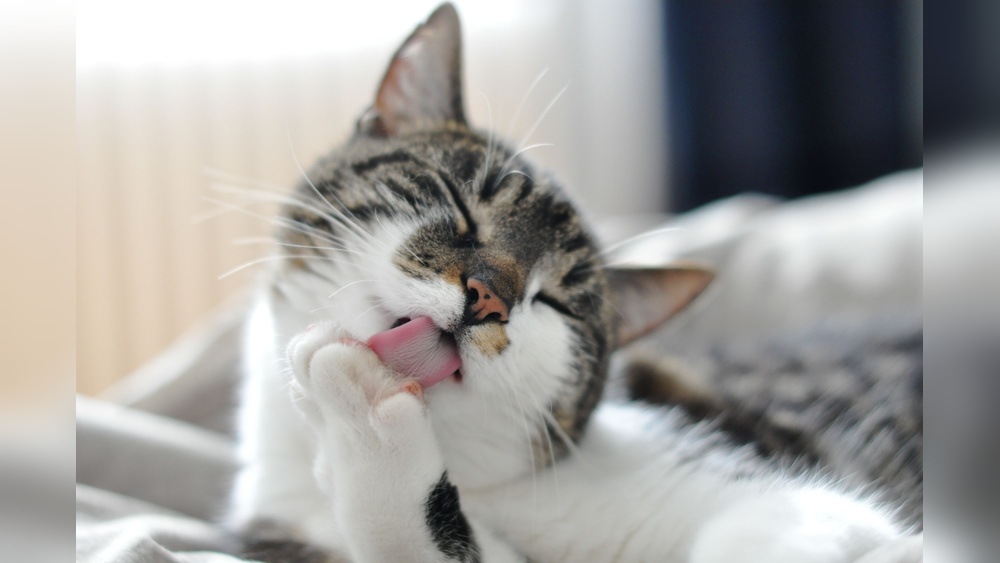
If you want your cat to stay happy and healthy, knowing when and what to groom is key. Grooming isn’t just about keeping your cat looking good—it helps prevent health problems and strengthens your bond.
But how often should you groom your cat? What parts need the most attention? You’ll discover simple tips that make grooming easy and stress-free for both you and your furry friend. Keep reading to learn the best times and techniques to keep your cat purring with comfort.
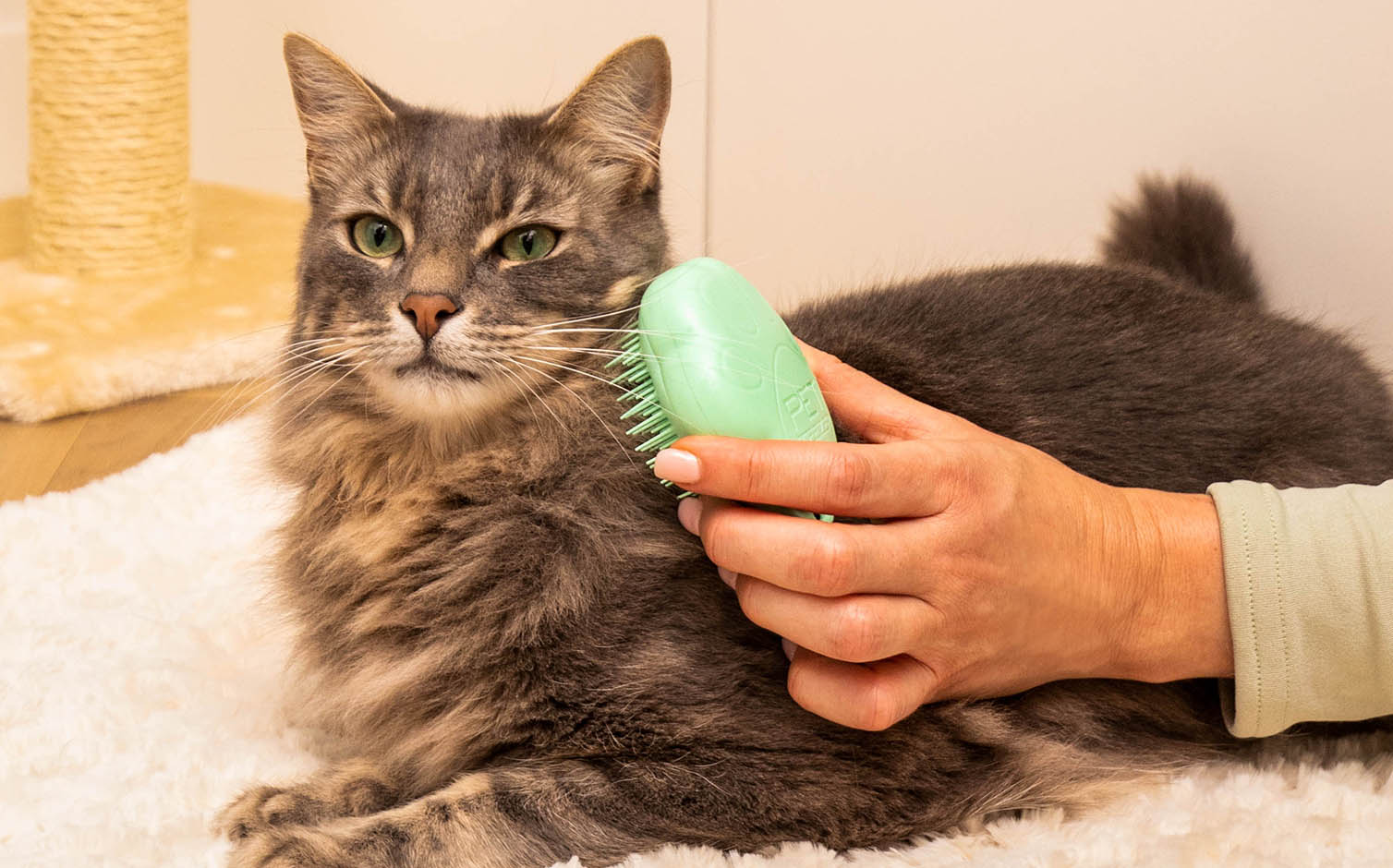
Credit: tangleteezer.com
Grooming Schedule For Cats
Creating a grooming schedule for your cat helps keep them healthy and happy. Regular grooming removes dirt, loose fur, and prevents mats. It also lets you check for skin problems or parasites. Different tasks suit different times—some daily, some weekly, and others seasonally.
Daily Grooming Tasks
Brushing your cat every day removes loose hair and reduces shedding. It also stops hairballs from forming in their stomach. Check your cat’s eyes and ears for dirt or discharge. Wipe gently if needed. Look at their paws and claws to spot any injuries. Petting your cat daily strengthens your bond too.
Weekly Grooming Routine
Once a week, give your cat a more thorough brushing. Use a comb to catch hidden tangles and mats. Trim your cat’s nails carefully to avoid overgrowth. Clean their ears with a soft cloth or a vet-approved solution. Check their teeth and gums for signs of dental issues. Weekly grooming keeps your cat comfortable and clean.
Seasonal Grooming Adjustments
In spring and fall, cats shed more fur. Increase brushing during these times to manage shedding. Bathing may be necessary if your cat gets very dirty or oily. Adjust nail trimming frequency if your cat is more active outdoors. Seasonal grooming helps your cat stay fresh and healthy all year.
Key Grooming Tools
Grooming your cat is easier with the right tools. Each tool has a special job. Using them keeps your cat clean and healthy. It also makes grooming less stressful for both of you.
Brushes And Combs
Brushes and combs help remove loose hair and dirt. They stop mats and tangles from forming. Choose a brush that fits your cat’s fur type. Soft brushes work well for short fur. Long-haired cats need wide-toothed combs to reach deep.
Regular brushing spreads natural oils on the fur. This keeps the coat shiny and smooth. Brushing also reduces shedding around your home.
Nail Clippers And Trimmers
Clipping your cat’s nails prevents scratches and damage. Use nail clippers made for cats. They are small and sharp for precise cuts. Trim only the sharp tips to avoid hurting your cat. Do this every few weeks or as needed.
Keep nail trimmers clean and sharp. Dull tools can split nails and cause pain. If unsure, ask your vet or groomer for help.
Ear And Eye Care Supplies
Clean ears and eyes keep your cat comfortable. Use cotton balls or pads with vet-approved cleaner. Gently wipe dirt or discharge from the eyes and ears. Avoid inserting anything deep inside the ear canal.
Check ears weekly for wax buildup or redness. Remove debris carefully to prevent infections. Eye care helps stop tear stains and irritation.
Coat Care Techniques
Coat care is important for a cat’s health and happiness. Regular grooming keeps their fur clean, shiny, and free from dirt. It also helps prevent skin problems and reduces shedding around the house. Knowing the right coat care techniques makes grooming easier and more effective for both you and your cat.
Brushing Different Fur Types
Short-haired cats need gentle brushing once a week. Use a soft bristle brush to remove loose hairs. Long-haired cats require daily brushing to avoid tangles. A wide-toothed comb works well for thick fur. Always brush in the direction of hair growth. This method reduces discomfort and keeps the coat smooth.
Handling Mats And Tangles
Mats can cause pain and skin issues if left untreated. Start by gently separating the mat with your fingers. Use a mat splitter or dematting comb carefully. Hold the fur close to the skin to avoid pulling. Never cut mats with scissors unless you are very careful. Regular brushing helps stop mats from forming.
Bathing Tips For Cats
Cats usually clean themselves, so baths are rarely needed. Use a mild cat shampoo only when necessary. Fill the tub with a few inches of lukewarm water. Keep your cat calm by speaking softly during the bath. Rinse thoroughly to remove all shampoo. Dry your cat with a towel and keep them warm.
Nail Maintenance
Nail maintenance is an important part of cat grooming. Cats use their nails for scratching, climbing, and protection. Keeping nails trimmed helps prevent damage to furniture and injuries to both cats and owners. Regular nail care keeps your cat comfortable and healthy.
When To Trim Nails
Check your cat’s nails every two weeks. Trim nails if you hear clicking sounds when your cat walks. Long nails can curl into paw pads and cause pain. If your cat scratches people or furniture too much, it may be time to trim nails.
Safe Nail Trimming Methods
Use a sharp, small nail clipper made for cats. Hold your cat gently but firmly. Press the paw pad to extend the nail. Cut only the sharp tip, avoiding the pink area called the quick. The quick has blood vessels and nerves. Cutting it causes pain and bleeding.
Dealing With Overgrown Nails
Overgrown nails may need trimming in small steps. Trim a little at a time to avoid cutting the quick. If nails are very long, trim a bit every few days. If unsure or nails are very curled, ask a vet or groomer for help. Regular trimming prevents nails from becoming overgrown again.
Ear And Eye Cleaning
Cleaning your cat’s ears and eyes is important for their health. Dirt, wax, and discharge can cause discomfort or infections. Regular checks help catch problems early and keep your cat happy.
Signs Of Ear Problems
Watch for redness or swelling in your cat’s ears. Bad smell or dark debris can mean infection. Your cat may scratch or shake its head often. If your cat tilts its head or seems unsteady, check the ears.
Cleaning Methods
Use a soft cloth or cotton ball to clean your cat’s ears. Never use cotton swabs inside the ear canal. Apply a vet-approved ear cleaner to remove wax and dirt. Gently wipe the outer ear and folds. Stop if your cat shows pain or discomfort.
Eye Care Practices
Look for redness, swelling, or discharge around the eyes. Use a damp, soft cloth to wipe away dirt. Always wipe from the corner near the nose outward. Avoid touching the eyeball directly. Consult your vet if eyes stay red or watery.
Dental Care Essentials
Dental care is an important part of grooming cats. Healthy teeth keep your cat happy and pain-free. Regular care helps avoid bad breath and serious health problems. Start dental care early to build good habits and protect your cat’s teeth.
Brushing Cat Teeth
Brushing your cat’s teeth removes plaque and prevents tartar. Use a soft toothbrush made for cats. Start slowly to help your cat get used to it. Brush gently in small circles. Aim to brush daily or at least several times a week.
Recommended Dental Products
Choose toothpaste made for cats only. Human toothpaste can harm cats. Dental wipes and water additives also help reduce plaque. Dental treats can support teeth cleaning but do not replace brushing. Talk to your vet about the best products for your cat.
Preventing Dental Issues
Regular dental care prevents gum disease and tooth loss. Watch for signs like bad breath, drooling, or difficulty eating. Schedule vet check-ups to catch problems early. Healthy teeth improve your cat’s quality of life. Prevention is easier than treatment.
Recognizing Grooming Challenges
Grooming cats is not always simple. Some cats show clear signs of discomfort or fear. Recognizing these grooming challenges early helps keep your cat calm. It also makes grooming easier and safer for both of you.
Dealing With Aggressive Cats
Some cats react with aggression during grooming. They may hiss, scratch, or bite. This behavior often comes from fear or pain. Stay calm and patient. Use gentle strokes and short sessions. Try distracting your cat with treats or toys. If aggression continues, consider using a towel to wrap your cat gently. This protects both of you during brushing or nail trimming.
Managing Sensitive Skin
Sensitive skin can cause redness or soreness during grooming. Avoid harsh brushes or combs with sharp teeth. Use soft, gentle tools designed for sensitive skin. Check your cat’s skin regularly for irritation or bumps. Bathing should be rare and only with cat-friendly shampoos. Always dry your cat well after washing. If skin problems persist, change your grooming method to prevent discomfort.
When To Seek Professional Help
Some grooming tasks may require a professional groomer or vet. Severe matting, wounds, or skin infections need expert care. If your cat’s behavior becomes too difficult to manage, ask for help. Professionals have tools and skills to groom safely. Regular vet visits can catch skin or health issues early. Don’t wait too long if grooming causes stress or pain for your cat.
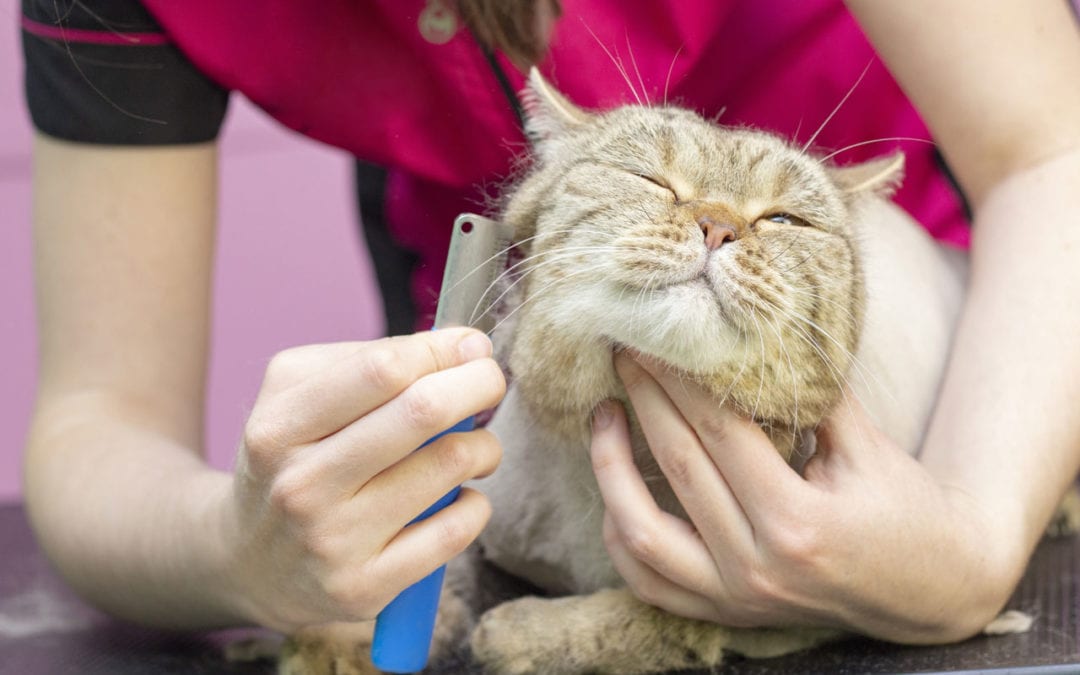
Credit: unionlakepetservices.com
Benefits Of Regular Grooming
Regular grooming offers many benefits for cats and their owners. It helps keep cats clean and healthy. Grooming also creates a positive experience for both you and your cat. Understanding these benefits encourages consistent care and attention to your pet’s needs.
Improved Health And Hygiene
Grooming removes dirt, loose fur, and debris from your cat’s coat. This helps prevent mats and tangles that cause discomfort. It reduces shedding inside your home. Regular brushing keeps skin healthy by improving circulation. Clean fur lowers the risk of skin infections and parasites.
Strengthening Bond With Your Cat
Grooming time builds trust between you and your cat. Gentle brushing feels relaxing and safe for most cats. It creates quiet moments of connection and calm. Your cat learns to enjoy your touch and attention. This strengthens your emotional bond and deepens friendship.
Early Detection Of Health Issues
Grooming lets you check for lumps, bumps, or wounds. You can spot fleas, ticks, or skin problems early. Catching these issues soon helps get faster treatment. Regular checks prevent minor problems from becoming serious. This keeps your cat healthier and happier over time.
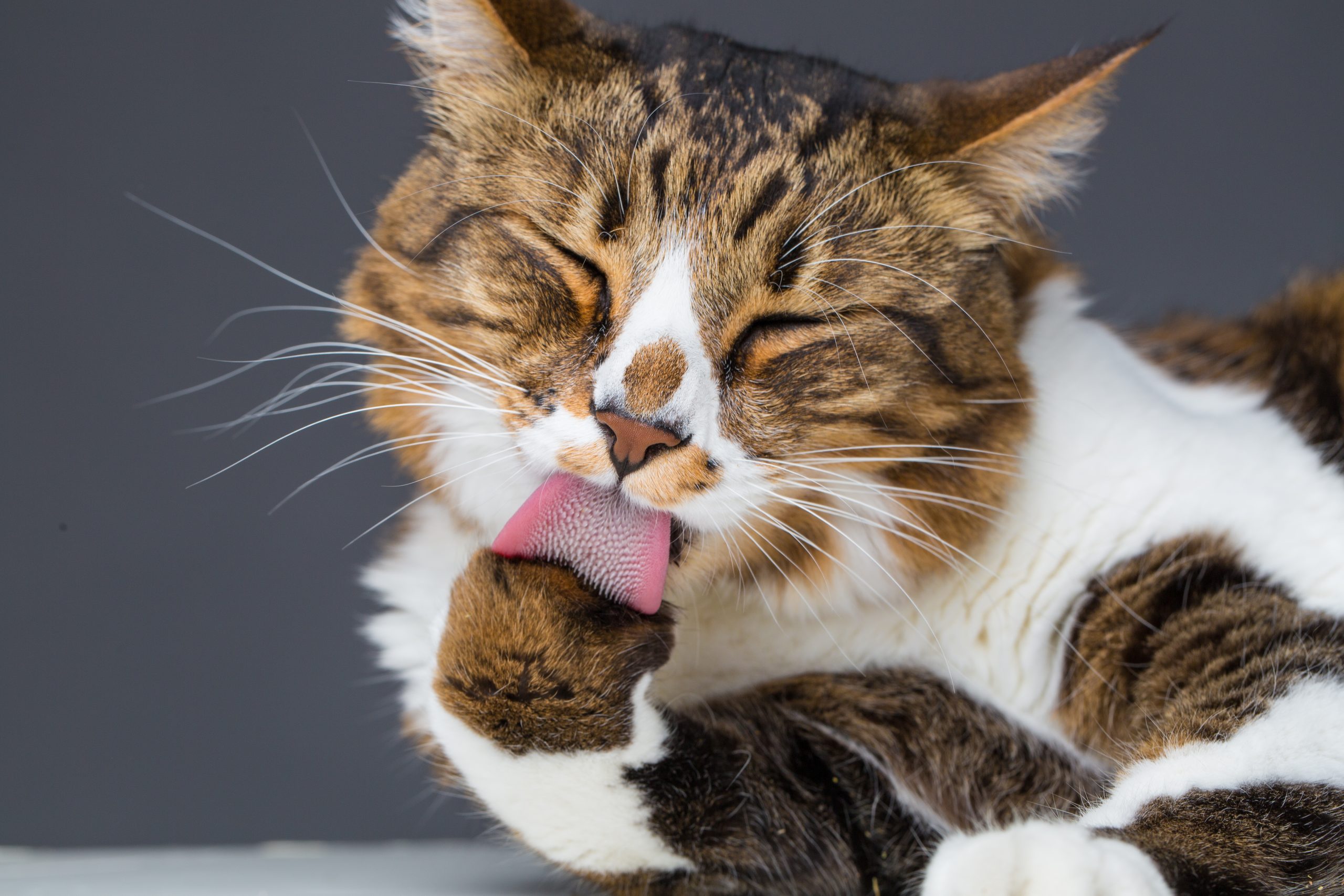
Credit: www.mspca.org
Frequently Asked Questions
When Is The Best Time To Groom A Cat?
Groom cats during calm, relaxed moments to reduce stress. Regular grooming after meals or playtime works well. Avoid grooming when cats are anxious or tired for better cooperation and safety.
What Are The Essential Grooming Tools For Cats?
Use a slicker brush, wide-tooth comb, and nail clippers. A grooming glove helps remove loose fur. Quality tools ensure effective grooming and comfort for your cat.
How Often Should You Groom Short-haired Cats?
Short-haired cats need grooming once a week. This helps remove loose fur and prevents hairballs. Regular brushing keeps their coat shiny and skin healthy.
What Parts Of A Cat Need Grooming The Most?
Focus on the coat, nails, ears, and teeth. Regular brushing removes loose fur. Nail trimming prevents scratching. Clean ears and teeth maintain overall hygiene and health.
Conclusion
Regular grooming keeps cats healthy and happy. Brush your cat’s fur weekly to avoid mats and hairballs. Trim nails carefully every few weeks to prevent scratches. Clean ears and check teeth often to spot problems early. Watch your cat’s behavior to know when grooming is needed.
A calm and gentle approach makes grooming easier for both. Remember, small, regular sessions work best. Good grooming helps your cat feel loved and cared for every day.