
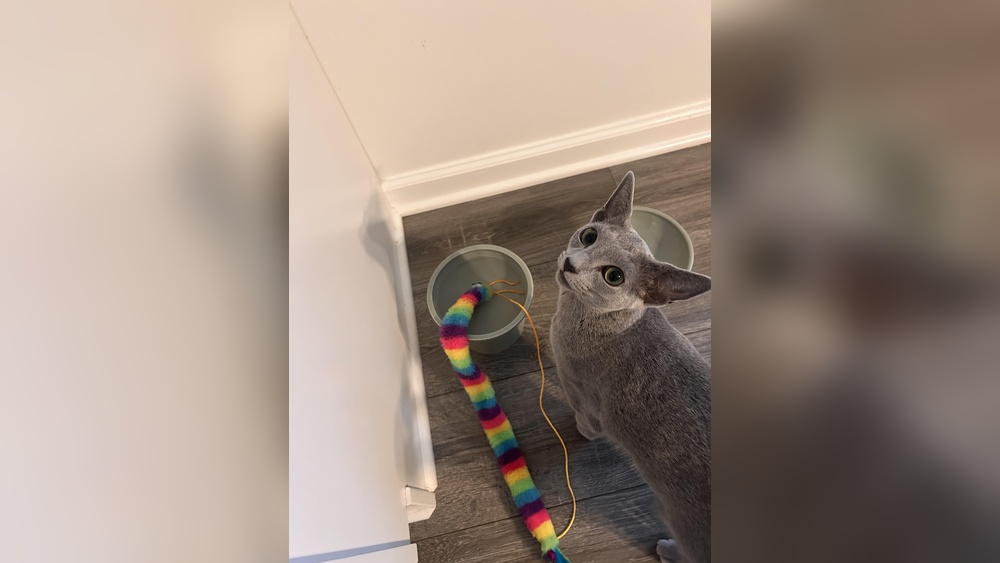
Have you ever caught your cat soaking their favorite toy and wondered, “Why do cats wet their toys?” It’s a curious behavior that might leave you puzzled or even a bit concerned. Understanding why your furry friend does this can help you connect with them better and keep their playtime safe and fun.
Keep reading to discover the surprising reasons behind this quirky habit and what it means for your cat’s happiness.
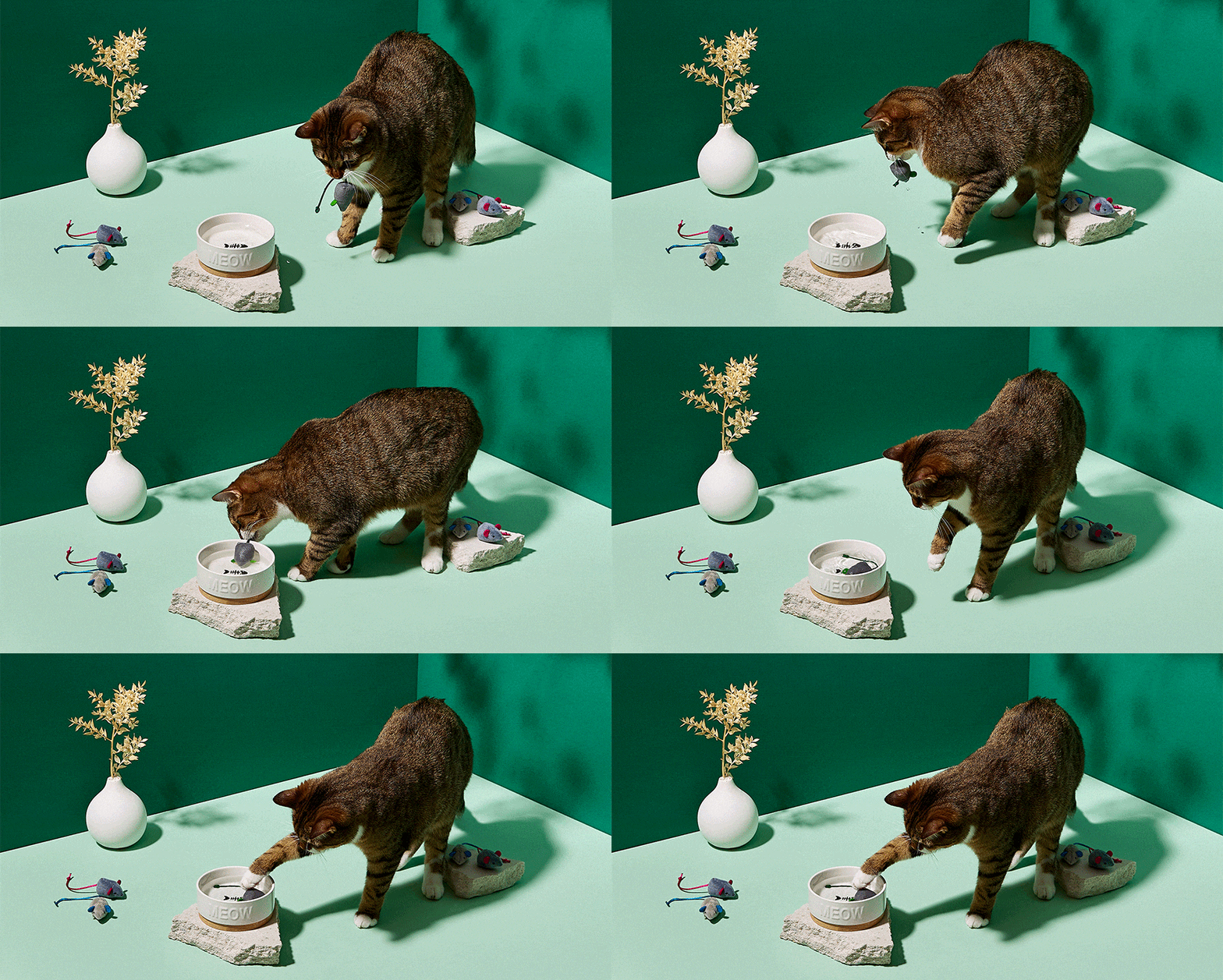
Credit: www.chewy.com
Common Toy Wetting Behaviors
Cats often show unique behaviors with their toys. One curious habit is wetting their toys. This behavior can confuse cat owners. Understanding common toy wetting behaviors helps explain why cats do this. It also reveals how cats express themselves through play.
How Cats Interact With Toys
Cats use their paws and mouths to explore toys. They bite, scratch, and carry toys around. Sometimes, cats rub their faces on toys. This action leaves their scent on the toy. Wetting toys is another way cats interact physically. Some cats lick or drool on toys to mark them. Others bite toys until they get wet. These actions show affection or ownership.
Frequency And Patterns Of Wetting
The frequency of toy wetting varies among cats. Some cats wet toys often during play. Others do it only occasionally. Wetting may happen more when cats feel relaxed or happy. Some cats wet toys before resting or sleeping. Patterns can depend on the toy type or the cat’s mood. Noticing these patterns helps understand your cat better. It also shows when your cat feels safe and playful.
Credit: www.chewy.com
Instinctual Reasons
Cats often wet their toys for deep, natural reasons. These actions come from their wild roots. Understanding these instincts helps us see why our pets behave this way. It also shows how important these behaviors are to cats.
Hunting And Marking Instincts
Cats are hunters by nature. They use their mouths and paws to catch prey. Wetting toys mimics catching real animals. It feels like holding a small, slippery catch. This action keeps their hunting skills sharp.
Marking is another instinct. Cats leave their scent to claim items. Their saliva contains unique markers. Wetting toys helps mark them as their own. This makes toys special and personal.
Scent Transfer And Communication
Saliva carries a cat’s scent. When cats wet toys, they spread their smell. This is a way to communicate silently. Other cats or animals can tell who owns the toy.
This scent transfer helps cats feel safe and secure. Their marked toys create a familiar environment. It reduces stress and shows comfort in their space.
Health And Hygiene Factors
Cats may wet their toys for health and hygiene reasons. Understanding these reasons helps keep cats safe and healthy. Wetting toys can signal problems with their health or stress levels. Owners should watch for changes in behavior to spot issues early.
Possible Urinary Issues
Cats with urinary problems may urinate outside their litter box. Wetting toys can be a sign of bladder pain or infection. This behavior shows discomfort or the need to mark territory. Urinary tract infections need quick treatment to avoid serious illness. Watch for frequent urination, blood in urine, or straining.
Stress And Anxiety Effects
Stress can cause cats to behave oddly, including wetting toys. Changes in the home or loud noises can upset cats. Wetting toys may relieve anxiety or act as a comfort habit. Stress can affect a cat’s health and behavior over time. Helping cats feel safe reduces this unwanted behavior.
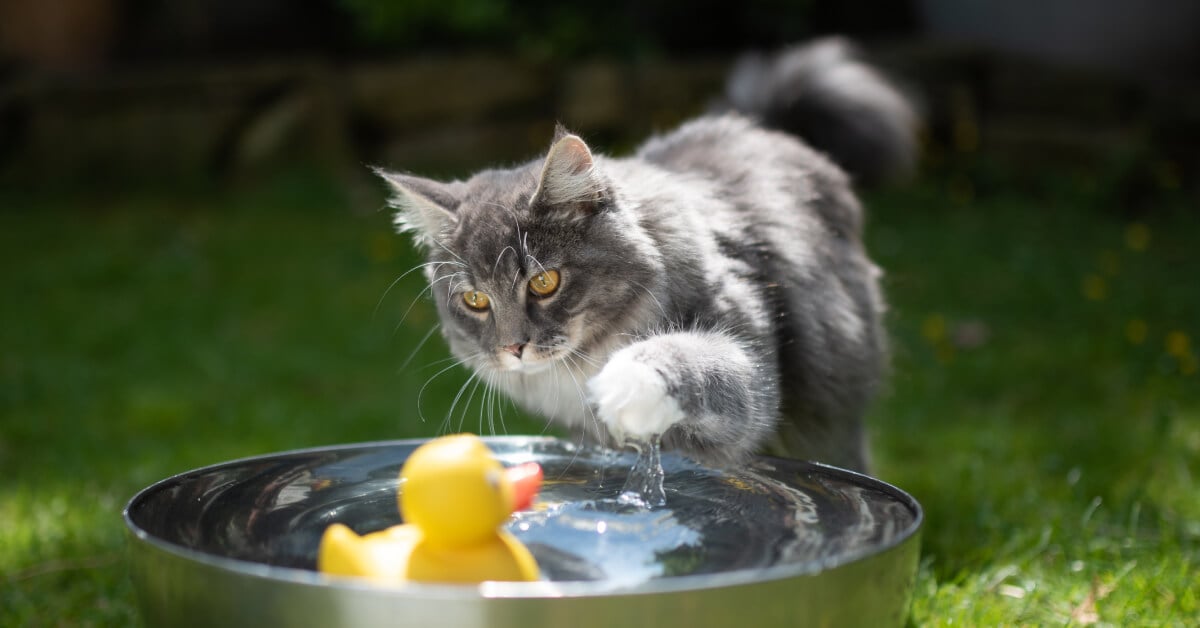
Credit: www.bluebuffalo.com
Environmental Influences
Cats are very sensitive to their environment. Changes around them can affect their behavior. This includes why they might wet their toys. The surroundings can make them feel stressed or insecure. Such feelings may lead to unusual actions like wetting toys. Understanding these environmental influences helps to know your cat better.
Changes In Surroundings
New furniture or moving to a new home can confuse cats. They rely on familiar smells and places. When things change, cats may feel unsettled. Wetting toys can be a way to mark their space. It helps them feel more comfortable. This behavior is a sign of adjustment to new settings.
Impact Of Other Pets
Introducing new pets can cause tension in the home. Cats may feel the need to protect their territory. Wetting toys is one way to show ownership. It sends a message to other animals. This action reduces the chance of conflict. It helps cats keep control over their space.
How To Manage And Prevent Wetting
Managing and preventing cats from wetting their toys is important for a clean and healthy home. Cats may wet toys due to stress, marking, or play habits. Understanding how to handle this behavior helps keep toys fresh and your cat happy.
Cleaning And Toy Maintenance
Clean wet toys regularly to avoid bad smells and germs. Use warm water and mild soap for washing. Rinse toys well and let them dry completely before giving them back. Replace toys that get too worn or soaked. Clean toys keep cats safe and reduce wetting habits.
Providing Alternatives And Enrichment
Offer many toys to reduce focus on one toy. Use toys with different textures and sounds. Provide scratching posts and climbing spaces for extra fun. Play with your cat daily to burn energy. More activity lowers stress and stops wetting toys.
Frequently Asked Questions
Why Do Cats Wet Their Toys Frequently?
Cats often wet their toys to mimic hunting behavior. It helps them practice catching and carrying prey. This instinctive act also marks the toy with their scent, showing ownership and comfort.
Is Wetting Toys A Sign Of Cat Stress?
Wetting toys is usually not a stress sign. It’s more about play and natural instincts. However, if your cat shows other stress behaviors, consult a vet.
Can Wetting Toys Indicate A Medical Issue?
Typically, no medical issue causes cats to wet toys. If your cat wets other objects or shows unusual behavior, seek veterinary advice.
How Can I Stop My Cat From Wetting Toys?
You can redirect your cat’s attention to dry toys or increase playtime. Providing fresh toys and engaging activities reduces wetting behavior.
Conclusion
Cats wet their toys for many simple reasons. It helps them mark their playthings with scent. Sometimes, they just feel happy or curious. This behavior shows their natural instincts and emotions. Watching your cat do this can help you understand them better.
Remember, it is normal and part of their playful nature. Enjoy the little quirks that make your cat unique. Toys become more special when cats add their own touch. Keep observing and caring for your furry friend’s habits.