
Are you wondering when to get your cat groomed? Knowing the right time can make a big difference in your furry friend’s health and happiness.
Grooming isn’t just about keeping your cat looking good—it helps prevent problems like mats, skin issues, and even stress. If you want to keep your cat comfortable and feeling their best, understanding the signs and timing of grooming is key.
Keep reading, and you’ll discover exactly when your cat needs a grooming session and how to make it a smooth experience for both of you.
Signs Your Cat Needs Grooming
Knowing when your cat needs grooming helps keep them healthy and happy. Cats may not tell you when they feel uncomfortable. Watch for signs that show they need extra care. Regular grooming prevents problems and keeps their coat shiny.
Changes In Coat Condition
A dull or matted coat shows your cat may need grooming. Look for clumps of fur or knots. Excess shedding or bald spots also signal grooming is needed. A clean, smooth coat means your cat is well cared for.
Behavioral Clues
Cats that groom less often may feel pain or stress. Excess licking or scratching can mean discomfort. If your cat hides or seems restless, grooming might help. Notice if your cat avoids being touched on certain spots.
Health Indicators
Bad smell or greasy fur can mean skin problems. Redness, swelling, or scabs need attention. Check for fleas or ticks during grooming. Regular grooming helps spot health issues early and keeps your cat safe.
:strip_icc()/grooming-cat-120689839-57d967d33df78c583396e386.jpg)
Credit: www.thesprucepets.com
Factors Affecting Grooming Frequency
Several factors affect how often cats need grooming. Understanding these factors helps keep your cat healthy and happy. Grooming frequency depends on your cat’s unique needs and lifestyle. Some cats require daily brushing, while others need it less often. Knowing what influences grooming can save time and prevent problems.
Breed And Coat Type
Different breeds have different coat types. Long-haired cats need grooming more often to avoid mats and tangles. Short-haired cats usually need less frequent brushing. Some breeds shed more, requiring regular grooming to control loose hair. Coat texture also matters; silky coats can tangle easily.
Age And Health
Kittens need gentle grooming to get used to the process. Older cats may groom less because of health issues. Cats with arthritis or illness might need help with grooming. Healthy adult cats usually manage well with regular brushing. Always check your cat’s health before changing grooming routines.
Seasonal Changes
Seasonal changes affect your cat’s coat. Cats shed more during spring and fall. Increased shedding means more frequent grooming to remove loose fur. Winter coats can get thick and need regular brushing. Adjust grooming habits to match the season for best results.
Ideal Grooming Schedule
Keeping your cat well-groomed helps them stay healthy and happy. A good grooming schedule fits your cat’s needs. It also makes grooming easier for you. Understanding when and how often to groom can prevent problems. Here is an ideal grooming schedule to follow.
Daily Maintenance
Brush your cat’s fur every day. This removes loose hair and stops mats from forming. Daily brushing helps reduce hairballs. It also keeps your cat’s coat shiny and clean. Check their ears and eyes too. Wipe away any dirt or discharge gently.
Weekly Sessions
Once a week, spend extra time on grooming. Use a comb to check for ticks or fleas. Trim your cat’s nails carefully if needed. Clean their teeth with a pet-safe brush. Weekly sessions keep small issues from growing bigger. Give your cat treats to make grooming pleasant.
Professional Grooming Visits
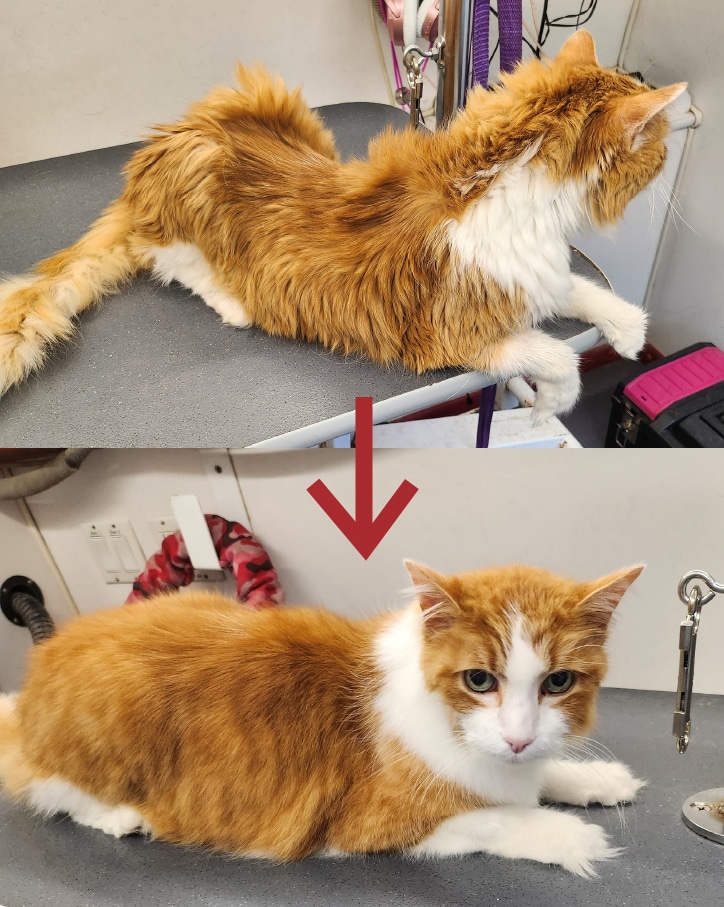
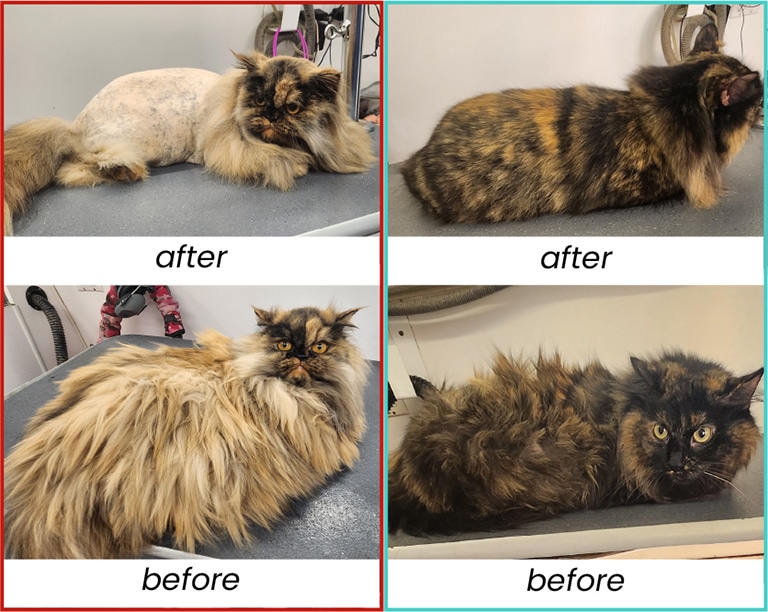
Visit a professional groomer every few months. Groomers handle tough mats and deep cleaning. They trim nails safely and check your cat’s skin. Some cats need more frequent visits, especially long-haired breeds. A groomer helps keep your cat comfortable and healthy.
Credit: smoochie-pooch.com
Tools For Effective Grooming
Grooming a cat needs the right tools. These tools help keep your cat clean and healthy. They also make grooming easier and more comfortable for your pet. Using proper tools can reduce hair loss and skin problems. Here are the main tools you need for effective grooming.
Brushes And Combs
Brushes and combs remove loose fur and dirt from your cat’s coat. They prevent mats and tangles, especially in long-haired cats. Use a soft-bristle brush for short hair and a wide-tooth comb for longer fur. Regular brushing helps spread natural oils, making the coat shiny and smooth.
Clippers And Trimmers
Clippers and trimmers help cut your cat’s fur when it grows too long. They are useful for trimming around sensitive areas like paws and belly. Choose quiet and sharp clippers to avoid frightening your cat. Always trim slowly and carefully to prevent cuts.
Bathing Supplies
Bathing supplies include cat-safe shampoo, towels, and a non-slip mat. Cats do not need frequent baths, but some may require them. Use lukewarm water and gentle shampoo made for cats. Dry your cat well after a bath to avoid chills and discomfort.
Preparing Your Cat For Grooming
Preparing your cat for grooming helps make the process smooth and stress-free. Cats can get nervous during grooming. Taking time to prepare them helps build trust. It also lowers their anxiety and makes grooming easier. Start early and be patient. Small steps lead to better results.
Creating A Calm Environment
Choose a quiet room for grooming. Keep noise to a minimum. Turn off loud machines and music. Soft light helps your cat feel relaxed. Use a non-slip mat on the surface. A calm space keeps your cat safe and focused. Avoid sudden movements or loud voices.
Getting Your Cat Comfortable
Let your cat explore the grooming area first. Offer treats and gentle pets to create positive feelings. Use a soft brush to touch your cat gently. Short sessions build comfort over time. Watch your cat’s body language closely. Stop if you see signs of stress.
Handling Difficult Cats
Some cats resist grooming more than others. Try wrapping your cat in a towel for control. Use slow, gentle movements to avoid startling them. Speak softly to soothe your cat’s nerves. Take breaks if your cat becomes too tense. Ask a vet for advice if needed.
Common Grooming Mistakes To Avoid
Grooming your cat is important for their health and happiness. Mistakes during grooming can cause stress or harm. Avoiding common errors helps keep your cat comfortable and clean. Below are key grooming mistakes to watch out for.
Over-grooming
Brushing your cat too often can irritate their skin. It may cause redness or small wounds. Cats usually groom themselves well. Limit brushing to a few times a week unless your vet says otherwise.
Ignoring Skin Issues
Look carefully for signs of skin problems. Redness, bumps, or hair loss need attention. Ignoring these signs can worsen infections. Visit a vet if you notice unusual changes in your cat’s skin.
Using Wrong Tools
Select brushes made for your cat’s fur type. Using the wrong brush can hurt their skin. Avoid human combs or harsh brushes. Soft-bristled or wide-toothed combs work best for most cats.
Benefits Of Timely Grooming
Timely grooming offers many benefits for cats and their owners. Regular care keeps cats clean and comfortable. It also helps spot health issues early. Grooming sessions build trust and improve your bond with your cat. Understanding these benefits can encourage you to maintain a grooming schedule.
Health Improvements
Grooming removes dirt and loose fur from your cat’s coat. It helps prevent skin problems like irritation and infections. Checking your cat’s skin during grooming spots ticks or fleas early. Timely grooming reduces the risk of mats that can cause pain. It also supports healthy blood circulation by brushing the coat.
Bonding Opportunities
Grooming creates quiet time for you and your cat. It helps your cat feel safe and loved. Regular sessions build trust and reduce anxiety. Cats often enjoy gentle strokes and attention during grooming. This shared activity strengthens your relationship over time.
Reducing Shedding And Hairballs
Brushing your cat regularly removes loose hair before it falls around the house. This lowers the amount of fur on your furniture and clothes. Grooming also reduces hair your cat swallows while cleaning itself. Fewer swallowed hairs mean fewer hairballs and less vomiting. It keeps your cat more comfortable and your home cleaner.
Credit: smoochie-pooch.com
Frequently Asked Questions
When Is The Best Age To Start Cat Grooming?
Start grooming your cat at 8 to 12 weeks old. Early grooming helps cats get comfortable with handling. It builds trust and reduces stress during future grooming sessions. Regular grooming from a young age promotes healthy fur and skin.
How Often Should Cats Be Groomed?
Cats should be groomed at least once a week. Long-haired cats need grooming 2 to 3 times weekly. Frequent grooming prevents matting, reduces shedding, and keeps the coat clean. Adjust frequency based on your cat’s breed and coat type.
What Are Signs My Cat Needs Grooming?
Look for matted fur, excessive shedding, or dirt buildup. Scratching or licking more than usual can also signal grooming needs. If your cat’s coat looks dull or tangled, it’s time for grooming. Regular checks help spot these signs early.
Can Grooming Prevent Cat Hairballs?
Yes, regular grooming reduces loose hair cats swallow. Brushing removes excess fur, lowering hairball formation. Hairballs can cause discomfort and digestive issues. Grooming is a simple way to improve your cat’s health and comfort.
Conclusion
Regular grooming keeps your cat healthy and happy. Watch for signs like matting or excess shedding. Grooming helps prevent skin problems and reduces hairballs. Start grooming routines early to build trust. Short, gentle sessions work best for nervous cats. Remember, each cat’s needs differ; adjust grooming often.
Clean fur and trimmed nails make your pet comfortable. Keep grooming a positive experience with patience and care. Your cat will enjoy the attention and stay well-groomed. Small, consistent efforts bring big benefits over time.