
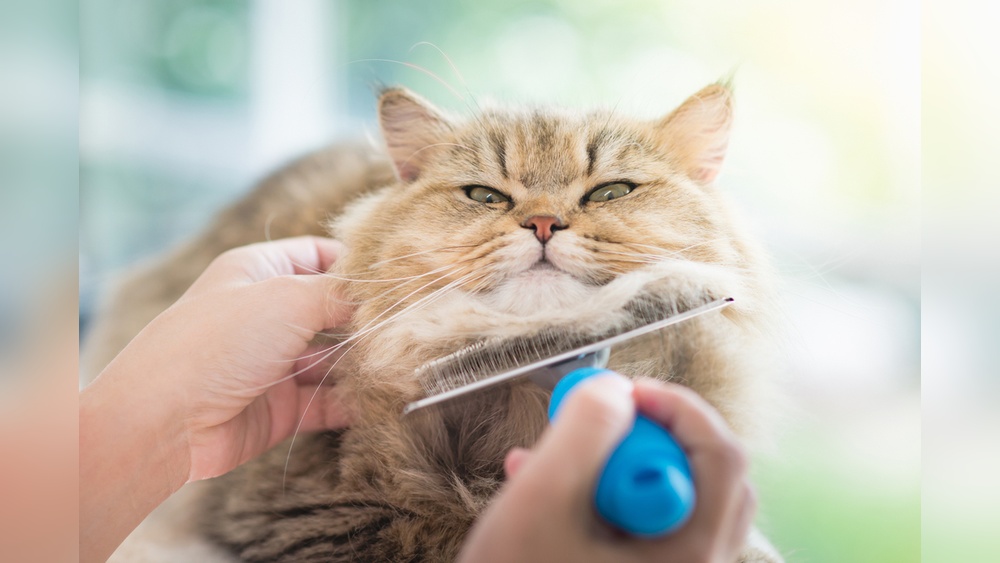
If you have a long-haired cat, you know how beautiful—and sometimes challenging—their fur can be. Keeping your cat’s coat smooth and tangle-free isn’t just about looks; it’s about their comfort and health.
You might wonder how to make grooming easier for both you and your furry friend. This guide will show you simple, effective ways to care for your cat’s long hair, helping you avoid mats, reduce shedding, and keep your pet happy.
Ready to make grooming a stress-free part of your routine? Let’s dive in!
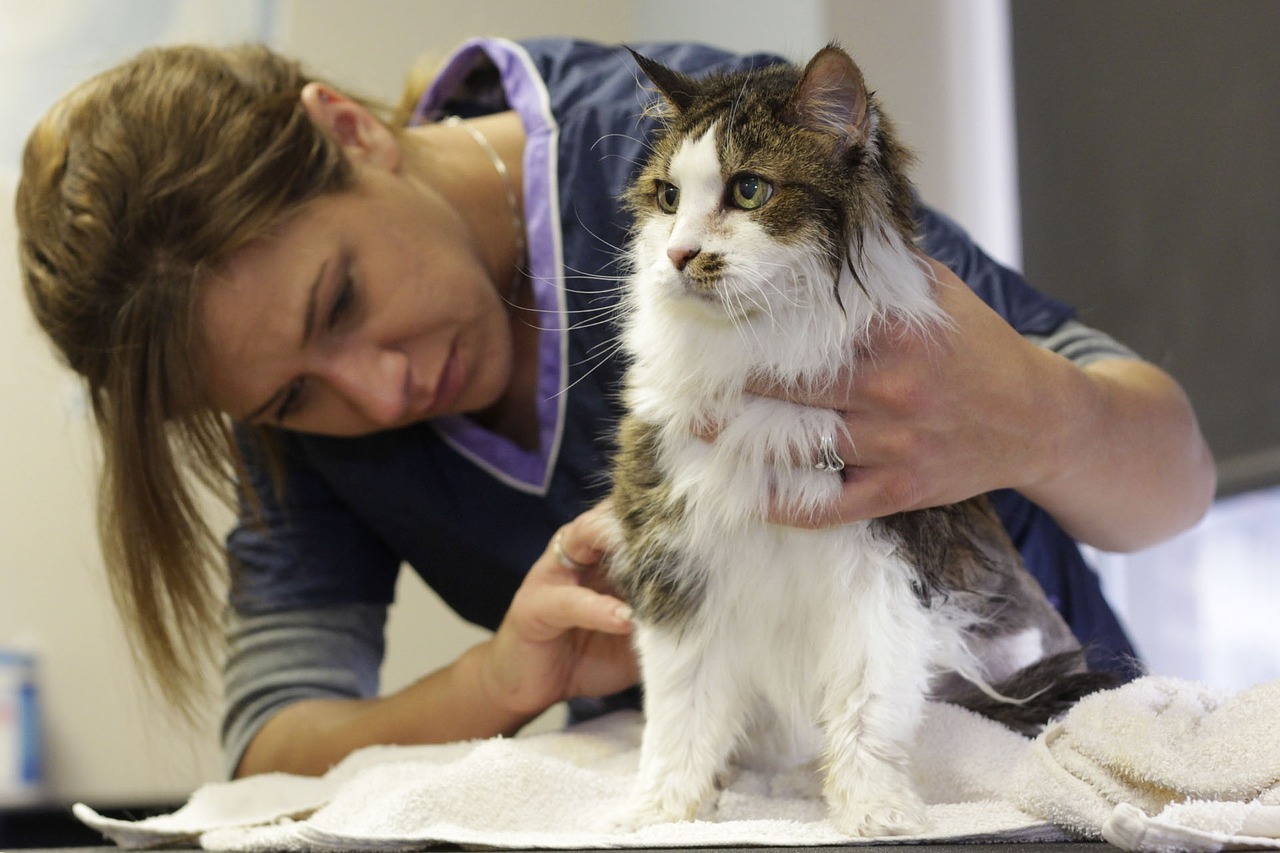
Credit: meowtel.com
Choosing The Right Tools
Choosing the right tools is key to grooming a long-haired cat well. Using proper equipment makes brushing easier and keeps your cat comfortable. It also helps prevent hair mats and tangles. The right tools save time and reduce stress for both you and your cat.
Types Of Brushes For Long Hair
Soft-bristle brushes help remove loose fur gently. Slicker brushes have fine wires that reach deep into the coat. They are great for detangling and removing dirt. Pin brushes spread natural oils and keep fur shiny. Use brushes that suit your cat’s hair texture and length.
Combs And Dematting Tools
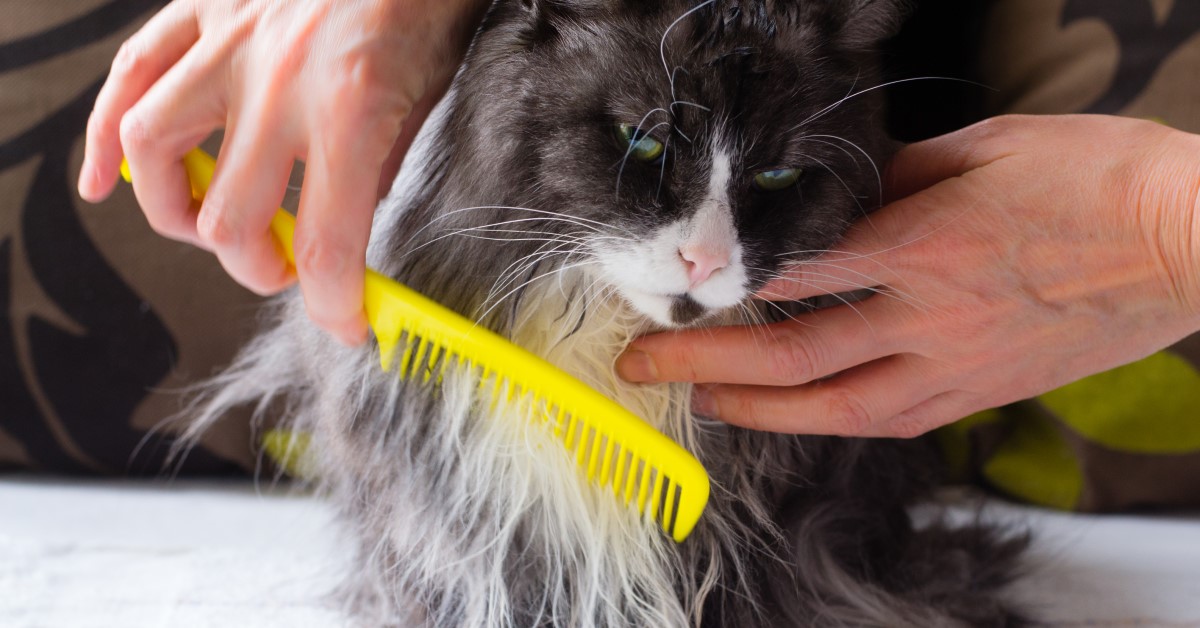
Wide-tooth combs work well to untangle knots carefully. They glide through hair without pulling too hard. Dematting tools cut through tough mats safely. Use them with caution to avoid hurting your cat. Regular combing prevents mats from forming.
Grooming Accessories
Grooming gloves help remove loose fur with gentle strokes. Nail clippers keep your cat’s claws trimmed and safe. Scissors are useful for trimming around sensitive areas. Keep all tools clean and sharp for the best results. Store accessories where you can find them easily.
Credit: www.petassure.com
Preparing Your Cat For Grooming
Preparing your long-haired cat for grooming is important for a smooth experience. It helps your cat feel safe and relaxed. Taking time to prepare makes grooming easier and more effective. Start with small steps to build trust and comfort.
Creating A Calm Environment
Choose a quiet room with soft lighting. Avoid loud noises or sudden movements. Use a comfortable surface for your cat to sit on. Keep grooming tools nearby to avoid leaving your cat alone. A calm space reduces stress and helps your cat stay still.
Handling Techniques
Approach your cat gently and speak softly. Use slow, smooth movements to avoid startling them. Hold your cat firmly but gently to prevent escaping. Let your cat sniff the grooming tools first. Reward your cat with treats to create positive feelings.
Frequency Of Grooming Sessions
Groom your long-haired cat regularly to prevent mats. Start with short sessions of five to ten minutes. Increase the time gradually as your cat becomes more comfortable. Frequent grooming keeps fur clean and reduces shedding. Consistency helps your cat get used to the routine.
Step-by-step Grooming Process
Grooming a long-haired cat needs patience and care. It helps keep their coat clean and free from mats. Regular grooming also makes your cat comfortable and healthy. Follow this step-by-step process to groom your cat the right way.
Brushing Techniques To Prevent Mats
Start by choosing the right brush for your cat’s fur type. Use a wide-tooth comb to gently detangle knots. Brush in small sections, moving from head to tail. Hold the fur close to the skin to avoid pulling. Brush daily to stop mats from forming. Pay special attention behind ears and under legs. If you find a mat, use your fingers to loosen it gently.
Bathing Tips For Long-haired Cats
Use lukewarm water and a cat-safe shampoo. Wet the fur slowly to avoid scaring your cat. Massage the shampoo into the fur, covering all areas. Avoid the eyes and inside the ears. Rinse thoroughly to remove all shampoo. Use a calm voice to soothe your cat during the bath. Keep baths short to reduce stress.
Drying And Post-bath Care
Wrap your cat in a soft towel to soak up water. Pat the fur gently, do not rub. Use a hairdryer on a low, cool setting if your cat allows it. Keep the dryer moving to avoid heat spots. Brush the fur once dry to prevent tangles. Offer treats to reward good behavior. Check the coat regularly for any new mats.

Credit: masterclip.co.uk
Maintaining A Healthy Coat
A long-haired cat’s coat needs special care to stay healthy and shiny. A healthy coat shows your cat is well cared for. It also keeps your cat comfortable and happy. Regular grooming is important, but other factors also play a big role. Diet, hydration, and vet visits help keep the coat in top condition.
Diet And Nutrition
Food affects the health of your cat’s fur. High-quality cat food with good protein supports strong hair growth. Omega-3 and omega-6 fatty acids keep the fur soft and shiny. Avoid cheap foods with fillers and low nutrients. Balanced nutrition helps reduce shedding and prevents dry skin.
Hydration Importance
Water keeps the skin hydrated and the coat healthy. Cats often drink little water, especially if eating dry food. Provide fresh water daily to encourage drinking. Wet cat food can also boost hydration. Proper hydration helps avoid flaky skin and dull fur.
Regular Vet Checkups
Vet visits spot health problems early. Skin infections, allergies, or parasites can harm the coat. Regular checkups ensure your cat stays healthy inside and out. Follow vet advice on supplements or treatments to maintain a beautiful coat.
Dealing With Common Grooming Challenges
Grooming long-haired cats has its own set of challenges. Their thick fur can tangle easily. Shedding can fill your home with hair. Some cats have delicate skin that needs gentle care. Knowing how to deal with these issues makes grooming easier. It keeps your cat healthy and happy.
Removing Tangles And Mats Safely
Tangles and mats hurt your cat’s skin. Use a wide-tooth comb to loosen knots. Work gently from the edges toward the skin. Hold the fur near the mat to reduce pulling. If mats are tight, use mat splitter tools carefully. Cut mats only if necessary and avoid cutting skin.
Handling Shedding Seasons
Shedding increases in spring and fall. Brush your cat daily to remove loose hair. Use a slicker brush to reach deep fur layers. Keep your home clean with regular vacuuming. A healthy diet can reduce shedding naturally. Hydration helps keep your cat’s coat shiny and smooth.
Managing Sensitive Skin
Some cats have fragile, sensitive skin. Choose grooming tools with soft bristles. Avoid harsh shampoos or frequent baths. Use hypoallergenic products made for cats. Watch for redness or irritation after grooming. Stop grooming if your cat shows discomfort. Consult a vet for skin problems or allergies.
When To Seek Professional Help
Grooming a long-haired cat can be tricky. Some situations need a professional’s touch. Knowing when to seek expert help keeps your cat healthy and happy.
Signs Your Cat Needs Expert Grooming
Look for mats or tangles that don’t come out easily. Skin problems like redness or sores need attention. If your cat is very stressed during grooming, a pro can help. Excessive shedding or hair loss also shows a need for expert care.
Choosing A Professional Groomer
Find a groomer with experience in long-haired cats. Check reviews and ask for recommendations. Make sure the groomer uses gentle tools and methods. A calm and patient groomer is best for nervous cats. Visit the salon before booking an appointment.
Benefits Of Professional Grooming
Professionals remove mats safely without hurting your cat. They trim nails and clean ears thoroughly. Groomers spot skin issues early. Regular expert care reduces hairballs and shedding. Your cat feels more comfortable and looks neat after a session.
Frequently Asked Questions
How Often Should I Groom My Long-haired Cat?
Long-haired cats need grooming at least 3-4 times a week. Regular brushing prevents mats and reduces shedding. Consistent grooming also helps monitor skin health and keeps their coat shiny and clean.
What Tools Are Best For Grooming Long-haired Cats?
Use a wide-toothed comb, slicker brush, and grooming scissors. These tools help detangle fur and remove loose hair gently. Avoid harsh brushes that can irritate your cat’s sensitive skin.
How Do I Prevent Mats In Long-haired Cats?
Brush your cat regularly to avoid tangles forming mats. Pay special attention to behind ears, under legs, and tail base. Mats can cause discomfort and skin infections if not treated promptly.
Can Grooming Reduce Shedding In Long-haired Cats?
Yes, grooming significantly reduces shedding by removing loose fur. Regular brushing helps minimize hairballs and keeps your home cleaner. It also stimulates natural oils, promoting a healthy coat.
Conclusion
Grooming a long-haired cat keeps its coat healthy and shiny. Regular brushing stops mats and tangles from forming. It also helps your cat feel calm and loved. Use the right tools and be gentle during grooming sessions. Watch for any skin problems or changes in fur.
Keep grooming part of your routine to enjoy a happy, clean cat. Simple care makes a big difference in your pet’s life.