
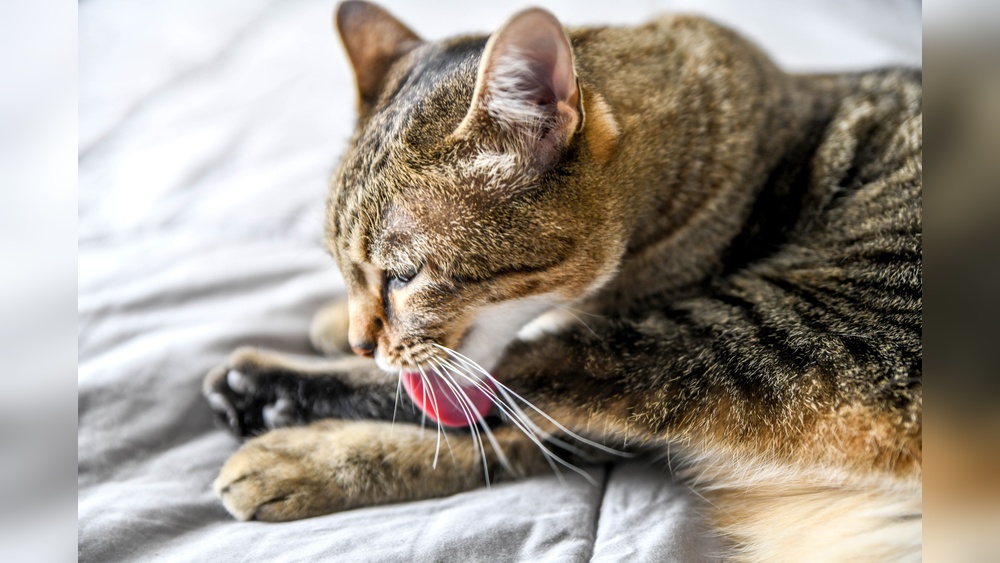
Have you ever noticed your cat spending hours licking its fur, sometimes to the point it seems almost obsessive? You might wonder, “Why do cats groom excessively?” It’s more than just a quirky habit.
Excessive grooming can be a sign your furry friend is stressed, uncomfortable, or even unwell. Understanding what drives this behavior can help you keep your cat happier and healthier. Keep reading to discover the surprising reasons behind your cat’s constant cleaning and what you can do about it.

Credit: www.wolfeanimal.com
Signs Of Excessive Grooming
Excessive grooming in cats can signal problems. It is important to notice signs early. Cats usually groom to stay clean and relaxed. But too much grooming can mean stress or health issues.
Recognizing signs of excessive grooming helps you protect your cat. Watch closely for changes in behavior and appearance. These clues tell you when your cat needs help.
Behavioral Clues
Cats grooming more than usual or for long periods is a red flag. They may lick the same spot repeatedly. Restlessness or hiding can also accompany over-grooming. Some cats become irritable or show signs of pain. Changes in eating or sleeping patterns often appear. These behaviors show your cat might be uncomfortable or anxious.
Physical Indicators
Look for bald patches or thinning fur on your cat’s body. Skin might appear red, inflamed, or have sores. Scabs or wounds from licking are common signs. Your cat’s coat may look dull or greasy instead of shiny. Swelling or bumps can develop where your cat grooms too much. These physical signs demand a closer look from a veterinarian.

Credit: www.hahpets.com
Common Causes
Cats groom to keep clean and healthy. Sometimes, they groom too much. This can be a sign of a problem. Understanding why cats groom excessively helps you care for them better.
Allergies And Skin Irritations
Allergies can make a cat’s skin itchy. Dust, pollen, or food can cause allergies. Cats may lick and scratch to ease the itch. Skin irritations from chemicals or plants also cause extra grooming. This keeps the skin raw and sore.
Parasites And Infections
Fleas, ticks, and mites cause discomfort. Cats bite and lick to remove these pests. Parasites lead to red, inflamed skin. Bacterial or fungal infections can also make cats groom more. The grooming tries to soothe the pain and stop the infection.
Stress And Anxiety
Stress causes many cats to groom excessively. Moving to a new home or loud noises can trigger stress. Grooming helps cats calm down and feel safe. Too much grooming may cause bald spots or wounds.
Pain And Discomfort
Pain from injuries or arthritis can cause overgrooming. Cats lick the painful area to ease discomfort. This habit can worsen the skin condition. Pain makes cats focus grooming on one spot too much.
Health Risks Of Over-grooming
Excessive grooming in cats is more than just a bad habit. It can lead to serious health risks that affect their well-being. Understanding these risks helps pet owners act quickly. Over-grooming may cause damage that needs attention from a vet.
Hair Loss And Skin Damage
Over-grooming removes too much fur. This leaves bare patches on the skin. The skin can become red and sore. Constant licking irritates the skin’s surface. This damage can cause pain and discomfort for cats.
Secondary Infections
Damaged skin can easily get infected. Bacteria and fungi enter through open wounds. These infections cause itching, swelling, and pus. Without treatment, infections may spread and worsen. This makes grooming problems harder to fix.
Behavioral Changes
Cats that groom too much may seem anxious. They might hide or become less active. Over-grooming often signals stress or pain. These changes affect their mood and daily life. Recognizing behavior shifts helps find the cause early.
Diagnosing The Issue
Excessive grooming in cats often signals an underlying problem. Diagnosing the issue helps find the cause and the right treatment. Careful observation and professional help are important steps. Early diagnosis prevents further harm and keeps your cat healthy.
Veterinary Examination
A vet checks your cat’s skin, coat, and overall health. They look for redness, wounds, or hair loss. The vet asks about your cat’s behavior and grooming habits. This exam helps spot allergies, infections, or stress signs. A thorough check guides the next steps in diagnosis.
Diagnostic Tests
Tests may include skin scrapings or allergy tests. Blood tests check for infections or hormonal problems. Sometimes, the vet uses a microscope to find parasites. These tests reveal hidden causes of excessive grooming. Accurate diagnosis leads to better treatment plans.
Treatment Options
Excessive grooming in cats can signal stress, allergies, or skin problems. Treating this behavior needs a careful approach. Different methods help manage and reduce over-grooming effectively. Understanding available treatment options is key to helping your cat feel better.
Medications And Topicals
Veterinarians often prescribe medications to ease itching or inflammation. These can include antihistamines or steroids. Topical creams and sprays soothe irritated skin. They help stop the cycle of itching and grooming. Using medicine under vet guidance ensures safe treatment.
Behavioral Therapy
Behavior changes can reduce stress-triggered grooming. Training your cat to focus on toys or play helps. Rewarding calm behavior encourages less grooming. Sometimes, a vet may suggest therapy to handle anxiety. Patience and consistency improve results over time.
Environmental Adjustments
Creating a calm home lowers stress in cats. Provide quiet spaces and cozy beds for rest. Keep feeding and playtimes regular to build routine. Reducing loud noises and sudden changes helps too. A peaceful environment supports healthy grooming habits.
Preventing Excessive Grooming
Excessive grooming in cats can lead to skin problems and discomfort. Preventing this behavior helps keep your cat healthy and happy. Simple steps can reduce the chances of over-grooming.
Regular Health Checks
Take your cat to the vet regularly. Health issues often cause excessive grooming. Skin allergies, infections, or pain might be the reason. Early diagnosis helps treat problems quickly. This reduces your cat’s need to groom too much.
Stress Reduction Techniques
Stress causes cats to groom more than usual. Create a calm and safe environment for your cat. Provide hiding spots and quiet areas. Play with your cat to keep it relaxed. Use soothing music or pheromone diffusers to ease anxiety.
Proper Parasite Control
Parasites like fleas make cats itch and groom excessively. Keep your cat free from fleas and ticks. Use vet-approved parasite treatments regularly. Clean bedding and living areas to stop parasites. This prevents irritation and reduces over-grooming.
When To Seek Help
Excessive grooming in cats can signal a problem. Knowing when to seek help can protect your cat’s health. Some signs mean a vet visit is needed soon. Acting early can prevent more serious issues.
Warning Signs
Watch for bald patches or red skin. These often show irritation or infection. If your cat grooms so much it causes wounds, that is serious. Notice if your cat acts restless or anxious. A sudden change in grooming habits can mean pain or stress. Also, check if your cat licks one spot only. This may point to allergies or parasites. Any of these signs should prompt a vet visit.
Choosing The Right Vet
Select a vet who knows feline behavior well. A vet with experience in skin and coat issues helps most. Ask if they use tests to find allergies or infections. A clear diagnosis leads to better treatment. Find a vet who listens and answers your questions. Trust and comfort matter for your cat’s care. Regular check-ups help catch grooming problems early.
Credit: www.vetstreet.com
Frequently Asked Questions
Why Do Cats Groom Themselves Excessively?
Cats groom excessively to clean their fur and remove dirt. It also helps reduce stress and regulate body temperature. Sometimes, excessive grooming signals health issues like allergies or parasites.
Can Stress Cause Cats To Groom Too Much?
Yes, stress can lead cats to groom excessively. Grooming acts as a calming behavior for anxious cats. If grooming is frequent, it may indicate emotional distress or environmental changes.
How To Stop Cats From Over Grooming?
Identify the cause of over grooming first. Provide a calm environment and regular playtime. Consult a vet if skin problems or anxiety persist.
Is Excessive Grooming Harmful To Cats?
Excessive grooming can cause skin irritation and hair loss. It may lead to infections if untreated. Monitoring and addressing underlying causes is essential for your cat’s health.
Conclusion
Cats groom themselves to stay clean and healthy. Excessive grooming can signal stress or health issues. Watch your cat’s behavior closely for any changes. Regular vet visits help catch problems early. Giving your cat a calm environment reduces anxiety. Understanding why cats groom too much keeps them happy.
Care and attention make a big difference in their well-being. Always act if grooming seems unusual or harmful. Your cat’s comfort and health matter most.