
Grooming your cat might seem tricky at first, but it’s easier than you think. When you know the right steps, grooming can become a calm and enjoyable time for both you and your furry friend.
In this guide, you’ll learn simple tips to keep your cat’s coat shiny, reduce shedding, and prevent hairballs. Imagine your cat feeling comfortable and looking great every day—this is exactly what you’ll achieve by the end. Ready to become your cat’s favorite groomer?
Let’s get started!
Benefits Of Cat Grooming
Grooming a cat offers many benefits that improve its health and happiness. Regular brushing and cleaning help keep your cat’s coat clean and shiny. It also helps reduce hair problems and builds trust between you and your pet. These benefits make grooming an important part of cat care.
Improving Coat Health
Brushing removes dirt and loose fur from your cat’s coat. This prevents mats and tangles that can hurt your cat’s skin. Grooming spreads natural oils, making the coat soft and shiny. A healthy coat protects your cat from cold and heat.
Preventing Hairballs
Cats swallow hair when they clean themselves. Too much hair can form hairballs in their stomach. Brushing regularly removes loose hair before your cat swallows it. This lowers the chance of hairballs, which can cause vomiting or stomach problems.
Enhancing Bonding
Grooming time is a chance to connect with your cat. Gentle brushing feels nice and calms your pet. It builds trust and comfort between you both. Your cat learns to enjoy being touched and cared for during grooming.

Credit: www.youtube.com
Essential Grooming Tools
Grooming a cat needs the right tools. These tools help keep your cat clean, healthy, and happy. Using good tools makes grooming easier for you and your cat. Here are the essential grooming tools every cat owner should have.
Choosing The Right Brush
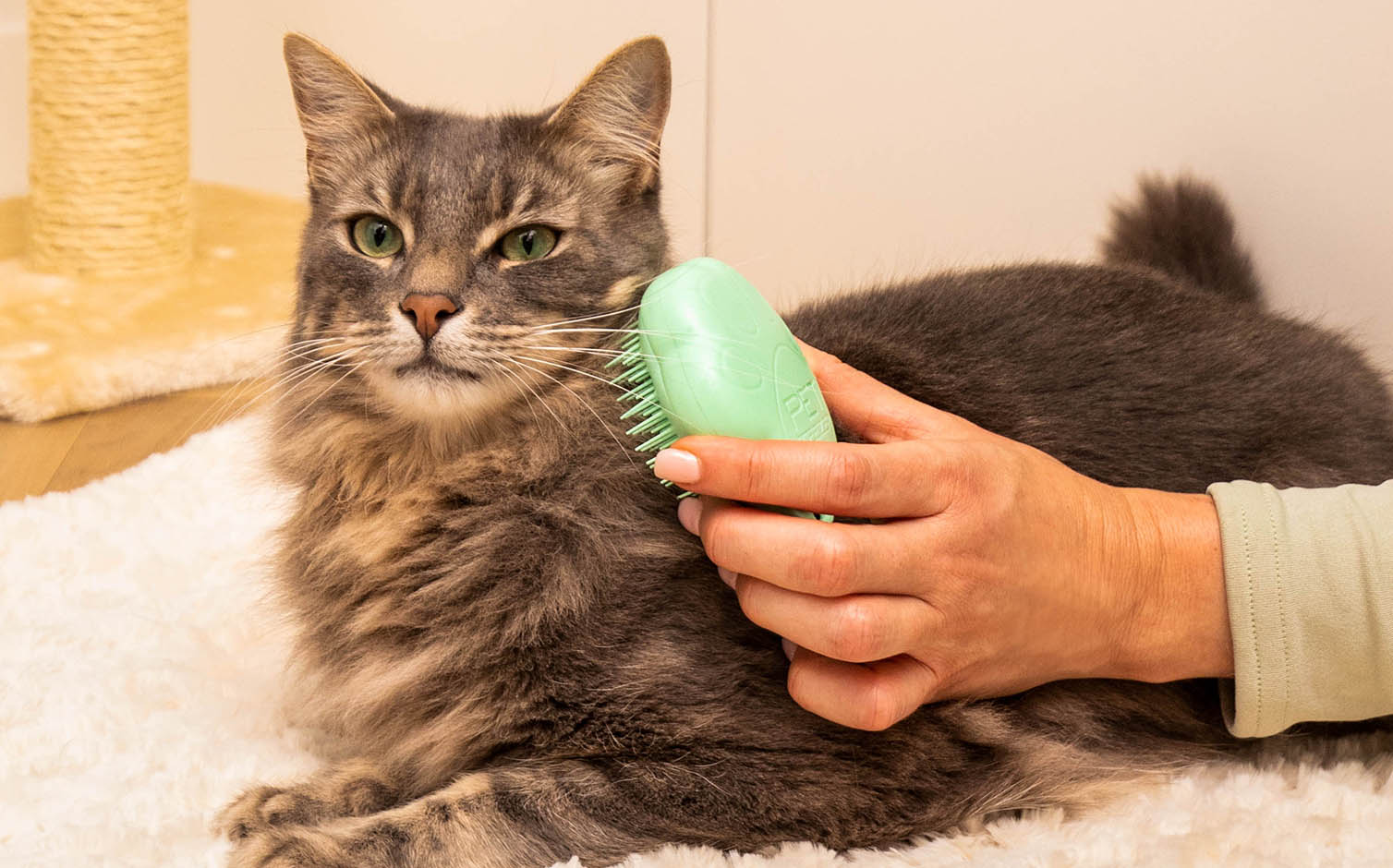
Brushes come in many types for different fur lengths. Use a slicker brush for long-haired cats. It removes tangles and loose hair gently. A bristle brush works well for short-haired cats. It smooths the coat and spreads natural oils. Pick a brush with soft bristles to avoid hurting your cat’s skin. Brush regularly to reduce shedding and mats.
Nail Clippers And Trimmers
Keep your cat’s nails short and safe with clippers. Use a small, sharp nail clipper made for pets. Trim nails carefully to avoid the quick, which can cause pain. Regular trimming prevents scratching injuries and damage to furniture. If your cat resists, try trimming a few nails at a time. Use trimmers with a comfortable grip for better control.
Shampoo And Wipes
Choose a shampoo made for cats, not humans. Cat shampoos are gentle and safe for their skin. Use shampoo only when your cat really needs a bath. Wipes are great for quick cleanups between baths. Pick hypoallergenic wipes to avoid irritation. Clean your cat’s face and paws with wipes to keep them fresh.
Preparing Your Cat For Grooming
Preparing your cat for grooming is important for a smooth experience. Cats can feel nervous or scared. Taking time to prepare helps reduce stress. It also makes grooming easier for both of you.
Start by setting the right mood. Your cat needs to feel safe and calm. Small steps can build trust and comfort. This section shows how to prepare your cat well.
Creating A Calm Environment
Choose a quiet room with few distractions. Turn off loud noises like TV or music. Close doors and windows to block outside sounds. Use soft lighting instead of bright lights. A calm space helps your cat relax quickly.
Keep grooming tools nearby and ready. Having everything close avoids sudden movements. Your cat stays calm without surprises. A peaceful setting makes grooming safer and easier.
Getting Your Cat Comfortable
Let your cat explore the grooming area first. Allow gentle petting to build trust. Speak softly to soothe your cat’s nerves. Offer treats to create positive feelings.
Touch your cat’s paws and fur gently. Pause if your cat pulls away or looks stressed. Repeat these touches over days to build comfort. Slowly introduce the grooming brush or comb. Comfort is key for a good grooming session.
When To Start Grooming
Start grooming when your cat is relaxed, not playful. After a nap or meal is a good time. Avoid grooming during high energy moments. Keep first sessions short, about five minutes.
Watch your cat’s behavior closely. Stop if you see signs of distress. Gradually increase grooming time over several days. Small, calm sessions create a positive habit.
Credit: tangleteezer.com
Step-by-step Grooming Process
Grooming your cat helps keep them clean and healthy. It also builds trust between you and your pet. This step-by-step guide shows how to groom your cat safely and gently. Follow each step to make grooming easy and stress-free.
Brushing Techniques
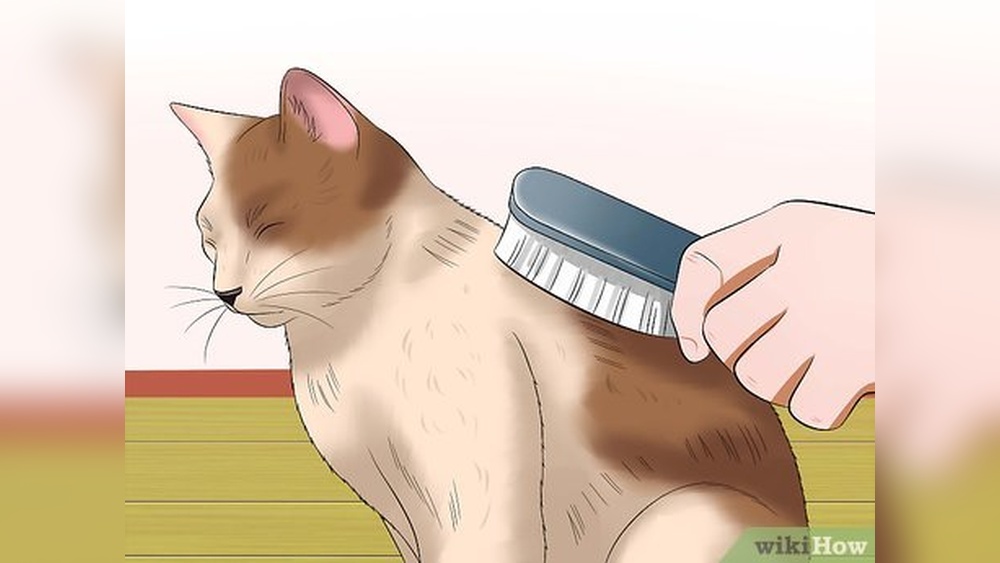
Start by choosing the right brush for your cat’s fur type. Use gentle strokes in the direction of hair growth. Brush small sections at a time. Remove loose fur and tangles carefully. Take breaks if your cat feels restless. Regular brushing reduces hairballs and matting.
Bathing Your Cat Safely
Fill a sink or tub with a few inches of warm water. Use cat-specific shampoo only. Wet your cat slowly and avoid the face. Apply shampoo and lather gently. Rinse well to remove all soap. Dry your cat with a towel. Keep the room warm to prevent chills.
Trimming Nails Properly
Hold your cat’s paw firmly but gently. Use sharp nail clippers designed for pets. Cut only the sharp tip, avoiding the pink area. Trim one nail at a time. Praise your cat after each paw. Stop if you see bleeding; use styptic powder to stop it.
Cleaning Ears And Eyes
Use a soft, damp cloth or cotton ball. Wipe around the eyes to remove discharge. Clean inside the ears carefully without going too deep. Use a vet-approved ear cleaner if needed. Never insert anything deep into the ear canal. Check regularly to prevent infections.
Handling Common Grooming Challenges
Grooming cats can bring some challenges. Cats may not always enjoy the process. Some cats have mats, shed a lot, or act shy or aggressive. Handling these issues carefully makes grooming easier and safer for both of you. Patience and gentle care help build trust and comfort during grooming.
Dealing With Matting
Mats are clumps of tangled fur that can hurt your cat. Use a wide-tooth comb to gently work through mats. Start from the edges and move inward slowly. If mats are tight, hold the fur near the skin to avoid pulling. For severe mats, cutting carefully with rounded scissors may be needed. Never pull hard; this can hurt your cat.
Managing Shedding
Shedding is normal but can be messy. Brush your cat often to remove loose fur. Use a brush suitable for your cat’s coat type. Regular brushing reduces hairballs and keeps fur healthy. Vacuum and clean your home regularly to manage shed fur. Feeding a healthy diet can also reduce shedding.
Grooming Shy Or Aggressive Cats
Shy or aggressive cats need extra care during grooming. Choose a quiet place with few distractions. Speak softly and move slowly to avoid startling them. Use short grooming sessions to prevent stress. Offering treats can create positive associations. If your cat resists, try wrapping them gently in a towel to feel safe.
Maintaining Grooming Routine
Keeping a regular grooming routine helps your cat stay healthy and happy. Grooming removes dirt, loose hair, and prevents mats. It also gives you a chance to check your cat’s skin and fur for problems. A steady schedule makes grooming easier for both you and your cat.
How Often To Groom
Short-haired cats need grooming about once a week. Long-haired cats require grooming several times a week. Older cats or those with health issues may need daily care. Adjust the schedule based on your cat’s breed and coat type. Watch how your cat responds and change the routine if needed.
Signs Your Cat Needs Extra Care
Look for tangled or matted fur that can pull at the skin. Notice if your cat scratches more than usual or has bald spots. Watch for oily or dirty fur that doesn’t clean itself well. These signs mean your cat needs more attention and grooming. Act quickly to prevent skin problems and discomfort.
Involving Family Members
Share grooming duties with family to keep the routine consistent. Teach children how to gently brush and handle the cat. Make grooming a calm, positive time for everyone involved. This helps your cat feel safe and cared for. Teamwork makes grooming easier and less stressful for all.
When To Seek Professional Help
Knowing when to seek professional help is key to your cat’s health. Grooming is important but some problems need expert care. Early action can prevent pain and infections. Watch your cat closely for signs that need help.
Recognizing Grooming Problems
Look for mats that are hard to remove. Notice if your cat scratches or bites skin often. Bald patches or redness show skin trouble. Foul smell from fur can mean infection. Refusal to be groomed might signal discomfort or pain.
Finding A Grooming Specialist
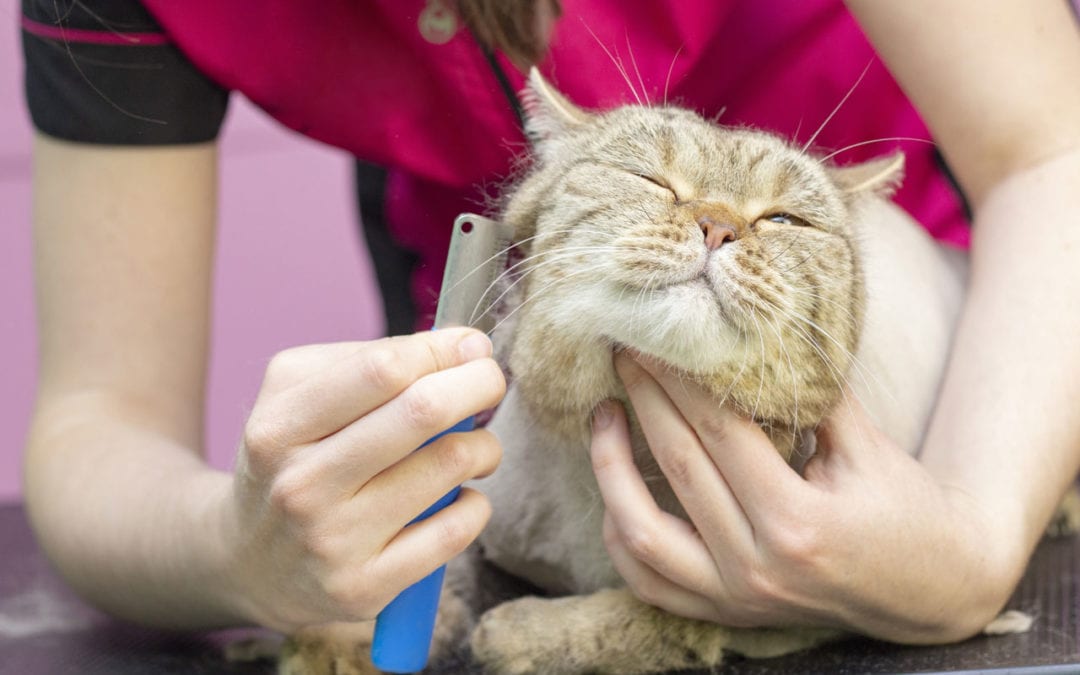
Choose groomers with experience in cats. Ask about their methods and tools. A calm and patient groomer is best for stressed cats. Check reviews or ask your vet for advice. Professional groomers can handle tough mats and nails safely.
Veterinary Care For Skin Issues
Visit the vet if skin problems worsen or don’t heal. Vets diagnose allergies, infections, or parasites causing skin trouble. They can prescribe medicines or special shampoos. Regular vet checks help keep your cat’s skin healthy. Early treatment avoids serious health problems.
Credit: unionlakepetservices.com
Frequently Asked Questions
How Often Should I Groom My Cat?
Groom your cat at least once a week to remove loose fur and prevent mats. Long-haired cats may need daily grooming. Regular grooming helps reduce shedding and hairballs, keeping your cat healthy and comfortable.
What Tools Are Best For Grooming Cats?
Use a soft-bristle brush, metal comb, and nail clippers for grooming. Choose tools based on your cat’s fur type. Proper tools make grooming easier and more effective, reducing discomfort for your cat.
How Can I Make Grooming Stress-free For My Cat?
Create a calm environment and use gentle strokes during grooming. Offer treats and praise to reward your cat. Short, regular sessions help your cat relax and enjoy grooming time.
Is Bathing Necessary When Grooming A Cat?
Bathing is rarely needed unless your cat is very dirty or has a skin condition. Most cats groom themselves well. Use cat-safe shampoo and warm water if you must bathe your cat.
Conclusion
Grooming your cat helps keep its fur clean and healthy. Regular brushing reduces hairballs and shedding. It also strengthens your bond with your pet. Use gentle strokes and be patient during grooming. Keep tools ready and choose quiet times for brushing.
Small, daily sessions work best for most cats. Remember, a calm cat enjoys grooming more. Taking care of your cat’s coat keeps it happy and comfortable. Try these simple steps to make grooming easy and stress-free. Your cat will thank you with a shiny, soft coat.