
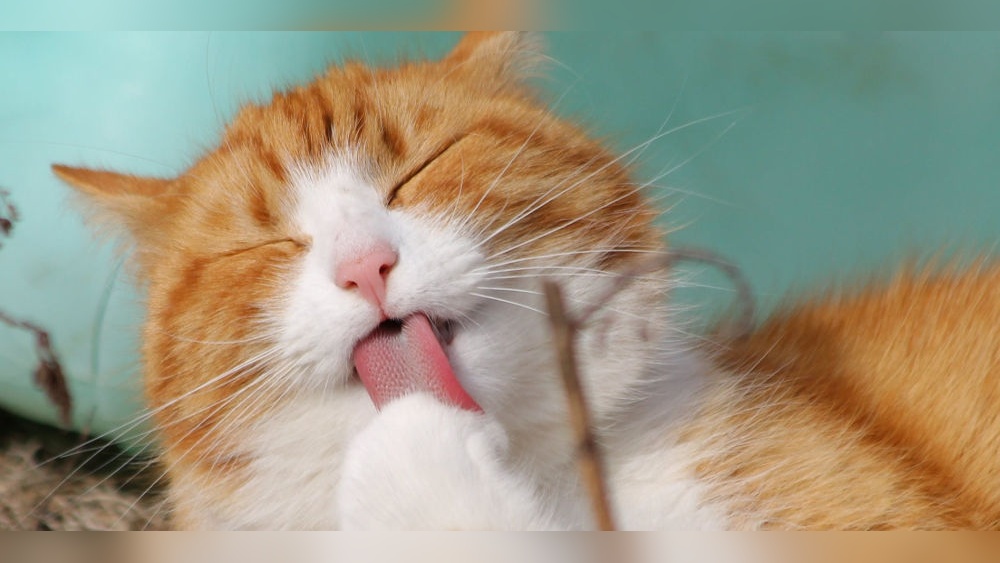
Does your cat seem a little less tidy than usual? You want your furry friend to stay clean and healthy, but sometimes they just don’t groom themselves enough.
You might wonder how to encourage your cat to groom more often without stressing them out. The good news is, small changes in your routine and environment can make a big difference. Keep reading, and you’ll discover simple, effective ways to help your cat take better care of their coat—making both of your lives happier and cleaner.
Cat Grooming Basics
Cats spend a lot of time cleaning themselves. Grooming is a natural and important habit for cats. It keeps their fur clean and healthy. It also helps them feel calm and safe. Understanding the basics of cat grooming helps you support your pet’s health.
Learning why cats groom, their common habits, and signs of poor grooming can guide you. You can then help your cat groom more often and stay happy.
Why Cats Groom Themselves
Cats groom to remove dirt and loose fur. This keeps their coat smooth and shiny. Grooming also controls body temperature by spreading natural oils. It helps reduce stress and gives comfort. Cats use grooming to bond with other cats or people too.
Common Grooming Habits
Cats lick their fur with a rough tongue. They clean their face, ears, and paws carefully. Some cats nibble or bite small knots in fur. Grooming can be a daily routine. Cats often pause to lick after eating or playing. Most cats spend about 30% of their day grooming.
Signs Of Poor Grooming
Look for matted or dirty fur. Bald patches or greasy coats show grooming problems. Bad smell or skin redness also means poor care. Cats may scratch or bite themselves often. These signs can mean illness or stress. Prompt attention helps your cat feel better.
:strip_icc()/GettyImages-596436301-58bc6ba73df78c353cfbf48d.jpg)
Credit: www.thesprucepets.com
Factors Affecting Grooming Frequency
Cats groom themselves to stay clean and healthy. The frequency of grooming depends on several factors. Understanding these factors helps you encourage your cat to groom more often. Some reasons are physical, while others relate to the cat’s surroundings or age.
Health Issues Impacting Grooming
Health problems can reduce a cat’s grooming habits. Pain from arthritis or injuries makes grooming hard. Skin infections or allergies may cause discomfort. Cats might avoid grooming areas that hurt. Dental problems can also lower grooming frequency. Regular vet checks help catch these issues early.
Age And Grooming Changes
Young cats groom frequently to keep clean. Older cats may groom less often. Aging slows movement and flexibility. Older cats might not reach all parts of their body. Senior cats need extra care to stay groomed. Watch for changes in grooming as cats age.
Environmental Influences
The environment affects grooming habits. Dirty or uncomfortable spaces may discourage grooming. Stress from loud noises or new pets can reduce grooming. A calm, clean area encourages cats to groom. Regularly clean your cat’s space and reduce stress. This helps maintain healthy grooming habits.
Encouraging Self-grooming
Helping your cat groom itself more often improves its health and happiness. Cats groom to clean their fur, remove loose hair, and relax. Encouraging self-grooming reduces mats and skin problems. Small changes in your home and routine can make a big difference.
Creating A Comfortable Space
Choose a quiet, warm spot for your cat. Soft bedding invites your cat to settle down and groom. Avoid noisy or busy areas that cause stress. Keep the space clean and free from clutter. A calm environment helps your cat feel safe and relaxed.
Using Grooming Tools
Introduce brushes and combs gently to your cat. Use soft brushes that feel good on their skin. Brush in the direction of fur growth to avoid discomfort. Grooming tools remove loose hair and encourage licking. Regular brushing helps your cat enjoy grooming itself more.
Incorporating Play To Stimulate Grooming
Playtime can boost your cat’s grooming habits. Use toys that mimic prey to excite your cat. After play, your cat will often groom to calm down. Short, fun sessions increase your cat’s activity and grooming. Active cats tend to groom more often and thoroughly.
Diet And Grooming
Diet plays a big role in how often your cat grooms himself. A healthy diet supports a shiny, soft coat. It also helps your cat feel good and comfortable. Poor nutrition can cause dry skin or shedding. These problems make cats less likely to groom.
Feeding your cat the right food helps keep his skin and fur healthy. Balanced nutrition gives your cat energy to stay active and clean. Pay close attention to the ingredients in your cat’s food. Look for high-quality proteins and fats. These nutrients are key for coat health.
Nutrition’s Role In Coat Health
Proteins are the building blocks of your cat’s fur. Cats need animal-based protein for strong, healthy hair. Fatty acids like omega-3 and omega-6 keep the skin moist. They prevent dryness and itching that stop grooming. Vitamins such as A and E help repair skin cells. A diet lacking these nutrients can cause dull fur and skin issues. Choose cat food rich in these essentials to promote natural grooming habits.
Supplements To Support Grooming
Supplements can fill gaps in your cat’s diet. Fish oil capsules add omega-3 fatty acids to improve coat shine. Biotin supports skin strength and fur growth. Some cats benefit from vitamin E supplements to reduce skin irritation. Always talk to your vet before starting supplements. Proper use helps your cat stay comfortable and groom more often. Supplements work best alongside a balanced diet, not as a replacement.
When To Seek Veterinary Help
Knowing when to seek veterinary help is key to keeping your cat healthy. Grooming habits often show your cat’s well-being. Changes in grooming might signal health issues. Early action can prevent bigger problems later. Watch your cat closely for signs that need a vet’s attention.
Identifying Grooming-related Health Problems
Look for bald spots or patches of missing fur. Excessive licking or biting can cause wounds. Matted fur may mean your cat cannot groom well. Unusual odors or discharge on the skin can signal infection. If your cat stops grooming completely, it may be sick. Changes in appetite or behavior alongside grooming issues need checking. Pain or discomfort might stop your cat from grooming properly.
Treatment Options For Grooming Issues
Your vet can identify the root cause of grooming problems. Treatment might include medication for skin infections or parasites. Pain relief helps cats with arthritis groom better. Special shampoos or topical treatments may clear skin issues. Sometimes, dietary changes improve coat health and grooming. In severe cases, professional grooming help is needed. Follow your vet’s advice closely for best results.

Credit: www.reddit.com

Credit: luckydawgsalongrooming.com
Frequently Asked Questions
How Can I Encourage My Cat To Groom More Often?
Provide a calm environment and regular brushing sessions. Use positive reinforcement like treats to motivate grooming. Keep your cat healthy with a balanced diet, as good nutrition supports natural grooming behavior.
What Are Signs My Cat Needs Help Grooming?
Look for matted fur, bad odor, or excessive scratching. If your cat avoids grooming or has bald spots, consult a vet. These signs may indicate health or skin issues affecting grooming habits.
Does Diet Affect A Cat’s Grooming Habits?
Yes, a nutritious diet improves coat health and grooming frequency. Omega-3 fatty acids and vitamins promote shiny fur and skin. Poor diet can lead to dryness or discomfort, reducing grooming activity.
Can Stress Impact My Cat’s Grooming Routine?
Stress and anxiety can cause your cat to groom less or excessively. Create a quiet, safe space and maintain a routine to reduce stress. Consult a vet if grooming behavior changes suddenly.
Conclusion
Helping your cat groom more often takes patience and care. Regular brushing can encourage your cat to clean itself more. Keep your cat’s fur healthy with good food and a calm space. Gently remind your cat to groom by showing affection and staying close.
Watch for any skin problems or changes in behavior. Small steps make a big difference over time. Your cat will feel happier and cleaner with your support. Stay consistent and enjoy the bond you build together.