
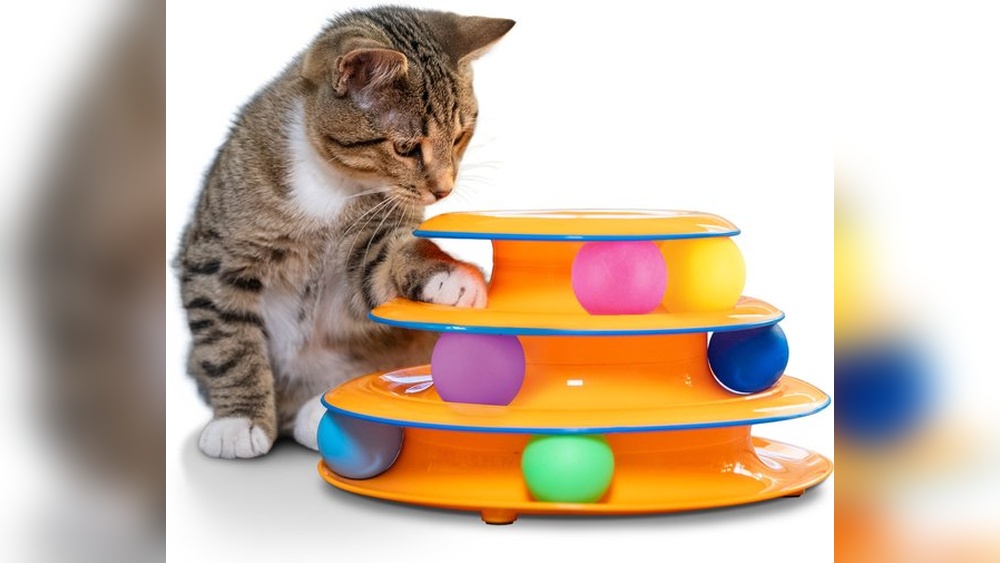
Have you ever found your cat peeing on his toys and wondered why? It’s confusing and frustrating, especially when you don’t understand what’s behind this strange behavior.
Your cat’s toys are supposed to be fun, not targets for accidents. But there’s a reason your furry friend is doing this, and understanding it can help you fix the problem fast. Keep reading to discover the surprising causes and easy solutions that will bring peace back to your home—and keep your cat happy too.

Credit: www.amazon.com
Common Causes Of Toy Peeing
When a cat pees on its toys, it confuses many pet owners. This odd behavior has clear reasons behind it. Understanding these causes helps to manage and reduce the problem.
Several factors can make a cat choose its toys as a spot to urinate. These causes often relate to natural instincts, feelings, or health issues. Let’s explore the most common ones.
Marking Territory
Cats use urine to mark their territory. This behavior shows other animals that the area belongs to them. Toys may carry the cat’s scent already. Urinating on toys strengthens their claim over these objects. It is a way to feel secure and safe in their space.
Stress And Anxiety
Stress affects cats deeply. Changes in the home or routine can upset them. Anxiety may cause unusual behavior like peeing on toys. This action can comfort the cat by mixing their scent with the toy. Stress can come from new pets, loud noises, or moving furniture.
Medical Issues
Health problems may cause inappropriate urination. Urinary tract infections, bladder stones, or kidney problems are common reasons. When a cat feels pain, it may urinate outside the litter box. Toys might be the closest or easiest spot. Always check with a vet if this behavior starts suddenly.
Behavioral Triggers
Cats may pee on their toys for many behavioral reasons. These triggers often relate to changes in their daily life or feelings. Understanding these triggers helps in managing this behavior.
Changes In Environment
Cats dislike sudden changes around them. Moving furniture or new people can stress a cat. This stress may cause them to pee on toys. Toys hold their scent, making them feel safe. Marking toys with urine is a way to cope.
Lack Of Litter Box Access
Not having easy litter box access causes problems. A dirty or blocked box makes cats avoid it. They may pee on toys instead. Toys are close and smell familiar. This choice is often about comfort and convenience.
Attention-seeking Actions
Cats want attention from their owners. Peeing on toys can be a way to get noticed. This behavior may happen if they feel ignored. The cat uses this action to communicate. Owners should respond with care, not punishment.
Health Concerns To Watch
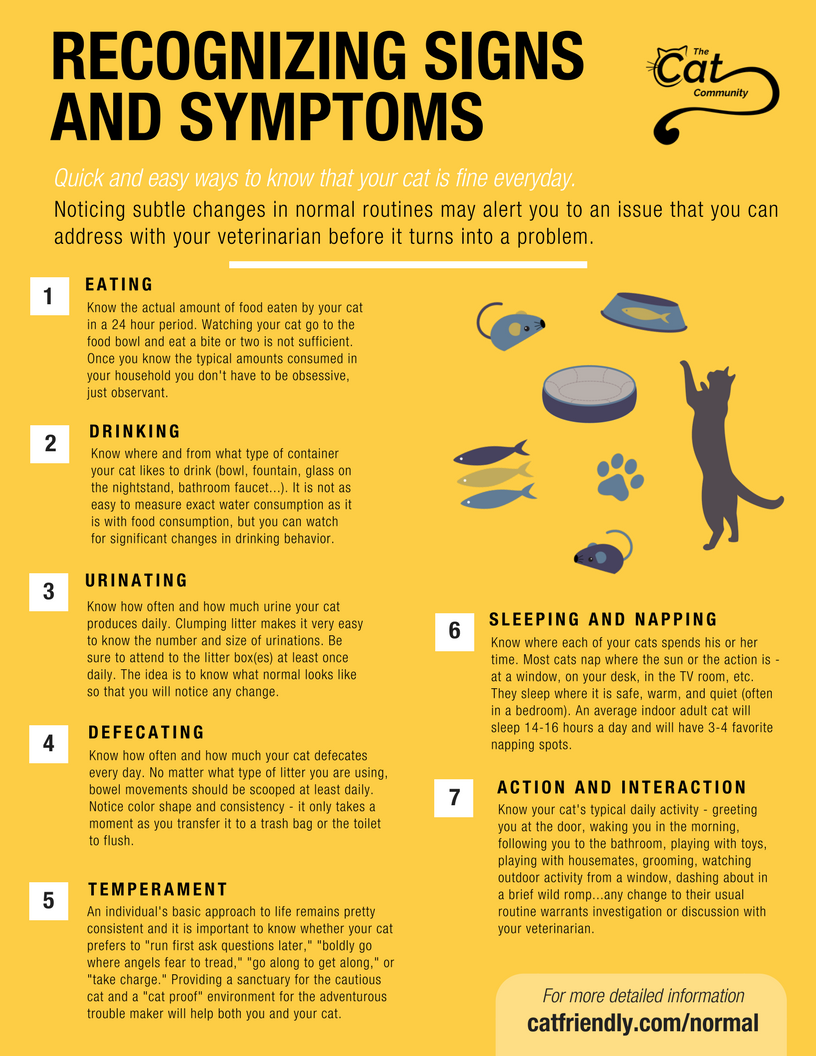
Noticing your cat peeing on toys can signal health issues. Cats often hide discomfort, so watch closely. Early detection helps avoid serious problems. Understanding common health concerns aids in better care.
Urinary Tract Infections
Urinary tract infections cause pain and urgency. Cats may urinate outside the litter box to relieve discomfort. Toys can become targets if near their favorite spots. A vet visit is essential to diagnose and treat infections. Treatment usually includes antibiotics and plenty of water.
Bladder Problems
Bladder issues like inflammation or stones cause frequent urination. Cats might associate pain with their litter box and avoid it. Peeing on toys can be a sign of bladder discomfort. These conditions require veterinary attention to prevent worsening. Early care can stop painful episodes and help recovery.
Other Medical Conditions
Other health problems can lead to unusual urination. Kidney disease, diabetes, or stress might cause this behavior. Toys become convenient spots if cats avoid their usual areas. Proper diagnosis by a vet is crucial for treatment. Managing these issues improves your cat’s quality of life.
Preventing Toy Peeing
Stopping your cat from peeing on toys helps keep your home clean and your cat happy. Understanding ways to prevent this behavior is key. Simple steps can make a big difference in your cat’s habits.
Proper Litter Box Maintenance
Clean the litter box daily. Cats avoid dirty boxes and may pee elsewhere. Use enough litter to cover the bottom well. Place the box in a quiet, easy-to-reach spot. Consider having one more box than the number of cats. This reduces competition and stress.
Reducing Stress Factors
Stress makes cats mark their territory by peeing outside the box. Create a calm environment. Keep a routine for feeding and playtime. Avoid loud noises and sudden changes. Provide safe hiding places and cozy resting spots. Use calming sprays or diffusers designed for cats.
Regular Vet Checkups
Health problems can cause inappropriate peeing. Urinary tract infections and bladder issues are common causes. Schedule vet visits regularly to catch problems early. Follow vet advice on diet and medications. A healthy cat is less likely to pee on toys or furniture.
Cleaning And Odor Control
Cleaning and controlling odor are key after your cat pees on toys. It helps stop your cat from peeing there again. It also keeps your home fresh and clean. Proper cleaning removes urine and bad smells that attract your cat back.
Cleaning quickly is important. The longer urine stays, the harder it is to remove. Use the right methods and products to get the best results. This keeps your cat happy and your toys safe.
Effective Cleaning Methods
First, blot the wet spot with paper towels. Press gently to soak up urine. Avoid rubbing, as it spreads the stain. Next, wash the toy with cold water. Hot water can set the stain and smell.
Use enzyme cleaners designed for pet urine. They break down urine molecules fully. Let the cleaner sit for 10 to 15 minutes. Then rinse the toy well. Repeat if the smell remains.
Products To Use
Choose enzyme-based cleaners for the best results. They are safe and strong against urine odor. Avoid ammonia or bleach, as they can harm your cat. You can also try vinegar mixed with water. It helps neutralize the smell but must be rinsed well.
For washable toys, a gentle detergent with an enzyme booster works well. For non-washable toys, spot cleaning is best. Test any product on a small area first.
Avoiding Re-marking
Remove all urine odors completely. Cats return to places that still smell like urine. Keep toys out of your cat’s reach after cleaning. Use deterrent sprays safe for pets on toys.
Provide enough litter boxes and clean them often. Stress can cause your cat to mark toys again. Give your cat fresh toys and attention to reduce anxiety. Good cleaning and care stop re-marking quickly.

Credit: www.petscare.com
Credit: catfriendly.com
Frequently Asked Questions
Why Does My Cat Pee On His Toys Specifically?
Cats may pee on toys due to stress or marking territory. Toys carry their scent, making them prime spots to mark. It can signal anxiety, medical issues, or dissatisfaction with their litter box.
Can Medical Problems Cause Cats To Urinate On Toys?
Yes, urinary tract infections or bladder issues often cause inappropriate urination. Always consult a vet to rule out health problems if your cat pees outside the litter box.
How Can I Stop My Cat From Peeing On Toys?
Clean toys thoroughly and remove urine scent. Provide a clean litter box and reduce stressors. Use deterrents and positive reinforcement to encourage proper bathroom habits.
Is Peeing On Toys A Sign Of Behavioral Issues?
Peeing on toys can indicate anxiety, territorial behavior, or litter box problems. Address environmental stress and consult a vet or behaviorist for guidance.
Conclusion
Cats pee on toys for several reasons. Stress, marking territory, or health issues could be the cause. Watch your cat’s behavior carefully. Clean the toys regularly to avoid smells. Provide enough litter boxes in quiet places. Consult a vet to rule out medical problems.
Understanding your cat helps stop this habit. Patience and care make a big difference. Your cat will feel safer and happier soon.