
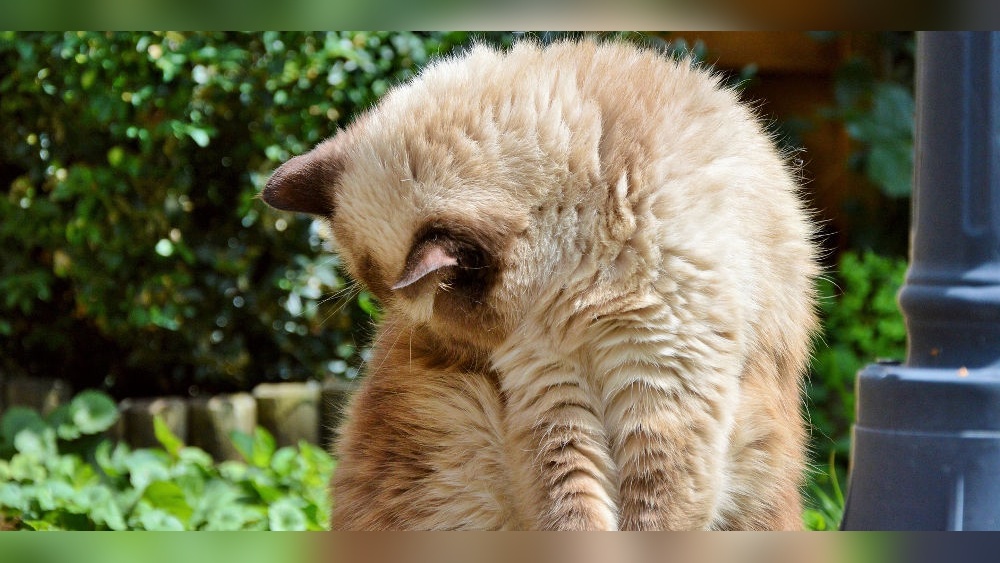
Have you ever noticed your cat grooming less as it gets older? You might wonder, “What age do cats stop grooming themselves?” This question is more important than it seems.
Grooming is a key part of your cat’s health and happiness. When they stop, it could mean more than just laziness—it might signal health issues or changes you need to watch for. Keep reading to discover why grooming habits change, when you should be concerned, and how to help your furry friend stay clean and comfortable through every stage of life.
Cat Grooming Basics
Cats are known for their cleanliness. Grooming is a natural habit for them. It keeps their fur clean and skin healthy. Grooming also helps cats cool down and relax. Understanding how and why cats groom helps us care for them better.
Grooming is more than just cleaning. It is a way cats show comfort and reduce stress. Their tongue has tiny hooks that remove dirt and loose fur. This daily ritual helps prevent matting and skin problems.
Why Cats Groom
Cats groom to remove dirt and loose hair. This keeps their coat shiny and smooth. Grooming also spreads natural oils from their skin. These oils protect their fur from damage. Cats use grooming to cool themselves on hot days. It also helps reduce stress and anxiety. Grooming feels calming and soothing to cats. It is a way to keep their body healthy and clean.
Grooming Frequency By Age
Kittens start grooming themselves at about three weeks old. Young cats groom often, sometimes several times a day. They have soft fur that needs regular cleaning. Adult cats usually groom twice a day. Their fur is thicker and requires more care. Older cats may groom less often. Aging can reduce their flexibility and energy. Sometimes health issues make grooming harder for senior cats. Watching your cat’s grooming habits helps spot health problems early.
When Grooming Declines
Cats are known for their fastidious grooming habits. They spend a large part of their day licking their fur to stay clean and comfortable. Over time, this behavior can change. Understanding when grooming declines helps cat owners notice important health signals early.
Typical Age For Grooming Changes
Most cats start grooming less as they grow older. Around 10 to 12 years, you may see a drop in their grooming routine. Senior cats often have less energy and may not clean themselves as much. This decline is normal but should be watched closely. Changes in grooming habits can show aging or discomfort.
Health Issues Affecting Grooming
Health problems can also cause grooming to decline. Arthritis can make it painful for cats to reach certain areas. Dental problems may reduce grooming because of mouth pain. Skin infections or parasites can also stop cats from grooming. If a cat stops cleaning, a vet check is important. Early care can improve their comfort and health.
Key Signs Of Grooming Problems
Cats usually groom themselves to stay clean and healthy. Grooming helps remove dirt, loose fur, and parasites. When cats stop grooming well, it can signal health issues. Spotting grooming problems early is important. It helps prevent further health troubles.
Mattes And Tangles
Mattes and tangles form when fur is not brushed or cleaned. They can pull on the skin and cause pain. Matted fur traps dirt and moisture. This creates a place for infections. Cats with thick or long fur are more at risk.
Skin Irritations
Skin irritations appear as redness, bumps, or sores. These can result from poor grooming or allergies. Scratching and licking can make irritation worse. Watch for scabs or hair loss. These signs show your cat needs help grooming.
Unusual Odors
A strong or bad smell from your cat’s fur can mean trouble. It may come from dirt, oils, or infection. Healthy cats usually smell clean or slightly like fur. A foul odor means grooming is not keeping your cat clean.

Credit: www.sandiaanimalclinic.com
How To Help Your Cat Groom
Cats usually groom themselves well. But some cats stop grooming as they age or get sick. Helping your cat stay clean keeps them healthy and happy. You can help by brushing and bathing them gently. Use the right tools and techniques to make grooming easy and safe. Here are some simple ways to help your cat groom.
Regular Brushing Techniques
Brush your cat often. It removes loose fur and dirt. Use a soft brush for short hair cats. For long hair cats, use a comb to prevent tangles. Brush gently in the direction of fur growth. Be calm and patient to make your cat relaxed. Start with short sessions and increase time slowly.
Bathing Tips For Cats
Cats usually clean themselves well. Bathing is needed only sometimes. Use warm water and a mild cat shampoo. Avoid getting water in their ears and eyes. Hold your cat gently but firmly. Rinse all shampoo to stop skin irritation. Dry your cat with a towel after the bath.
Using Grooming Tools Safely
Choose tools made for cats. Avoid sharp or harsh brushes. Check tools for damage before use. Use tools gently to avoid hurting your cat. Stop if your cat shows stress or pain. Clean grooming tools regularly to keep them safe.
When To See A Vet
Cats usually groom themselves throughout their lives. Grooming keeps them clean and healthy. Sometimes, older cats stop grooming properly. This change can signal health problems. Knowing when to see a vet helps catch issues early. Watch your cat closely for signs that need attention.
Behavioral Changes
Notice if your cat grooms less than before. Less grooming can mean pain or illness. Watch for other changes like hiding or aggression. Sleeping more or losing interest in food is important. These behaviors may show your cat feels unwell. A vet can find the cause and help.
Physical Symptoms To Watch
Look for matted or dirty fur. Bald patches or skin wounds also matter. Bad smell or greasy coat can show problems. Weight loss or sudden weight gain is a red flag. Limping or stiffness may stop grooming too. These signs need a vet’s check-up fast.
:strip_icc()/understanding-cat-grooming-553960_FINAL-c1db78344e2b4499b48b4302b52b0870.jpg)
Credit: www.thesprucepets.com
Preventing Grooming Issues
Preventing grooming issues in cats is important for their health and comfort. As cats age, they may groom less often. This can cause problems like mats, skin infections, and discomfort. Owners must watch for signs of poor grooming and take steps to help. Small changes can make a big difference in keeping cats clean and happy.
Diet And Hydration
A good diet supports a cat’s skin and coat health. Foods rich in omega-3 and omega-6 fatty acids help keep fur shiny and soft. Make sure your cat drinks enough water. Hydration stops dry skin and fur problems. Wet cat food can add extra moisture to their diet.
Environmental Factors
Keep your cat’s living area clean and comfortable. Dust, dirt, and allergens can irritate skin. Provide soft bedding and a quiet place for rest. Stress can reduce grooming, so avoid loud noises or sudden changes. Regular brushing helps remove loose fur and prevents mats.
Routine Health Checks
Visit the vet regularly to catch health problems early. Pain or illness can make grooming hard for older cats. Check skin for redness, sores, or lumps. Your vet can suggest treatments or grooming help. Early care keeps your cat comfortable and clean.

Credit: luckydawgsalongrooming.com
Frequently Asked Questions
At What Age Do Cats Usually Stop Grooming Themselves?
Cats generally groom themselves throughout their lives. However, older cats may reduce grooming due to health issues or arthritis.
Why Might An Older Cat Stop Grooming Completely?
Older cats may stop grooming due to pain, dental problems, or cognitive decline. This can affect their hygiene and comfort.
How Can I Help My Cat With Grooming In Old Age?
You can assist by gently brushing your cat daily. Regular vet check-ups help identify health issues affecting grooming.
Is Reduced Grooming A Sign Of Illness In Cats?
Yes, reduced grooming often signals health problems like arthritis, dental issues, or skin conditions. Prompt vet care is crucial.
Conclusion
Cats usually groom themselves well into old age. Sometimes, older cats groom less due to health or pain. Watch your cat’s grooming habits closely. Changes might mean your cat needs help. Regular vet visits keep your cat healthy and comfortable.
Helping your cat stay clean supports their happiness. Grooming is a sign of well-being and care. Your attention makes a big difference in their life.